Paul Claudel
Writing
Biography
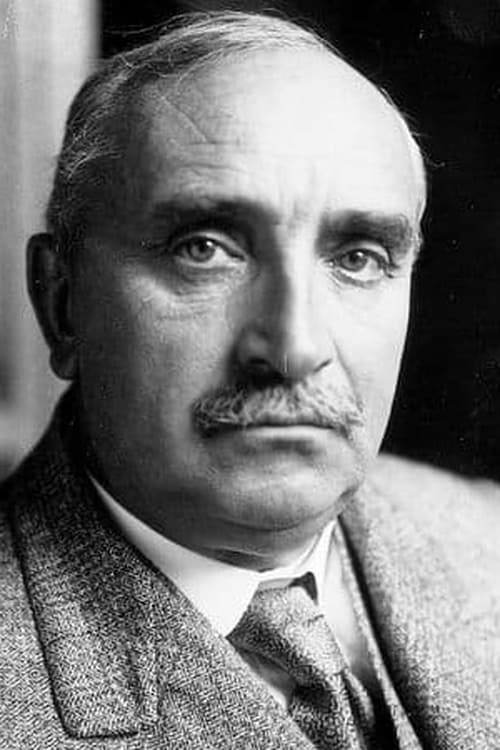
Paul Claudel (6 August 1868 – 23 February 1955) was a French poet, dramatist and diplomat, and the younger brother of the sculptor Camille Claudel. He was most famous for his verse dramas, which often convey his devout Catholicism. He was born in Villeneuve-sur-Fère (Aisne), into a family of farmers and government officials. His father, Louis-Prosper, dealt in mortgages and bank transactions. His mother, the former Louise Cerveaux, came from a Champagne family of Catholic farmers and priests. Having spent his first years in Champagne, he studied at the lycée of Bar-le-Duc and at the Lycée Louis-le-Grand in 1881, when his parents moved to Paris. An unbeliever in his teenage years, Claudel experienced a conversion at age 18 on Christmas Day 1886 while listening to a choir sing Vespers in the cathedral of Notre Dame de Paris: "In an instant, my heart was touched, and I believed." He remained an active Catholic for the rest of his life. In addition, he discovered Arthur Rimbaud's book of poetry Illuminations. He worked towards "the revelation through poetry, both lyrical and dramatic, of the grand design of creation". Claudel studied at the Paris Institute of Political Studies. The young Claudel considered entering a monastery, but instead had a career in the French diplomatic service, in which he served from 1893 to 1936. Claudel was first vice-consul in New York (April 1893), and later in Boston (December 1893). He was French consul in China during the period 1895 to 1909, with time in Shanghai (June 1895). On a break in 1900, he spent time at Ligugé Abbey, but his proposed entry to the Benedictine Order was postponed. Claudel returned to China as vice-consul in Fuzhou (October 1900). He had a further break in France in 1905–6, when he married. He was one of a group of writers enjoying the support and patronage of Philippe Berthelot of the Foreign Ministry, who became a close friend; others were Jean Giraudoux, Paul Morand and Saint-John Perse. Because of his position in the Diplomatic Service, at the beginning of his career Claudel published either anonymously or under a pseudonym, "since permission to publish was needed from the Ministry of Foreign Affairs". For that reason, Claudel remained rather obscure as an author to 1909, unwilling to ask permission to publish under his own name because the permission might not be granted. In that year, the founding group of the Nouvelle Revue Française (NRF), and in particular his friend André Gide, were keen to recognise his work. Claudel sent them, for the first issue, the poem Hymne du Sacre-Sacrement, to fulsome praise from Gide, and it was published under his name. He had not sought permission to publish, and there was a furore in which he was criticised. Attacks based on his religious views were in February also affecting the production of one of his plays. Berthelot's advice was to ignore the critics. The affair began a long collaboration of the NRF with Claudel. Claudel also wrote extensively about China, with a definitive version of his Connaissance de l'Est published in 1914 by Georges Crès and Victor Segalen. In his final posting to China, he was consul in Tianjin (1906–1909). ... Source: Article "Paul Claudel" from Wikipedia in English, licensed under CC-BY-SA 3.0.
Known For

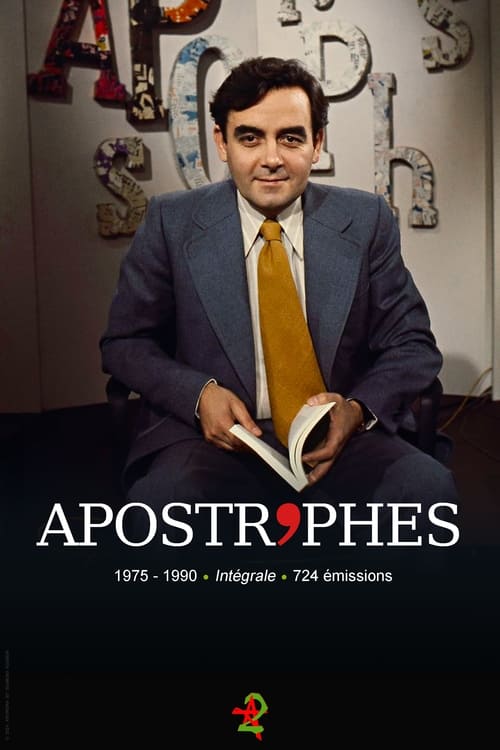
Apostrophes was a live, weekly, literary, prime-time, talk show on French television created and hosted by Bernard Pivot. It ran for fifteen years (724 episodes) from January 10, 1975, to June 22, 1990, and was one of the most watched shows on French television (around 6 million regular viewers). It was broadcast on Friday nights on the channel France 2 (which was called "Antenne 2" from 1975 to 1992). The hourlong show was devoted to books, authors and literature. The format varied between one-on-one interviews with a single author and open discussions between four or five authors.
Apostrophes

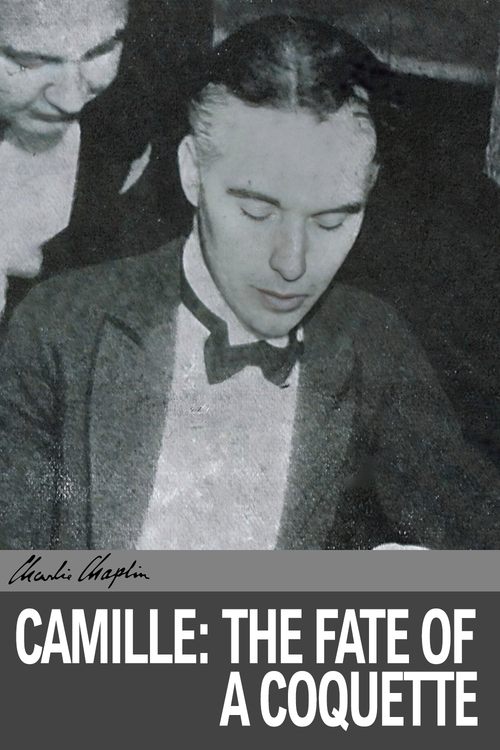
A home movie version of the Dumas play. A young woman becomes a courtesan and tragedy befalls her. Appearances are made by many socialites of 1920s Paris and New York.
Camille: The Fate of a Coquette

Joan of Arc is being burned alive for heresy. In a kind of dream state, she departs from her body and begins to look back upon her life. She begins this journey in a depressed and demoralized state. However, a priest appears to help guide her. First, he shows her those that accused her in the guise of animal characters, in order to show her their true nature. Then, he shows her the good that she has performed for people. In the end, she is proud of what she has done and is ready to face the flames.
Joan of Arc at the Stake

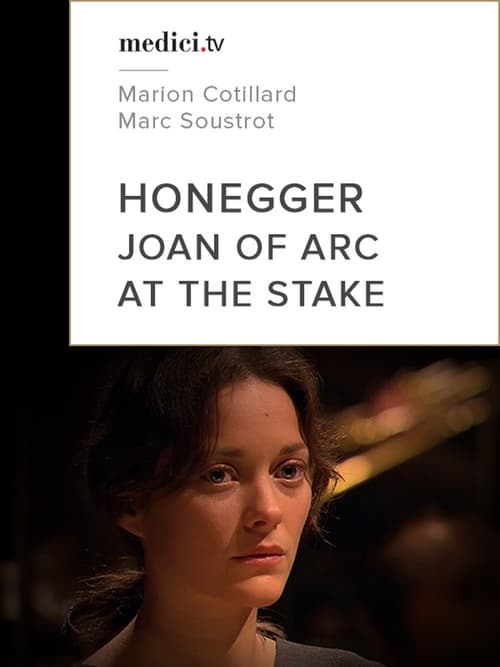
On June 8, 2024, Oscar-winning French actress Marion Cotillard joined the Berlin Philharmonic Orchestra for a performance of Arthur Honegger’s oratorio Jeanne d'Arc au Bûcher (Joan of Arc at the Stake), conducted by Alan Gilbert, performed at the Berliner Philharmonie in Berlin, Germany and broadcast live on Digital Concert Hall, the online concert hall of the Berliner Philharmonie. In the oratorio, Joan of Arc looks back on her life, her visions, and her successes during a show trial in which she is sentenced to be burned at the stake.
Honegger’s “Jeanne d’Arc au bûcher” with Alan Gilbert and Marion Cotillard

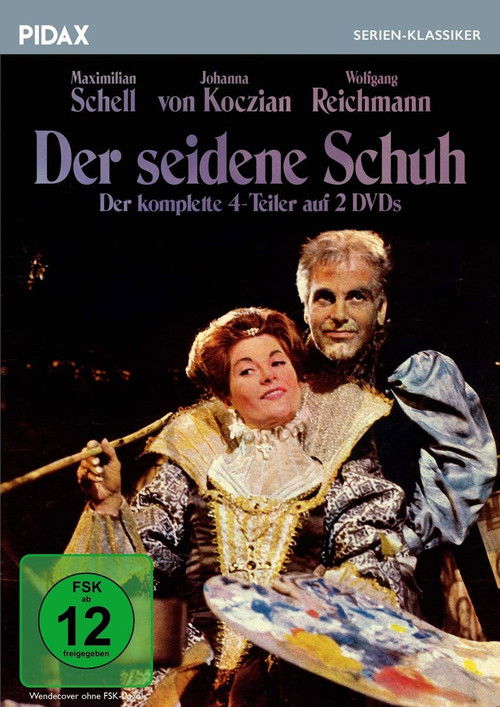
Dona Proeza loves the Spanish nobleman Don Rodrigo, the long-standing viceroy of the West Indies, at the end of the 16th century, but is first married to the old judge Don Pelayo and then to Don Camillo, and in between goes on a journey with Don Baltasar.
Der seidene Schuh

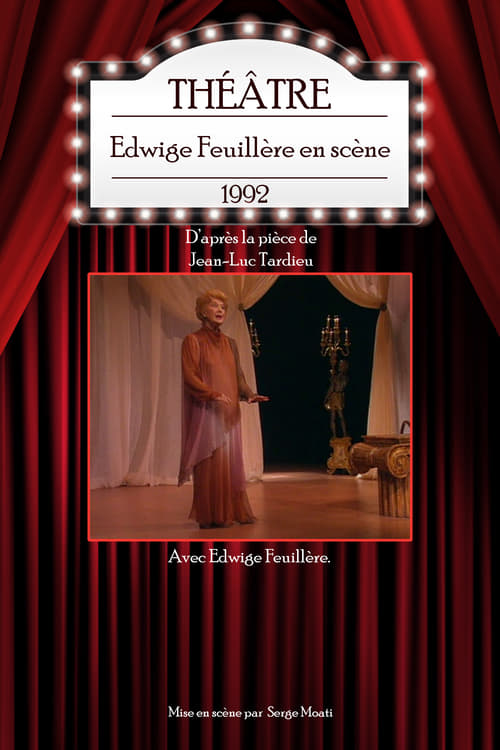
On stage, the actress talks about her life in the 20th-century French theatre, the great authors she played and the famous stage directors of the time who directed her.
Edwige Feuillère en scène

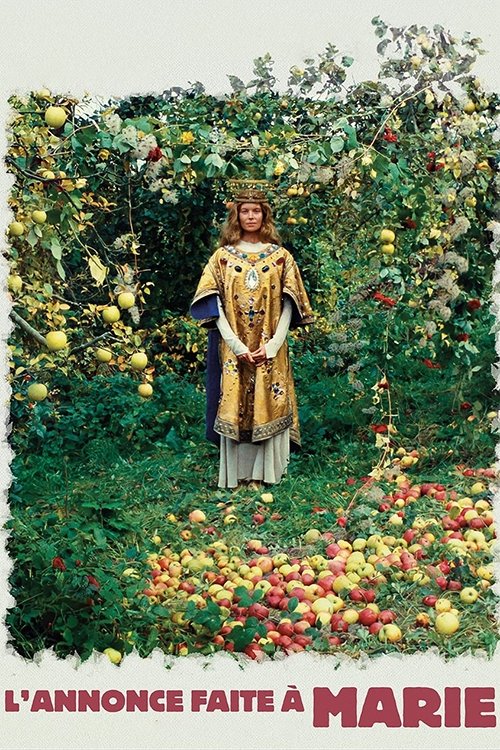
During the Crusades, Vercors betroths his beautiful daughter Violaine to Jacques. She cannot marry Jacques because she has contracted leprosy, so Jacques marries her younger sister Mara. Jacques and Mara's first child dies soon after its birth, and Mara begs Violaine to return from seclusion to restore the child to life.
The Annunciation of Marie

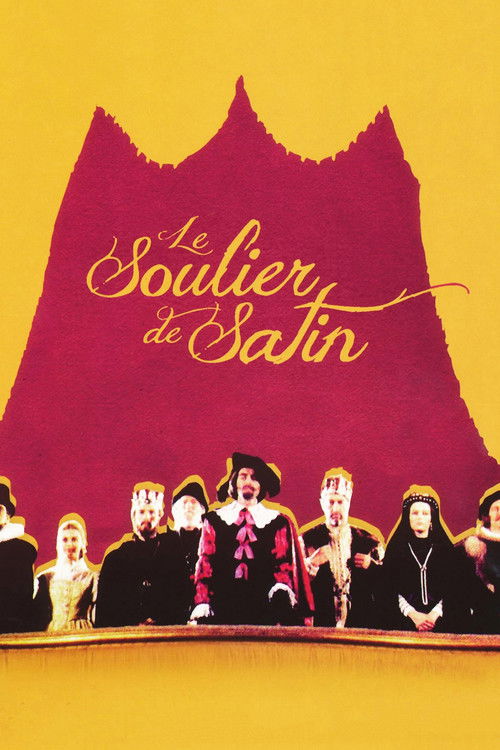
During the century of the Spanish Gold, Doña Prouhèze, wife of a nobleman, deeply loves Don Rodrigo, who is forced to leave Spain and go to America. Meanwhile Prouhèze is sent to Africa to rule the city of Mogador. Ten years later Rodrigo leaves America and travels to Africa in search of Prouhèze to find out that she died and eventually meeting her daughter.
The Satin Slipper

On November 17, 2012, Oscar-winning French actress Marion Cotillard joined the Barcelona Symphony and Catalonia National Orchestra for a performance of Arthur Honegger’s oratorio Joan of Arc at the Stake (Jeanne d'Arc au Bûcher) at the L'Auditori de Barcelona in Spain, broadcast live on Medici.tv. By Swiss composer Arthur Honegger, Jeanne d'Arc au Bûcher (1938) is an imposing oratorio. The libretto is a highly original creation by French poet and playwright Paul Claudel, who dramatises the last moments of the martyr's life. Originally written for actress Ida Rubinstein, the oratorio is written as a flashback in which Joan recalls her life, just before she dies. Honegger creates visually evocative ambiances and fills the orchestra with new sounds (saxophones, ondes Martenot). The initial prologue to the piece was added in 1944 as a symbol of the resistance during the Nazi occupation of France: again, Joan goes beyond her own story.
Joan of Arc at the Stake

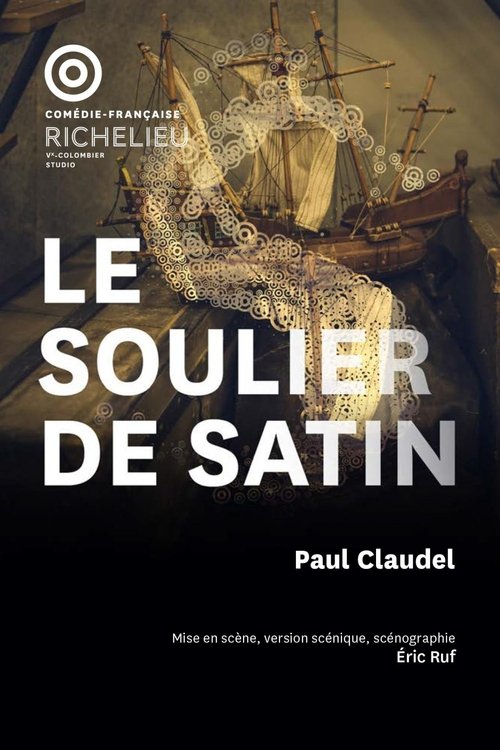
Video recording of the stage play "Le Soulier de Satin", played by La Comédie-Française at Paris during the 2024-2025 season, and directed for the stage by Eric Ruf. The play was recorded by Arnaud Desplechin.
Le Soulier de Satin

Sarah Maldoror observes a stage production of Paul Claudel’s The Hostage at the Théâtre de la Comédie in Reims.
Claudel in Reims

A staging of Paul Claudel's play "L'Annonce faite à Marie" by Yves Beaunesne.
L'Annonce faite à Marie

A staging of Paul Claudel's play "Partage de Midi" by Antoine Vitez.
Partage de midi

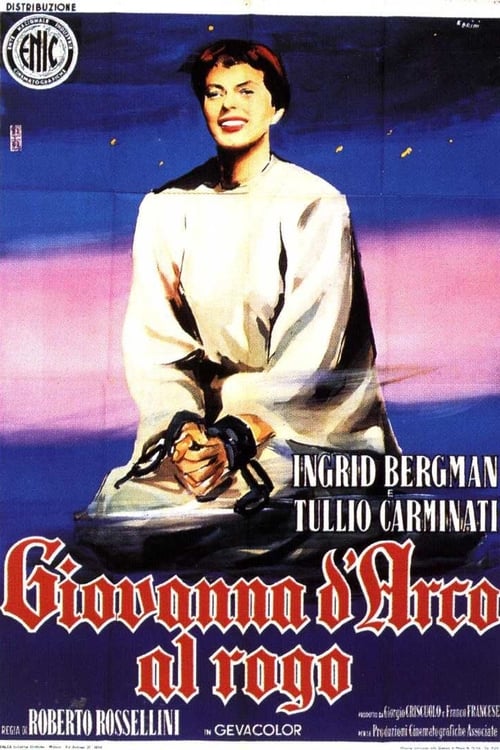
Joan of Arc reflects on her life via flashbacks during the final moments of her life.
Jeanne d'Arc på bålet

No description available.
Le Soulier de Satin

A staging of Paul Claudel's play "The Satin Slipper" by Olivier Py.