Acting
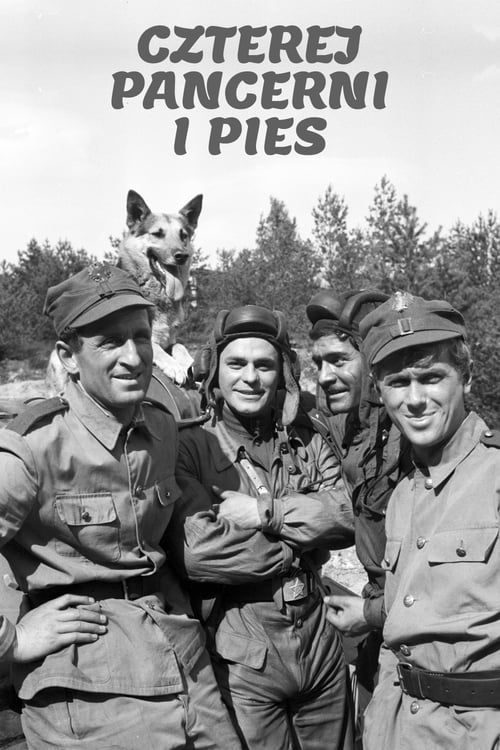
Czterej pancerni i pies was a Polish black and white TV series based on the book by Janusz Przymanowski. Made between 1966 and 1970, the series is composed of 21 episodes of 55 minutes each, divided into three seasons. It is set in 1944 and 1945, during World War II, and follows the adventures of a tank crew and their T-34 tank in the 1st Polish Army. Although both the book and the TV series contain elements of pro-Soviet propaganda, they have achieved and retain a cult series status in Poland, Soviet Union and other Eastern Bloc countries. The T-34 tank Rudy with the identifying number "102", a German Shepherd dog from Siberia Szarik and to a lesser extent the crew Jan Kos, Gustaw Jeleń, Grigorij Saakaszwili, Tomasz Czereśniak, and their commander and mentor Olgierd Jarosz, as well as other heroes of the series, have become icons in Polish popular culture.
Series based on the stories of Jarosław Iwaszkiewicz “Młyn nad Utrata” (1936), “Młyn nad Lutyniu” (1946) and “Młyn nad Kamienna” (1950). The action of the miniseries takes place from 1928 to the 1950s.
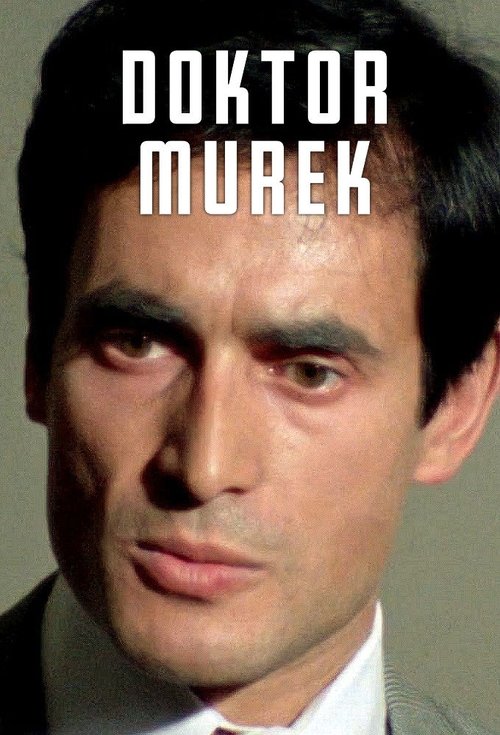
The story of the ups and downs of the magistrate Franciszek Murek. After losing his state job, the protagonist assumes the identity of a foreigner Franz Klamma and makes a career in the aristocratic salons of Warsaw as a master of occultism.
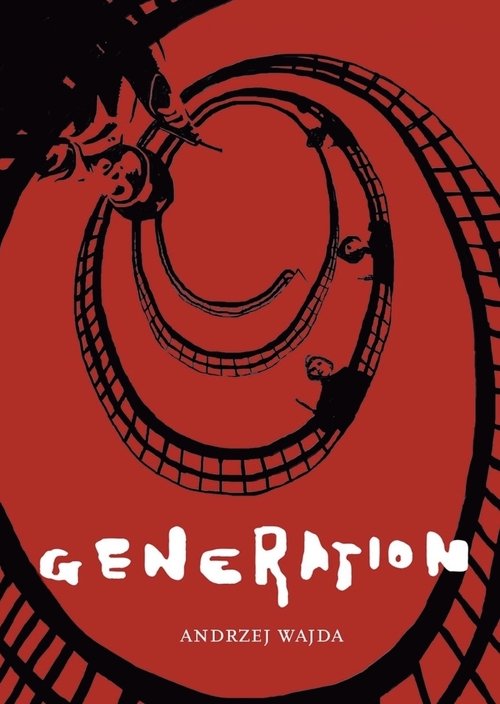
Stach is a wayward teen living in squalor on the outskirts of Nazi-occupied Warsaw. Guided by an avuncular Communist organizer, he is introduced to the underground resistance—and to the beautiful Dorota. Soon he is engaged in dangerous efforts to fight oppression and indignity, maturing as he assumes responsibility for others’ lives.
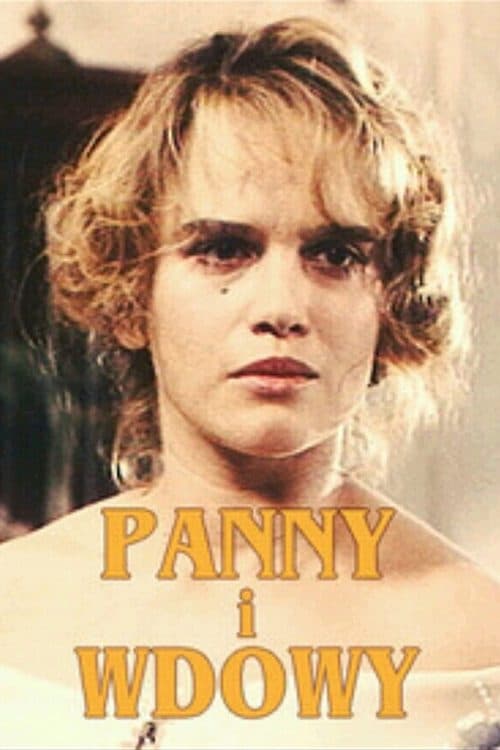
An epic tale of a hundred years of Polish history from the perspective of women, the titular maidens and widows. Set against the backdrop of turbulent historical events.
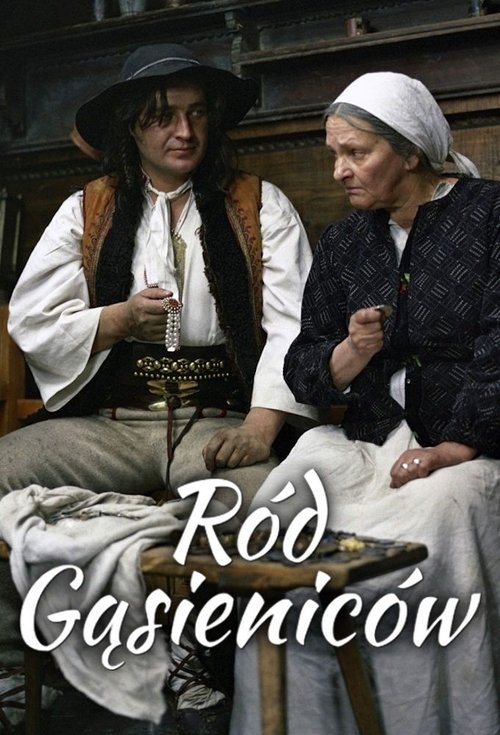
The series is a picture of the formation of the Zakopane community and the entire Podhale region, seen through the prism of historical and socio-economic changes over the years 1825-1918. The plot of the episodes shows: events of social and historical importance on the symbolic example of a highlander family - the Gąsienica family; and "human" matters - the great ones, such as love, death, murder, and the ordinary, everyday ones, such as work, struggle for existence, entertainment and fun.
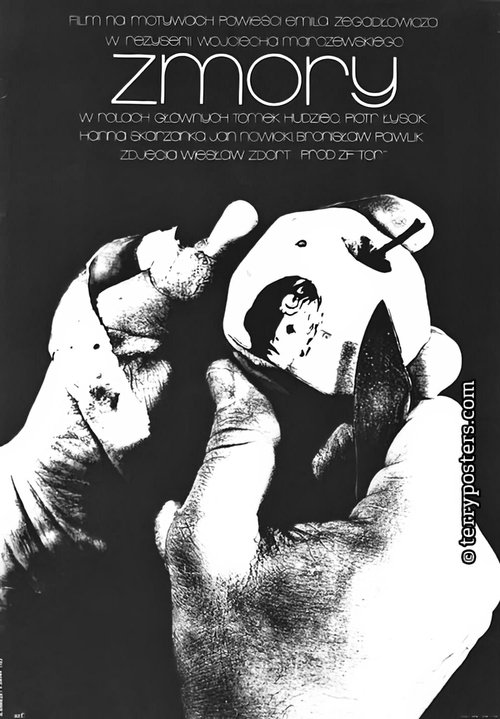
The series presents an original, non-didactic view of rural Poland during the Nazi occupation, rejecting stereotypes about ubiquitous wartime heroism, sacrifice, and martyrdom. It is a record of a "war-torn" state of consciousness, a drama of lost people who sink into ever greater degradation.
Set before the first World War in part of Poland under Austrian occupation, the story of a young boy in primary school who later grows up to become a rebellious, poetic-minded teen in the same school when the national movement toward liberation is under way. The story of a country where church and state work together to suppress the human spirit.
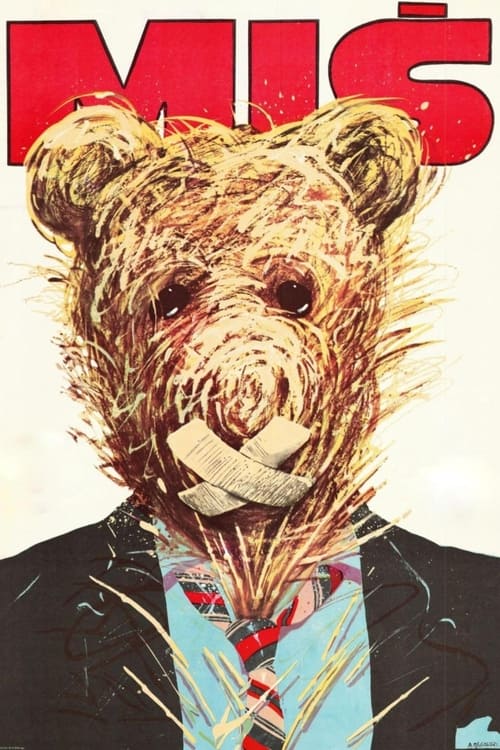
En route to London, Bear discovers at the border checkpoint that his passport is missing a few pages, which may prevent him from traveling to the city with the sports team he manages.
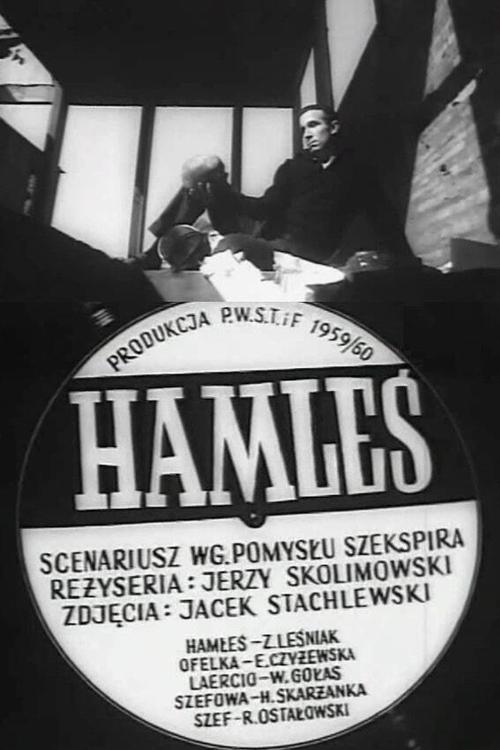
Hamlet suspects his uncle has murdered his father to claim the throne of Denmark and the hand of Hamlet's mother, but the prince cannot decide whether or not he should take vengeance.
Shortly after World War II an American soldier (Norman) and a Polish refugee (Emilia) fall in love. Eventually he will return to the U.S. and both expect that she will soon follow him with her mother. Emilia's mother is sick, but will recover with the right medicine. But the mother, and not Emilia, knows that there will only be one ticket...
Karol lives alone in the forester's lodge. Unexpectedly, he is visited by his mother whom he has not seen for years.
The story takes place before World War II and centers on Pawel, a member of a conservative, middle-class family, and his love for Lidka, a taxi dancer. Social conventions and the lovers' inability to defy those forces Pawel and Lidka benefit. Times change, war breaks out, leading to Pawel sent to Auschwitz while Lidka marry his cousin. Their love has survived and conventions are no longer the issue.
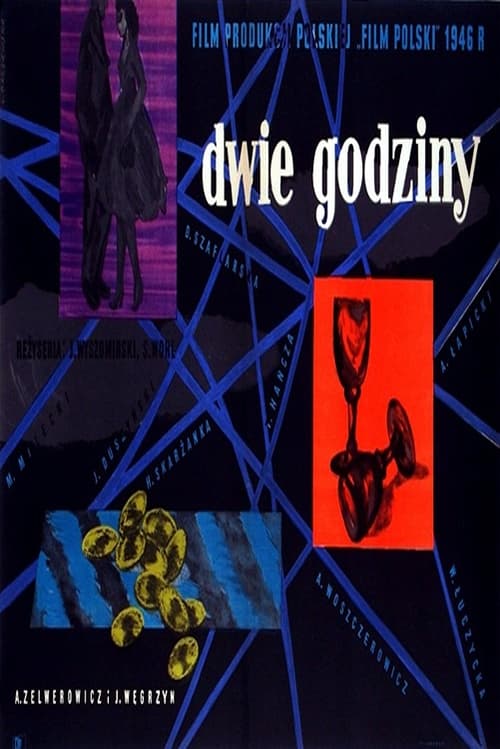
Follows the lives of people shortly after World War 2 as they try to adjust to their new lives. Completed in 1946, it was banned from release by the communist government of Poland until 1957 in edited form.
A young landowner, Michal Rajecki, falls in love with a beautiful country girl, Warszulka, with reciprocity. During one of their trysts, Rajecki gives the girl hope for a future together. Eventually, however, he begins to realize that a misalliance would cost him too much. He follows his friend's advice and tells the girl to accept the proposal of the peasant who is trying to get her. When he begins to realize that he has made a mistake, it is too late.
Set at the turn of the century, the story concerns a Polish poet living in Cracow who has decided to marry a peasant girl. The wedding is attended by a heterogenous group of people from all strata of Polish society, who dance, get drunk and lament Poland's 100-year-long division under Russia, Prussia, and Austria. The bridegroom, a painter friend, and a journalist each in turn is confronted with spectres of Polish past.
An Uruguayan diplomat brings his new wife with him on a business trip to Poland in the summer immediately preceding the outbreak of World War II.
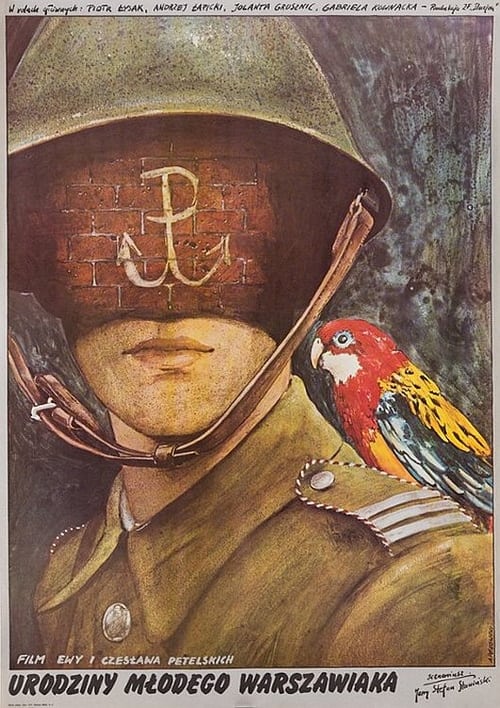
The four sequences in the film cover four days in a life of young Warsaw lad in September 1938, 1939, 1943 and 1944. In the first sequence Jurek decides not to study in the Sorbonne but enlists in a Polish military school instead. In the second sequence the war starts and Warsaw is occupied. In the third sequence he works in the underground resistance. The final sequence takes place during the Warsaw uprising.
In war-ravaged Warsaw, five juvenile delinquents are given probation for stealing, to rehabilitate themselves, but remain under the influence of their profiteer-boss.
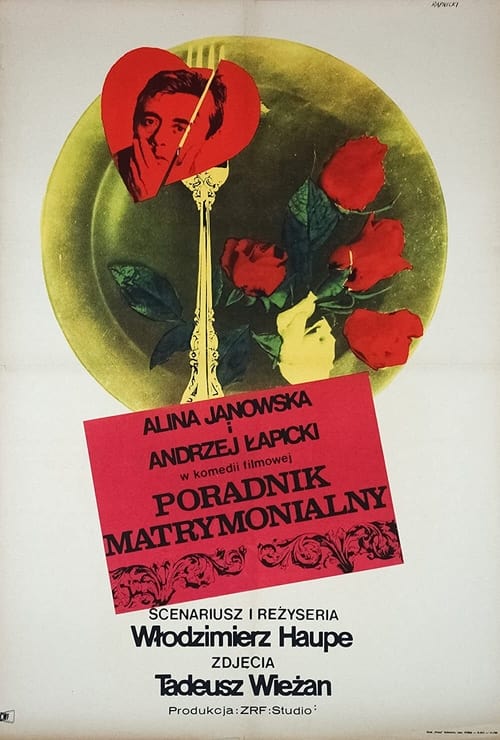
Roksana is the editor of the heart advice section of a widely read magazine. Her problem is the handsome and loving husband Bogumił. The man was taken to the hospital, where he is looked after by his sister Krystyna.