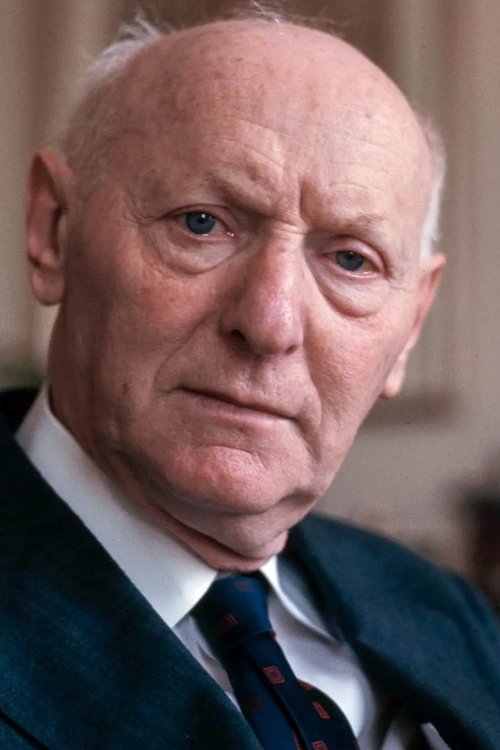
Isaac Bashevis Singer
Writing
Biography
Isaac Bashevis Singer (Yiddish: יצחק באַשעװיס זינגער; November 11, 1903 – July 24, 1991) was a Polish-born Jewish-American novelist, short-story writer, memoirist, essayist, and translator. Some of his works were adapted for the theater. He wrote and published first in Yiddish and later translated his own works into English with the help of editors and collaborators. He was awarded the Nobel Prize for Literature in 1978. A leading figure in the Yiddish literary movement, he was awarded two U.S. National Book Awards, one in Children's Literature for his memoir A Day of Pleasure: Stories of a Boy Growing Up in Warsaw (1970) and one in Fiction for his collection A Crown of Feathers and Other Stories (1974). Isaac Bashevis Singer was born in 1903 to a Jewish family in Leoncin village near Warsaw, Poland. The Polish form of his birth name was Icek Hersz Zynger. The exact date of his birth is uncertain, but most sources say it was probably November 11, a date similar to the one that Singer gave to his official biographer Paul Kresh, his secretary Dvorah Telushkin, and Rabbi William Berkowitz. The year 1903 is consistent with the historical events that his brother refers to in their childhood memoirs, including the death of Theodor Herzl. The often-quoted birth date, July 14, 1904 was made up by the author in his youth, possibly to make himself younger to avoid the draft. His father was a Hasidic rabbi and his mother, Bathsheba, was the daughter of the rabbi of Biłgoraj. Singer later used her first name in an initial literary pseudonym, Izaak Baszewis, which he later expanded. Both his older siblings, sister Esther Kreitman (1891–1954) and brother Israel Joshua Singer (1893–1944), became writers as well. Esther was the first of the family to write stories. The family moved to the court of the Rabbi of Radzymin in 1907, where his father became head of the Yeshiva. After the Yeshiva building burned down in 1908, the family moved to Warsaw, a flat at Krochmalna Street 10. In the spring of 1914, the Singers moved to No. 12. The street where Singer grew up was located in the impoverished, Yiddish-speaking Jewish quarter of Warsaw. There his father served as a rabbi, and was called on to be a judge, arbitrator, religious authority and spiritual leader in the Jewish community. The unique atmosphere of pre-war Krochmalna Street can be found both in the collection of Varshavsky-stories, which tell stories from Singer's childhood, as well as in those novels and stories which take place in pre-war Warsaw. ... Source: Article "Isaac Bashevis Singer" from Wikipedia in English, licensed under CC-BY-SA 3.0.
Known For
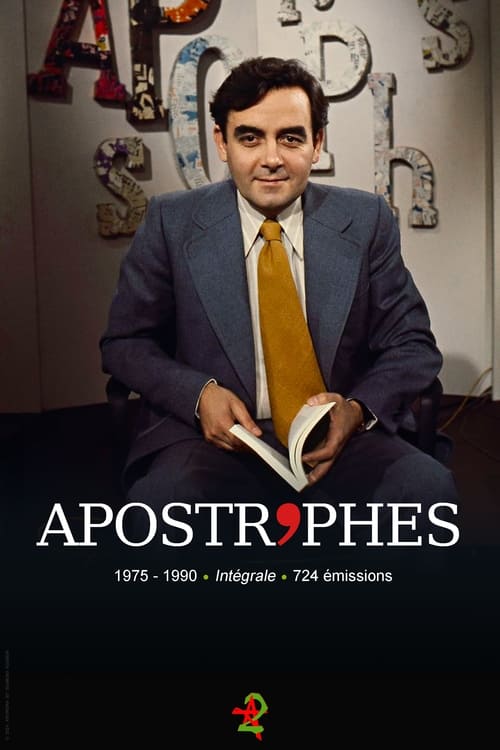
Apostrophes was a live, weekly, literary, prime-time, talk show on French television created and hosted by Bernard Pivot. It ran for fifteen years (724 episodes) from January 10, 1975, to June 22, 1990, and was one of the most watched shows on French television (around 6 million regular viewers). It was broadcast on Friday nights on the channel France 2 (which was called "Antenne 2" from 1975 to 1992). The hourlong show was devoted to books, authors and literature. The format varied between one-on-one interviews with a single author and open discussions between four or five authors.
Apostrophes

A one-hour anthology television series of one-off contemporary and classic dramas produced by the BBC.
Playhouse
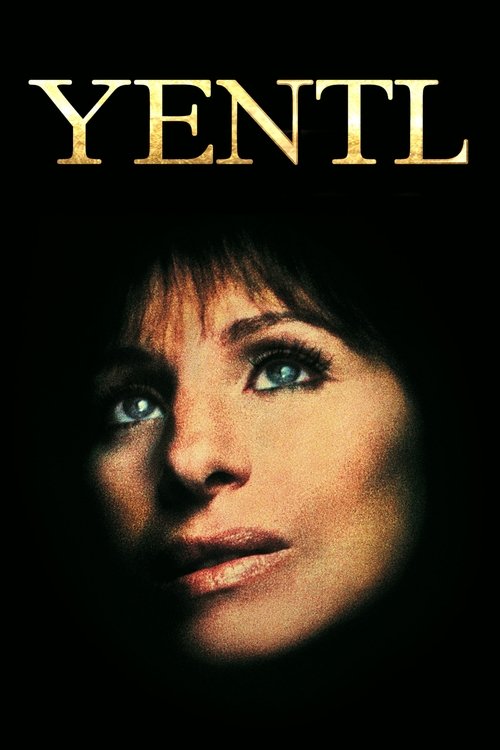
In a time when girls were forbidden to study religious scriptures, a Jewish girl masquerades as a boy to enter religious training and unexpectedly finds love along the way.
Yentl
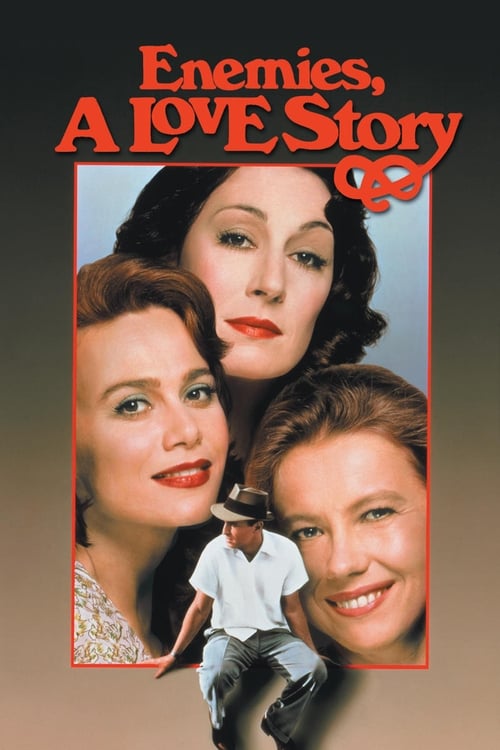
A ghostwriter finds himself romantically involved with his current wife, a married woman and his long-vanished wife.
Enemies, a Love Story
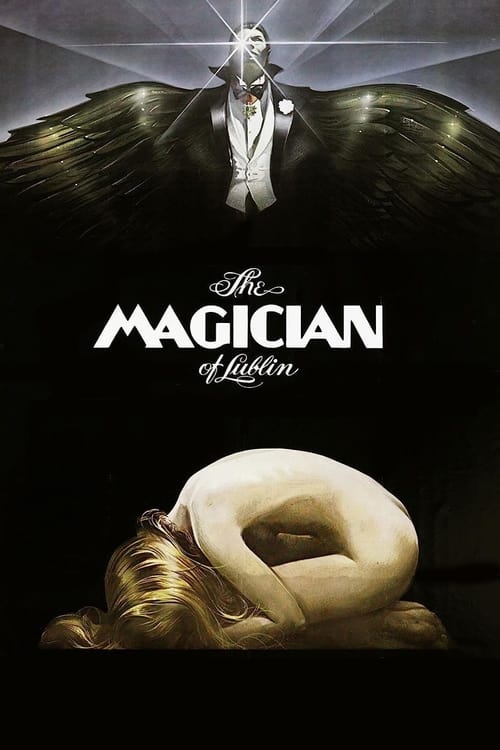
Yasha is a Jewish stage magician who tours through eastern Europe while destroying his career through personal problems. He has one more chance at theatrical success, but he needs to do a brand new trick in a Warsaw theater.
The Magician of Lublin
An eccentric Jewish writer is drawn into the world of an apparantly delusional young woman and her invalid father
The Cafeteria

Though approaching his eighties, Max Kohn shows no signs of slowing down. He pursues his love life - both real and imagined - with youthful vigor, thereby risking his relationship to Reisel, the woman he loves but neglects. LOVE COMES LATELY is a film about real and imagined longings, the never ending dream of love and the power of fiction.
Love Comes Lately

Bendel is known for his practical jokes and his self-confidence. But when Dr Walden, one of his victims. takes him seriously, trouble ensues.
The Joke
Anectdotal portrait of the famed author.
Isaac in America: A Journey with Isaac Bashevis Singer
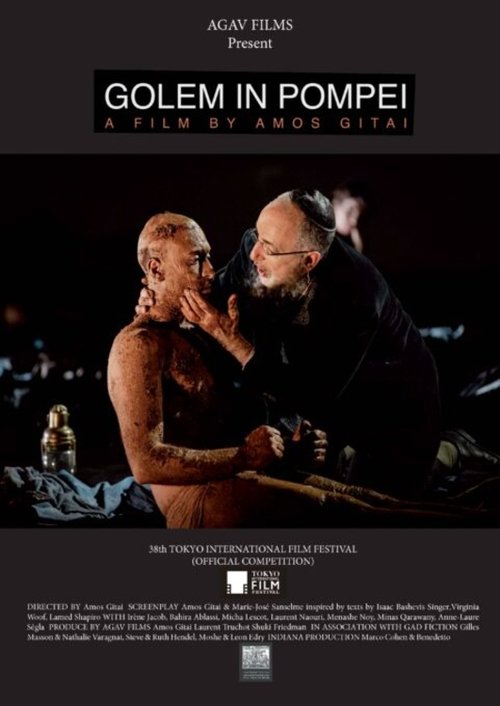
The film documents Amos Gitai's play "Golem" at the ancient theater in Pompeii, combined with fictional scenes. Within the historical narrative, themes resonating with the contemporary world emerge.
Golem in Pompei
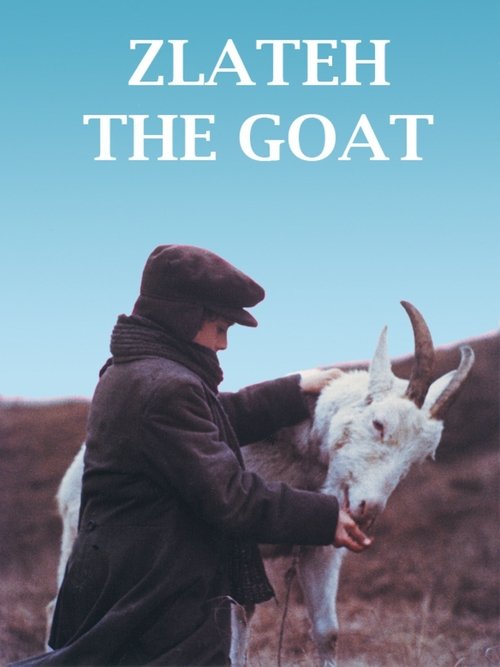
With the holiday season approaching, poor Reuven, the furrier, has no recourse but to sell the family's beloved goat for supplies. But Aaron has other ideas!
Zlateh the Goat
About an unsuccessful writer, Bendit Pupko, married to a woman with a thick beard. Pupko turned from writing to real estate and made a fortune. Singer's nightmare occurred after Pupko's death, when Mrs . Pupko, still bearded, appeared and blamed Singer's lack of faith in Pupko's writing for her husband's demise.