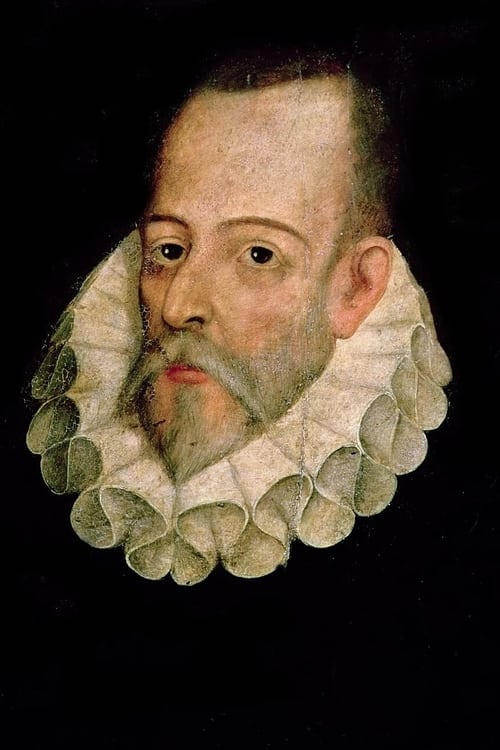
Miguel de Cervantes
Writing
Biography
Miguel de Cervantes Saavedra (Spanish: [miˈɣel de θeɾˈβantes saaˈβeðɾa]; 29 September 1547 (assumed) – 22 April 1616 NS) was a Spanish writer widely regarded as the greatest writer in the Spanish language and one of the world's pre-eminent novelists. He is best known for his novel Don Quixote, a work often cited as both the first modern novel and one of the pinnacles of world literature. Much of his life was spent in poverty and obscurity, while the bulk of his surviving work was produced in the three years preceding his death, when he was supported by the Count of Lemos and did not have to work. Despite this, his influence and literary contribution are reflected by the fact that Spanish is often referred to as "the language of Cervantes". In 1569, Cervantes was forced to leave Spain and move to Rome, where he worked in the household of a cardinal. In 1570, he enlisted in a Spanish Navy infantry regiment, and was badly wounded at the Battle of Lepanto in October 1571. He served as a soldier until 1575, when he was captured by Barbary pirates; after five years in captivity, he was ransomed, and returned to Madrid. His first significant novel, titled La Galatea, was published in 1585, but he continued to work as a purchasing agent, and later as government tax collector. Part One of Don Quixote was published in 1605, and Part Two in 1615. Other works include the 12 Novelas ejemplares (Exemplary Novels); a long poem, the Viaje del Parnaso (Journey to Parnassus); and Ocho comedias y ocho entremeses (Eight Plays and Eight Interludes). Los trabajos de Persiles y Sigismunda (The Travails of Persiles and Sigismunda), was published posthumously in 1616. Description above from the Wikipedia article Miguel de Cervantes, licensed under CC-BY-SA, full list of contributors on Wikipedia.
Known For

A BBC television anthology series featuring productions of classic and contemporary stage plays usually broadcast on BBC1. Each production featured a different work, often using prominent British stage actors in the leading roles. The series was transmitted from October 1965 to September 1983.
BBC Play of the Month

Brava Gente was a television series aired by TV Globo in Brazil between 2000 and 2003, initially as a special year-end. The program was adapted from stories and national stories, and plays by famous playwrights, screenwriters and signed by a number represented by several actors and actresses. The genres of the stories varied each week with the style of each director or author. Brava Gente in the stories ranged from comedies and dramas. In all 53 episodes were shown, broadcast on Tuesday nights.
Brava Gente
A group of comedians who travel from village to village witness the old traditions of rural Spain.
Les Anges exterminés
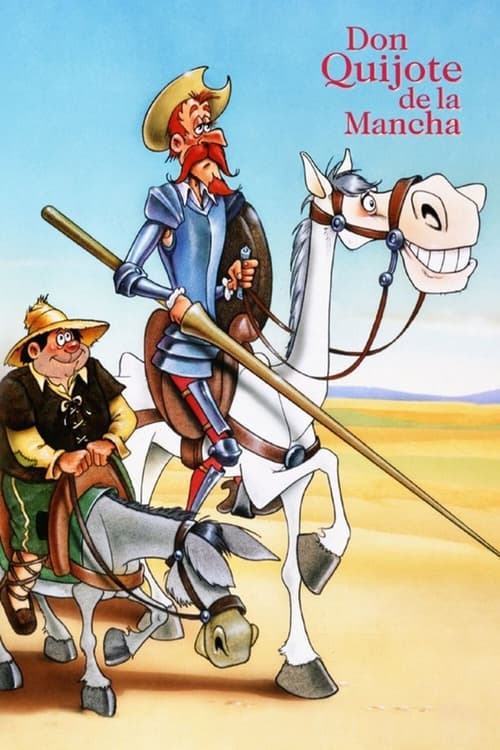
No description available.
Don Quijote de la Mancha
Toby, a cynical film director finds himself trapped in the outrageous delusions of an old Spanish shoe-maker who believes himself to be Don Quixote. In the course of their comic and increasingly surreal adventures, Toby is forced to confront the tragic repercussions of a film he made in his idealistic youth.
The Man Who Killed Don Quixote
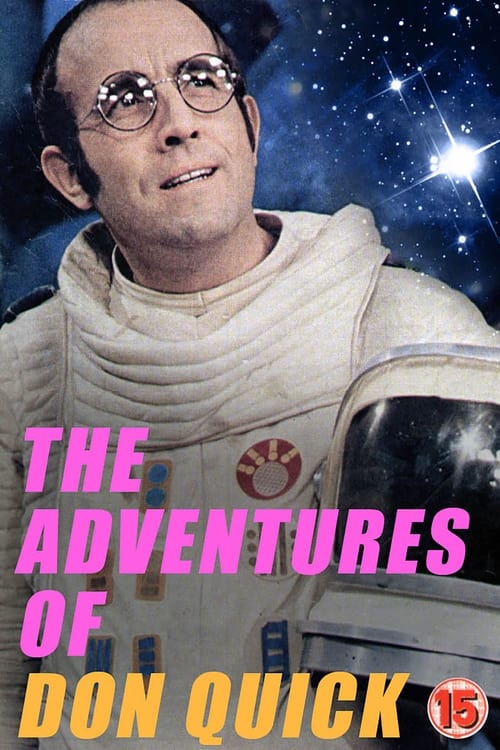
The Adventures of Don Quick is a science fiction comedy television series broadcast from October–December 1970, on ITV. Starring Ian Hendry and Ronald Lacey, six 50 minute episodes were made, shown in a 60 minute time slot. Based on the characters of Don Quixote, astronaut Captain Don Quick and Sergeant Sam Czopanser (i.e. "Sancho Panza") are members of the Intergalactic Maintenance Squad. On each planet they visit, Quick attempts to right imaginary wrongs, often upsetting the inhabitants of whatever society he's in. As of 2008, only the first episode exists, the other five are now missing. A technologically impressive 30 foot model spaceship was built in the studio for the series. However the first three episodes in a primetime slot failed to draw the required ratings so the last three were in a much later slot before the show was cancelled.
The Adventures of Don Quick
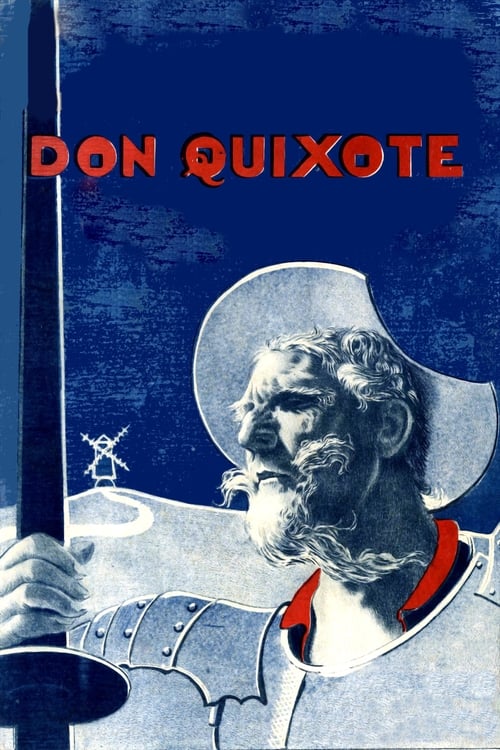
Inflamed by his readings of chivalric novels, Don Quixote, a knight with a sad face, accompanied by Sancho Panza, a peasant steeped in common sense, decides to set off across the world in search of improbable adventures.
Don Quixote
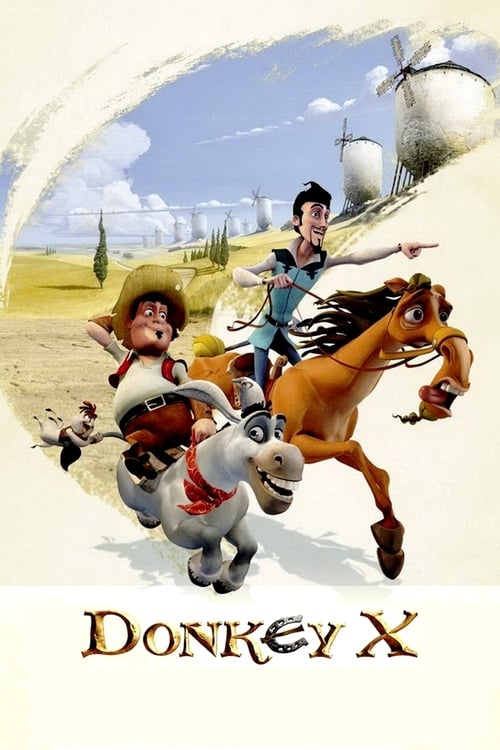
The donkey, Rucio, tells the true story of Don Quixote and defends the idea that he wasn't insane, but a very intelligent, passionate and enthusiastic fellow.
Donkey X

Adapted from the work of Miguel de Cervantes, this is the story of a hidalgo, fanatic for chivalry novels, who loses his sanity and believing to be a knight named Don Quixote de La Mancha, decides to go on imaginary adventures along with his friend, the simple farmer Sancho Panza, who becomes his squire. On their journeys, they rescue dames in distress in honorable acts and fight giants among other perils, with Don longing to be with the love of his life, lady Dulcinea, and Sancho waiting to be rewarded with an island where he's about to become a governor.
Don Quixote
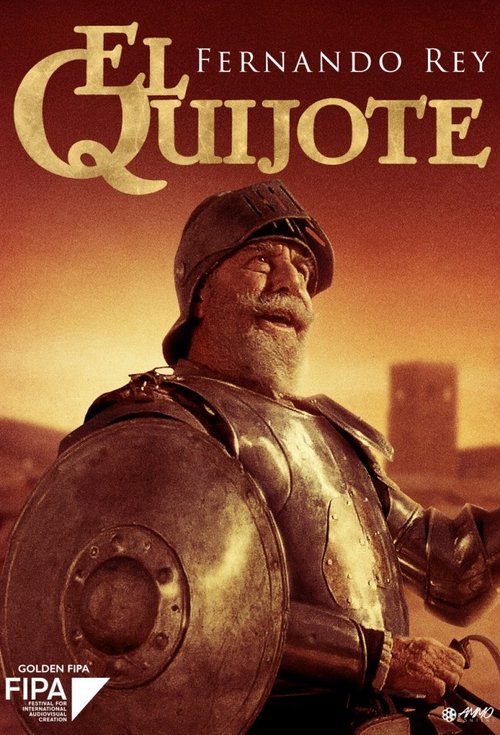
Miniseries version of the first half of Cervantes' famous novel.
Don Quijote de la Mancha
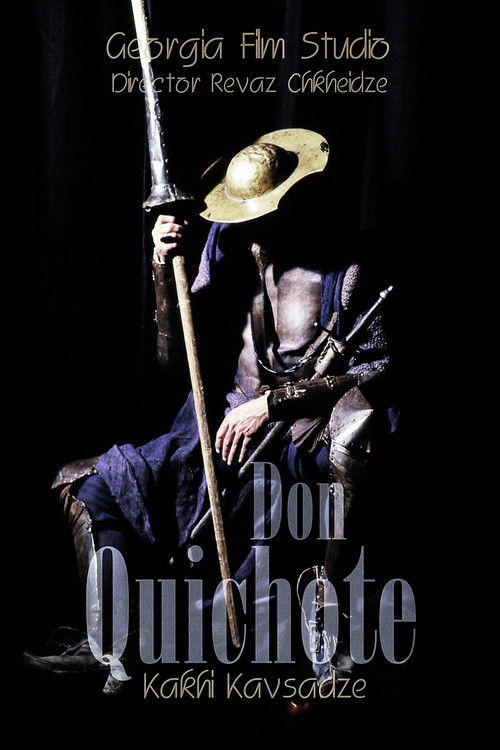
A self-proclaimed "knight" and his hapless squire travel the Spanish countryside, attacking "giants" that are really windmills in his attempt to win the love of the fair Dulcinea. The film's title is taken from the book of the same name by Miguel Unamuno.
Life of Don Quichote and Sancho
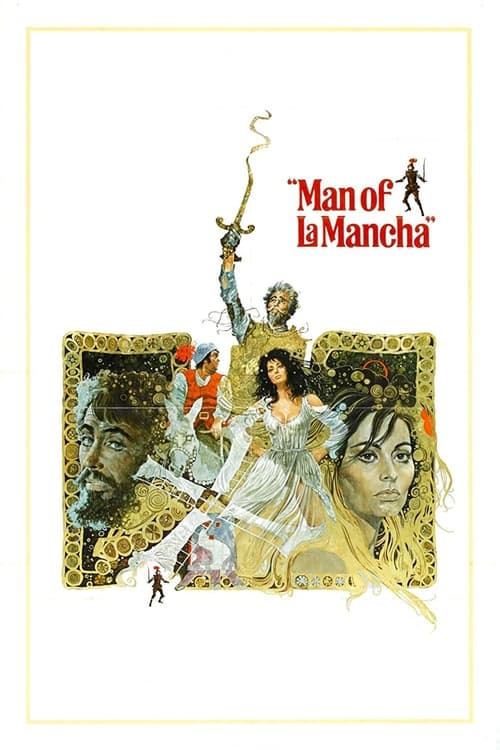
In the 16th century, poet, playwright and part-time actor Miguel de Cervantes has been arrested, together with his manservant, by the Spanish Inquisition. They're accused of presenting an entertainment offensive to the Inquisition. Inside the huge dungeon into which they have been cast, the other inmates gang up on Cervantes and his manservant, staging a mock trial, with the intention of stealing or burning his possessions. Cervantes wishes to desperately save a manuscript he carries with him and stages, with costumes, makeup, and the participation of the other prisoners, an unusual defense—the story of Don Quixote.
Man of La Mancha
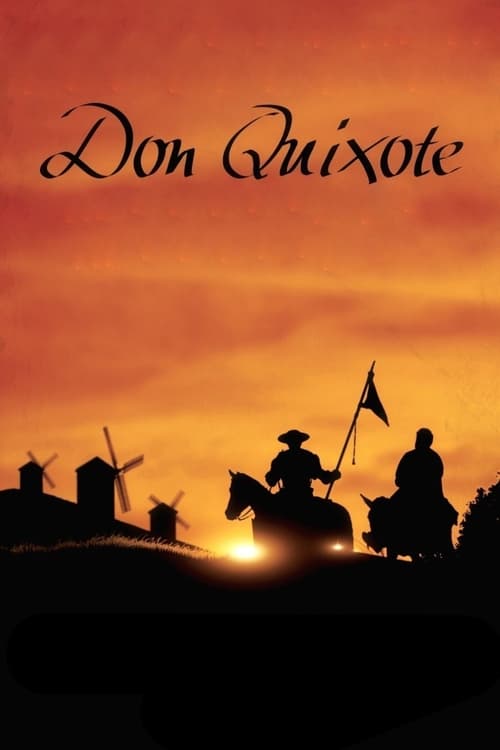
With his noble squire by his side, a retired country gentleman sets out on an adventure to right the wrongs of the world.
Don Quixote: The Ingenious Gentleman of La Mancha
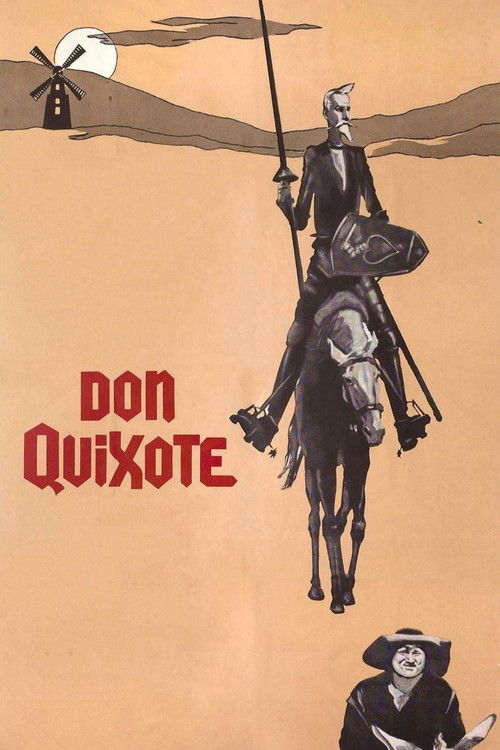
Senor Quexana has read so many books on chivalry that he believes that he is the knight Don Quixote de la Mancha. So Don Quixote sets off on his horse, accompanied by his squire Sancho Panza on a mule, to perform valiant deeds. They mistakenly save the Lady Altisidora who is so amused that she invites them to visit the Duke to provide some merriment at court. Among other deeds, Don Quixote frees some prisoners, who then turn upon him, and Don Quixote attacks a windmill that he imagines is a monstrous wizard.
Don Quixote
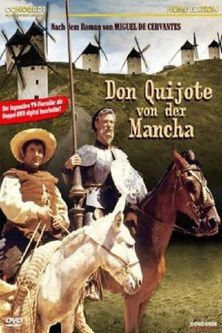
Confused by tales of knights and their glorious deeds, Don Alonso, as Don Quixote de la Mancha, sets out fearlessly as a knight-errant with his friend and faithful squire Sancho Panza to accomplish great things. With rickety armor and a barber's basin for a helmet, he fights windmills, mistakes washerwomen for princesses, and monks for evil sorcerers. While Don Quixote dedicates all his deeds and the entire glory of his lady love, the most beautiful maiden Dulcinea, he contributes to the amusement of all involved.
Don Quijote von der Mancha
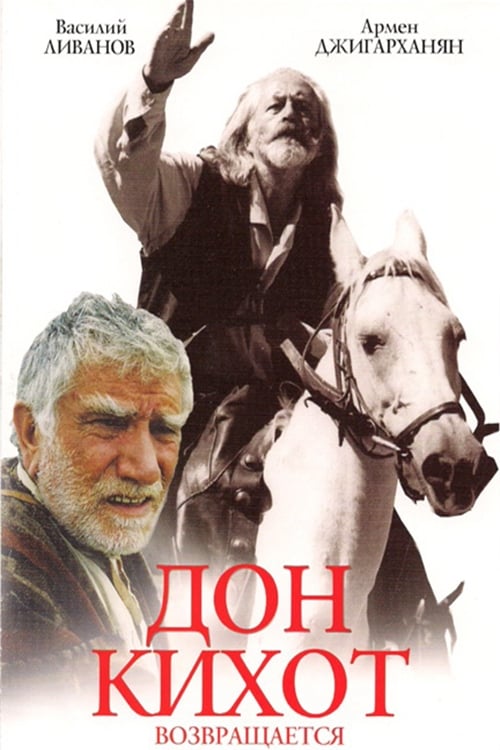
Spain, XVII century. Elderly eccentric Don Quihan dreams of romance about knights and exploits. Everyone around him considers the old man crazy, only the shepherd Sancho Panse sincerely believed in the noble impulses of Don Kihano. One night, Don Quihano decides to realize his dream and escape from the city. “Don Quixote Returns” is an adventure comedy based on the novel “The Cunning Hidalgo Don Quixote of La Mancha” by Miguel Cervantes.
Don Quixote Returns
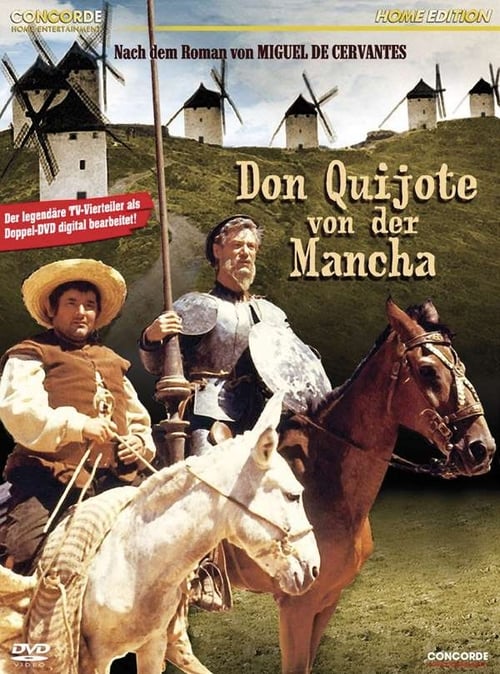
No description available.
Don Quijote
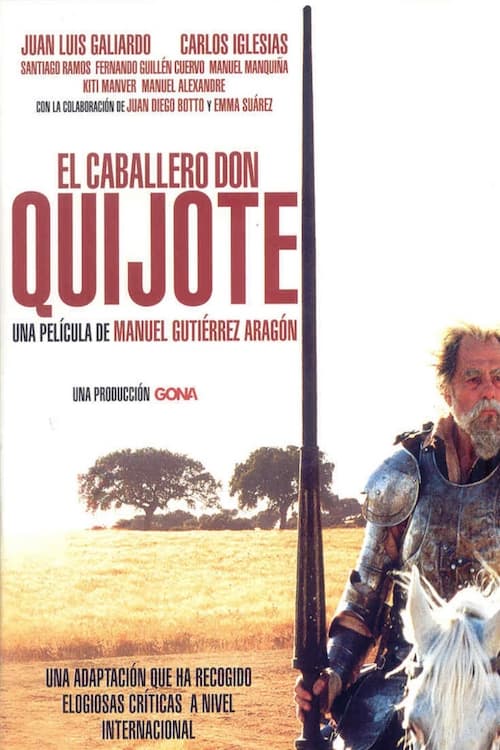
After an old soldier named Miguel de Cervantes (1547-1616) wrote the adventures of Don Quixote and Sancho Panza, the knight and his squire have become very popular. When he learns that the Turkish comes along the Mediterranean coast with a powerful army, Don Quixote will undertake, again opposed by his niece and his housekeeper, a new adventure that begins in La Mancha and ends on the coast.
Don Quixote, Knight Errant

A crotchety old ranch owner fights to be able to live his life the way he wants to, and not the way other people--and the law--tell him he has to.
Scandalous John
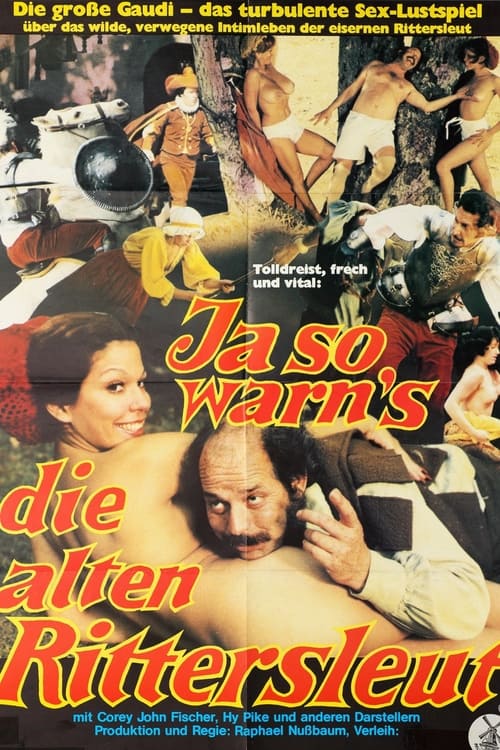
The film recounts the adventures of Don Quixote and Sanch Panza with love, music and eroticism.