Basil Wright
Directing
Biography
Basil Wright - was a documentary filmmaker, film historian, film critic and teacher. During World War II, Wright worked only as a producer, first at John Grierson's Film Centre before joining The Crown Film Unit between 1945 and 1946 as producer-in-charge. Among the best known films he produced for Crown are Humphrey Jennings' A Diary for Timothy (1946) and A Defeated People (1946) and Instruments of the Orchestra (1946) featuring Benjamin Britten's The Young Person's Guide to the Orchestra.[1] Returning to direction in the early 1950s, his films included Waters of Time (1951) made for the Festival of Britain, World Without End (1953) directed with Paul Rotha for UNESCO and Greece: The Immortal Land (1958) in collaboration with his friend the artist Michael Ayrton. Writing throughout the 30s and 40s, Basil Wright had contributed to the theoretical development of documentary in the movement's journals Cinema Quarterly, World Film News and Documentary Newsletter. He was the film critic for The Spectator after Graham Greene left. Wright was a regular contributor to the British Film Institute's Sight and Sound during the 1940s and '50s. He published a small book: The Uses of Film (1948) and his personal (extensive) history of cinema The Long View (1974). He taught at the University of Southern California (1962 and 1968), The National Film and Television School in London (1971–73) and Temple University in Philadelphia (1977–78). He was Governor of the British Film Institute, a fellow of the British Film Academy and President of the International Association of Documentary Filmmakers. In his films Wright combined an ability to look closely and carefully at a subject with a poetic and often experimental approach to editing and sound. In Britain he is commemorated with a film prize awarded biennially by the Royal Anthropological Institute.
Known For
Narrated by Eric Morecambe and Ernie Wise, this documentary is about "Laurel and Hardy", one of the most popular and critically acclaimed comedy double acts of the early Classical Hollywood era of American cinema. It features interviews with Jerry Lewis, Dick Van Dyke, Babe London, Marcel Marceau, Lucille Hardy (Ollie's wife), Bob Monkhouse, Hal Roach, Marvin T Hatley, Jack McCabe and many more.
Omnibus - Cuckoo: A Celebration of Mr. Laurel and Mr. Hardy
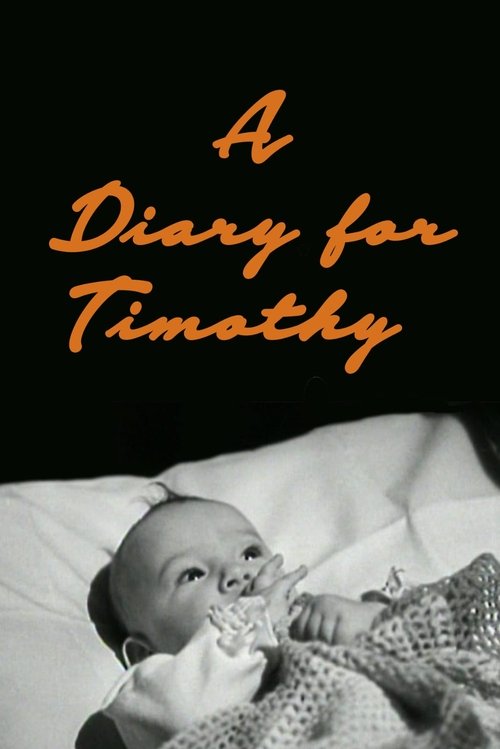
A narrator recounts the state of Great Britain near the end of WWII via a visual diary for the titular baby boy born in September 1944.
A Diary for Timothy
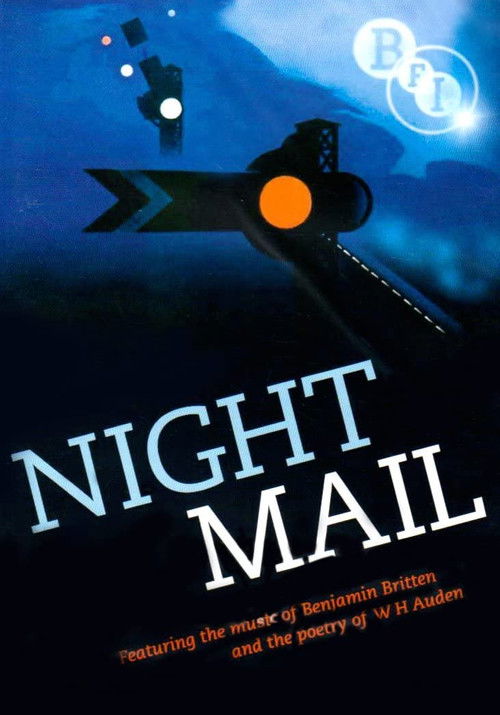
This documentary short examines the special train on which mail is sorted, dropped and collected on the run, and delivered in Scotland on the overnight run from Euston, London to Glasgow.
Night Mail
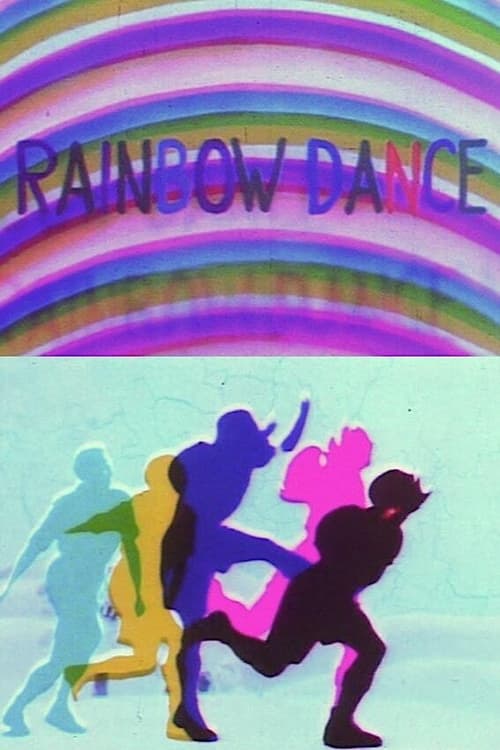
Rainbow Dance is a 1936 British animated film released by the GPO Film Unit. This is Lye's second film. It uses the Gasparcolor process.
Rainbow Dance
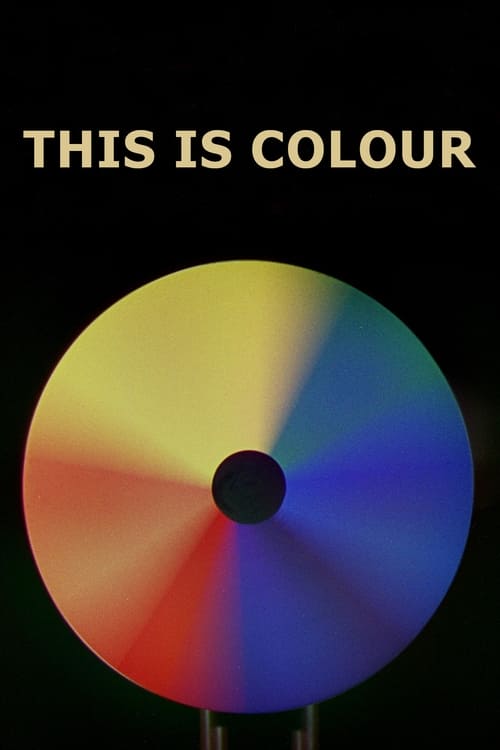
A short documentary to demonstrate what can be done with Technicolor film and to show various other colourful products.
This Is Colour

A doctor talks about the number of injuries and deaths resulting from automobile accidents.
It Might Be You
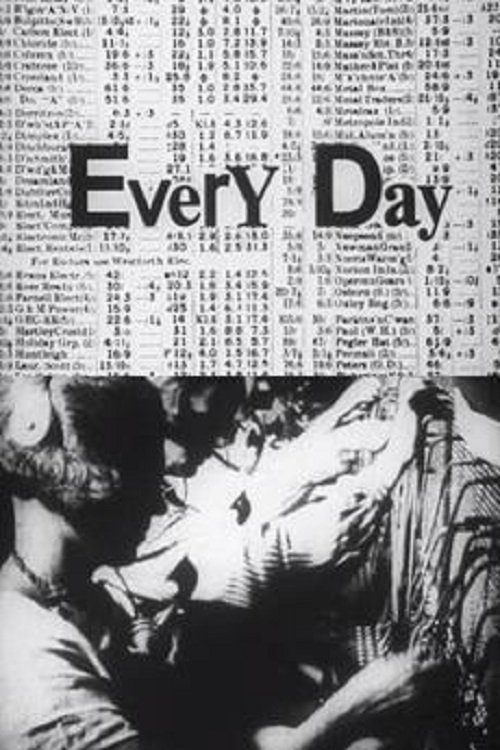
Experimental documentary focusing on a day in the life of city workers, featuring montage sequences and repetition to emphasise the monotony of routine office work.
Every Day
The film, made to advertise domestic telephone sets, is based around two very different families. The Petts are conventional, happy and have children; the Potts are unconventional and unhappy, without children.
Pett and Pott: A Fairy Story of the Suburbs
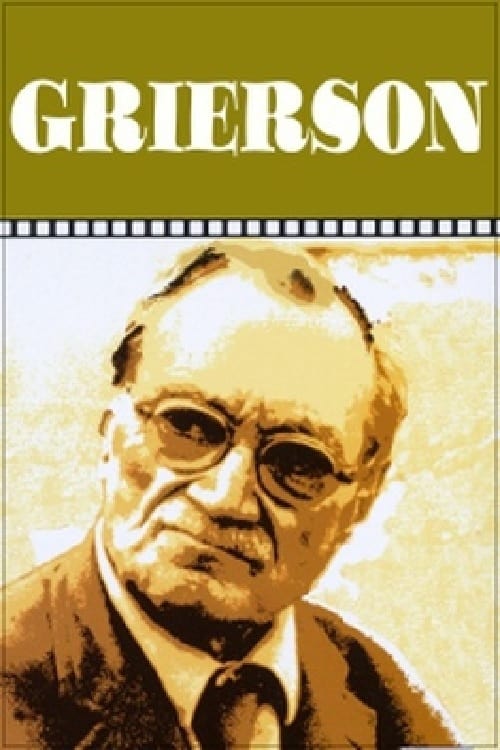
A portrait of John Grierson, the first Canadian Government Film Commissioner and founder of the National Film Board in 1939. Interweaving archival footage, interviews with people who knew him and footage of Grierson himself, this film is a sensitive and informative portrait of a dynamic man of vision. Grierson believed that the filmmaker had a social responsibility, and that film could help a society realize democratic ideals. His absolute faith in the value of capturing the drama of everyday life was to influence generations of filmmakers all over the world. In fact, he coined the term 'documentary film'.
Grierson

Grierson set out to make "propaganda," and this film--with it's voice-over proclaiming the great value of the British industrial worker, without a hint of ambiguity or doubt--fits that category well. The authoritatarian narrator feels out-of-date and unsophisticated, but the footage is well shot and interesting, and the transparency of the propaganda aspect is almost a reflief at a time when so many films have hidden agendas.
Industrial Britain
Focuses upon the journey of child refugees from the Basque Country to temporary accommodation near Southampton, Hampshire [England].
Modern Orphans of the Storm: The Story of the Refugee Basque Children
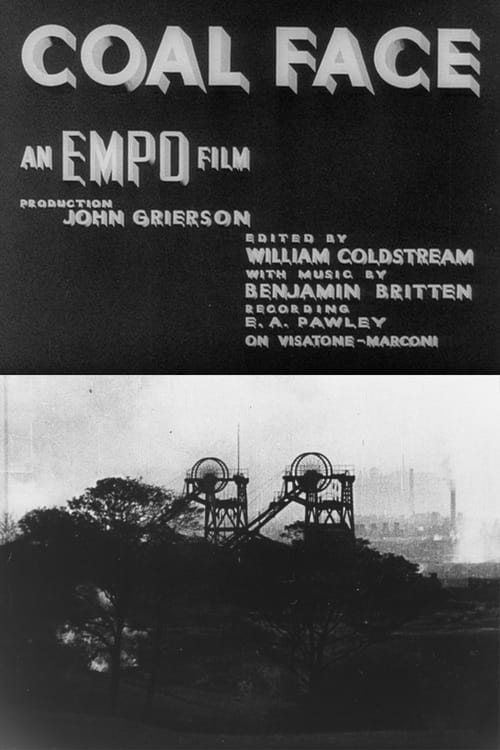
1935 documentary about the hard working life of Welsh coal miners.
Coal Face
Ancient Greece, contrasted with modern Greece.
The Immortal Land
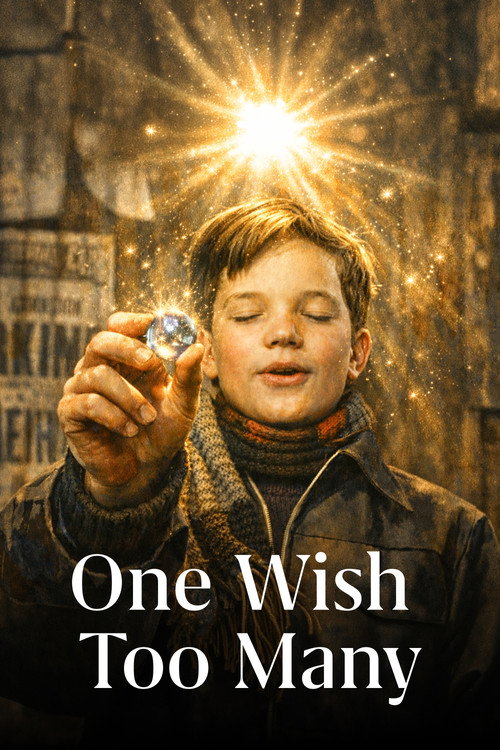
Peter and his friends find unexpected and exciting adventures when all their wishes are granted by a magic marble.
One Wish Too Many

Weiss’s classic B&W agitprop short made after his escape to London just ahead of the Nazis. He carried with him three reels of material for his unrealized film ‘Dvacet Let Svobody’ (‘Twenty Years of Freedom’) i.e. 20 years of the existence of independent Czechoslovakia from its 1918 founding to 1938 when the Munich Agreement dissolved it. In English with poetic narration written by C. Day-Lewis (father of Daniel Day-Lewis).
The Rape of Czechoslovakia

Ambitious documentary chronicling the cultural life and religious customs of the Sinhalese and the effects of advanced industrialism on such customs.
The Song of Ceylon
Propaganda short showing how London is coping with World War II.
London Scrapbook
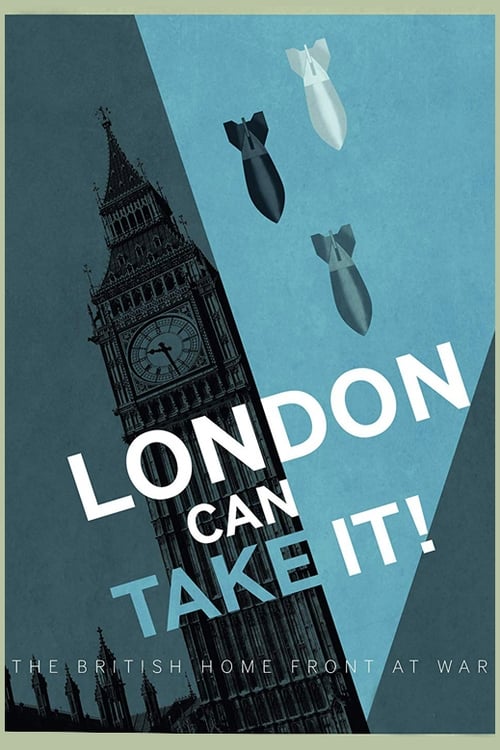
A tribute to the courage and resiliency of Britons during the darkest days of the London Blitz.
London Can Take It!
In a bid to encourage city-dwellers to leave behind the restrictions of war, 'The Green Girdle' escapes from the austere urban landscape of inner-city London and savours the natural delights of the capital’s rural surroundings.
The Green Girdle
A BAFTA award nominated documentary looking at an exhibition of Da Vinci's drawings at Burlington House in London, marking the quincentenary of his birth.