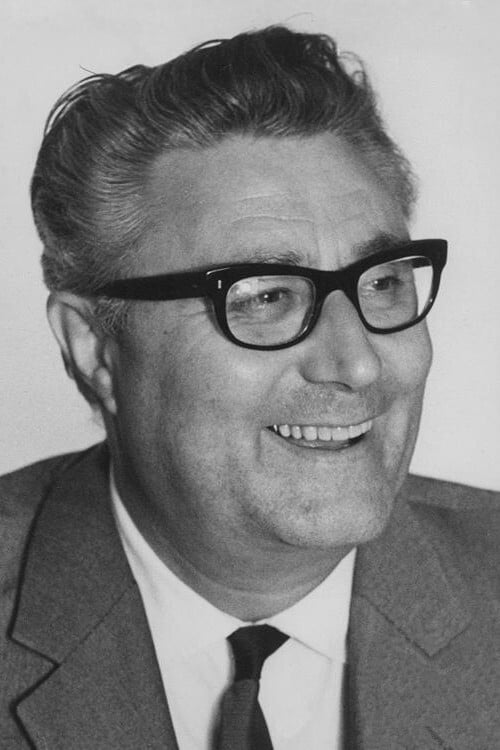
František Hanus
Acting
Known For
No description available.
Bakaláři
Arabela was a children's television series produced in Czechoslovakia which aired from 1979 to 1981. The series has 13 episodes and is in the Czech language.
Arabela
Thirty Cases of Major Zeman is a Czechoslovak action-drama television show intended as a political propaganda to support the official attitude of the communist party. The series were filmed in the 1970s. Each episode encompasses one year, and investigations are stylized to that year. Most are inspired by real cases. The series follows the life of police investigator Jan Zeman during his career from 1945 to 1975.
Thirty Cases of Major Zema
No description available.
Malý pitaval z velkého města
No description available.
Dobrodružství kriminalistiky
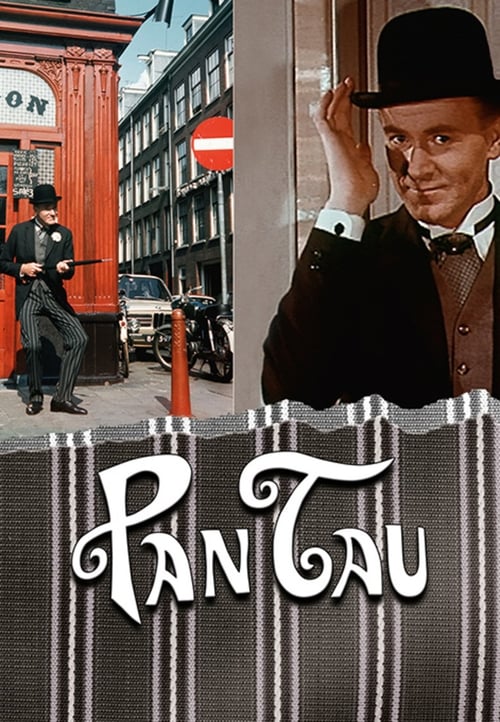
Pan Tau always had a gentle expression and a friendly smile, he was elegantly dressed in a stroller, with an umbrella and a white carnation in the lapel. Foremost, he was famous for his magic bowler hat. By tapping on his hat, Pan Tau was able to change his appearance into a puppet, to conjure up miscellaneous objects or to do other magic. His most characteristically behavior is that he would help children who were experiencing some sort of difficulties in-between their dreams and reality, like finding a place for skiing, settling family problems on Christmas, and even give a boy a good time at a fair when he is supposed to have piano lessons. To adults, he usually remained invisible.
Pan Tau
No description available.
Zirkus Humberto
No description available.
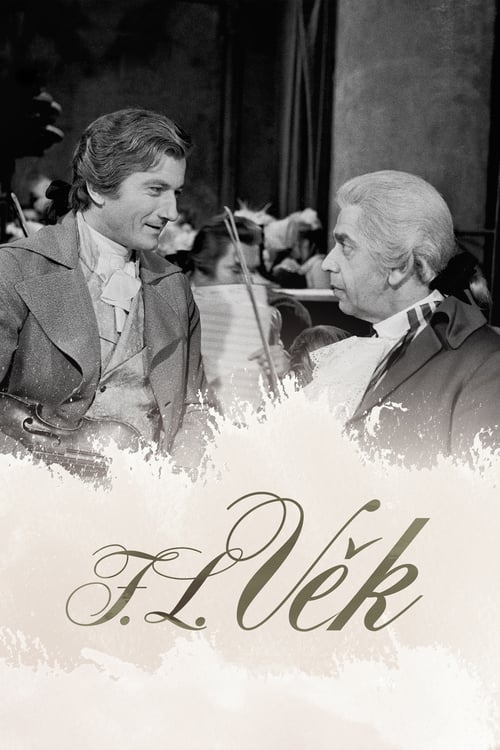
F. L. Věk
No description available.
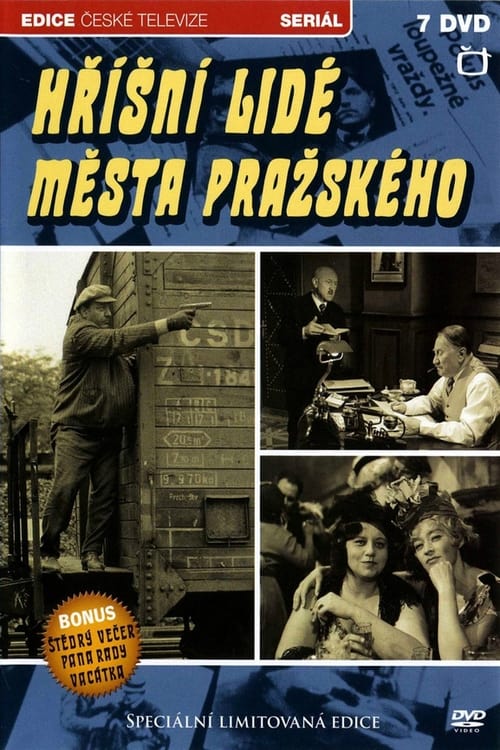
Hříšní lidé města pražského
No description available.
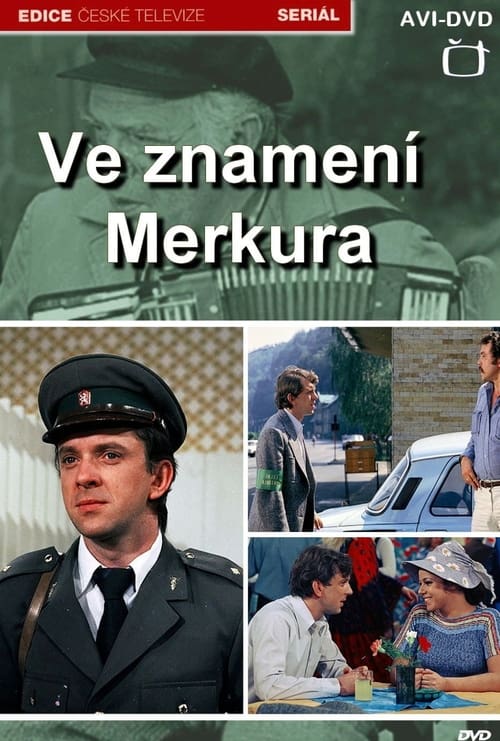
Ve znamení Merkura
No description available.
Dnes v jednom domě
No description available.
Nebezpečí smyku
No description available.
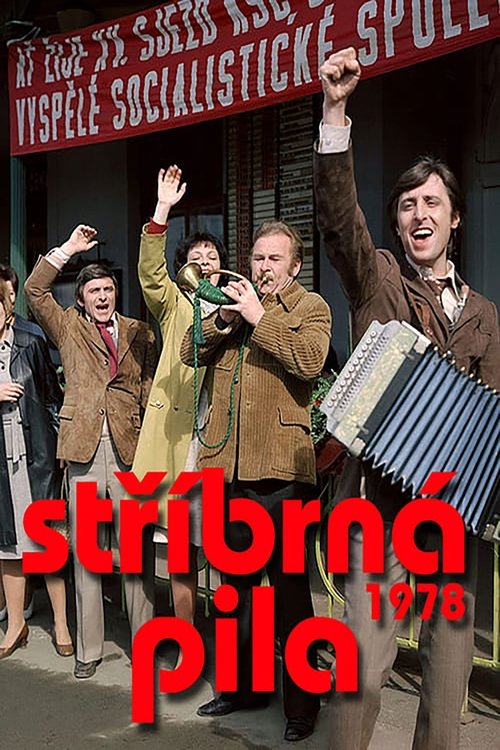
Stříbrná pila
No description available.
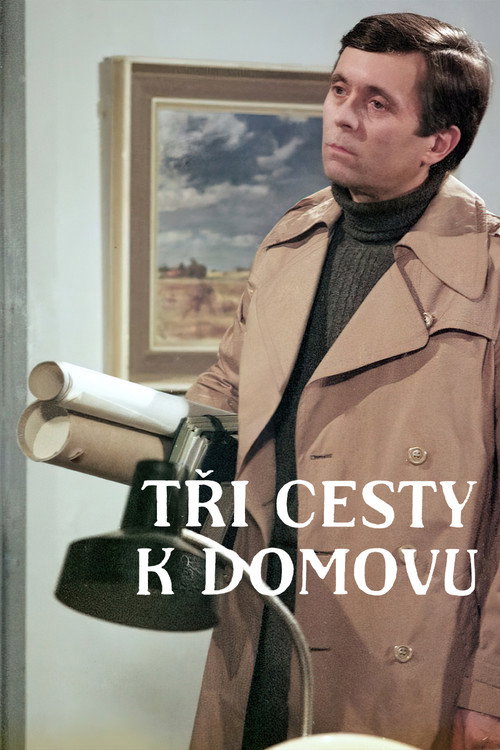
Tři cesty k domovu
No description available.
Tři chlapi v chalupě
A construction comedy about the labor struggle of two groups of workers in a Prague factory. The old group is led by the grinder Karhan, while the young group is led by his son. The struggle between the two groups leads to the emergence of socialist competition and cooperation, in which the old share their experience with the young, and the young share their new ideas.
Karhanova parta
No description available.
Úsměvné legendy o hradech a zámcích
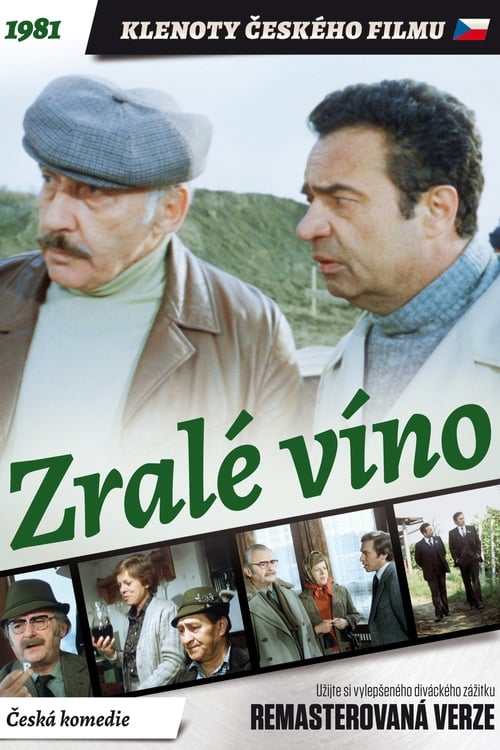
A loose sequel to the 1976 comedy Stormy Wine. The screenwriters and the director recreate on screen a number of characters from the South Moravian town of Pálavice, characterised by their different attitudes and approaches to work and private life. A number of serious issues touching on the times emerge around the story of the con man. The fundamental dispute between the vice-chairman Janák and the chairman of the merged cooperatives ing. Urban, as well as the satirical theme of illegal machinations and bribes, are undoubtedly of general validity.
Mature Wine
No description available.
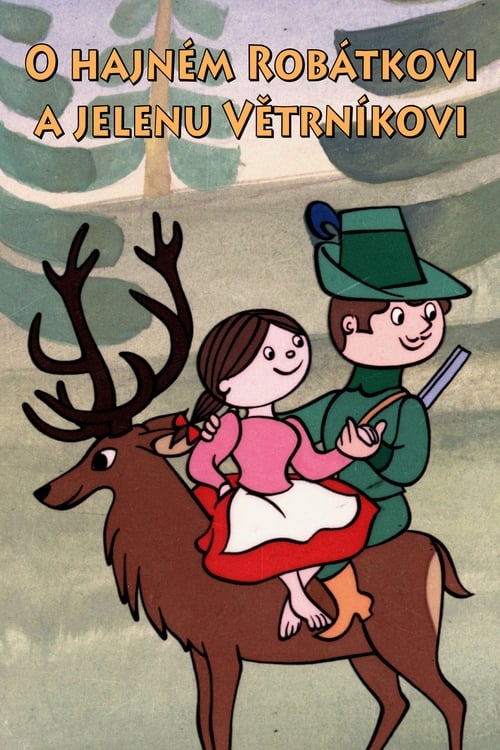
O hajném Robátkovi a jelenu Větrníkovi
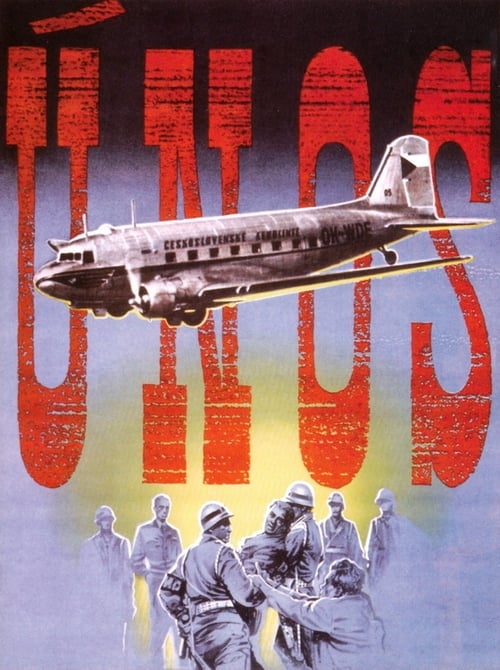
American agents hijack a plane on the Ostrava-Prague route to launch a campaign against the People's Democratic Czechoslovakia. The plane lands in West Germany, but the Americans have an unexpected problem convincing the hijackers to stay in the West. Based on a true story.