Cauleen Smith
Directing
Biography
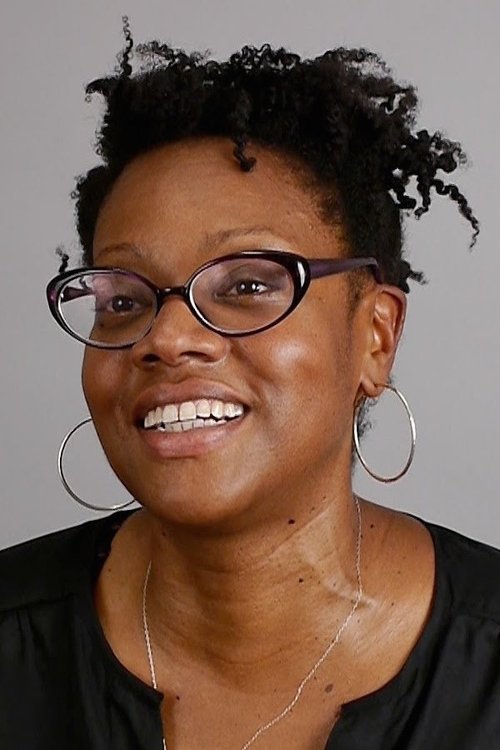
Cauleen Smith (born September 25, 1967) is an American born filmmaker and multimedia artist. She is best known for her experimental works that address the African-American identity, specifically the issues facing black women today. Smith is best known for her feature film Drylongso (1998). Smith currently teaches in the School of Art at the California Institute of the Arts.
Known For

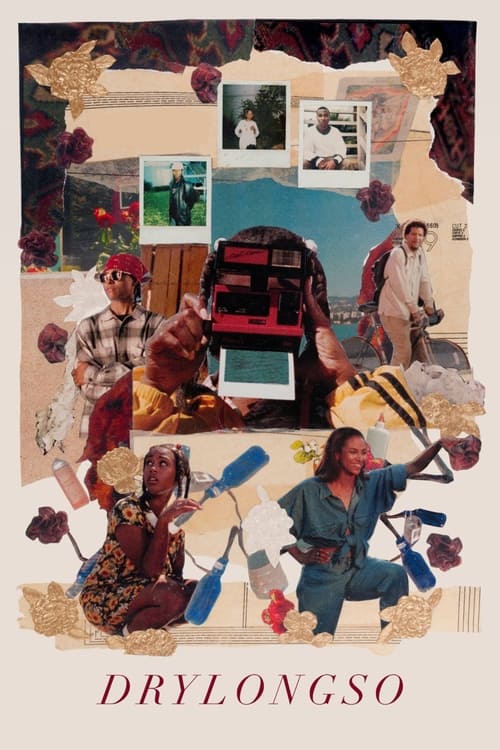
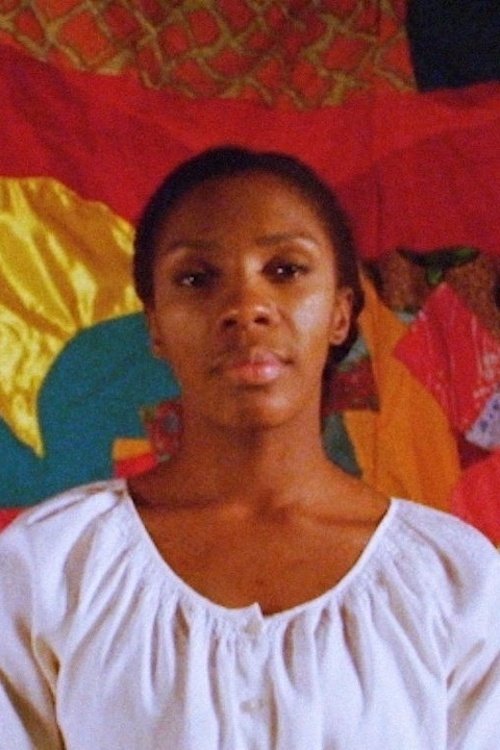
A young woman in a photography class begins taking pictures of black men out of fear they will soon be extinct.
Drylongso

A global portrait documenting the year's events, Cinetracts '20 features the work of an international lineup of 20 filmmakers. Capturing the zeitgeist in their own backyard, the artists' short films are the culmination of a year-long residency project.
Cinetracts '20
Explores the careers of twenty black women working as film directors.
Sisters in Cinema

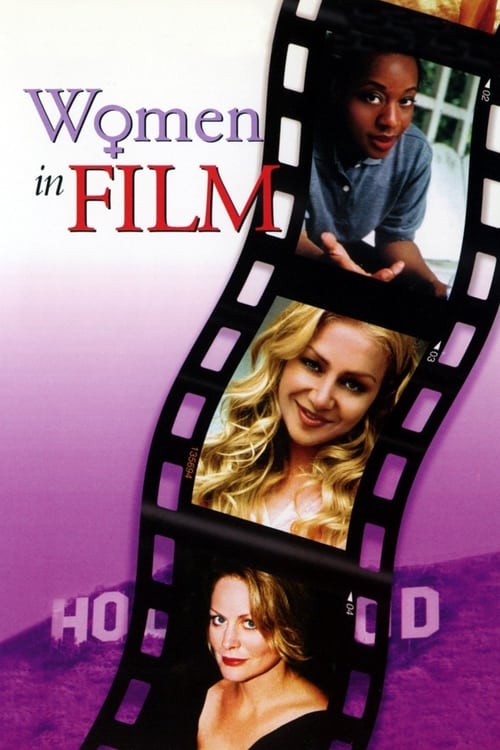
Three women in Hollywood talk to the camera one summer (with a coda six months later). Sara is a casting director; her soliloquies are addressed to Samson (her blind infant son) and to Holly Hunter. She talks about her husband's refusal to touch their son and her discovery of his affair. Gina is a masseuse - blithe, solipsistic, scheming to steal the energy of Hollywood players. She frequently refers to her dead sister Wanda, kidnaped by their father. Phyllis, sexually abused by her father when a teen, addresses her son Eric. She's a producer, working on remaking Pasolini's "Teorema." As the project falls apart, so does she. All three hum or sing, "You made me love you."
Women in Film

Part of a multi-platform project highlighted by an hour long documentary about black filmmakers who worked and studied at UCLA between 1965 and the 1990s.
Spirits of Rebellion: Black Cinema at UCLA

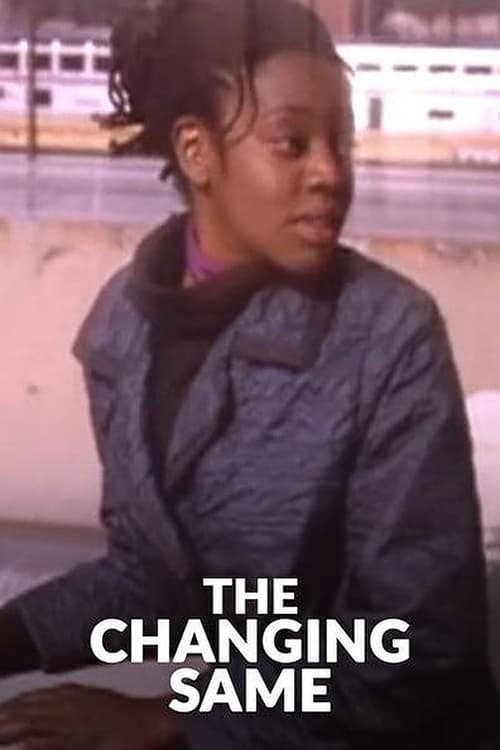
An Alien is sent to earth to investigate the "incubators." She discovers that she is replacing a rogue agent. She questions her mission.
The Changing Same
Second of three films relating to American conceptual Land Art of the 1970's and American histories and traumas.
The Grid

Personal pilgrimages to three sites of extreme creativity, invention, and generosity: Alice Coltrane's Ashram, Watts Towers, and Watervliet Shaker Community
Pilgrim

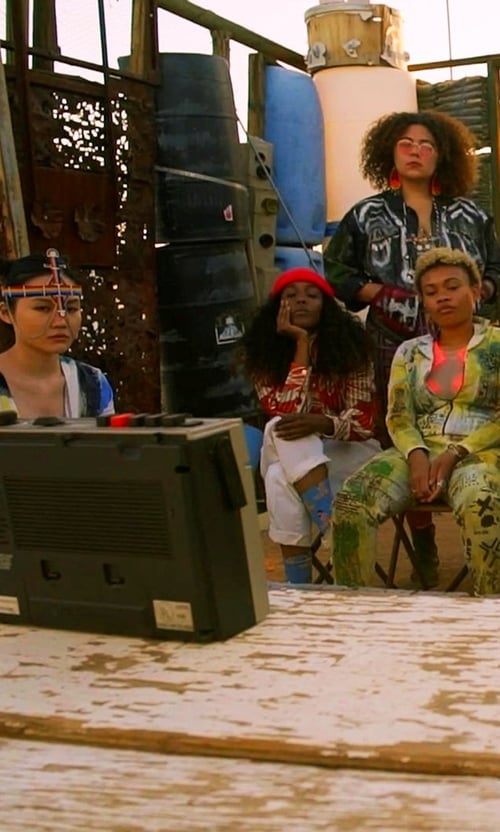
Set in Noah Purifoy’s Outdoor Desert Art Museum in Joshua Tree, California, artist Cauleen Smith reimagines this unique space as a radical feminist utopia. Among the scattered assemblages, a group of women whose dynamic, colourful outfits radiate with energy, gather to re-stage an iconic photograph of men taken by Billy May for Life Magazine in 1966. While paying homage to the feminist abolitionist Sojourner Truth, the title refers to the spiritual journey these women embark upon.
Sojourner

Three monologues adapted from the groundbreaking book, Black Women in White America, edited by Gerda Lerner.
Three Songs about Liberation

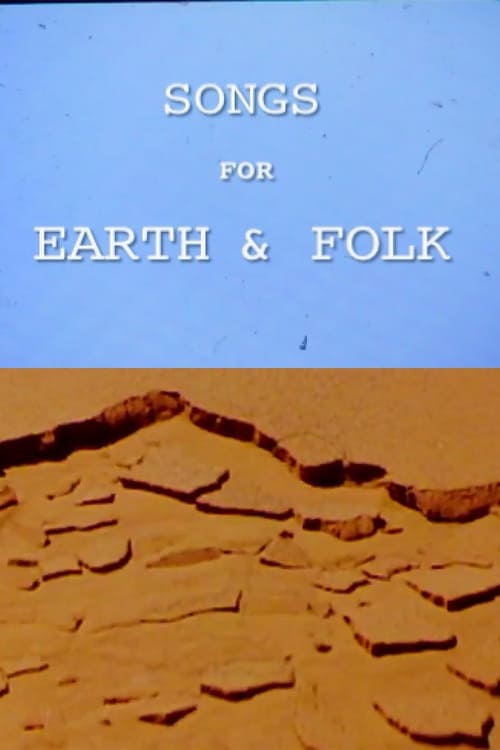
A found footage assemblage of epic proportions. Produced on residency at Chicago Film Archives, with music by The Eternals.
Songs for Earth & Folk
Daily Rains is a measured, poetic work that confronts head-on the micro- and macro-aggressions faced by young Black women. Restored by the Academy Film Archive.
Daily Rains
The countdown audio footage from the Apollo 11 launch date is heard over a flamed-out, iridescent landscape. Appropriating and reframing the historical moment in its present site, Smith creates small disruptions and proposes, finally, the intent to truly represent the past might be as misplaced as a green screen in the desert.
T Minus Two

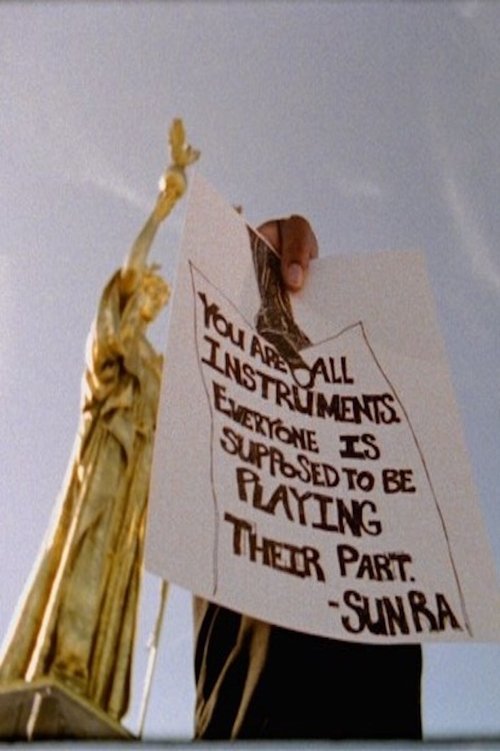
Sun Ra’s anthem Space Is the Place performed by The Rich South High School Marching Band in Chinatown Square, Chicago. Cauleen Smith organised and filmed this energetic flash-mob performance, showing the unsuspecting passers-by who gather to listen. The young men and women let nothing, not even rain, bring the performance to a halt.
Solar Flare Arkestral Marching Band

Night Sky is the story of two friends' journey through the desert into a synesthetic realm of the senses. After their car breaks down, Cleo and Jay discover a small portal that leads to another dimension where a dance marathon never ends, time collapses, and exhaustion is rampant. The girls travel to a sound chamber deep in the desert where they encounter a speaking dog that offers them a vision of their place in the universe.. Meanwhile, the exhausted marathon contestants continue shuffling their feet with no end in sight.
Night Sky

Images and poems responding to the photographs of Malik Sidié. A collaboration with poet, A. Van Jordan. Loops designed for install.
I WANT TO SEE MY SKIRT

“Chronicles of a Lying Spirit (by Kelly Gabron) is less a depiction of 'reality' than an exploration of the implications of the mediation of Black history by film, television, magazines, and newspapers. Using her alter ego, Kelly Gabron, Smith fabricates a personal history of her emergence as an artist from white-male-dominated American history (and American film history). Smith collages images and bits of text from a scrapbook by 'Kelly Gabron' that had been completed before the film was begun, and provides female narration by 'Kelly Gabron' that, slowly but surely, makes itself felt over the male narration about Kelly Gabron (Chris Brown is the male voice). The film's barrage of image, text and voice is repeated twice, and is followed by a coda. That most viewers see the second presentation of the imagery differently from the original presentation demonstrates one problem with trusting any media representation.” Preserved by the Academy Film Archive in 2016.
Chronicles of a Lying Spirit (by Kelly Gabron)

Short film commissioned by the Astrup Fearnley Museum in Oslo, Norway
The Deep West Assembly

Choreographer Taisha Paggett activates a vacant lot in the Washington Park Neighborhood on the southside of Chicago and enjoys an encounter with young resident Maylk Singleton.
Lessons in Semaphore

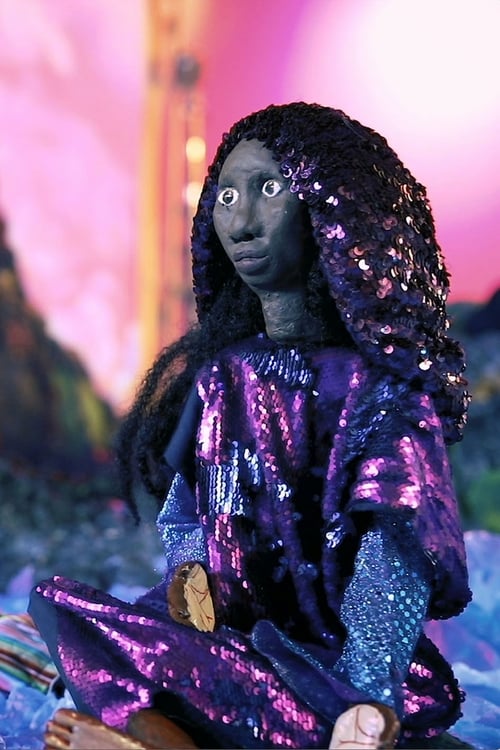
The word bone translates to yoruba as “bones.” In Egungun: Ancestor Can’t Find Me, a shell-covered sea creature swims emerges form the Gulf of Mexico and wanders island jungles and shores. The shelled creature we see wandering in this film bears traits of both male (egungun) and female (gelede) ancestors. The chasm of time, distance and violence has severed its link to the living leaving it to look and listen for traces of our lives in an endless disorienting loop. The film references the ancestor-reverent Egungun masking tradition of the Yoruba people who, indigenous to modern-day Ghana, Benin, Togo, and Nigeria, were among the many African ethnic groups captured, enslaved and sold as chattel into the Transatlantic Slave trade.