Peter Hutton
Directing
Biography
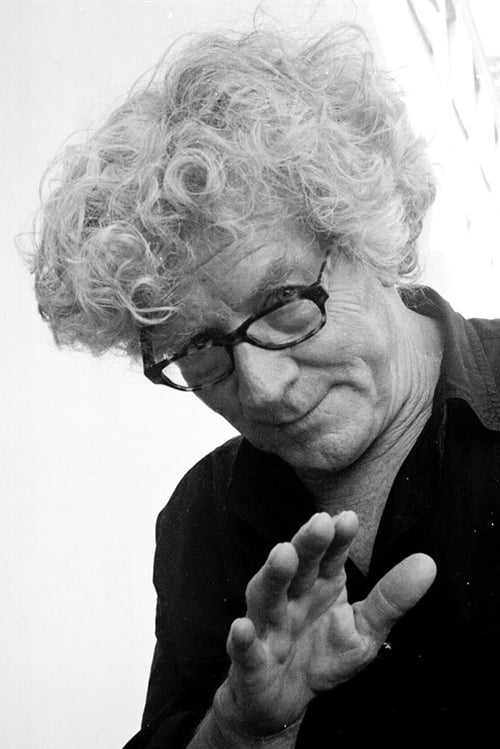
Peter Hutton (born 1944 in Detroit, Michigan) was an experimental filmmaker, known primarily for his silent cinematic portraits of cities and landscapes around the world. He also worked as a professional cinematographer, most notably for his former student Ken Burns. Hutton studied painting, sculpture and film at the San Francisco Art Institute. He taught filmmaking at CalArts, Hampshire College, Harvard University, SUNY Purchase, and Bard College, where he served as the director of the Film and Electronic Arts Program from 1989 to 2016. Hutton's films are distributed by Canyon Cinema in San Francisco. In May 2008 the Museum of Modern Art in New York held a full retrospective of Hutton's films.
Known For

The history of the sport of baseball in America, told through archival photos, film footage, and the words of those who contributed to the game in each era. Writers, historians, players, baseball personnel, and fans review key events and the significance of the game in America's history.
Baseball

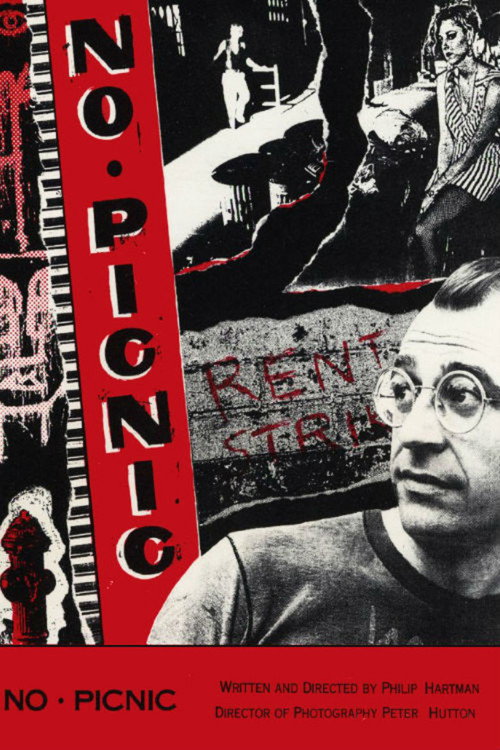
Down-and-out jukebox operator Macabee Cohn wanders the cheap tenements, dive bars, and derelict streets of the East Village in search of a mysterious woman in a striped dress.
No Picnic

This exhibition focuses on Jonas Mekas’ 365 Day Project, a succession of films and videos in calendar form. Every day as of January 1st, 2007 and for an entire year, as indicated in the title, a large public (the artist's friends, as well as unknowns) were invited to view a diary of short films of various lengths (from one to twenty minutes) on the Internet. A movie was posted each day, adding to the previously posted pieces, resulting altogether in nearly thirty-eight hours of moving images.
365 Day Project

In near-future New York, ten years after the “social-democratic war of liberation,” diverse groups of women organize a feminist uprising as equality remains unfulfilled.
Born in Flames

Real-life kung fu master Nathan Ingram stars in this gritty, low-budget martial arts epic as a local karate school owner who clashes with a gang of drug traffickers posing as the owners of a rival dojo. Director Charlie Ahearn (who helmed the landmark hip-hop film Wild Style) used the housing projects next to his New York Lower East Side apartment as his central location in this 1979 classic, shot on a vintage Super 8 camera.
The Deadly Art of Survival

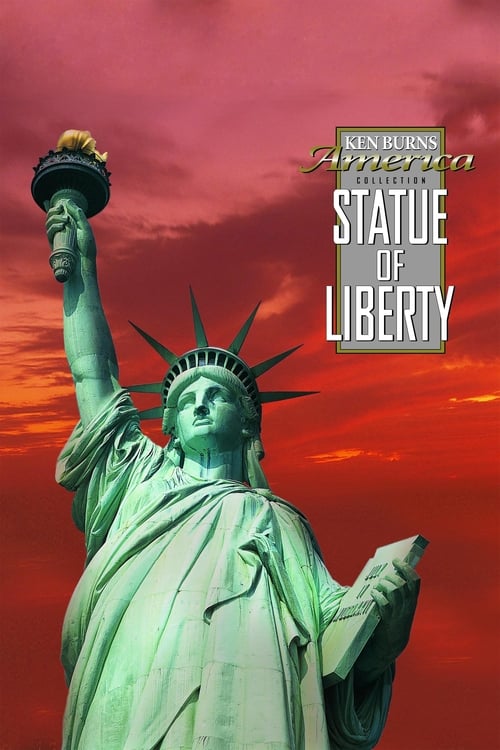
For more than 100 years, the Statue of Liberty has been a symbol of hope and refuge for generations of immigrants. In this lyrical, compelling and provocative portrait of the statue, Ken Burns explores both the history of America’s premier symbol and the meaning of liberty itself. Featuring rare archival photographs, paintings and drawings, readings from actual diaries, letters and newspapers of the day, the fascinating story of this universally admired monument is told. In interviews with Americans from all walks of life, including former New York governor Mario Cuomo, the late congresswoman Barbara Jordan and the late writers James Baldwin and Jerzy Kosinski, The Statue of Liberty examines the nature of liberty and the significance of the statue to American life. Nominated for both the Academy Award ® and the Emmy Award ®, The Statue of Liberty received the prestigious CINE Golden Eagle, the Christopher Award and the Blue Ribbon at the American Film Festival.
The Statue of Liberty

A mockumentary following the troubled production of Clockmen: The Musical, focusing on a cosplayer-turned-actress who reacts to the stress of the production in a rather unusual way.
The Making of a Superhero Musical
Florence is a contemplative study of light and shadows, textures and planes, that makes beautiful use of the tonal qualities of black and white film. (mubi.com)
Florence

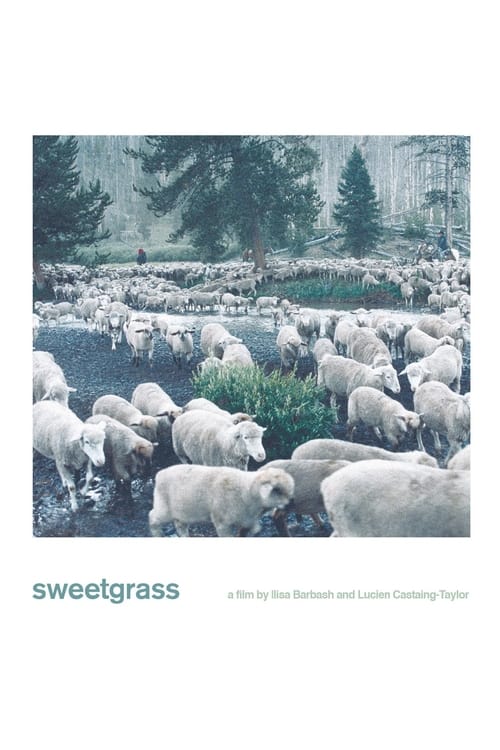
An unsentimental elegy to the American West, Sweetgrass follows the last modern-day cowboys to lead their flocks of sheep up into Montana's breathtaking and often dangerous Absaroka-Beartooth mountains for summer pasture, revealing a world in which nature and culture, animals and humans, vulnerability and violence are all intimately meshed.
Sweetgrass

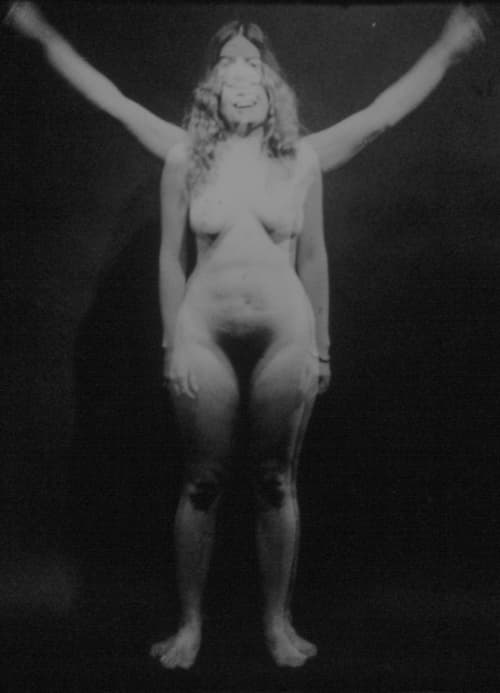
A continuous dissolve of 87 male and female nudes. "The film's fascination lies with the suspense of that magic moment, halfway between two persons, when the dissolve technique produces composite figures, oftentimes hermaphroditic, that inspires awe for the mystery of the human form." - B. Ruby Rich, Chicago Art Institute
Riverbody

A film documenting the landscapes of northern Iceland.
Skagafjördur
July ’71 is as much a record of the daily experiences of light and shadow as it is a catalogue of domestic life. More involved with “straight photography” than Brakhage, but far more engaged with tactility and the plastics of the image than Jonas Mekas, this early work embraces the mundane—making bread in the kitchen, riding bikes by the San Francisco Bay, hanging out in a cheap-looking flat with friends, plucking a game fowl for supper—while also paying attention to the wind, water, and trees that surround these fleeting moments.
July '71 in San Francisco, Living at Beach Street, Working at Canyon Cinema, Swimming in the Valley of the Moon

Peter Hutton's New York trilogy. An act of urban archaeology, a chronicle of indelible impressions of the city.
New York Portrait

Turner Prize-winner Luke Fowler's film focuses on the life and work of the socialist historian EP Thompson and his involvement with the Workers Education Association. Presented in a documentary style format, combining archive and contemporary footage, the film questions our notions about how history is constructed.
The Poor Stockinger, The Luddite Cropper and The Deluded Followers of Joanna Southcott

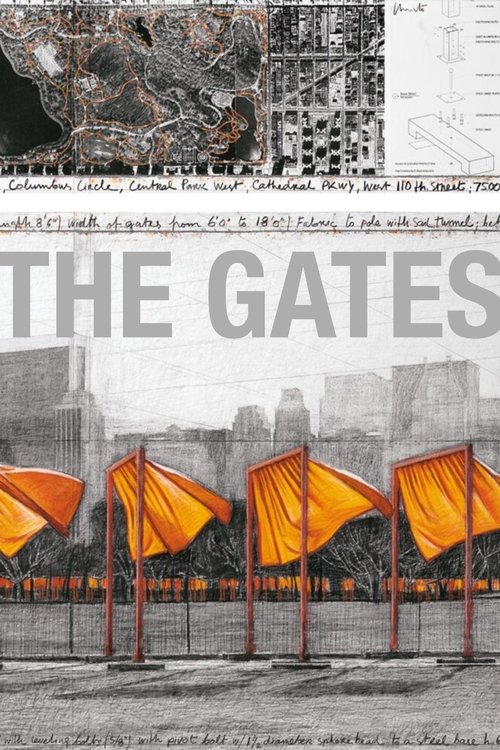
A documentary on New York City’s biggest public art project ever, an installation called “The Gates” by Christo and Jeanne Claude.
The Gates

Hutton's most impressive work ... the filmmaker's style takes on an assertive edge that marks his maturity. The landscape has a majesty that serves to reflect the meditative interiority of the artist independent of any human presence. ... New York is framed in the dark nights of a lonely winter. The pulse of street life finds no role in NEW YORK PORTRAIT; the dense metropolitan population and imposing urban locale disappear before Hutton's concern for the primal force of a universal presence. With an eye for the ordinary, Hutton can point his camera toward the clouds finding flocks of birds, or turn back to the simple objects around his apartment struggling to elicit a personal intuition from their presence. ... Hutton finds a harmonious, if at times melancholy, rapport with the natural elements that retain their grace in spite of the city's artificial environment. The city becomes a ghost town that the filmmaker transforms into a vehicle reflecting his personal mood.
New York Portrait, Chapter I

"I developed a need to try to retain everything I was passing through, by means of my Bolex camera."
All About Bolex

Three segments depicting the life cycle of a freighter boat.
At Sea
“Using exciting juxtapositions of shade and movement, this silent and surreally poetic film examines subtle changes of light and landscape in New York. NEW YORK NEAR SLEEP exploits the basic potential of film for capturing light refractions. Hutton imposes on this film the aesthetics of still photography and uses as a structural device the duration of perception of the subtle reflection of movements and illuminations.” – Bill Moritz, Theatre Vanguard
New York Near Sleep for Saskia

Preiss had the rare chance to salvage a selection of 8mm reeled from his archive; 30 years after it was first shot, this lovingly refashioned material returns as…a luminescent ode to the friends, filmmakers and artists with whom Preiss lived and worked during this time.