Núria Villazán
Writing
Known For

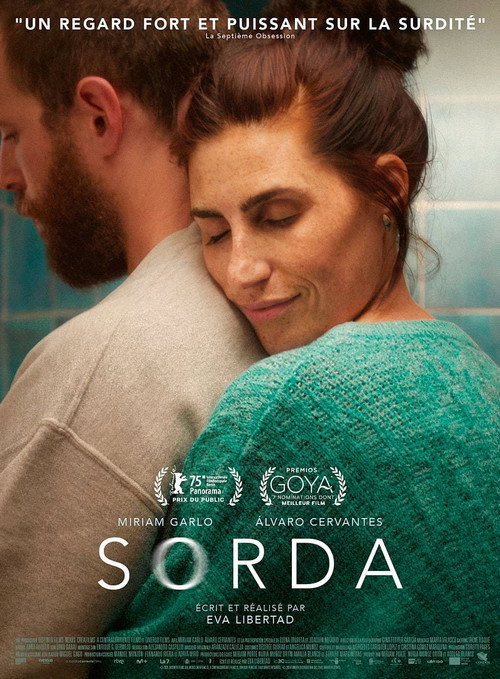
Angela's deafness raises concerns during her pregnancy regarding connecting with her daughter. Post-delivery, partner Héctor supports her as she learns to mother in a society lacking adequate accommodations for the hearing-impaired.
Deaf

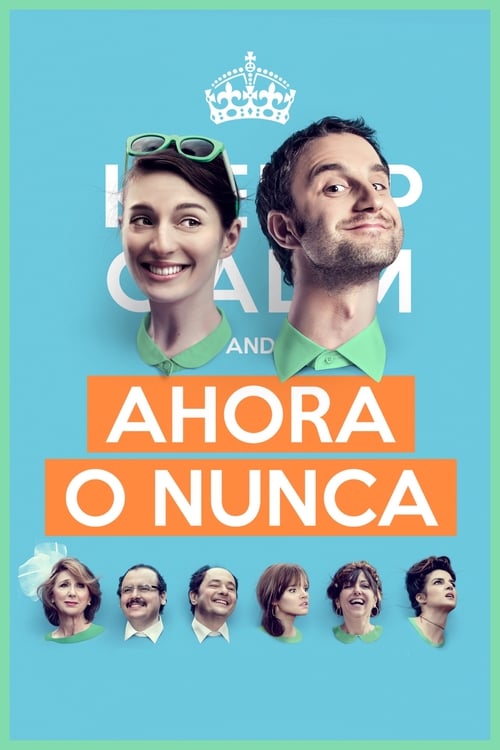
Narrates the preparation for a wedding of a Spanish couple in which everything goes wrong.
It's Now or Never

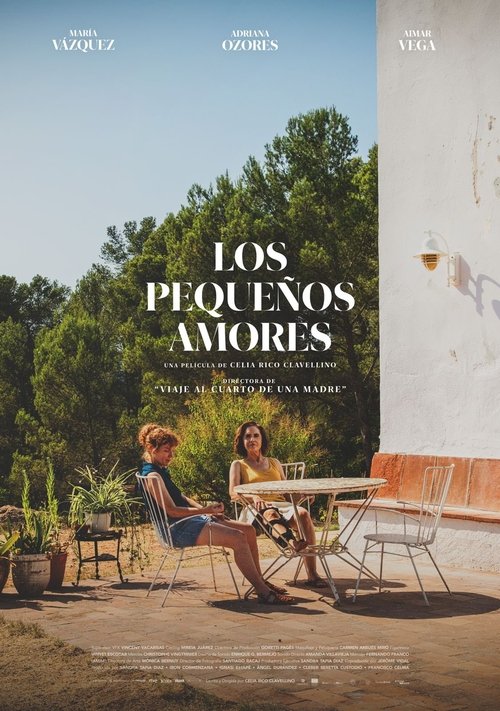
Teresa changes her vacation plans to spend the summer with Ani, her mother. Living together day and night after so many years is not easy for either of them. Accustomed to living alone, it is difficult for them to agree on even the small things of daily life. However, the forced coexistence will also bring revealing moments for both.
Little Loves

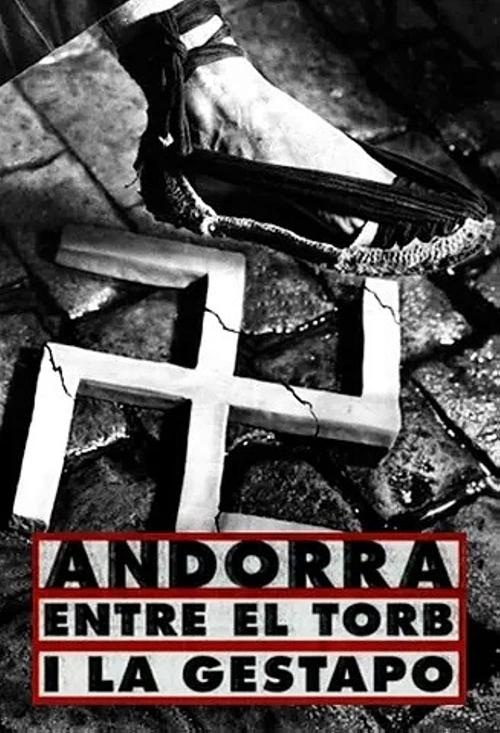
Spain 1952. The country lies in the grip of Franco's ruthless dictatorship. In a Spanish police station, Francesc Viel, a left-wing republican, is forced to recount his past.
Andorra Between Two Evils

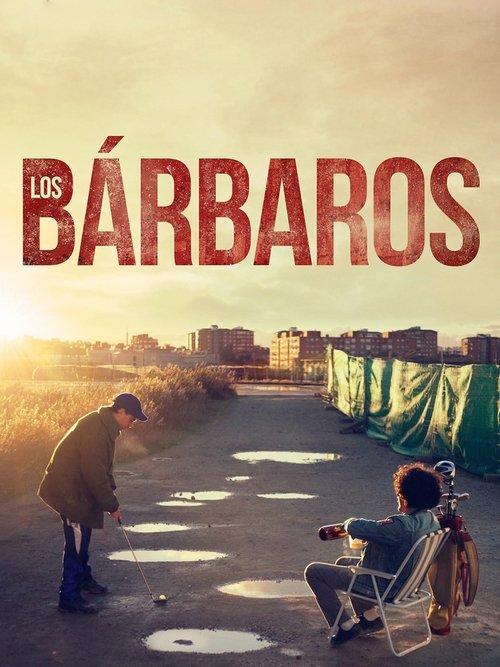
In the year of the crisis, four young people attempt to make a home by squatting in an unfinished building – a paradoxical limbo amid the real-estate bubble, where they willingly remain on the fringes of it all.
Los bárbaros

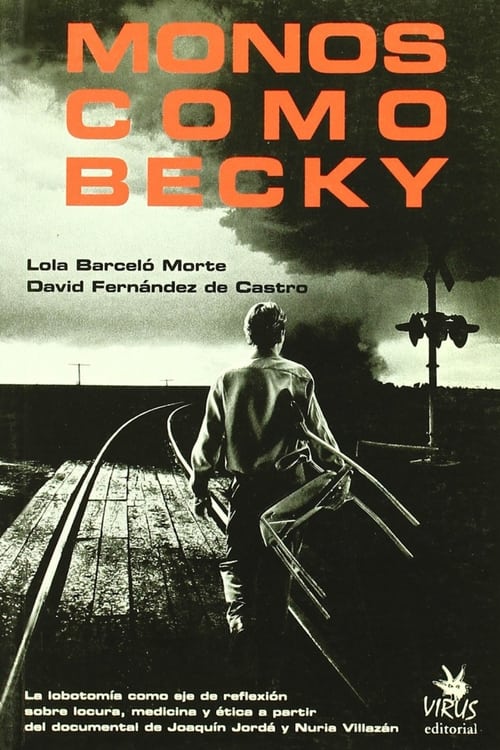
The first part of this documentary deals with the Portuguese neurologist António Egas Moniz, Nobel Prize for Medicine in 1949, one of the first surgeons to apply the technique called lobotomy for the treatment of schizophrenia. The second part deals with the everyday life of people with schizophrenia today: behavior and relationships, and treatment for the disease.
Monkeys Like Becky

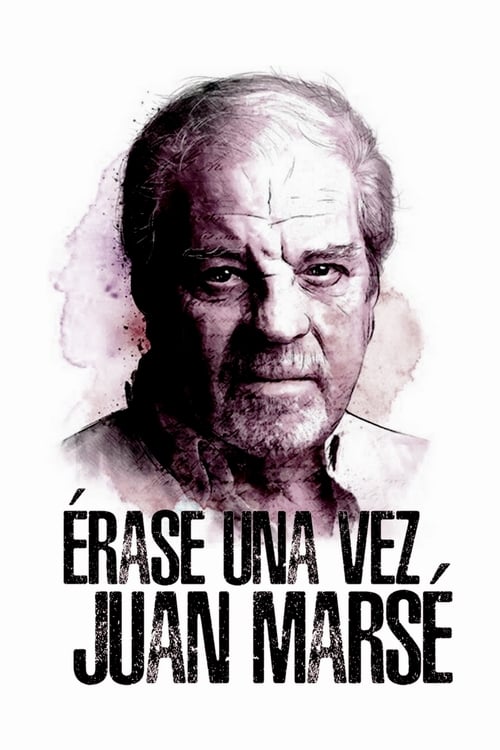
On the occasion of awarding the Cervantes Prize to the Catalan writer Juan Marsé on 23 April 2009, family members, friends and writers offer a sincere portrait of the best chronicler of life in Barcelona, Catalonia, during the post-war period and the worst days of the General Franco dictatorship, in the forties and fifties, and during the economic development and the hard conquest of freedom, in the sixties and seventies.
Érase un vez Juan Marsé

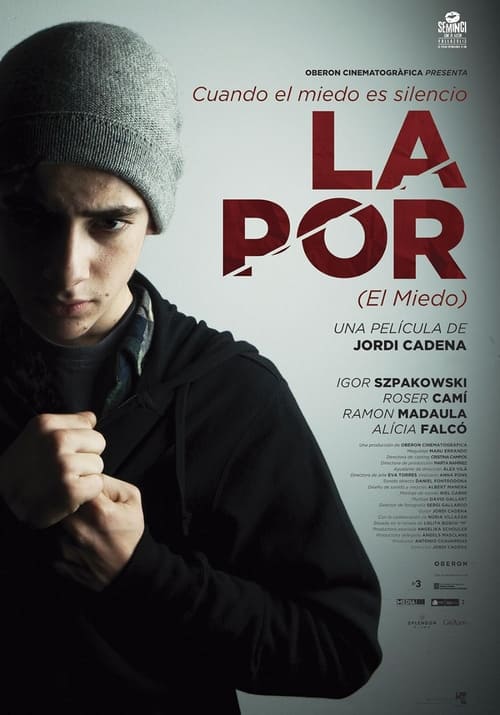
The Fear tells the story of Manuel, a boy in his teens who's always reluctant to talk about what happens at home: he's afraid of his father, who beats him often. However, one day he makes a decision about his future...
The Fear

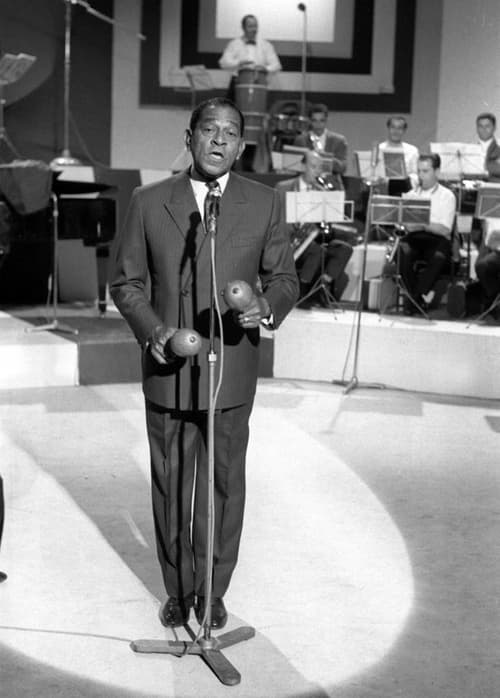
No description available.
Machin: Toda una vida

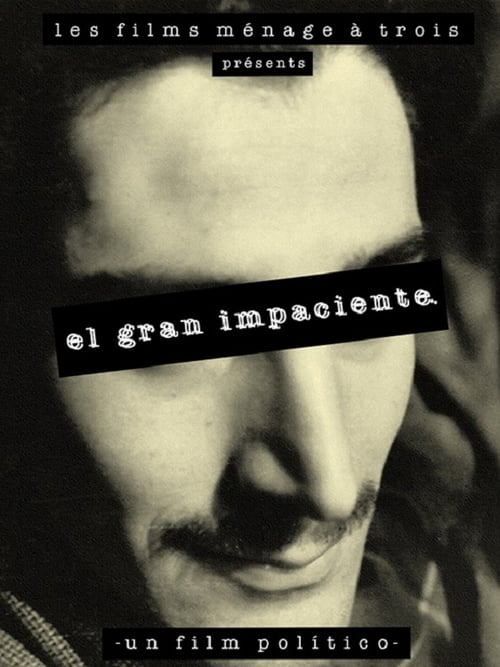
In 1951, German Puig founded with a group of young people the Cinemateca de Cuba with the support of the Cinémathèque française and outside the official institutions. At 91, he recalls his struggles against indifference, ignorance and how, when the political confrontation extended to the field of culture, his work and name were erased from the island's history: it is the Revolution that has made him a hero.