Sound
No description available.
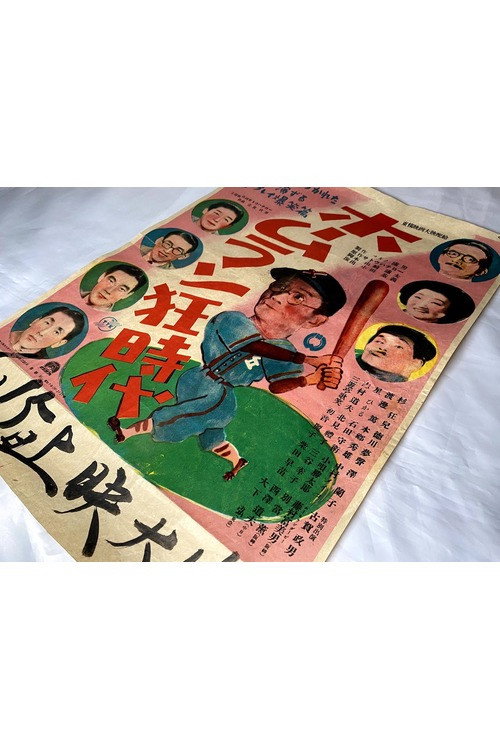
Baseball comedy.
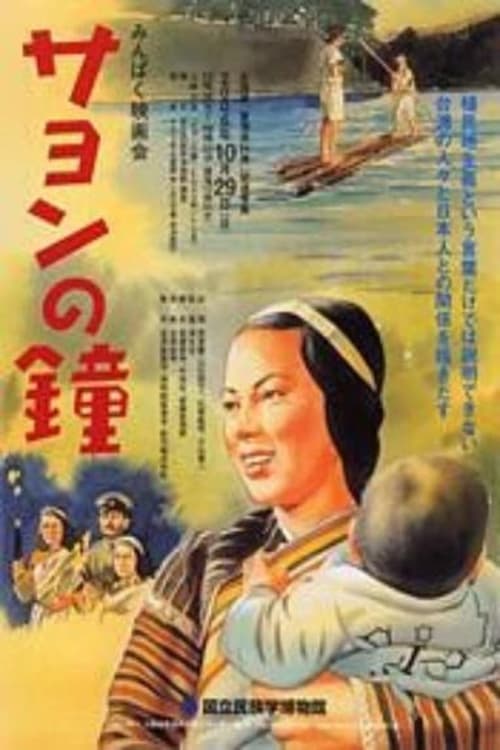
Based on the true story of a 17-year old Atayal girl called Sayun Hayun from Nan'oku village, Giran district, Taihoku Prefecture (in current Taiwan) who went missing and was thought to have drowned whilst helping carry the luggage of her teacher Masaki Takita during a storm in 1938.
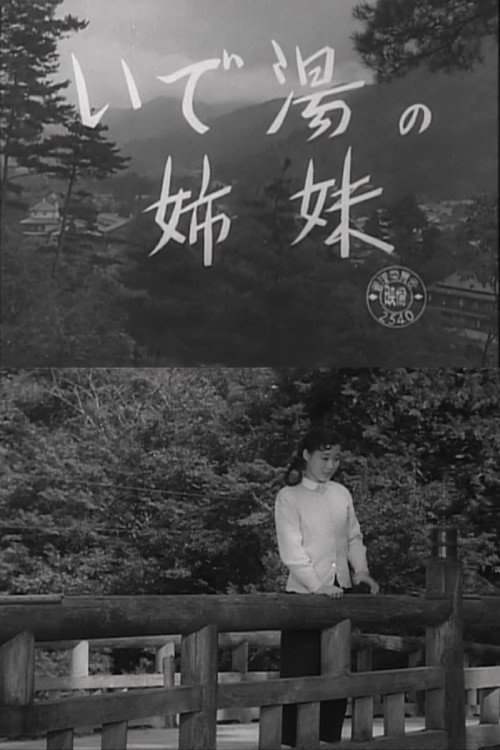
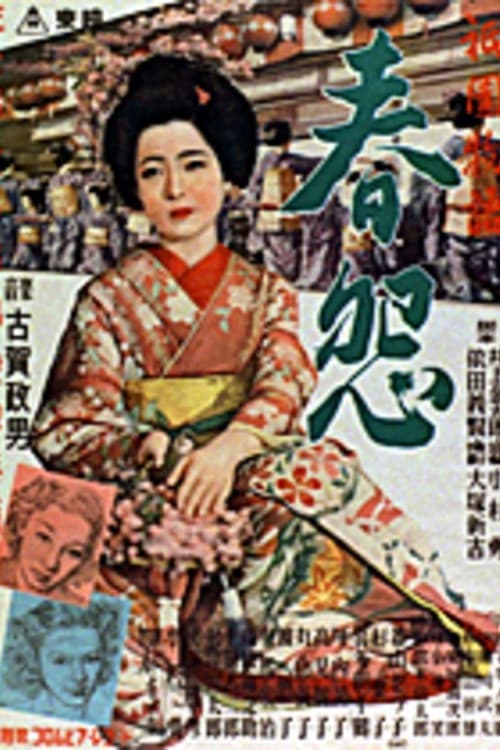
The story of a lovely "maiko" who bloomed in Gion. Three half-sisters play out a tale of tearful love between father and daughters against the backdrop of the city's dance festival.
The story of legendary Korean-Japanese wrestler Rikidozan.
Follows the Japanese lieutenant of the invading 228th Infantry Regiment Toichi Wakabayashi, who died in the Battle of Hong Kong.
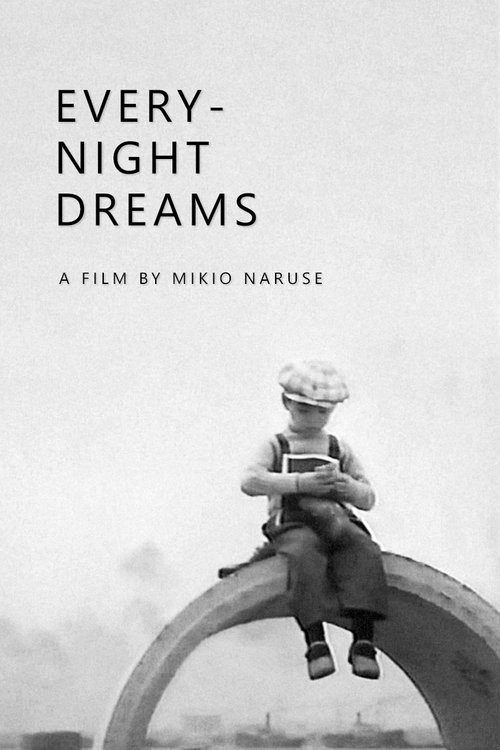
In Depression-era Tokyo, the life of a single mother and her young son are disrupted by the return of her ex-husband, who fathered the child and walked out on her years earlier.
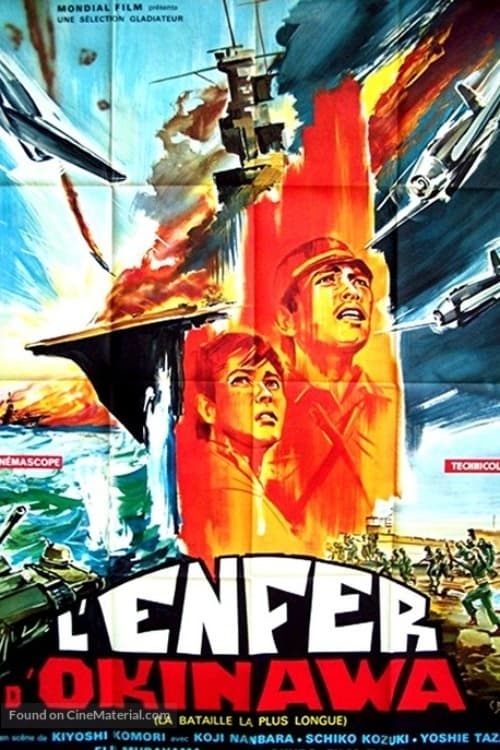
The last fight put up by remaining forces and a special volunteer nursing corps in 1944-5.
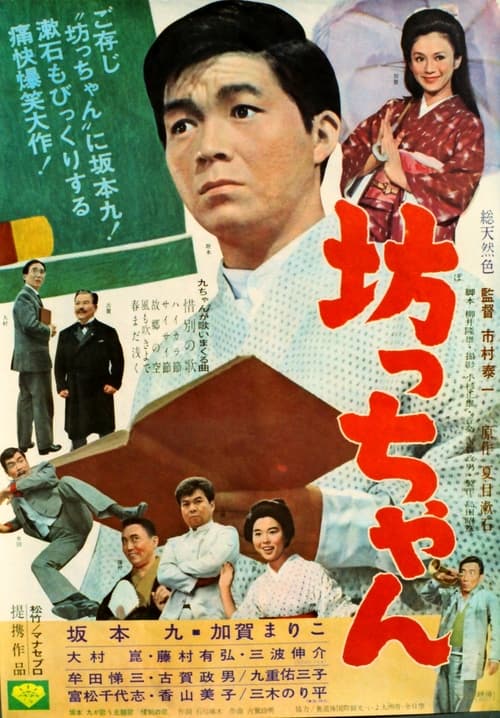
1966 Shochiku adaptation of Natsume's novel.
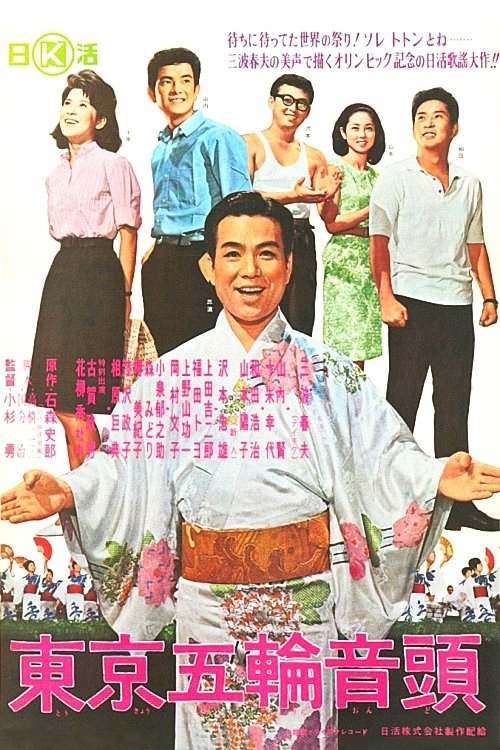
Adapted from the song " Tokyo Olympic Ondo " , which was the theme song for the 1964 Tokyo Olympics held in October 1964 . Song was composed by Masao Koga.
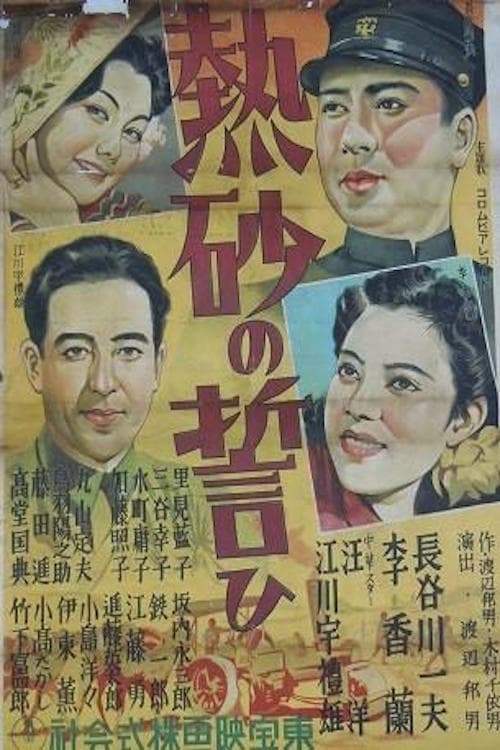
A Japanese army engineer (Hasegawa) on the mainland must put his personal feelings for a beautiful Chinese woman (Ri) aside if he is to succeed at building a highway through the "bandit"- (aka anti-Japanese militia-) infested hinterlands.
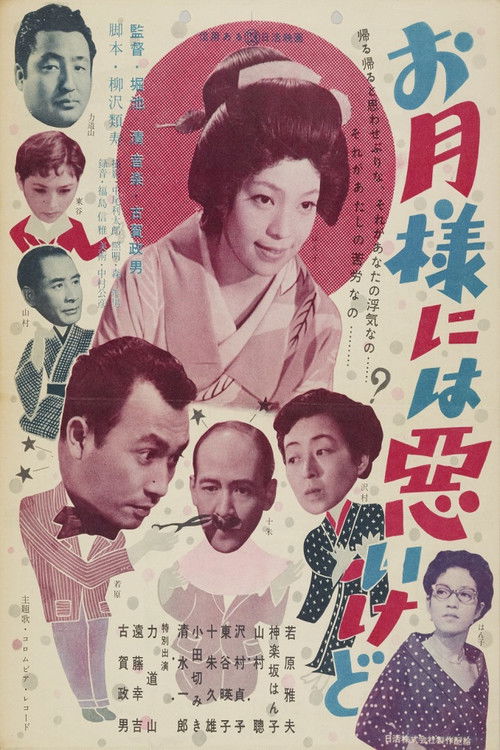
Japanese comedy film.
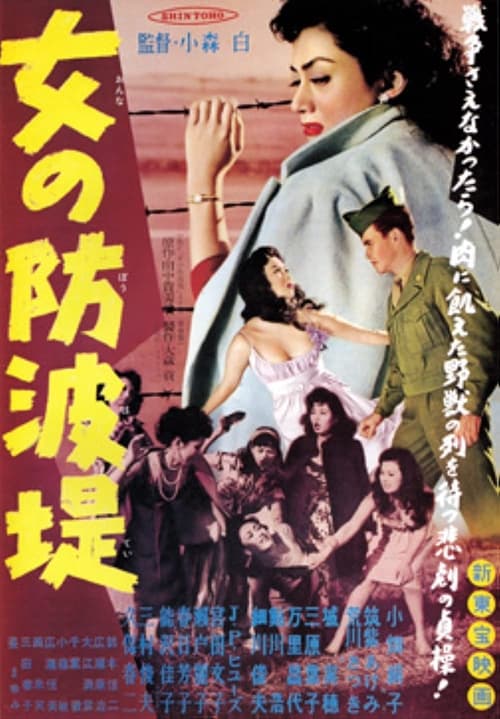
Women endure hardship and struggle to keep away from prostitution in the immediate aftermath of WWII. The "Special Comfort Women Association" (RAA) creates a shelter for women to avoid falling into prostitution. Young Fumiko and Yuko will try their luck there.
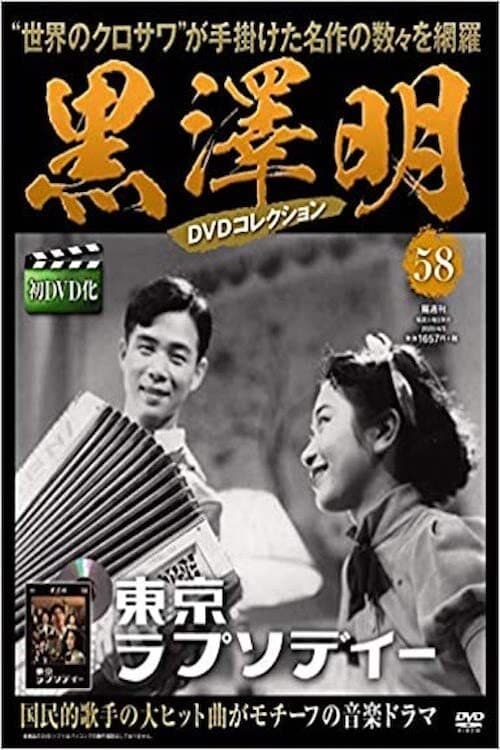
Film adaptation of the hit song
1952 Japanese film directed by Kunio Watanabe.
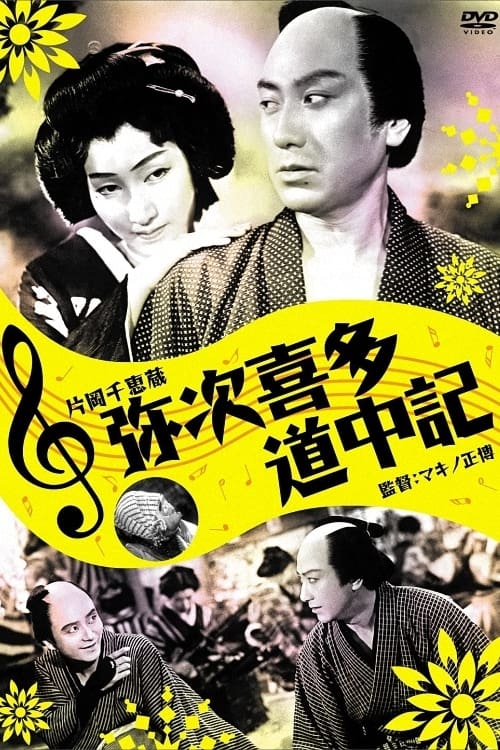
A captivating operetta by Masahiro Makino based on Juppensha Ikku's humorous novel "Tōkaidōchū Hizakurige" starring Chiezo Kataoka and Kyoji Sugi.