Acting
Kan’ichi Hazama and Omiya Shigisawa are engaged to be married, but Omiya breaks the engagement to marry a wealthy banker’s son. Heartbroken, Kan’ichi becomes a moneylender, and years later their paths cross again under changed circumstances. Adapted from a popular serialized novel of the same name.
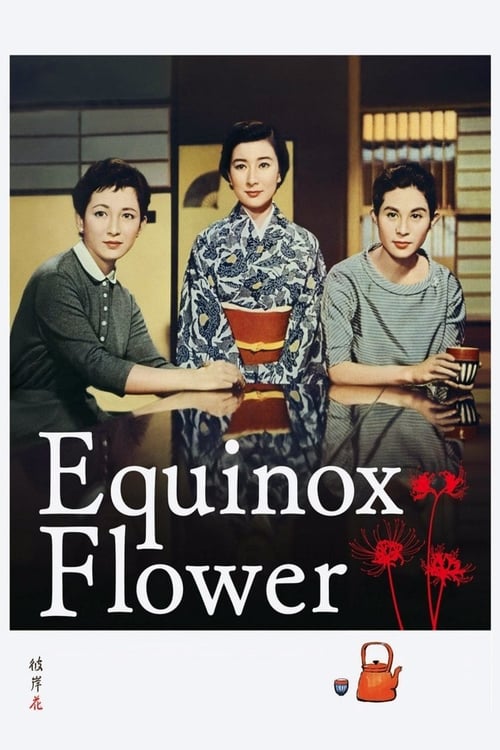
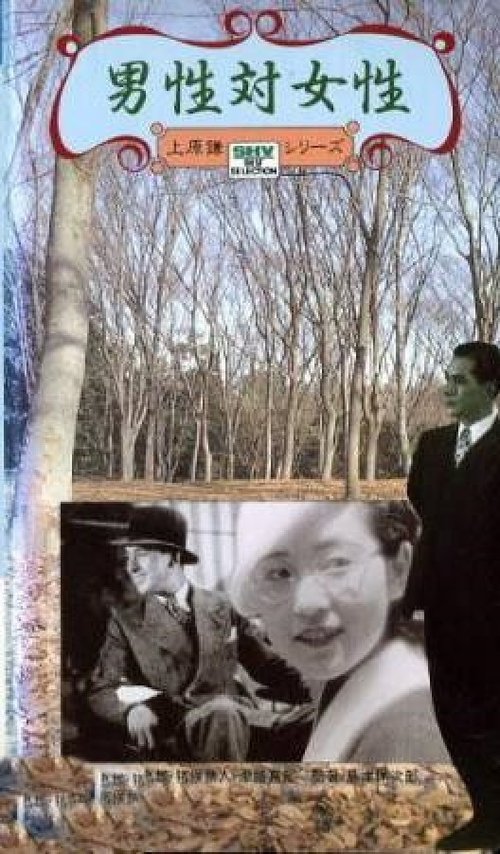
Wataru's outwardly liberal views on marriage are severely tested when his daughter declares her love for a coworker and is adamant to live her own way, instead of agreeing to an arranged marriage. Outwitted by his female relatives, Hirayama stubbornly refuses to admit defeat.
Japanese silent film from 1929.
The three-hour Ai yo jinrui to tomo ni are / Love, Be with Humanity (1931) starts as a satire of alienation in the world of money, develops into a lumberland epic with a forest fire on Sakhalin Island, turns into a tragedy of King Lear dimensions, and manages to amaze the blasé audience with a happy end in the Wild West.
Otoku asks her brother Bunkichi to speak with her son Seiichi, a young man for whom sacrificed everything but who now seems to be headed for a wastrel life. Bunkichi admonishes the boy to study harder, but it seems his uncle's advice may already be too late.
Jyuta, an honest owner of a taxi company, has a younger half-brother who is involved in the yakuza world and doesn’t get along well with his mother. Jyuta tries to correct him…
A modern girl suddenly intrudes into a widower's family home.
The Nakata family, father, mother, son Hideo, and daughters Taeko and Akiko live in the poorer section of modern Tokyo. Their troubles start when the father leaves with another woman, returns after he is rejected, and leaves again with the family's money.
Domestic comedy involving a strong wife and a "henpecked" husband taking place in a family-run judo school.
Three couples connected to rival business and theatrical families navigate complicated romances, workplace disputes, and family opposition.
Michiko gets pregnant after a rape. She marries a boring business partner of her father to avoid the shame. Later she meets the rapist again who is now a union leader in opposition of her husband.
No description available.
Three men vying for the same job end up chasing the same girl in this comedy-drama from noted Japanese director Yasujiro Shimazu.
The poor novelist Yamamoto is writing his novel, determined and with a headband around his head. With him, the novelist who is always in trouble paying his bills, is the girl Saya who becomes the model for his novel. Saya however is in love with a young driver. When he is forced to move into a spa town as the result of the jealousy of another man Saya is terribly sad. But with the help of Yamamoto the driver's rival can be revealed and Saya can finally be with her beloved.
The story is of two people. One is deaf, the other deaf and mute. They marry after meeting at a school reunion, and the film follows their trials and tribulations ... and joys.
Based on the Sakatayama double suicide
A middle-aged father has just married off his third daughter, but still has his nine year old son to raise whom he resents as he was unwanted.
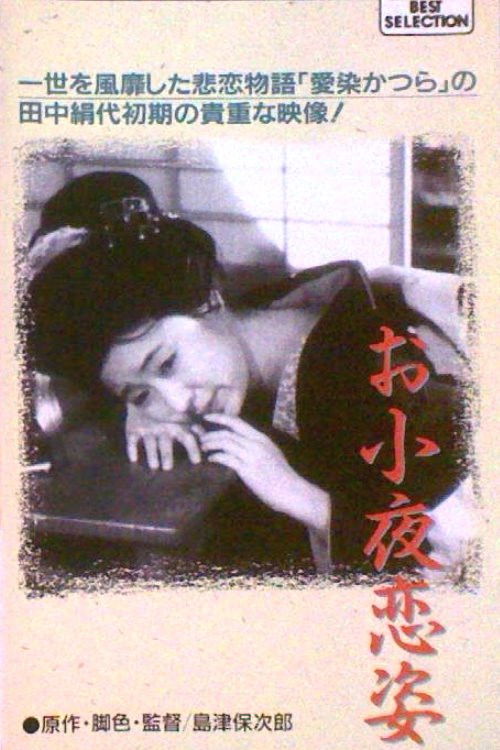
Japanese home drama starring Kinuyo Tanaka.