Acting
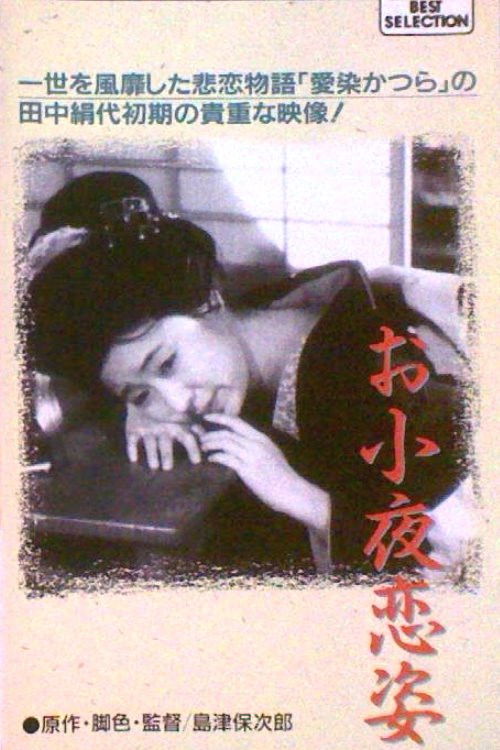
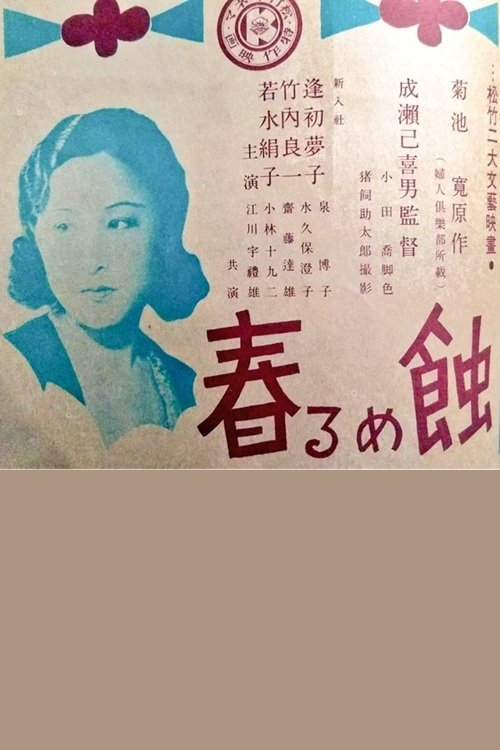
The poor novelist Yamamoto is writing his novel, determined and with a headband around his head. With him, the novelist who is always in trouble paying his bills, is the girl Saya who becomes the model for his novel. Saya however is in love with a young driver. When he is forced to move into a spa town as the result of the jealousy of another man Saya is terribly sad. But with the help of Yamamoto the driver's rival can be revealed and Saya can finally be with her beloved.
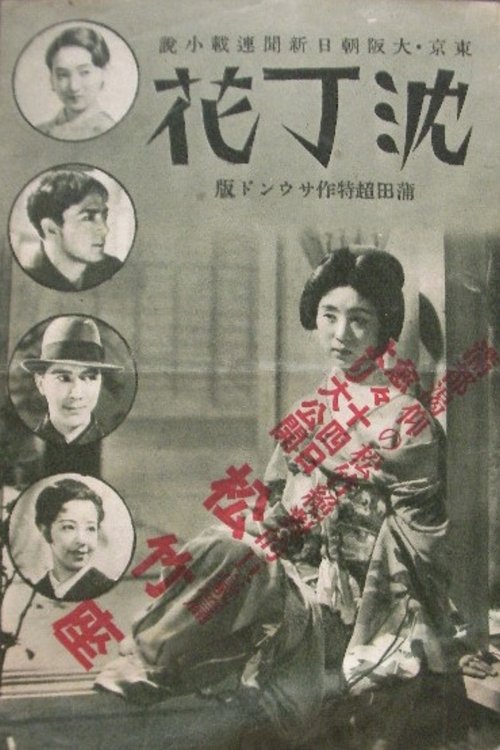
Japanese film from 1933, adapted from Masao Kume's serialized newspaper novel.
Based on the Sakatayama double suicide
Japanese film from 1933, adapted from a story serialized in the entertainment magazine "Fuji."
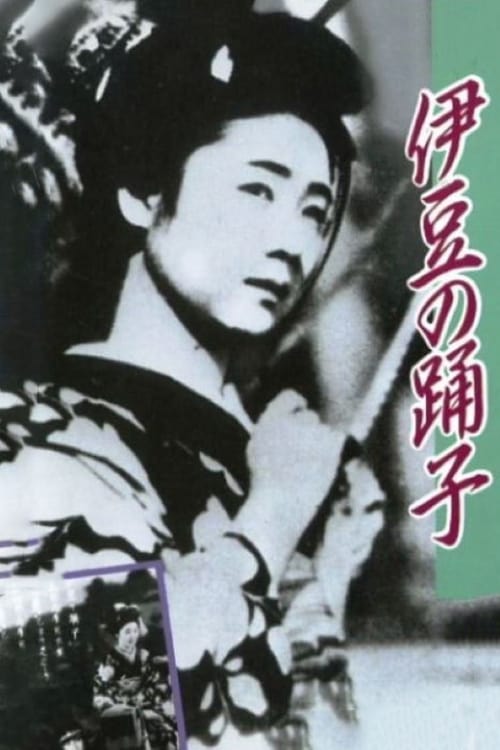
"The Dancing Girl of Izu" tells of the story between a young male student who is touring the Izu Peninsula and a family of traveling dancers he meets there, including their youngest girl. The student finds the naïve girl attractive even though he eventually has to part with the family after spending memorable time together.
It is considered to be a lost film.
Japanese movie from 1934. The final film of director Hôtei Nomura, who died from a stroke suffered at a screening of this film.
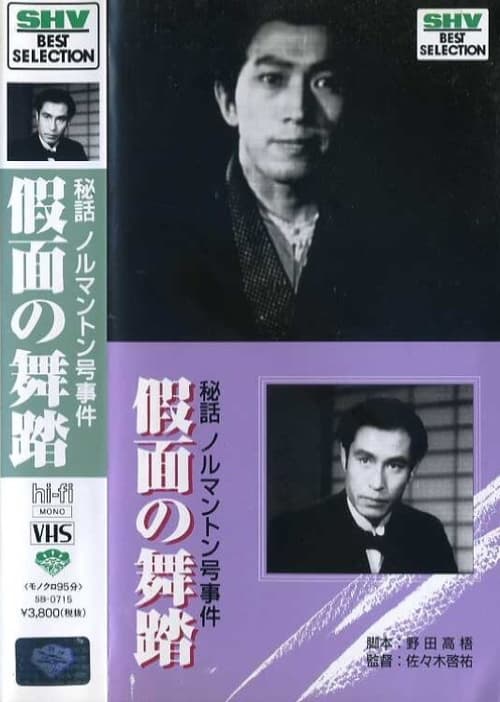
Japanese propaganda film about the Normanton Incident.
In a back alley of the Shitamachi district of Tokyo, Kihachi bears witness to a series of romantic complications involving the inhabitants of the neighborhood. Considered to be a lost film.
Japanese silent film.
Japanese film from 1932.
Japanese drama from 1934. A major production of Shochiku Studio, directed by Hiroshi Shimizu.
Japanese silent film from 1932.
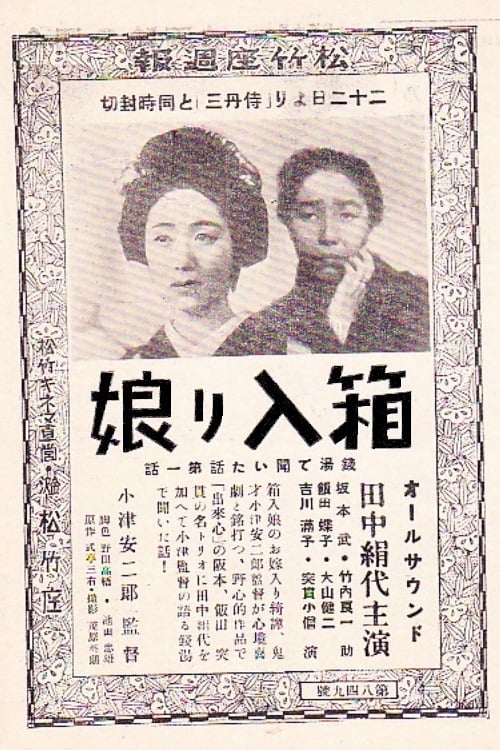
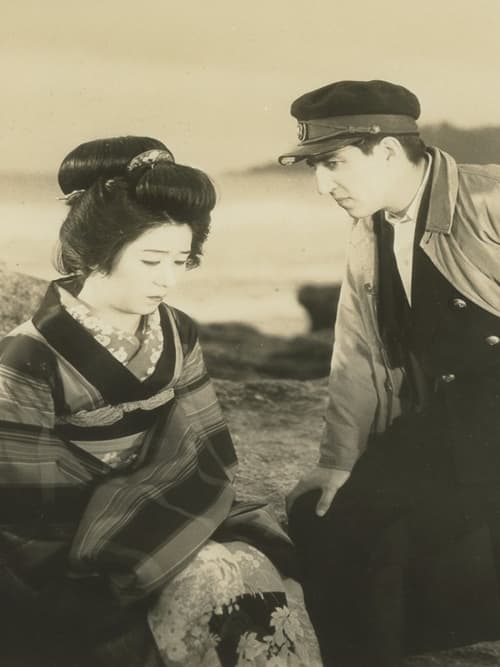
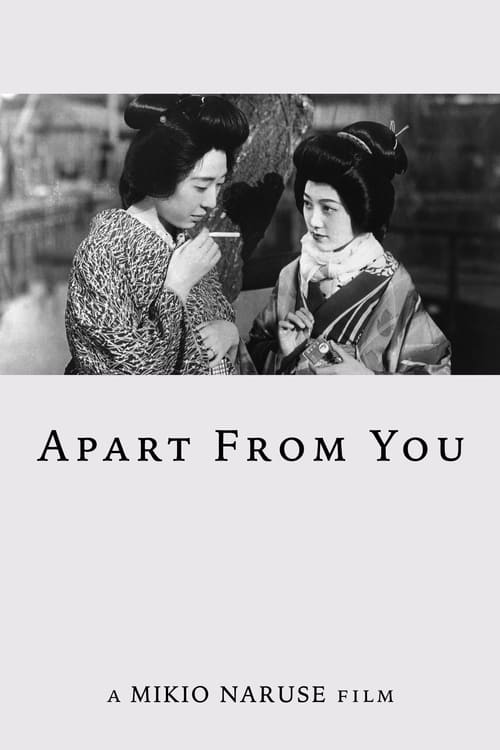
An aging geisha, whose angry teenage son is ashamed of her profession, works alongside a young geisha, resentful of her family for forcing her into a life of ignominy.
No description available.
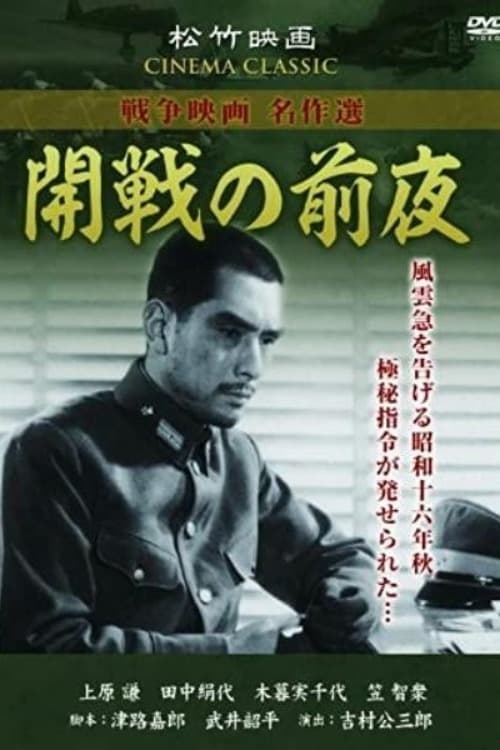
Kempeitai fights American spies in Japan