Acting
Kan’ichi Hazama and Omiya Shigisawa are engaged to be married, but Omiya breaks the engagement to marry a wealthy banker’s son. Heartbroken, Kan’ichi becomes a moneylender, and years later their paths cross again under changed circumstances. Adapted from a popular serialized novel of the same name.
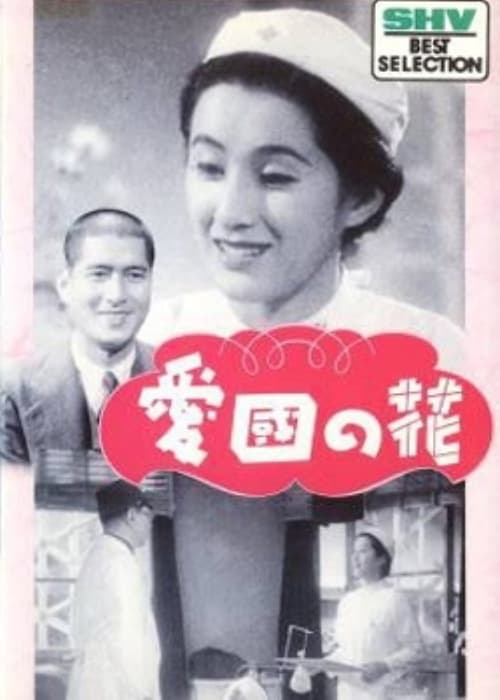
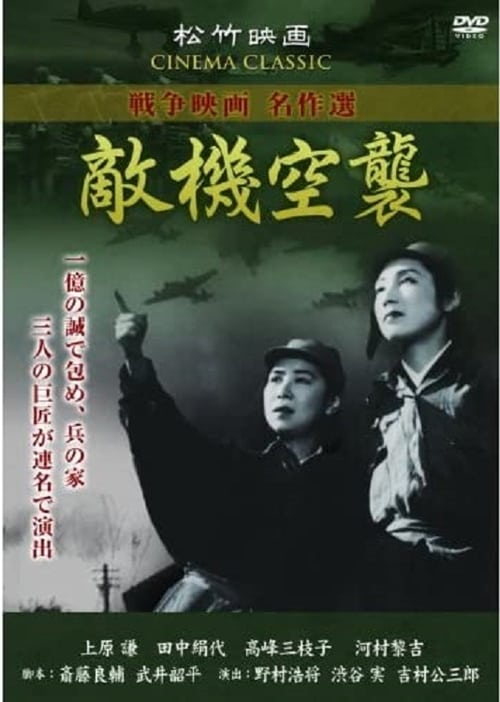
A nurse's tale of self-sacrifice during wartime. The title is borrowed from a patriotic song made popular by singer Hamako Watanabe during the Second Sino-Japanese War.
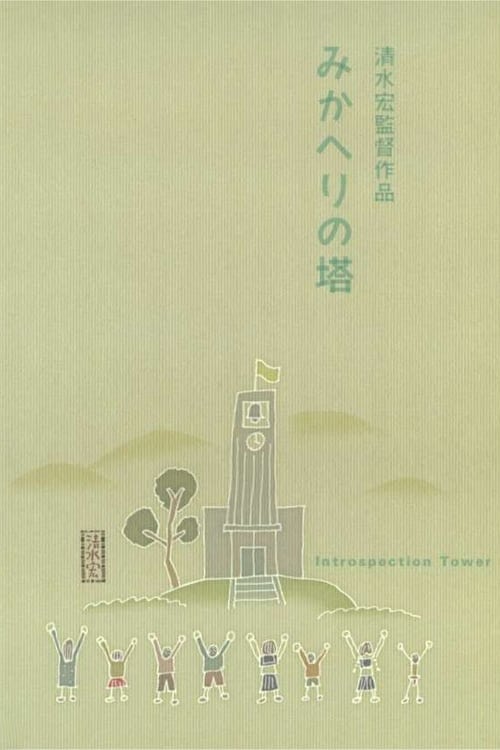
A reformatory in the remote countryside houses 200 delinquents and problem children. The teachers and caretakers face much trouble. The school is often short on water, and one day, the well runs dry.
Shinzaemon has been Sukeroku’s enemy ever since Sukeroku fought and defeated gangs from Shinzaemon’s group at a Kabuki theatre over Agemaki from Miuraya. Sukeroku swears that he will never draw his sword until he finds his family’s treasured blade, Tomokirimaru, so he gets insulted often by Shinzaemon’s men. Bunzaemon redeems Agemaki for Sukeroku ahead of Shinzaemon, but Sukeroku, ever the gentleman, does not accept. When Shinzaemon snatches Agemaki, it is found that he has Tomokirimaru.
After the death of her husband, an elderly woman and her youngest, unmarried daughter are forced to sell their house to cover his debts and decide to move in with one of the former's children, each of whom is scarcely happy to accommodate.
Based on the Sakatayama double suicide
Japanese horror movie from 1929.
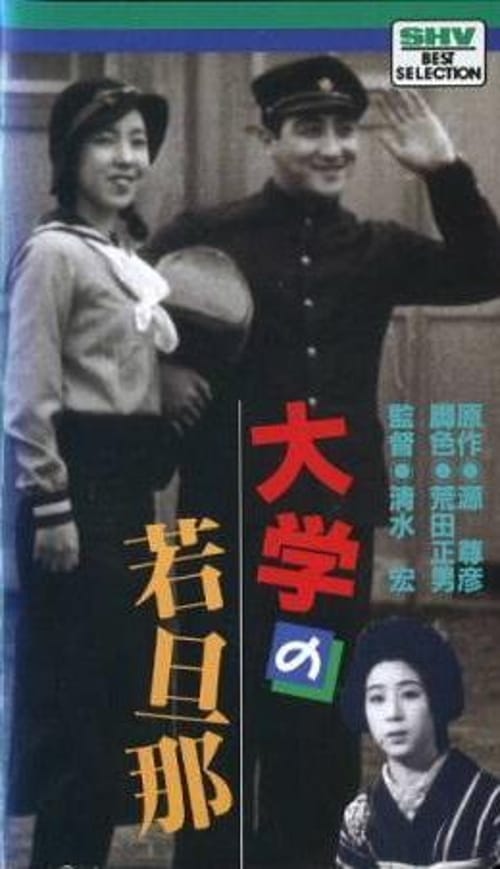
The story deals with Fuji, nicknamed Waka-danna (Young Master), the star athlete on his university's rugby team. The son of a wealthy soy sauce manufacturer, Fuji basks in the glory of his athletic celebrity. Attracting the attention of admiring young women, Fuji resists family pressure to settle down and marry after college. Instead, he spends much of his time drinking and womanizing, behavior which eventually leads the college officials to expel him from the team.
The story of a boy who befriends a lonely middle-aged man.
Japanese war movie.
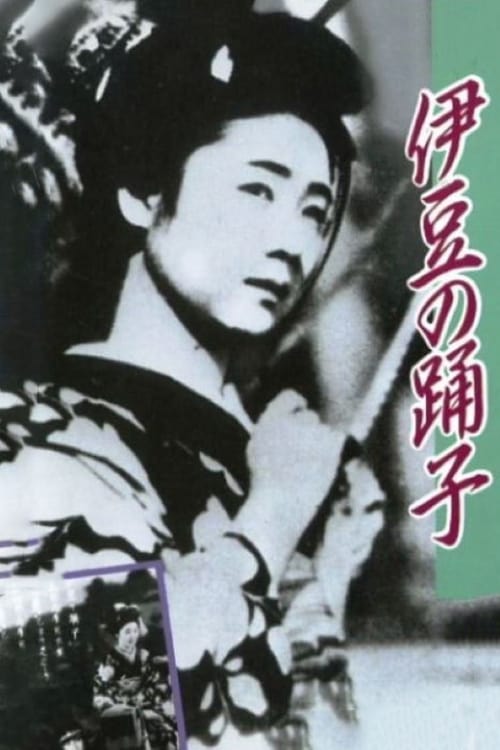
"The Dancing Girl of Izu" tells of the story between a young male student who is touring the Izu Peninsula and a family of traveling dancers he meets there, including their youngest girl. The student finds the naïve girl attractive even though he eventually has to part with the family after spending memorable time together.
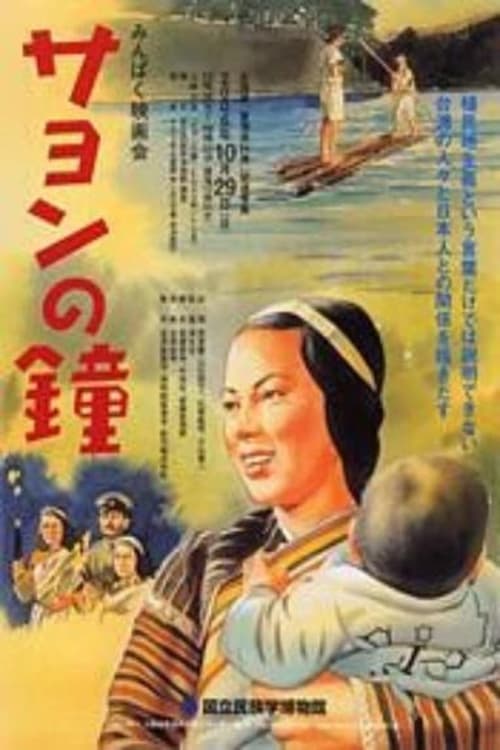
Based on the true story of a 17-year old Atayal girl called Sayun Hayun from Nan'oku village, Giran district, Taihoku Prefecture (in current Taiwan) who went missing and was thought to have drowned whilst helping carry the luggage of her teacher Masaki Takita during a storm in 1938.
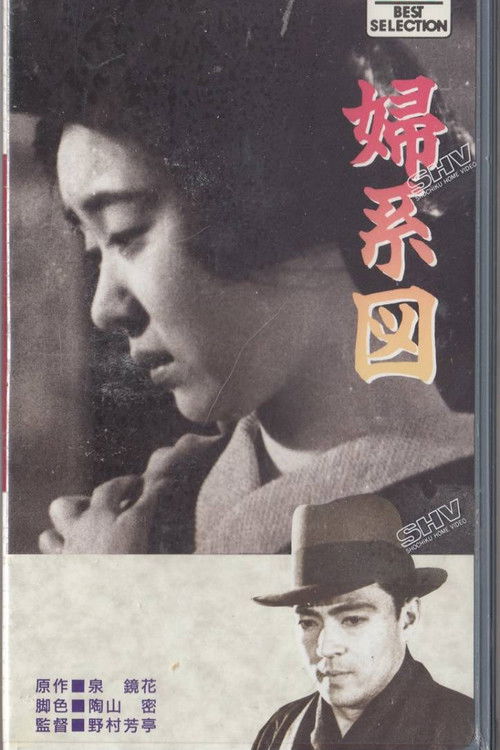
A melodrama by noted auteur and father of director Yoshitaro Nomura, Hotei Nomura. This is apparently the first adaptation of Izumi Kyoka's The Romance of Yushima.
It is considered to be a lost film.
A Japanese screwball comedy about the battle between the sexes: two timid men, egged on by their wives, end up in a bitter duel over an expensive lace handkerchief.
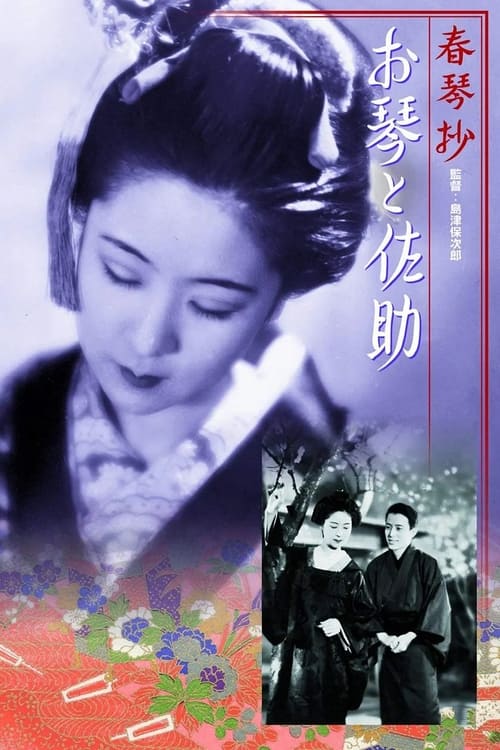
A period piece about the love of a wealthy blind woman, a teacher of koto and shamisen, and her devoted manservant. Based on a novella by Tanizaki Junichiro.
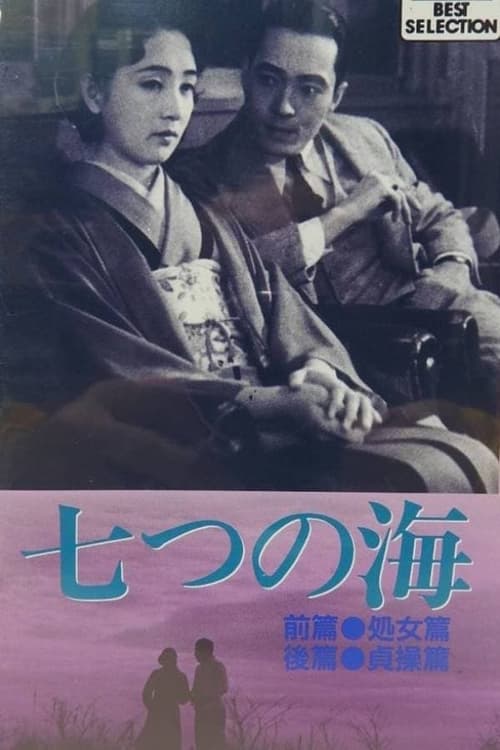
Part two of Shimizu's major silent Seven Seas, a family drama of the intertwining fates of the rich, decadent Yagibashis and the far less prosperous Sone family.
Japanese silent film.
Tsukamoto and Omitsu are close friends, but one day, Tsukamoto becomes fascinated by Ayako, whom he meets at the home of Miyajima.
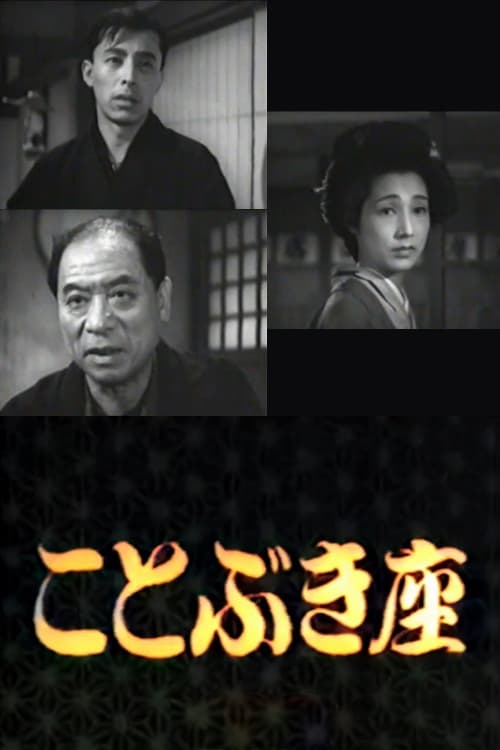
Kotobuki-za is a story of the Naniwa-bushi singer Baichuken Tsurumaru.