Arrigo Boito
Writing
Biography
From Wikipedia, the free encyclopedia - https://en.wikipedia.org/wiki/Arrigo_Boito. Arrigo Boito (24 February 1842 – 10 June 1918) (whose original name was Enrico Giuseppe Giovanni Boito and who wrote essays under the anagrammatic pseudonym of Tobia Gorrio), was an Italian poet, journalist, novelist, librettist and composer, best known today for his libretti, especially those for Giuseppe Verdi's operas Otello and Falstaff, and his own opera Mefistofele. Along with Emilio Praga, and his own brother Camillo Boito he is regarded as one of the prominent representatives of the Scapigliatura artistic movement.
Known For

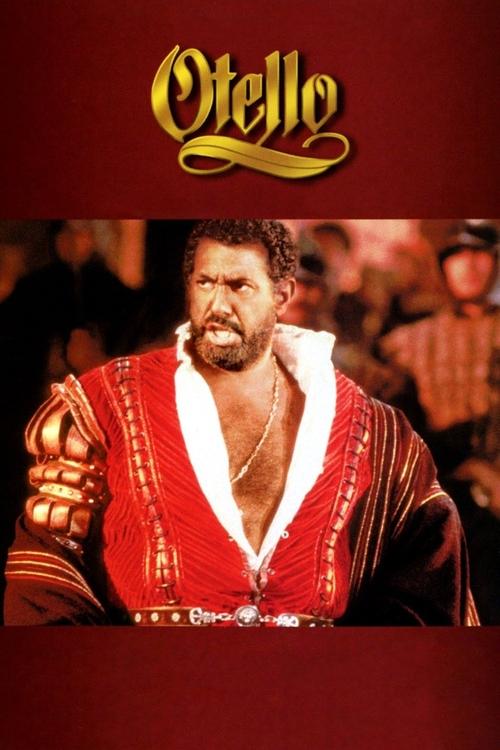
Based on Shakespeare's play, Verdi's opera depicts the devastating effects of jealousy, "...the green-eyed monster which doth mock the meat it feeds upon". Believing Otello has promoted the fast-rising Cassio over himself, Iago plots to destroy both Cassio and Otello. Iago convinces the jealous Otello that his beautiful wife Desdemona is unfaithful, and that Cassio is her lover. Jealousy is followed by tragedy, then retribution, "Has Heaven no more thunderbolts?"
Otello

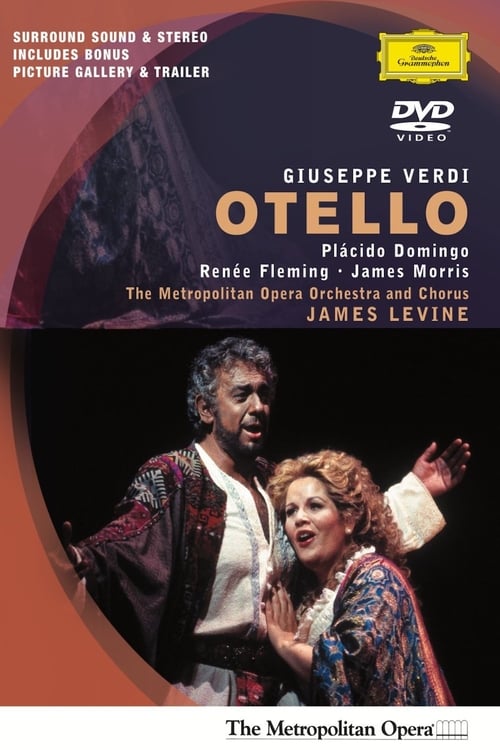
Verdi’s monumental score is fully the equal of Shakespeare’s famous tragedy—and both demand great actors. This is one performance where both playwright and composer are well served. Plácido Domingo’s Otello is one of the glories of the operatic world, beautifully sung and so commandingly acted that audiences are devastated by the end. Renée Fleming’s ravishingly beautiful Desdemona is deeply moving, and as Iago, James Morris is as beguiling as he is menacing. Under James Levine’s conducting the Met orchestra and chorus are vital characters in the drama.
Otello
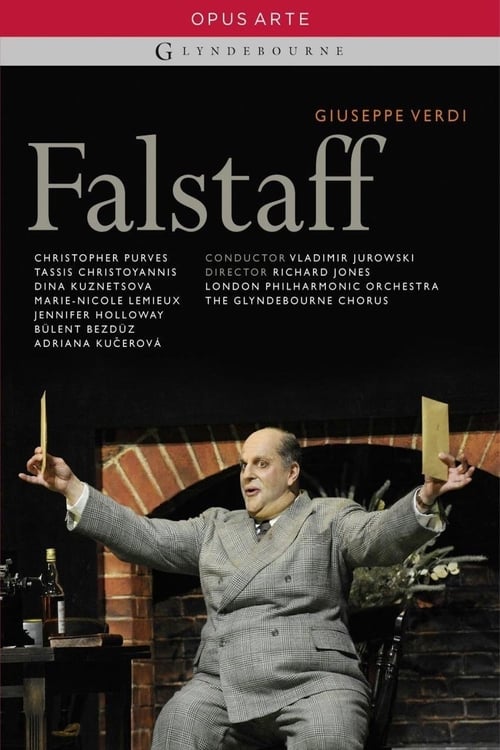
The Graham Vicks production of FALSTAFF opened the new Covent Garden Royal Opera House, and was not to everybody's taste; the garish primary colours of the costumes. The staging is effective--the complicated counterpoint of the ensembles is reflected in unobtrusive blocking that keeps the vocal lines clear and separate, especially in the final fugue. Bryn Terfel's Falstaff is a memorable creation, self-mocking and self-aggrandising at the same time--so much so, in fact, that he almost does not need the vast prosthetic body he has to wear for the part. Desiree Rancatore is an admirably sweet-toned Nanetta; Bernadette Manca di Nissa an appropriately sardonic Mistress Quickly; Roberto Frontali as Ford, in his Act 2 scena, perfectly distils and parodies every jealousy aria ever written, including Verdi's own. Haitink's conducting is exemplary in the lyrical passages, gets almost everything out of the fast and furious comic sections.
Falstaff

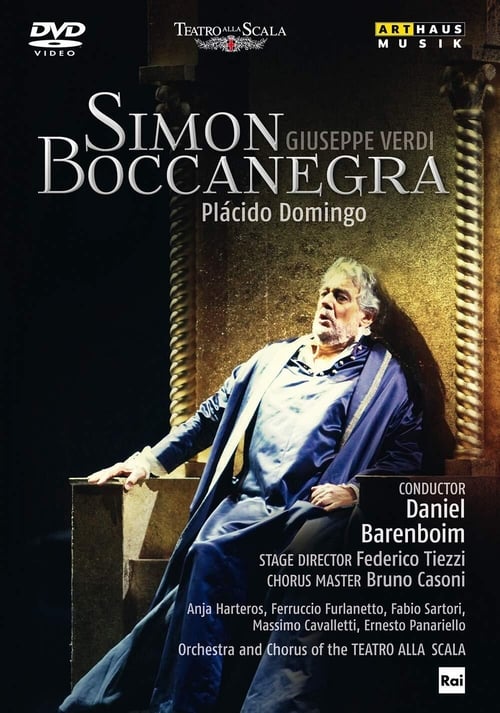
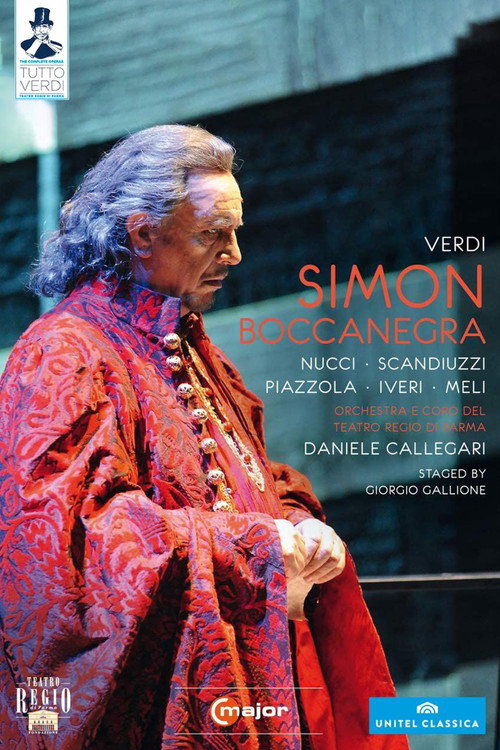
In the 14th century, Genoa was torn apart by strife between the patricians and the plebeians. The sailor Simon Boccanegra and his lover Maria Fiesco bore the brunt of these internal conflicts: Maria’s father was none other than the city’s doge, the patrician Jacopo Fiesco. When he learnt that Maria had borne Simon a child, he placed his daughter under house arrest. The two lovers had entrusted their daughter to an elderly servant, but she died, and the child mysteriously disappeared. ‘Simon Boccanegra’ is an opera in a prologue and three acts by Giuseppe Verdi, with a libretto by Francesco Maria Piave based on a play by Antonio García Gutiérrez. The first version premiered on 12 March 1857 at La Fenice in Venice. A second version, with a libretto revised by Arrigo Boito, premiered 24 years later, on 24 March 1881, at La Scala in Milan. From the box set of 27 Verdi operas, “Tutto Verdi”. Recorded live at the Teatro Regio in Parma on 23, 25 and 28 March 2010.
Verdi: Simon Boccanegra

This was Domingo's last set of performances as Otello in La Scala. In spite of his relatively advanced age, he is still in excellent form, both vocally and in terms of stage presence. Nucci is also his usual self, delivering a performance of very high standard. Barbara Frittoli is an excellent Desdemona, in good voice and gives a very moving performance. Muti conducts with great emotion and tight accuracy, conveying the full orchestral drama of the score.
Otello

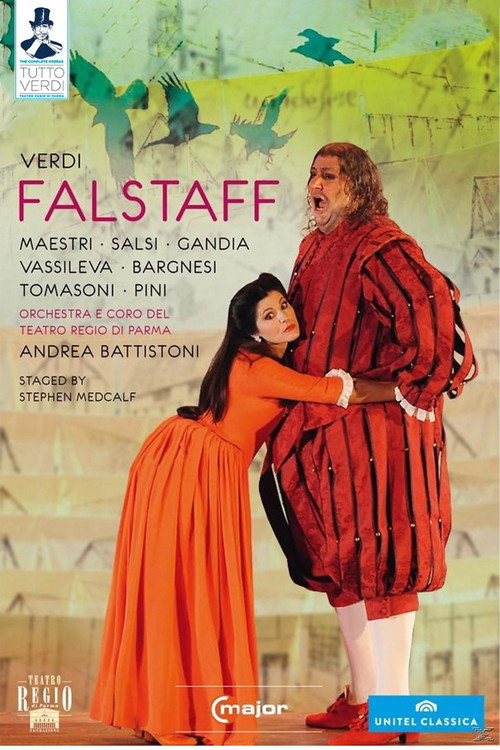
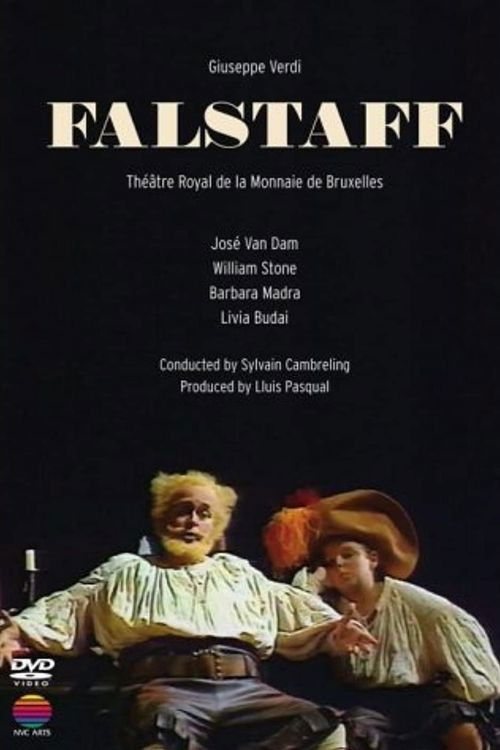
In England, at Windsor during the reign of Henry IV of England (1399–1413). Sir John Falstaff, also known as ‘Il Pancione’ (the Potbelly), has two identical love letters sent out, one to Meg Page and the other to Alice Ford, then delivers a sarcastic lecture on honour to his servants Bardolfo and Pistola. In Ford’s garden, his wife Alice and her friend Meg notice the similarity between Falstaff’s letters and decide to take revenge on him by pretending that Alice is receiving him at home whilst Ford is away. ‘Falstaff’ is a three-act opera buffa by Giuseppe Verdi, with a libretto by Arrigo Boito, based on Shakespeare’s ‘The Merry Wives of Windsor’ and ‘Henry IV’, Parts I and II. It premiered on 9 February 1893 at La Scala in Milan and on 18 April 1894 at the Opéra-Comique in Paris. It was the last opera composed by the composer, then aged 80. Taken from the 27-opera Verdi box set “Tutto Verdi”. Recorded live at the Teatro Regio in Parma on 10, 12, 15, 22 and 25 October 2011.
Verdi: Falstaff

This evocative production by Giancarlo Del Monaco sumptuously captures the look and feel of 14th century Genoa and is a perfect compliment to Verdi’s setting of this story of searing conflict between public duty and private grief. Plácido Domingo is Gabriele Adorno, sworn enemy of the doge of Genoa, Simon Boccanegra (Vladimir Chernov). Gabriele is in love with the beautiful Amelia (Kiri Te Kanawa at her most affecting) who turns out to be none other than the long-lost daughter the doge. James Levine’s authoritative conducting of the Met orchestra and chorus reveals the dark power of Verdi’s score. Performed January 26th, 1995.
Giuseppe Verdi: Simon Boccanegra

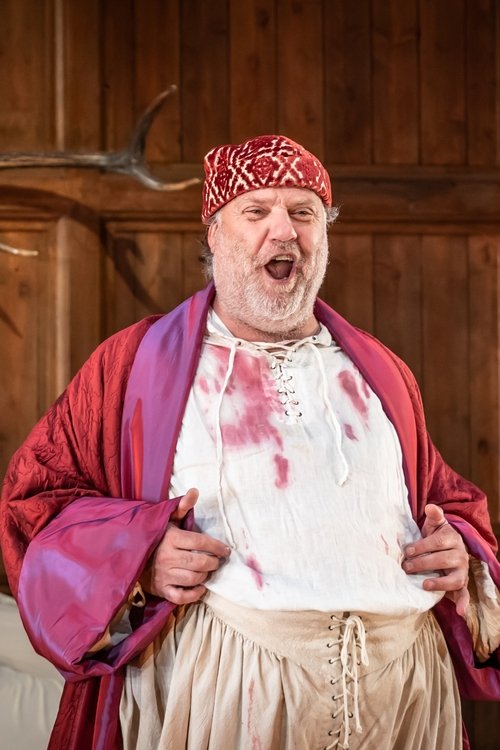
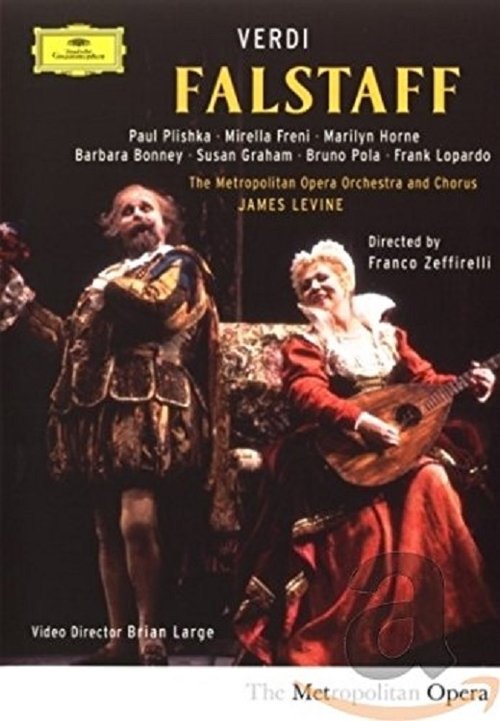
Baritone Michael Volle stars as the caddish knight Falstaff, gleefully tormented by a trio of clever women who deliver his comeuppance, in Verdi’s glorious Shakespearean comedy. Maestro Daniele Rustioni takes the podium to oversee a brilliant ensemble cast that features sopranos Hera Hyesang Park and Ailyn Pérez, mezzo-soprano Jennifer Johnson Cano, contralto Marie-Nicole Lemieux, tenor Bogdan Volkov, and baritone Christopher Maltman.
The Metropolitan Opera: Falstaff

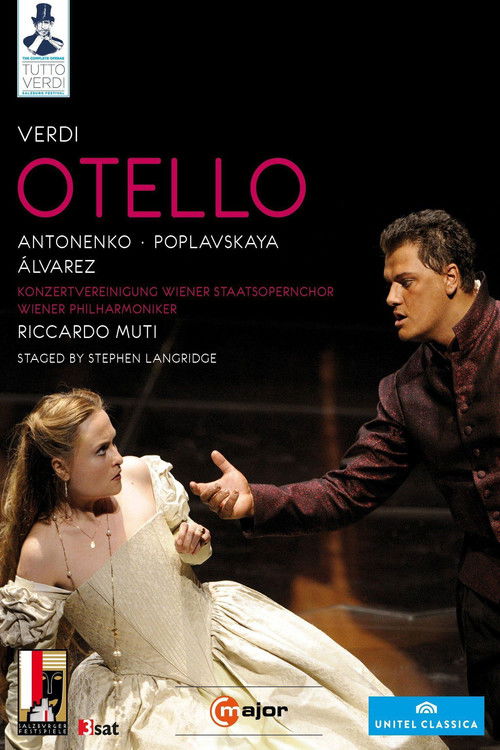
In the 16th century, in Cyprus, at the port of Famagusta, General Otello arrives with his ship after defeating the Turkish navy in the Mediterranean and securing Venetian rule over Cyprus, but jealousy, conspiracy and revenge lead to tragedy. ‘Otello’ is an opera in four acts by Giuseppe Verdi, with a libretto by Arrigo Boito based on William Shakespeare’s ‘Othello, the Moor of Venice’, and premiered on 5 February 1887 at La Scala in Milan. Taken from the ‘Tutto Verdi’ box set of 27 Verdi operas. Recorded live at the Salzburg Festival, 5–10 August 2008.
Verdi: Otello

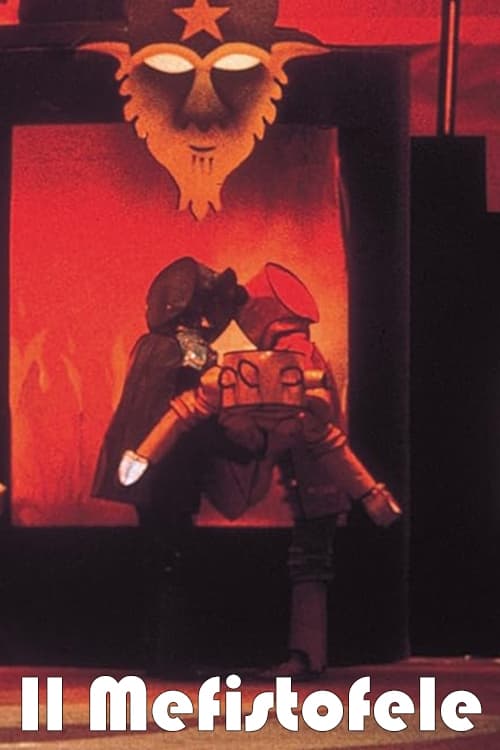
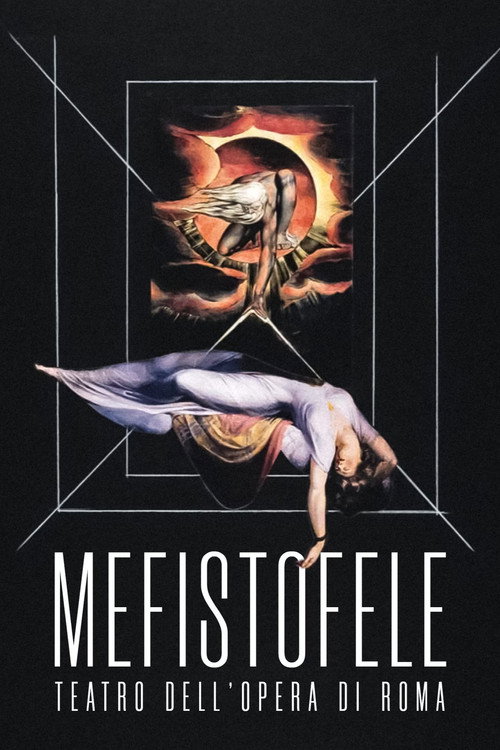
The director, Roland Schwab, has created his version of Hell. The set is like a high iron walled hanger and the stage is continually occupied with people who look like fugitives from Mad Max and who interact with Mefistofele. The orchestra and choir are wonderful. Rene Pape gives a nuanced interpretation with a certain amount of sardonic humour under the evil. His singing and acting are first rate, as is that of Kristine Opolais and Joseph Calleja.
Mefistofele

The season kicks off with Boitos resplendent retelling of Goethes Faust, a monumental work of 'choral grandeur and melodic richness' (The New York Times) in one of the most impressive productions ever seen at the War Memorial Opera House. The cast includes Ramón Vargas, a tenor 'in ravishing voice' (Financial Times), as the philosopher who sells his soul to the Devil; the 'luminous, compelling' Patricia Racette (Washington Post) as the woman he desires; and, in the vividly menacing title role, the 'seductively malevolent' bass-baritone Ildar Abdrazakov, a 'fullbodied bass-baritone' renowned for his 'wonderfully evil portrayals' (The New York Times).
Mefistofele

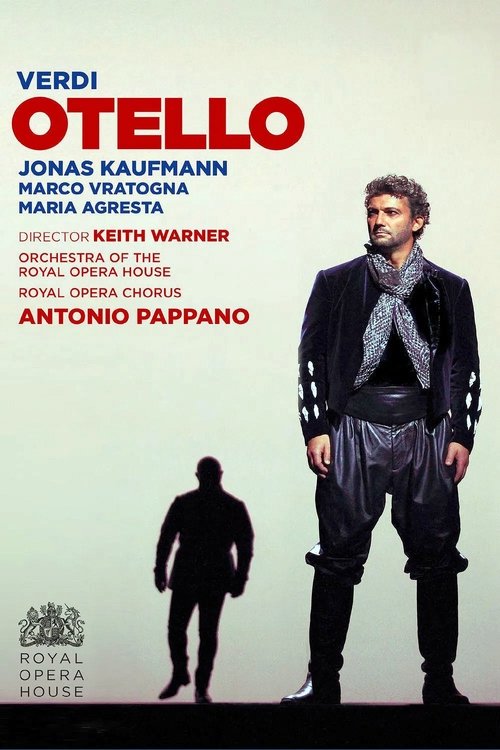
On a June night in 2017, opera lovers thronged to the Royal Opera House in London to hear tenor Jonas Kaufmann, recently acclaimed by The Daily Telegraph as the world s greatest tenor, make his eagerly anticipated debut in the title role of Otello Verdi s greatest and most demanding role for tenor voice. As the New York Times wrote Mr. Kaufmann made his debut in the part, and he calmly, confidently sang it for the ages.
Kaufmann's Otello at the Royal Opera House

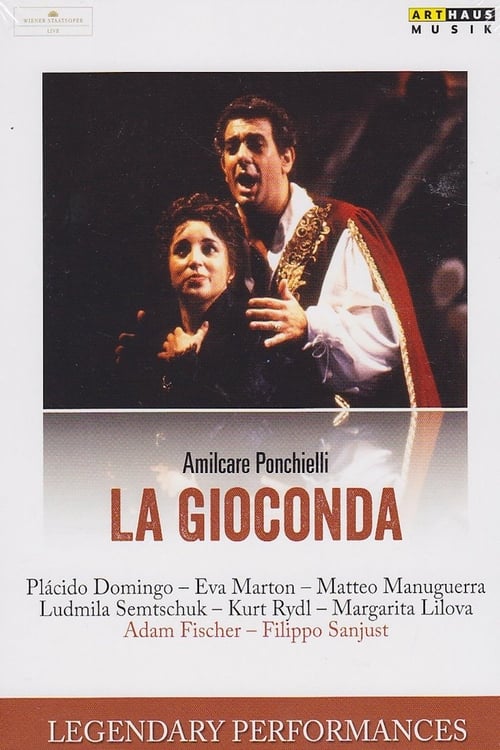
Recorded live at the Vienna State Opera, Placido Domingo and Eva Marton star in a sumptuous recording of Ponchielli's famed four-act melodrama, a story of tyranny and intrigue set in semi-historical and ever-romantic Venice. The action is projected by strong characters whose fundamentally sound instincts become distorted by raw passion. The performance draws upon both human and technical resources including a large ballet and varies in mood from the happy carnival to scenes of the darkest gloom and horror.
La Gioconda

Music Director James Levine conducts his first new Met production after a two-year absence: Robert Carsen’s hit staging of Verdi’s great human comedy. Ambrogio Maestri is an ideal Falstaff, leading an extraordinary ensemble cast of veteran and up-and-coming Met stars, including Angela Meade (Alice), Stephanie Blythe (Mistress Quickly), Franco Vasallo (Ford), and Jennifer Johnson Cano (Meg). Lisette Oropesa and Paolo Fanale are the young lovers, Nannetta and Fenton.
Verdi: Falstaff

The complete version of Verdi's Otello performed by Placido Domingo and Kiri Te Kanawa, at the Royal Opera House, Covent Garden. Gala Performance in honour of Sir Georg Solti's 80th birthday.. 27 October 1992. BBC 2 Television live relay.
Otello

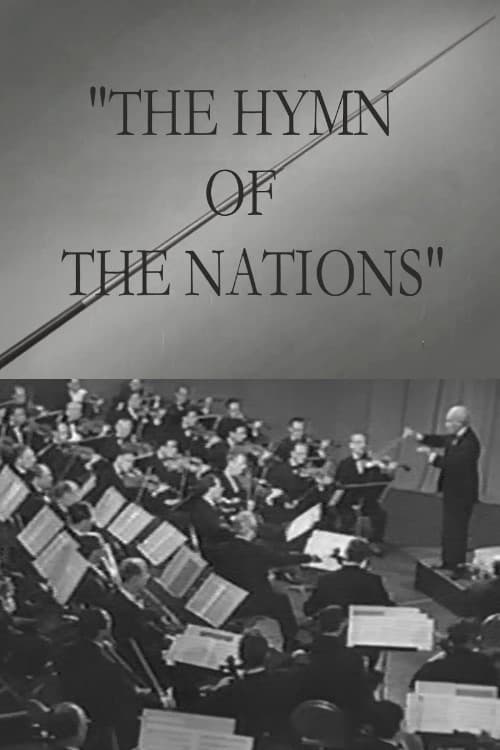
Commissioned by the U.S. Office of War Information, this short film features conductor Arturo Toscanini leading the NBC Symphony Orchestra, tenor Jan Peerce, and the Westminster Choir in Verdi’s Inno delle nazioni. Originally composed in the 1860s as a musical tribute to Europe, Toscanini expanded the score to include The Star-Spangled Banner and The Internationale in honor of the Allied struggle and Italian partisans. Filmed in NBC’s Studio 8H, the documentary interweaves performance with scenes of Toscanini at home, emphasizing his anti-fascist stance and celebrating the liberation of Italy. Preserved by the Academy Film Archive in 2010.
Hymn of the Nations

No description available.
Verdi: Falstaff - Teatro Real

The ambiguities of Verdi’s theatre are particularly clear in his baritone roles, among which is that of Boccanegra, corsair turned doge of Genoa and the troubled observer of the conflicts that tore apart 14th century landowners and peasants. An eminently political opera in which power struggles are interwoven with family conflicts, Simon Boccanegra echoes the life of its composer – the man who championed the cause of Italian unification and overcame the loss of his wife and children. Calixto Bieito, that most Shakespearean of opera directors, brings humanism and truth to a work haunted by gleaming images of the sea.
Verdi: Simon Boccanegra

One of the chief pleasures of this live production of Otello from the Berlin Staatsoper Unter den Linden is Daniel Barenboim's conducting. From the opening gale-force blast of storm music, through the crunching and stabbing accompaniment of Iago's "Credo" to the shimmering strings of Desdemona's "Willow Song", he doesn't miss a trick. Everything works at the highest pitch of intensity and the orchestra sticks to his beat like glue. It's a necessary compensation for the shortcomings of the staging: the stolid chorus remains unperturbed by the storm and is directed to perform with unison movements; the acting (apart from Valeri Alexejev) is non-committal, and Alexandre Tarta's video direction somewhat flat-footed. She doesn't manage to make much small-screen sense of an impenetrably murky opening scene, for example, and doesn't seem fond of reaction shots.
Otello

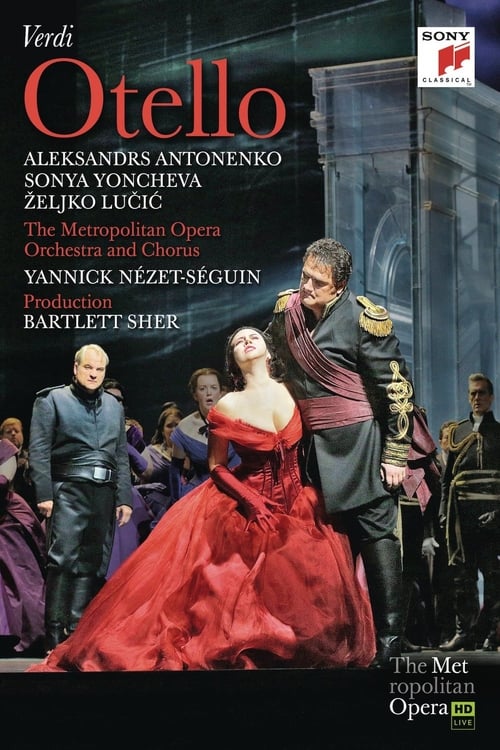
Tony Award winner Bartlett Sher’s bold new production probes the psychological underpinnings of Verdi’s dynamic setting of Shakespeare’s great tragedy. At the helm of this performance is riveting conductor Yannick Nézet-Séguin, who brings out all the cascading emotions in Verdi’s turbulent score. Aleksandrs Antonenko is the Moor Otello, the triumphant general of the Venetian army who is ultimately brought down by the sly insinuations of his friend Iago (Željko Lučić). Sonya Yoncheva continues to win fans as Desdemona, Otello’s faithful and long-suffering wife. With Günther Groissböck as Lodovico and Dimitri Pittas as Cassio.