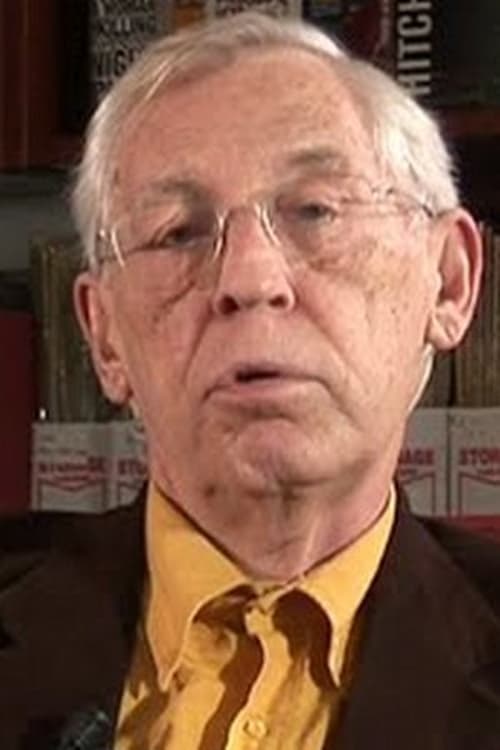
Adriano Aprà
Acting
Known For

No description available.
Un film et son époque
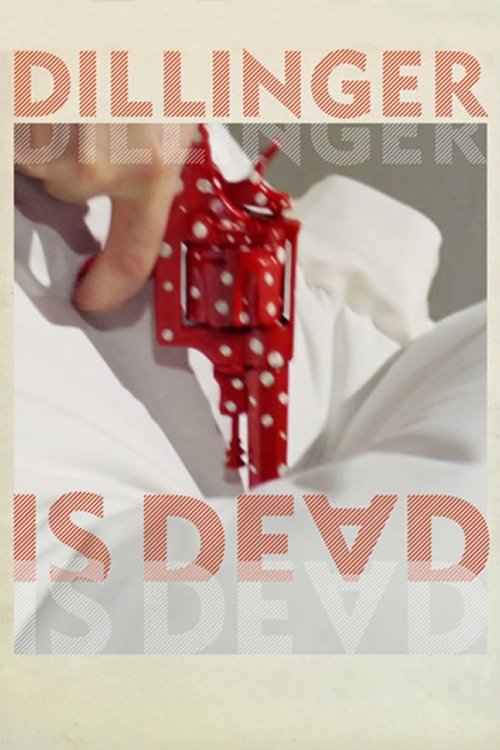
A man decides to cook for himself and finds a revolver (which may have belonged to John Dillinger) hidden in his kitchen.
Dillinger Is Dead
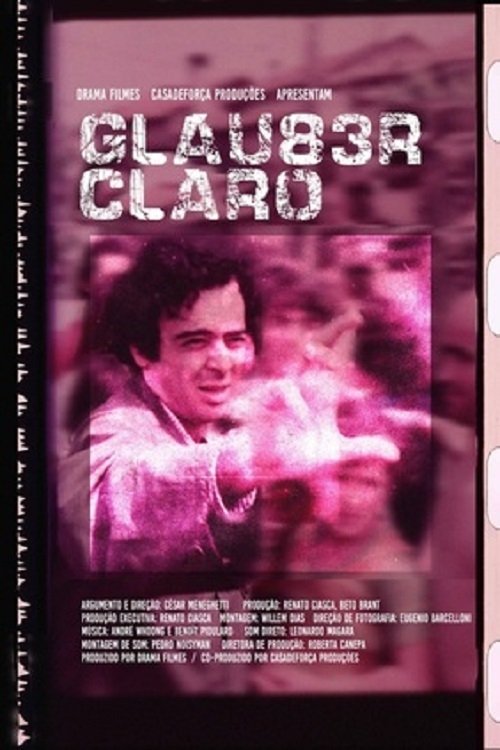
A deep dive into Glauber Rocha's years exiled in Italy in the 70s. Through a collection of interviews and archives, the movie shows the making of his film Claro (1975) and his relation with European auteurs in their filmic and political views.
Glauber, Claro
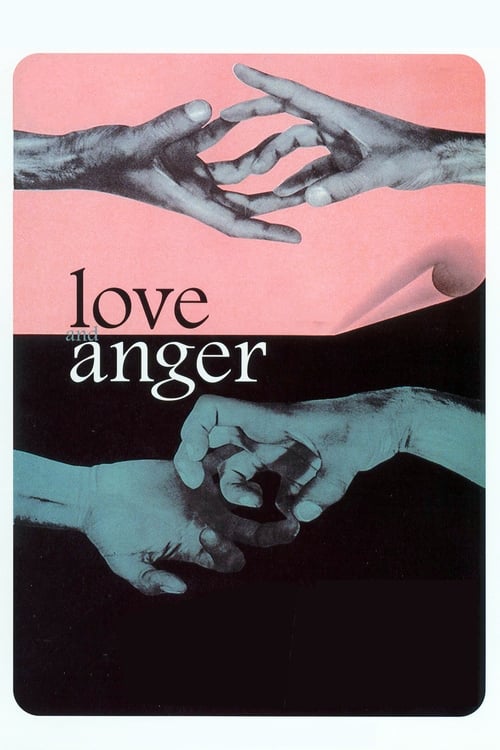
Five short stories with contemporary settings. In New York, people are indifferent to derelicts sleeping on sidewalks, to a woman's assault in front of an apartment building, and to a couple injured in a car crash. A man, stripped of his identity, dies in bed with actors expressing his agony. A cheerful, innocent young man walking a city street in a time of war pays a price for this innocence. A couple talks about cinema while it watches another couple talk of love and truth on the eve of one character's return to Cuba. Striking students take over a university classroom; an argument follows about revolution or incremental change.
Love and Anger
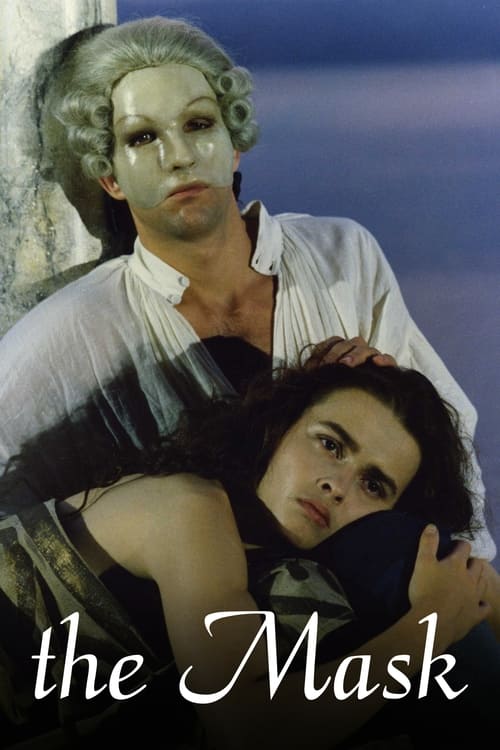
A debauched nobleman offers himself to a beautiful woman, but she is repelled by his advances. He dons a mask and tries again, and this time is more successful. But the mask cannot conceal the evil in his soul.
The Mask
A portrait of Italy in the 60's and 70's, based on films by Marco Bellocchio.
Journey into the Twilight
Fuori Orario airs for the first time the 13 hours of footage from which Alberto Grifi and Massimo Sarchielli made Anna, plus other video material filmed during the same period. Anna's 'off-screen footage' allows us to take an even closer look at the characters and events that are the protagonists of this unique film.
Fuori campo di Anna
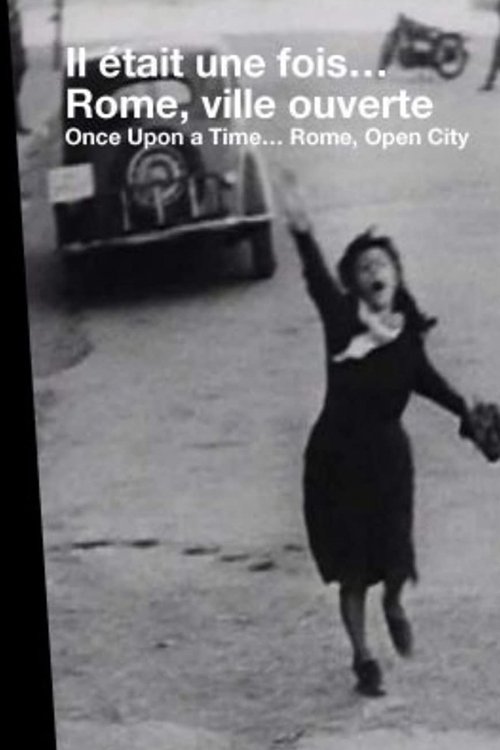
Television documentary about the making of Roberto Rossellini's 1945 film "Rome, Open City".
Once Upon a Time... 'Rome, Open City'
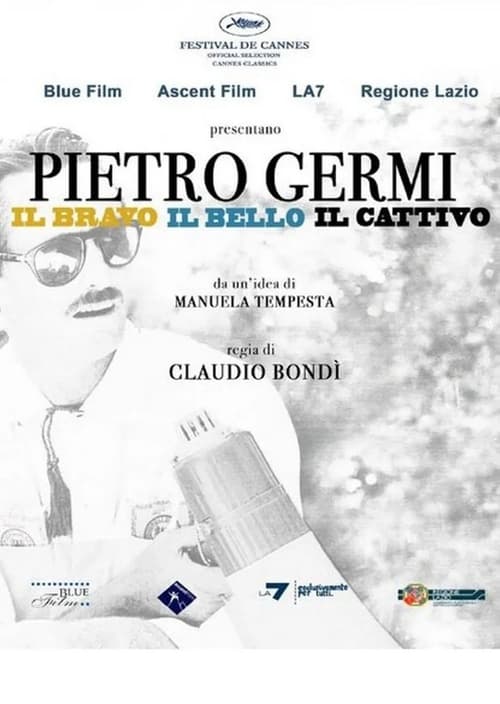
This portrait of the Italian director & actor, Pietro Germi, explores his work, from Italian neorealism to the birth of the Italian comedy. He constructed his movies in a conventional way but also experimented new path. His favorite actresses such as Clau
Pietro Germi - The Good, The Beautiful and The Bad
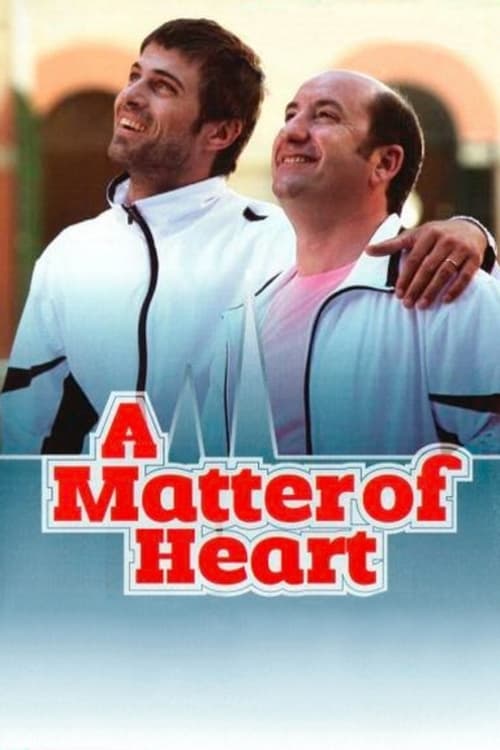
Garage owner Angelo and big-time film producer Alberto find themselves occupying neighbouring beds in a Rome hospital after suffering heart attacks. Alberto is a gregarious joker - and chain smoker - who has a strong effect on the impressionable Angelo. However, as one of the men's condition deteriorates, the other becomes more deeply involved in his personal life.
A Matter of Heart
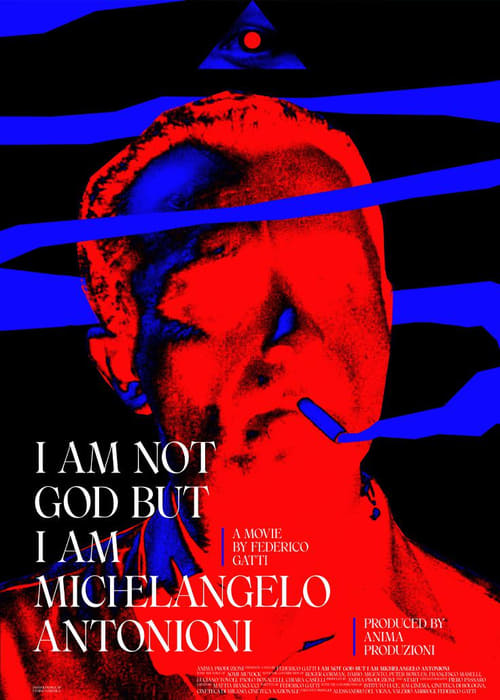
A documentary which explores the life and the career of Michelangelo Antonioni, one of the greatest Italian directors, through archival footage and interviews.
I Am Not God But I Am Michelangelo Antonioni
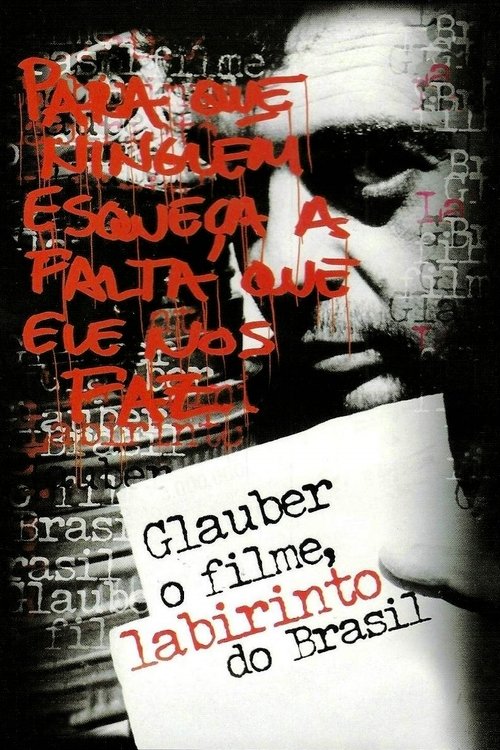
Documentary about Brazilian filmmaker Glauber Rocha, one of the most important names in the Cinema Novo, with interviews with some of his friends and colleagues.
Glauber Rocha - The Movie, Brazil's Labyrinth
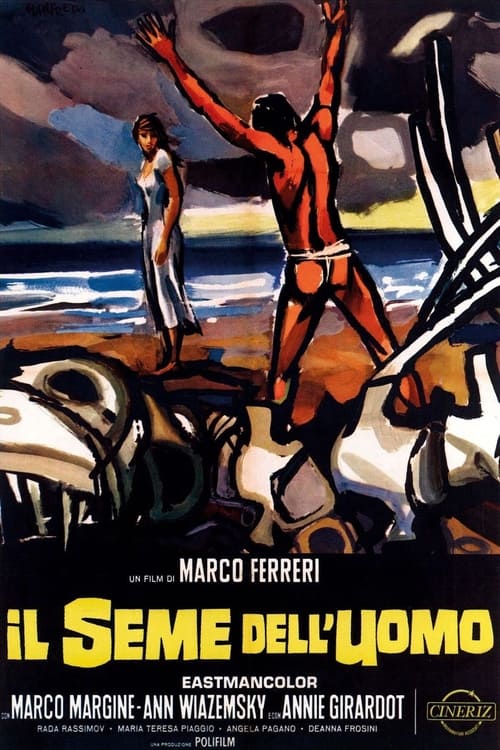
During a Post-Apocalyptic period in the near future the majority of the European population has been wiped out by some sort of undefined plague. Cino and Dora, a young couple, are rounded up by what constitutes the authorities on an isolated temporary base. They are examined and given antibiotics which will protect them for six months, told to pick out a deserted house to live in the area, and use that time to conceive a child.
The Seed of Man
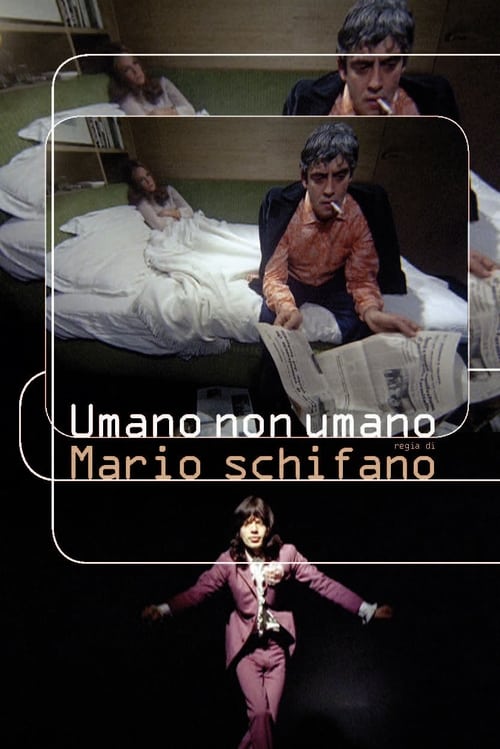
Artists and poets meet in a dreamlike space between walks and performances.
Umano Non Umano
No description available.
Marco Melani - The Man With The Golden Eye : Scheggia dall'ultima versione
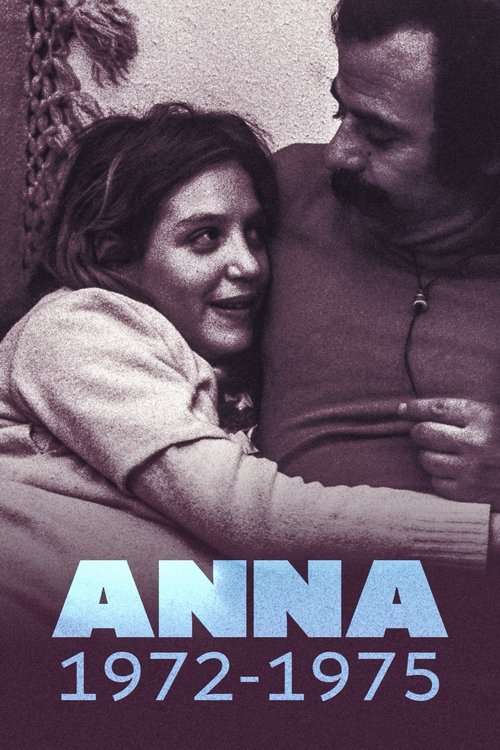
I Fuori Campo di Anna are approximately 30 tapes containing the video footage from which the film was edited, along with other video material shot during the same period. Thanks to the work of Annamaria Licciardello, the Cineteca Nazionale, the A.P.S. Grifi, and the La Camera Ottica lab in Gorizia, these hours of footage have been restored and made accessible.
Fuori Campo di Anna

In this visual essay, renowned film critic and historian Adriano Apra takes a closer look at Bernardo Bertolucci's work with Pier Paolo Pasolini on La Commare Secca and discusses its poetic qualities and visual style; Before the Revolution, which was inspired by the French Nouvelle Vague; Agony, a segment from the anthology film Love and Anger; the politically charged Partner, with Pierre Clémenti, which was filmed during the '68 student riots; and The Spider's Stratagem. Adriano Apra also discusses The Conformist and its unusual color scheme, the camera movement, the lensing, etc. Also included in the essay are clips from a very long interview with the Italian director in which he explains how The Conformist came to exist, and discusses its production history, its script and Alberto Moravia's novel, the casting process, the key conflicts in the film, etc.
In the Shade of the Conformist
No description available.
Satellite
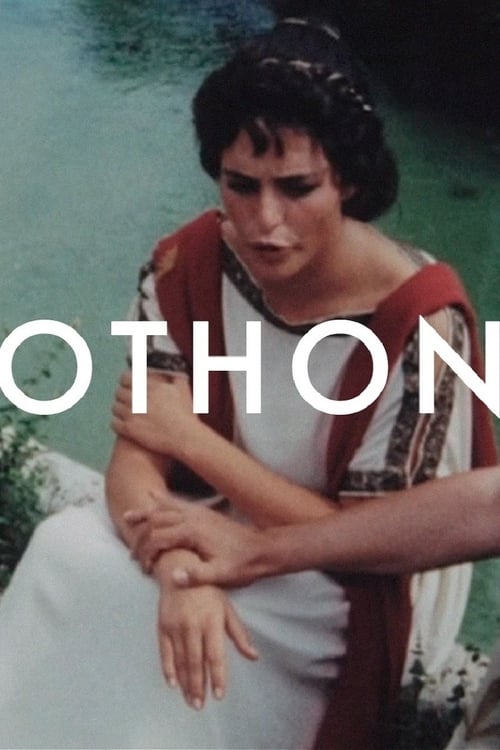
Straub-Huillet’s first color film, adapts a lesser-known Corneille tragedy from 1664, which in turn was based on an episode of imperial court intrigue chronicled in Tacitus’s Histories. The costuming is classical, and the toga-clad, nonprofessional cast performs the drama’s original French text amid the ruins of Rome’s Palatine Hill while the noise of contemporary urban life hums in the background. Their lines are executed with a terrific flatness and frequently through heavy accents; the language in Othon becomes not merely an expression but a thing itself, an element whose plainness here alerts us to qualities of the work that might otherwise be subordinated.
Othon
"The Man With The Golden Eye" tells the extraordinary figure of Marco Melani through a live projection of materials collected in over ten years of research. Found footage, unpublished interviews with cinema and television personalities, fragments of films, extracts from television programs, photographs, readings and interventions by the author, intertwine giving voice to a chorus of precious testimonies.