Acting
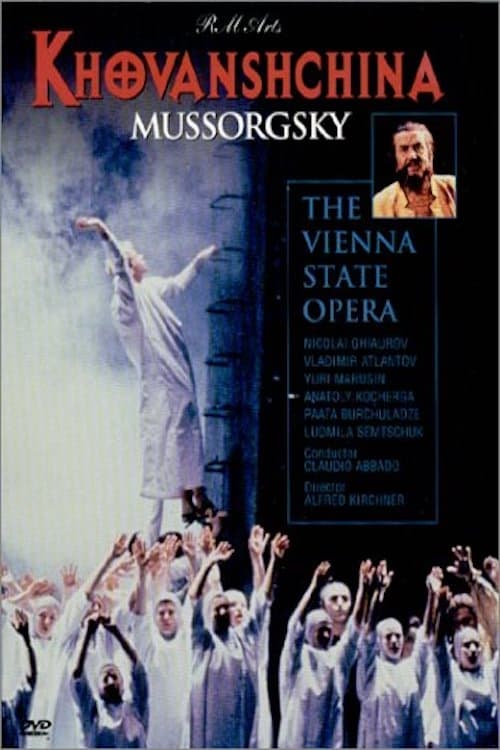
The last and arguably finest opera of Modest Mussorgsky is captured in one of its most powerful interpretations in this 1989 recording from the Vienna State Opera, conducted by Claudio Abbado. A moody opera that is thematically broad at times and intimately personal in others, "Khovanshchina" tells the story of the 17th-century clash between Russian conservatives and Peter the Great's reformists. Among the singers is renowned basso Nicolai Ghiaurov and Paata Burchuladze, as well as Anatoly Kocherga, Ludmila Semtchuk, and Heinz Zednik.
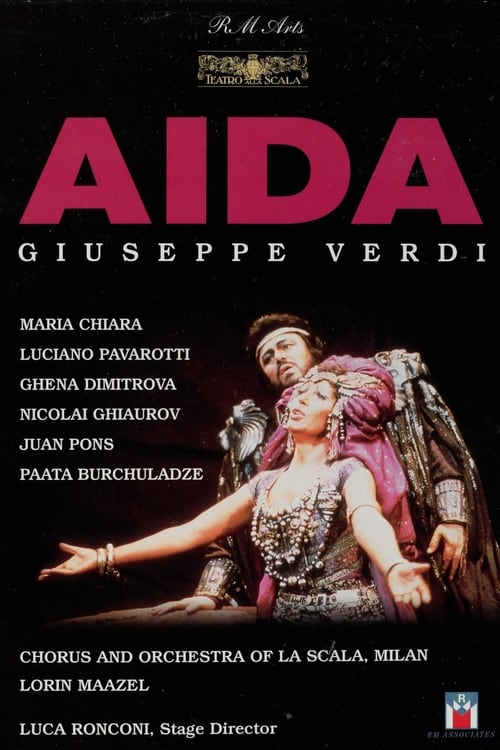
La Scala went all out for its 1986 production of this grandest of grand operas, with a strong cast and, most important for a video recording, a larger-than-life staging. The Triumph Scene in Act II is by no means Aida's only attraction, but it is the part that makes the strongest and most lasting impression and it is the visual and musical climax of this production. Stage director Luca Ronconi brings on a procession to dwarf all processions: looted treasures, heroic statuary, miserable captives struggling under the lash of whip-bearing slave drivers. On par with these visuals is Lorin Maazel's first-class performance of the popular Grand March with the outstanding La Scala chorus and orchestra. In Act III, the contrasting tranquility of the Nile Scene also gets a visual treatment to match the music's qualities.
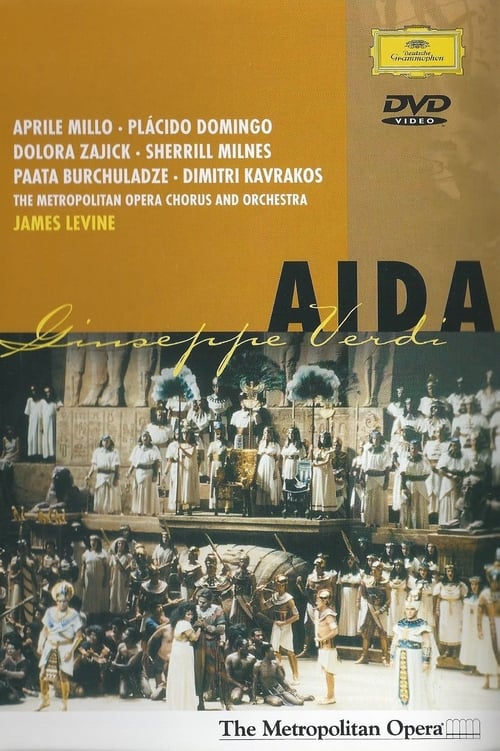
AIDA, an Ethiopian princess, is captured and brought into slavery in Egypt. A military commander, Radamès, struggles to choose between his love for her and his loyalty to the Pharaoh. To complicate the story further, Radamès is loved by the Pharaoh's daughter Amneris, although he does not return her feelings. Sonja Frisell’s production captures all the grandeur and excitement of Verdi’s monumental opera, particularly the great triumphal scene where the Egyptian army, led by Radamès (Plácido Domingo), returns victorious from war. Aprile Millo is Aida, the slave girl whose love for Radamès has her squaring off with Amneris (Dolora Zajick), the Egyptian princess who also loves him. Sherrill Milnes is Amonasro, and James Levine leads The Metropolitan Opera Orchestra, Chorus, and Ballet.
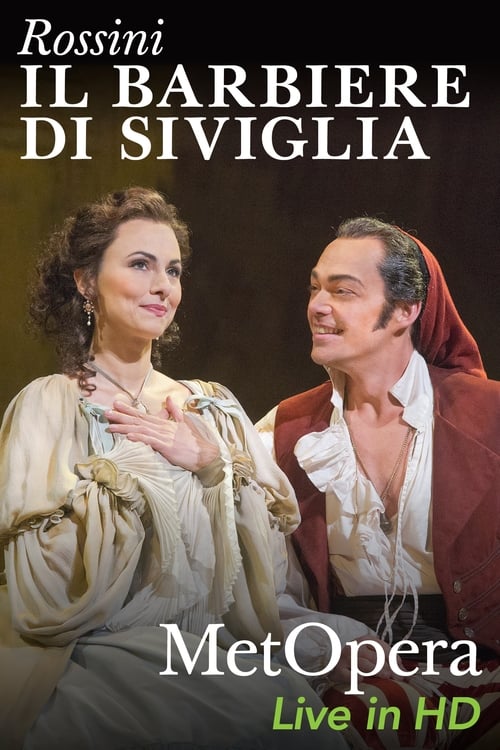
A youthful cast brings Rossini’s immortal comedy to sparkling life, led by Christopher Maltman as Figaro, the resourceful barber and man-about-town of the title. The lovely Isabel Leonard is Rosina, the clever young woman at the center of the story, and Lawrence Brownlee sings Count Almaviva, the man who loves her and—with Figaro’s help—rescues her from the house of her elderly and smitten guardian, Bartolo, played by Maurizio Muraro. Paata Burchuladze is the bumbling music master Basilio, and rising conductor and bel canto specialist Michele Mariotti leads the Met’s musical forces in Bartlett Sher’s lively production.
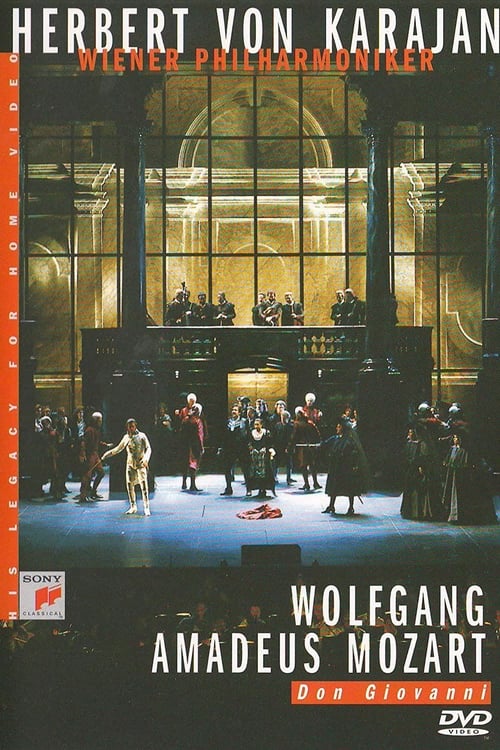
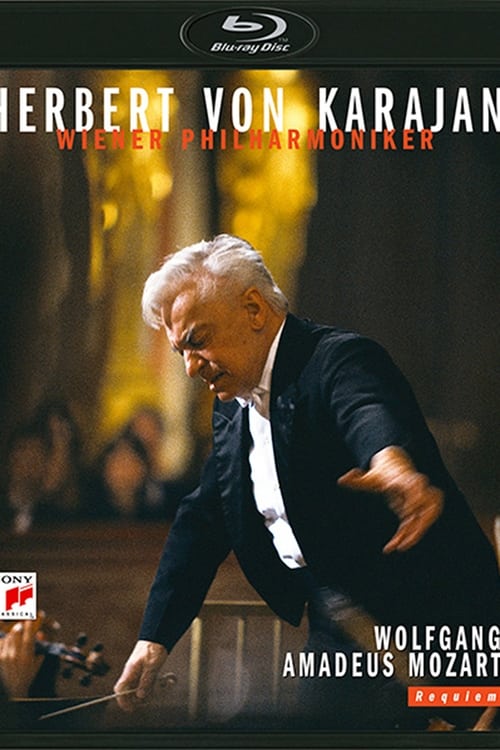
Live performance from Salzburger Festspiele in 1987. Herbert von Karajan conducting the Wiener Philharmoniker and Wiener Staatsopernchor. Stage director Michael Hampe. Starring Samuel Ramey and Anna Tomowa-Sintow.
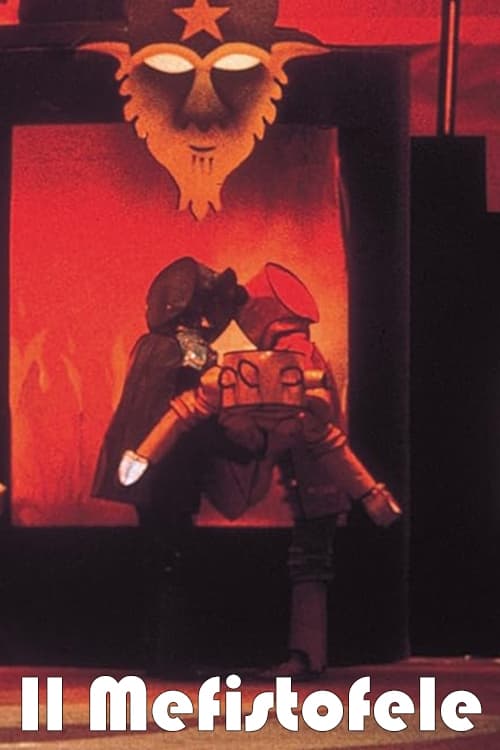
Arrigo Boito's most known work is Il Mefestefele, first performed in 1868. Russell's modern interpretation presented by the Genoese Opera has Faust as an ageing hippy, who smokes marijuana and is tormented by his lost youth. Mephisto bets God that he can turn anyone to pagan life, even someone as innocent as Faust. It becomes a battle of good against evil in a flamboyant, surreal display of primary colours, PVC costumes, nurses with swastikas, rocket trips, love and even characters dressed as Donald Duck and Mickey Mouse.
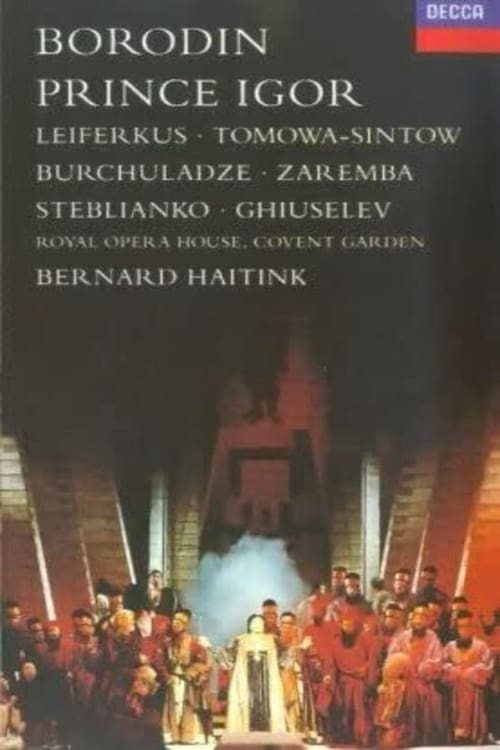
TV movie version of the famous Prince Igor opera
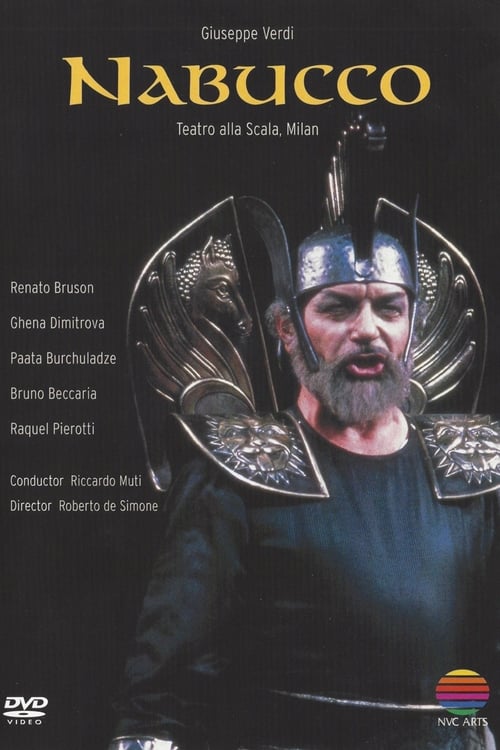
Live performance from La Scala in Milan. Nabucco was the first production of the theatre's 1986-87 season.
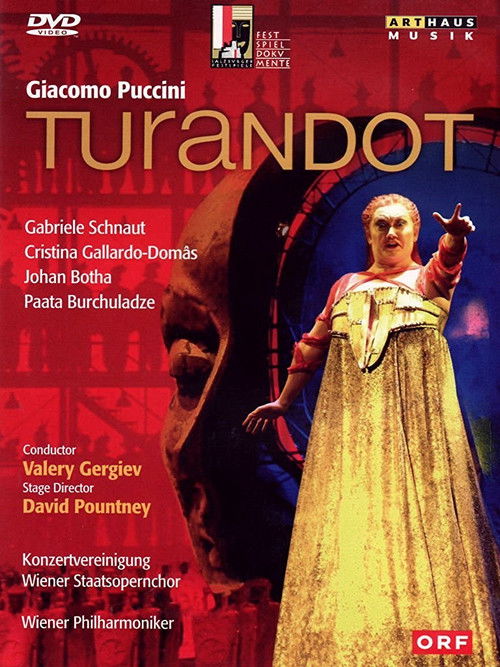
Valery Gergiev leads the Vienna Philharmonic Orchestra in this production of Puccini's opera, recorded live at the Salzburger Festspiele in 2002. David Pountney's production features performances by Gabriele Schnaut, Paata Burchuladze, Johan Botha and Cristina Gallardo-Domas. This production uses Luciano Berio's 2001 completion of this unfinished opera.
No description available.
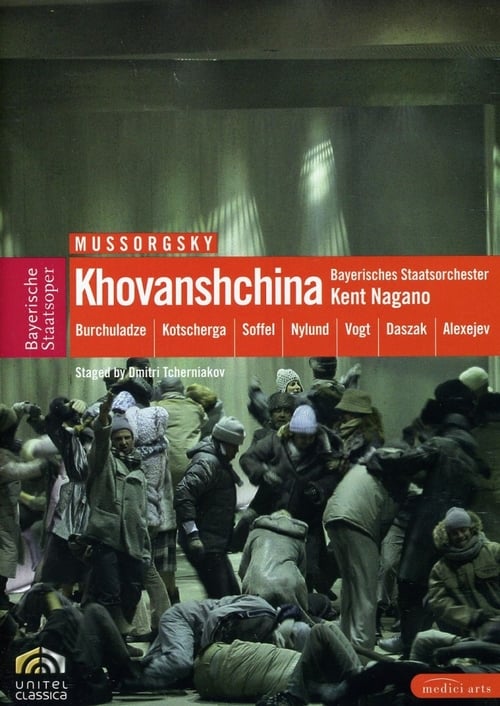
Kent Nagano superbly masters the challenges presented by this score, shapes the dynamics with subtle intensity, and casts the score in a mellow glow. As Marfa, the spurned lover of Ivan Khovansky‘s son Andrei, Doris Soffel unfolds such a rich palette of sonorities, from the pathos of the lower ranges to shaded discant heights, that “one is tempted to speak of a Russian mezzo”. The final chorus, which Mussorgsky did not compose, is played in the orchestrally transparent version of Igor Stravinsky – the third great Russian composer who contributed to making “Khovanshchina“ a timeless, gripping stage work. With his stripped-down sets and historicising costumes, director Dmitri Tcherniakov, one of the new voices of contemporary Russian theatre, builds a bridge to the political present. A lesson in history and music!