Sándor Zsótér
Acting
Biography
Sándor Zsótér was born on June 20, 1961 in Budapest, Hungary. He is an actor and writer, known for White God (2014), El hijo de Saúl (2015) and Isteni müszak (2013).
Known For

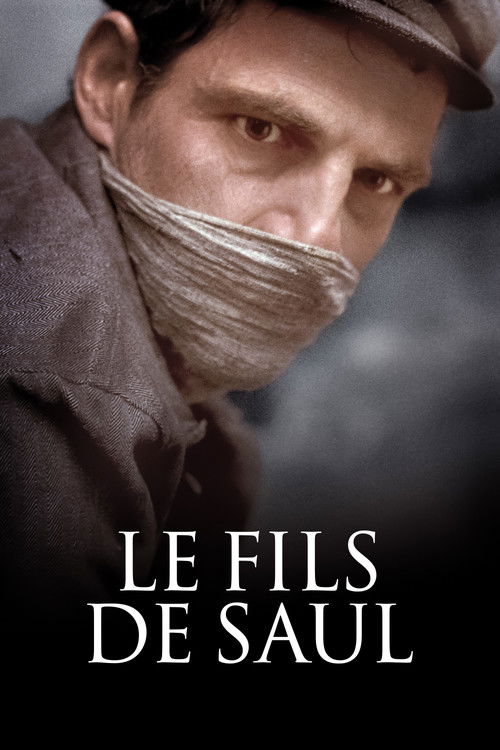
In the horror of 1944 Auschwitz, a prisoner forced to burn the corpses of his own people finds moral survival trying to save from the flames the body of a boy he takes for his son, seeking to give him a proper Jewish burial.
Son of Saul

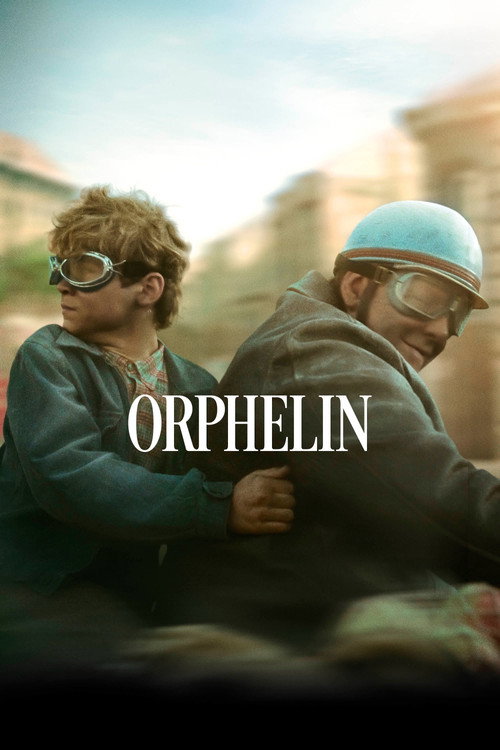
In 1957 Budapest, one year following the failure of the Hungarian Revolution, a 12-year-old Jewish boy whose mother has raised him to believe that his father will return from the camps has his hopes shattered when a brutish stranger appears on the doorstep to take his family back.
Orphan

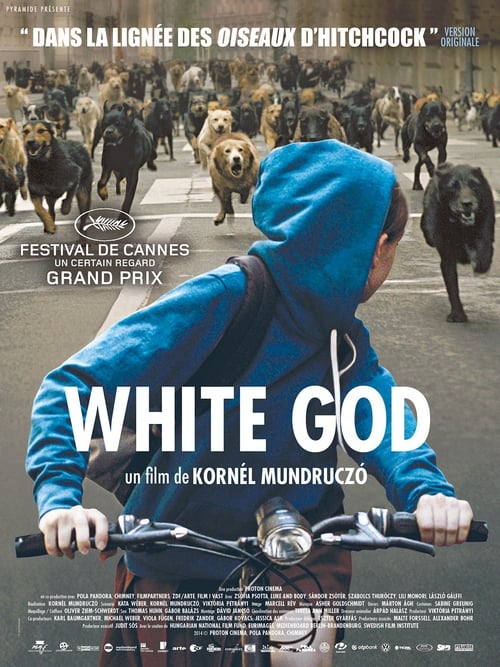
13 year old Lili fights to protect her dog Hagen, and is devastated when her father sets Hagen free on the streets. Still innocently believing love can conquer any difficulty, Lili sets out to save her dog. Failing in his desperate efforts to find his beloved owner, Hagen joins a canine revolt leading a revolution against their human abusers.
White God

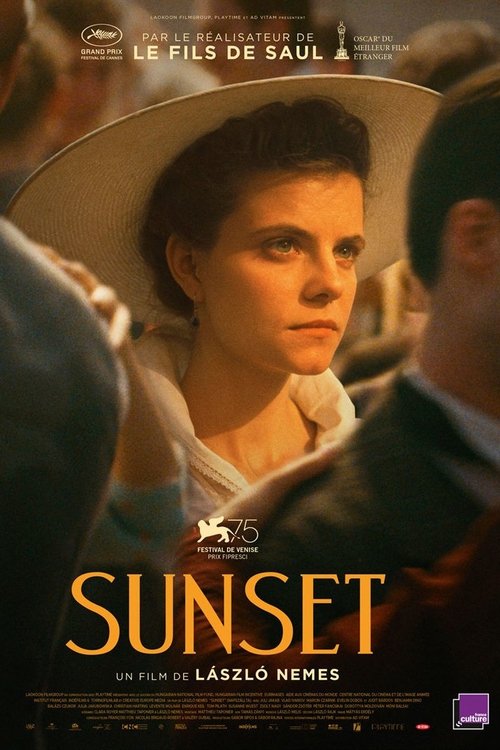
In 1913, an orphaned young woman arrives in Budapest to take up employment as a milliner at the hat store that belonged to her late parents but becomes mired in a search for a brother she had never known of.
Sunset

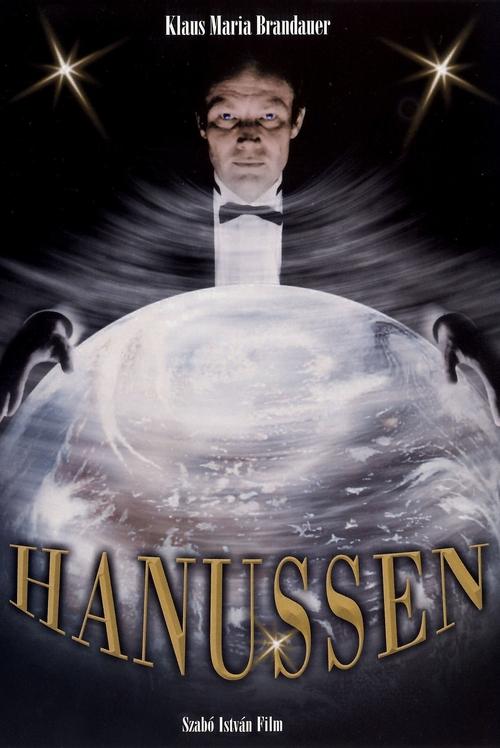
A man's story parallels Hitler's rise. Austrian Klaus Schneider, wounded in World War I, recovers in the care of Dr. Emil Bettleheim. Bettleheim discovers that Schneider possesses powers of empathy and of clairvoyance, such that could aid suicidal patients. After the war, with one friend as his manager and another as his lover, Schneider changes his name to Eric Jan Hanussen and goes to Berlin, as a hypnotist and clairvoyant performing in halls and theaters. He always speaks the truth, which brings him to the attention of powerful Nazis. He predicts their rise (good propaganda for them) and their violence (not so good). He's in pain and at risk. What is Hanussen's future?
Hanussen

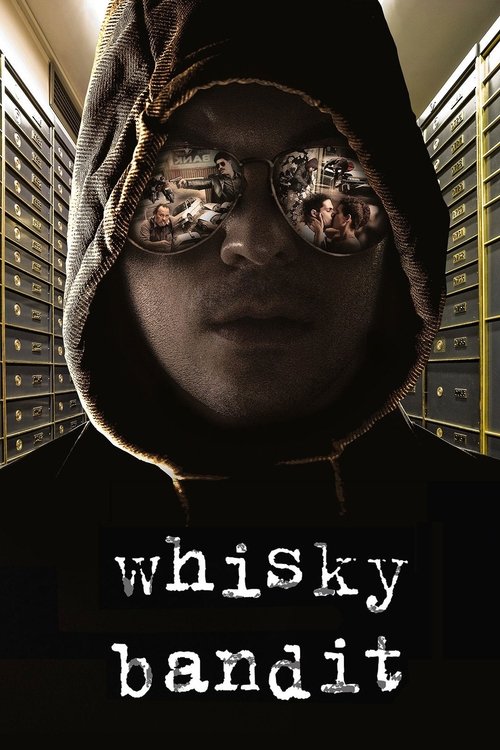
Between 1993 and 1999, one man robbed 29 financial institutions in Budapest. Banks, post offices and even travel agencies fell victim to his crime spree. The police had no leads and no hope of finding him during his six-year stint. The only clue left behind at the crime scenes was the distinct aroma of whiskey. The media christened him the “Whiskey Bandit”. Never physically harming anyone, many began to eagerly follow his escapades through the media. A Transylvanian immigrant, who also happened to be a goalie for one of the city's largest hockey teams, named Attila Ambrus, was finally identified as the “Whiskey Bandit”. The police had finally captured him... or so they thought.
The Whiskey Bandit

Based on true events, Mayflies is the story of a famous Hungarian assassin from the 1930s – Pipás Pista. It starts with his arrest, and it is revealed that he was born as a woman but lived with a male identity. In prison, while waiting for execution, he forms a relationship with Irma, a pastor’s daughter, who teaches him to read and write. Their relationship develops into a strong bond that results in clemency being granted for Pista. However, Irma must pay the price for it. Their ambiguous love story is still relevant 100 years later, when manipulation and corruption still affect our choices.
Mayflies

Peter returned from prison in his native city, in the hope that it will begin happy days. With surprise he learns that his sister became a foster mother to the newborn boy, but a real mother of the child - extravagant and slutty Maya wants to take it back. Peter falls in love with Maya. He's torn between his girlfriend and trying to manipulate sister. But he has to make a choice, and the happiness was so close, melt into thin air.
Pleasant Days

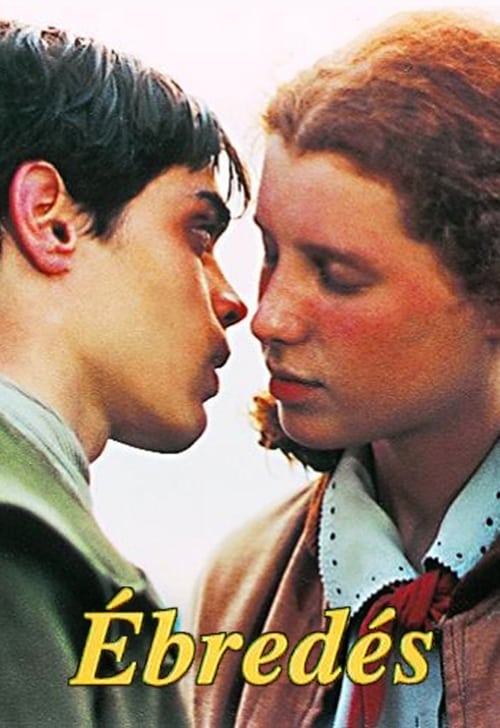
1952, Budapest. Kati is thirteen years old when her mother dies. Her father works as a founder at the Miskolc foundry, deprived of his former position of director-engineer. Kati is left alone in their flat, transformed into a place crowded with tenants. That is, not quite: in her imagination her mother is alive again, for she still needs her.
Awakening

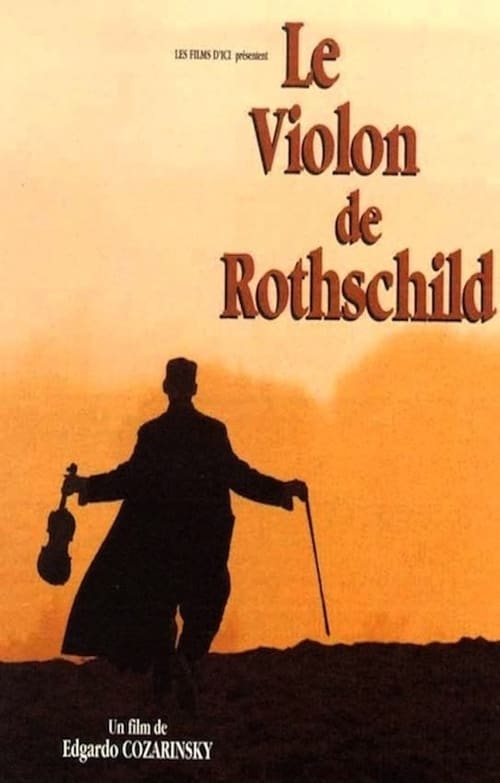
1938: Shostakovich encourages his pupil Fleischmann to write an opera based on the Chekhov story 'Rothschild's violin'. Fleischmann is killed during the siege of Leningrad. Shostakovich completes the orchestration, but in 1948 is advised to suppress the opera, during Stalin's campaign against "rootless cosmopolitans". Jewish motifs enter Shostakovich's own work.
Rothschild's Violin

Jeanne's beautiful breasts spill out from her torn clothes, and her gouged internal organs lie beneath. The contrast between death and eroticism is captured in a profound image. The opera that unfolds in the underground ward comes to a powerful catastrophe with jazz-like dissonance. Are they the living or the dead, shedding blood and singing in high spirits? The director comments, "This film will be the beginning of a new contemporary opera film“.
A 78-as Szent Johannája

A coin always has two sides... Károly and Zsolt are best friends, rivals, and mortal enemies at the same time- so they're inseparable parts of each other's lives. After graduating from college, they grow apart but after more than two decades, their paths are crossing once again. The jobless and desperate Zsolt appears on the doorstep of Károly, who is struggling with his mid-life crisis. Their unexpected reunion sets up a chain of events that could potentially destroy not just them but everything the two men hold dear.
Alder

24 year old Ádám lives the calm life of a small-time pot dealer in his late-grandma's apartment, in the outskirts of Budapest. Since he left home, he created himself a low-key but functional life, which no one can really disturb. No one but perhaps Bence, his 14-year-old half-brother who just left home and is looking for refuge at Ádám’s place.
Another Nest

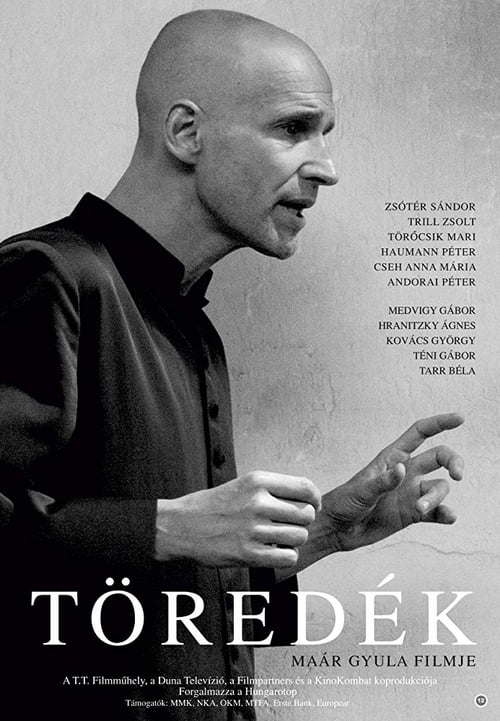
In the closed world of a Catholic monastery shortly after World War II the post-war insecurity exacerbates the walls. A new world order has arrived. The monastic life begins to break down as some of the monks start to morally decline.
Fragment

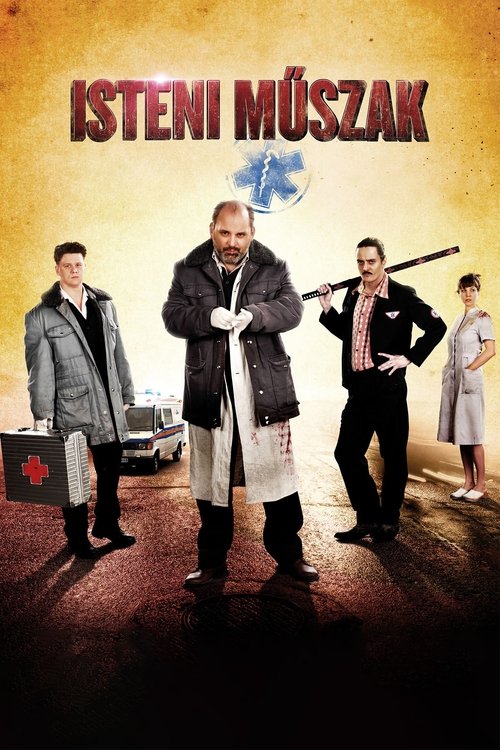
Death does not select, man does. Set in Budapest, Heavenly Shift offers an eerie insight into the everyday lives of a rather extraordinary ambulance crew. The films main character is Milan, a young refugee from the Balkan War, who joins a team of paramedics but inadvertently ends up involved in the funeral business in order to finance his fiancee s rescue from the hostilities.
Heavenly Shift
When hunting, Zrínyi Miklós finds an Angel with a broken wing. He takes him for a heavenly message and carries him to his castle for cure. Lords and priests come to Zrínyi's court, one after the other, to see Angel. The occasion is appropriate for the ban to win them over to his plan: they should unite their forces to fight for the country's independence.
Heavenly Hosts

A gypsy apothecary-violinist befriends a Hapsburg prince after saving his life during the disastrous Hungarian War of Independence in 1849.
Chacho Rom

In December 1956 there is a chaotic situation in Hungary. The revolution is put down by the Soviet army. People leave the country in large numbers for fear of revenge. A young soldier (György Angeli) who also took a part in the revolution, takes a train to Vienna together with his friend (Dániel Szerencsés). Written by Tamas Patrovics
Daniel Takes a Train
After her husband's death, Hanna Szendroy, the former primadonna, is caught in the claws of the real estate mafia. She looses her lavish home and ends up homeless at the Keleti train station. When she returns to her house, now full of homeless people moved in by the real estate mafia, an unexpected relationship brings hope into her life again.
The Eighth Day of the Week

A composer struggling to find inspiration takes on a job at an empty warehouse. But turns out, he wasn't the only one with this idea.