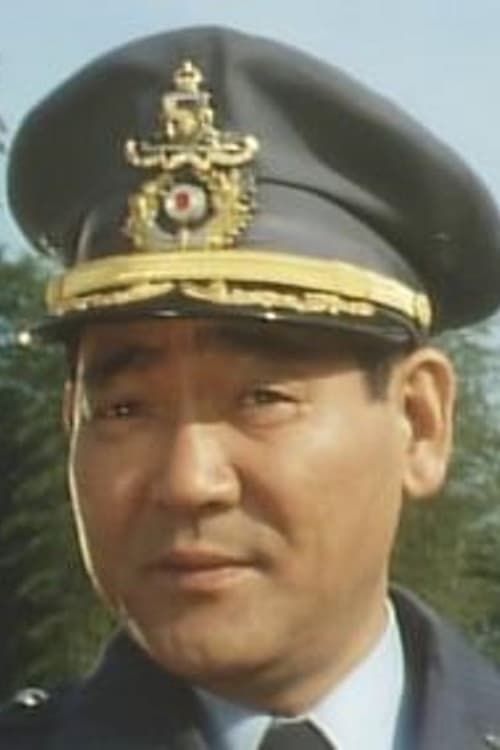
Toshio Takahara
Acting
Known For

A powerful terrorist organization known as the Black Cross Army threatens to destroy the Earth, with only the defense organization EAGLE (EArth Guard LEague) able to oppose them. In retaliation, Black Cross Army destroys multiple EAGLE headquarters across Japan, killing all but five people. Now, these five remaining EAGLE members are called to form a secret, powerful team known as Gorenger, the only force left that has a chance to stop the Black Cross Army and their evil leader, Black Cross Führer.
Himitsu Sentai Gorenger

A samurai answers a village's request for protection after he falls on hard times. The town needs protection from bandits, so the samurai gathers six others to help him teach the people how to defend themselves, and the villagers provide the soldiers with food.
Seven Samurai
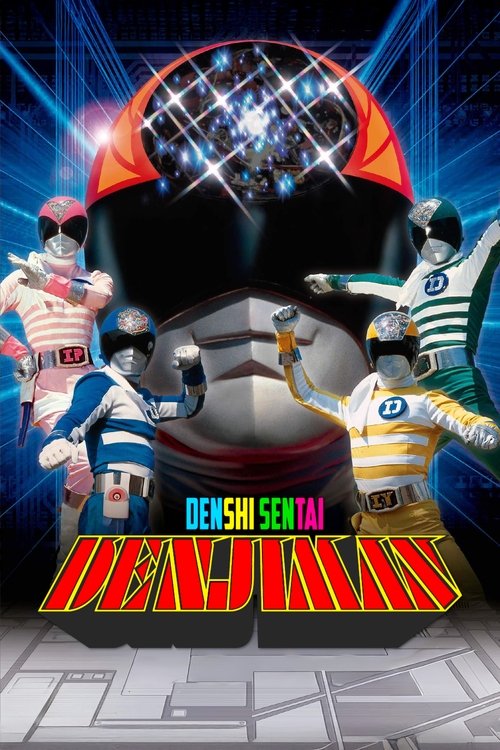
Denzimen are warriors who fight against the Vader Clan, a clan that tries to pollute the Earth with sludge. Denzimen fight using the Super Science of the Denzi people.
Denshi Sentai Denziman
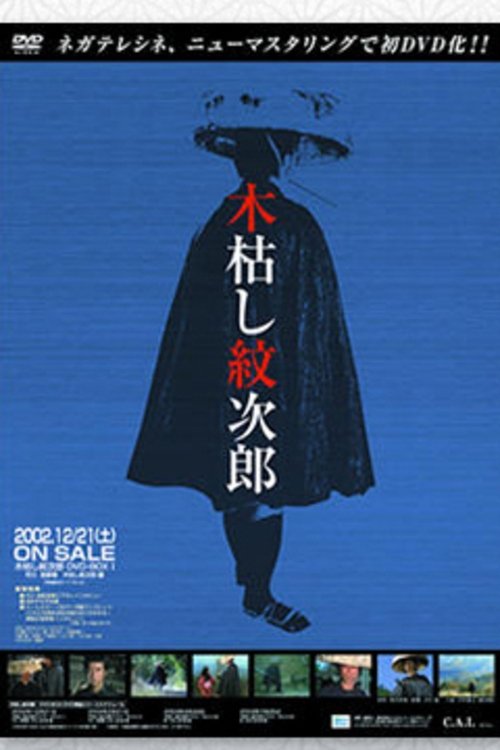
Monjiro was born into a poor farm family in Mikazuki Village, Nitta County, Ueshu, and abandoned his hometown when he was 10 years old. He has been traveling aimlessly with a long toothpick in his mouth. Monjiro avoided getting involved in anything, but wherever he went, he ended up getting involved in incidents
Kogarashi Monjiro
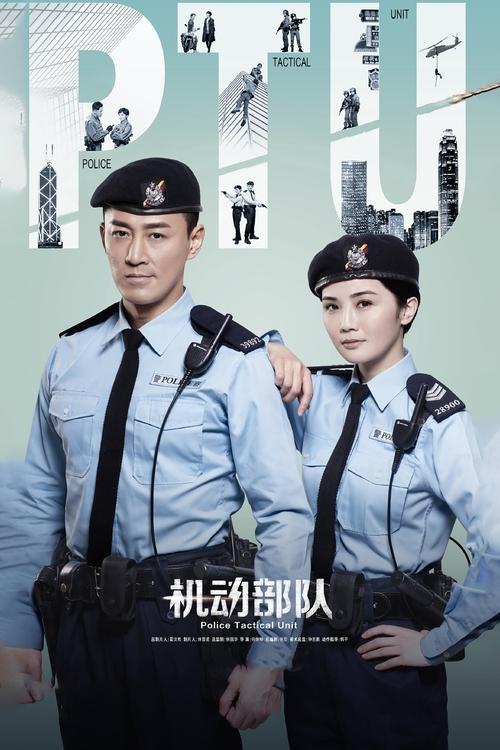
A story that tackles the life experience and mental issues that plague the PTU officers from the perspective of a former undercover cop who returns to the force. After successfully bringing down the triads, Gao Jiasheng (Raymond Lam) goes back to wearing the police badge and crosses paths with Sergeant He Huiling (Charlene Choi) and Team Leader Liu Jianhui (Alex Fong). The three have their share of misgivings, but learn to build trust and friendship through a series of dangerous missions.
Police Tactical Unit
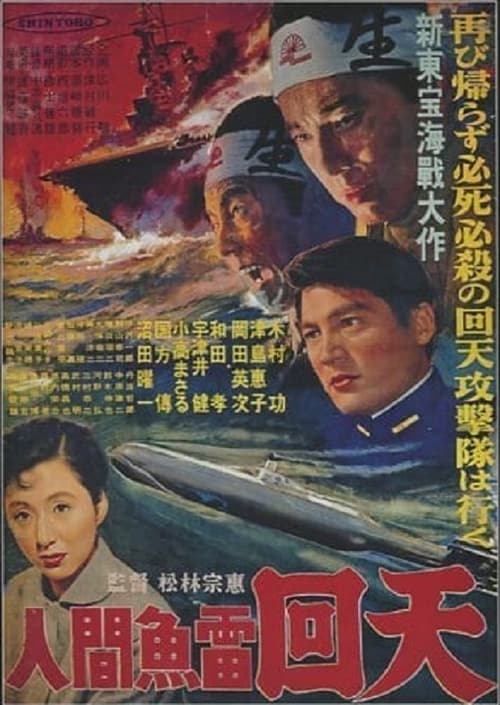
No description available.
The Sacrifice of the Human Torpedoes
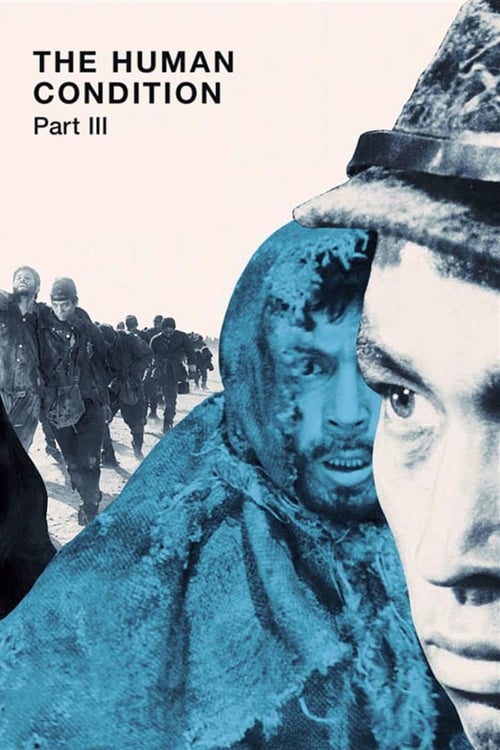
After the Japanese defeat to the Russians, Kaji leads the last remaining men through Manchuria. Intent on returning to his old life, he faces great odds in a variety of different harrowing circumstances as he and his men sneak behind enemy lines.
The Human Condition III: A Soldier's Prayer
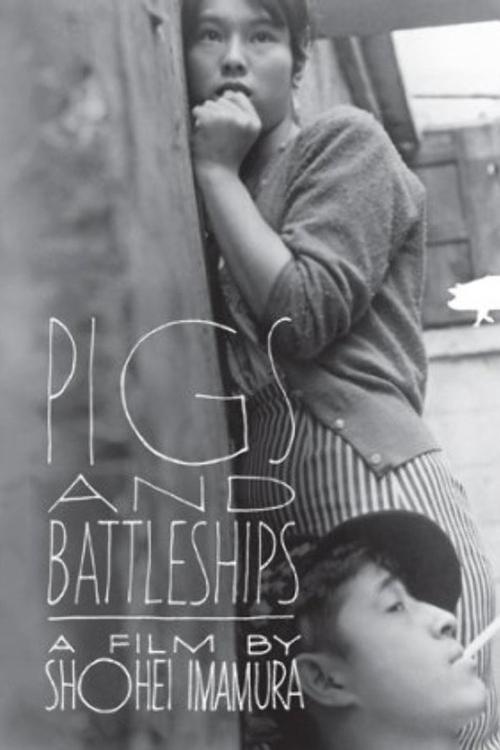
In the city of Yokosuka, Kinta and his lover Haruko, both involved with yakuza, brave the post-occupation period with a goal to be together.
Pigs and Battleships
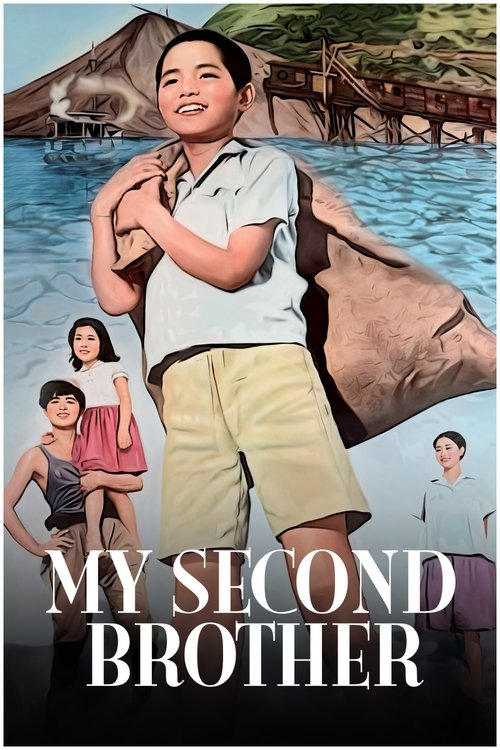
The film tells the story of four orphans living in an impoverished mining town. An adaptation of a best-selling book based on the diary of a ten-year-old zainichi (ethnic Korean Japanese) girl, it was one of the first films to deal with the subject of zainichi identity and struggles in Japan.
My Second Brother
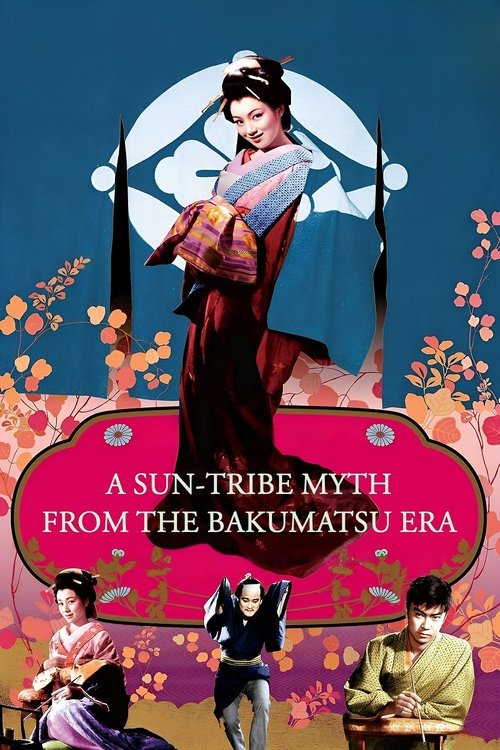
Saheji, a man-about-town, gets stuck at a high-class brothel when he can’t pay the bill. He makes the best of his situation by performing various tasks amidst the tumult of the end of the shogunate—but always by making sure to get a “commission” for his troubles.
A Sun-Tribe Myth from the Bakumatsu Era
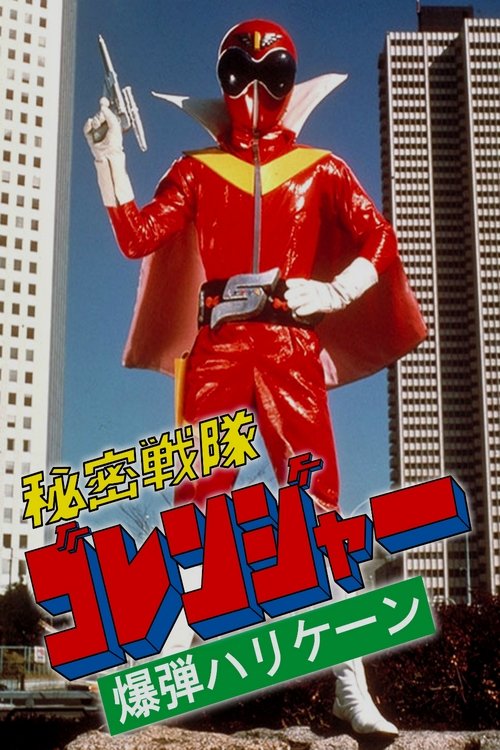
The Gorenger head for Matsuyama to prevent the Black Cross from firing a missile to destroy Japan. Himitsu Sentai Gorenger: The Bomb Hurricane is a theatrical film based on the Himitsu Sentai Gorenger television series. It was originally shown on July 22, 1976 (between Episodes 56 and 57 of the TV series) as part of the Toei Manga Matsuri film festival. It was the only Gorenger film that was a completely original work and not a theatrical version of a TV episode.
Himitsu Sentai Gorenger: The Bomb Hurricane!
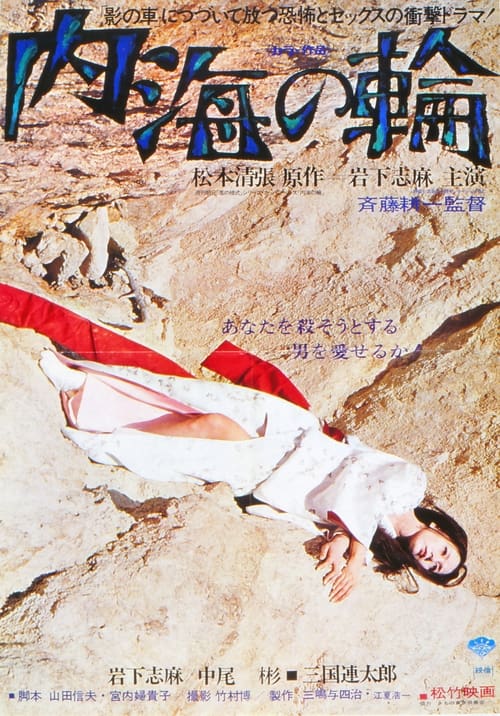
It was five years ago when Minako spent a night with Sozo, younger brother of her ex-husband. She now lives in a local town with a rich old man who owns a dry goods store. Minako travels to Tokyo on business every three months, during which time she continues to meet Sozo, who has married the daughter of his respected teacher.
Shadow of Deception
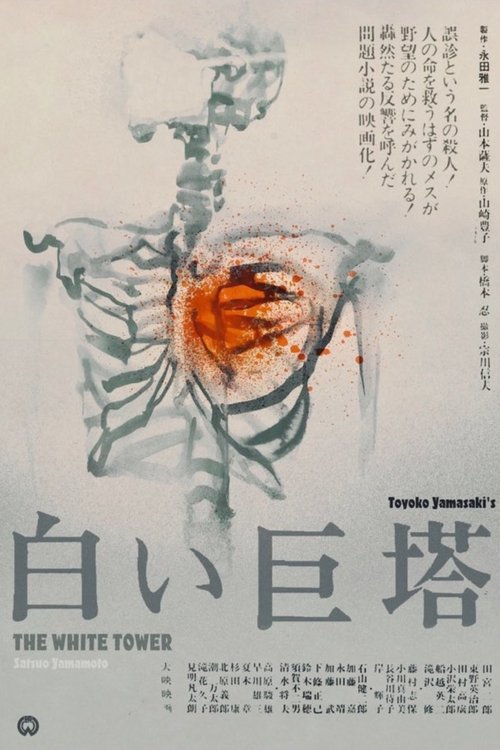
The story contrasts the life of two doctors, former classmates and now both assistant professors at Naniwa University Hospital in Osaka. The brilliant and ambitious surgeon Goro Zaizen stops at nothing to rise to a position of eminence and authority, while the friendly Shuji Satomi busies himself with his patients and research.
The Great White Tower
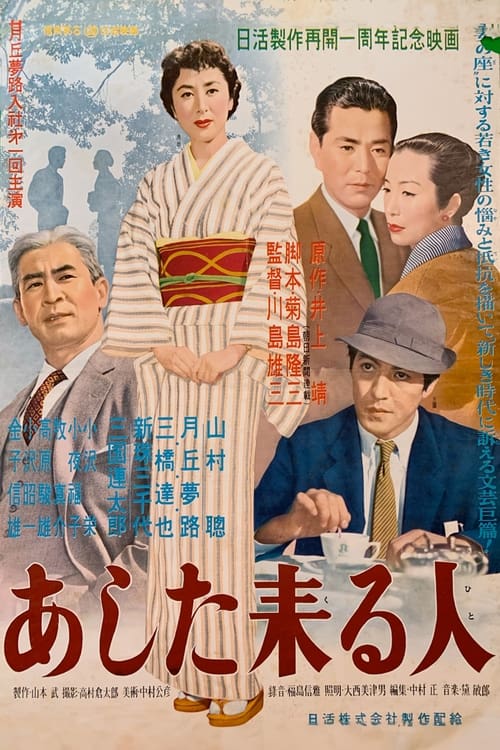
Jiro Sone sacrifices all comfort to devote himself to research. Young housewife Yachiyo is disappointed with her husband Kappei, who is more attracted to mountain climbing and another girl. When Yachiyo’s father is introduced to Jiro, all of their lives become intertwined...
Till We Meet Again
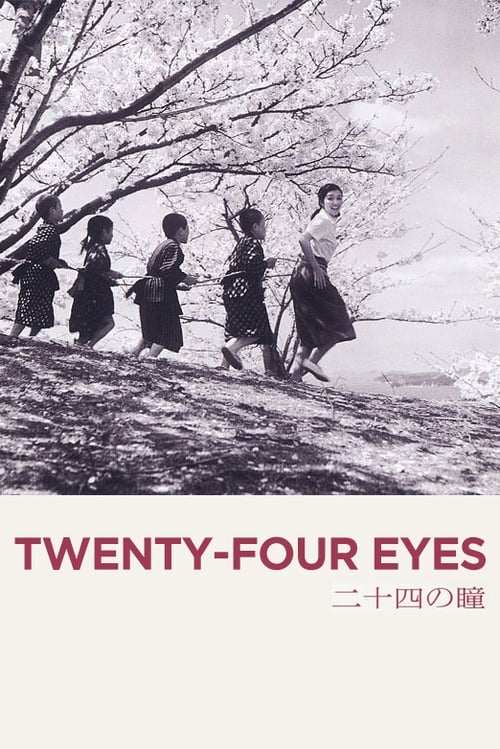
From 1928 to 1946, the lives of 12 young people and their school teacher in a poor Japanese village are profoundly affected by historical events and personal circumstances.
Twenty-Four Eyes

When Magman makes a blunder that finally makes him lose the Black Cross Furher's trust, he begins a rampage against EAGLE with Navarone Fortress, the Gorenger must finally stop them. It features the destruction of Volcano Mask General Magman and his Mobile Fortress Navarone, as well as the Gorenger Machines, and the first appearance of his successor Commander-in-Chief Golden Mask. This is a theatrical version of episode 54 of the Himitsu Sentai Gorenger television series.
Himitsu Sentai Gorenger: The Volcano's Last Big Eruption
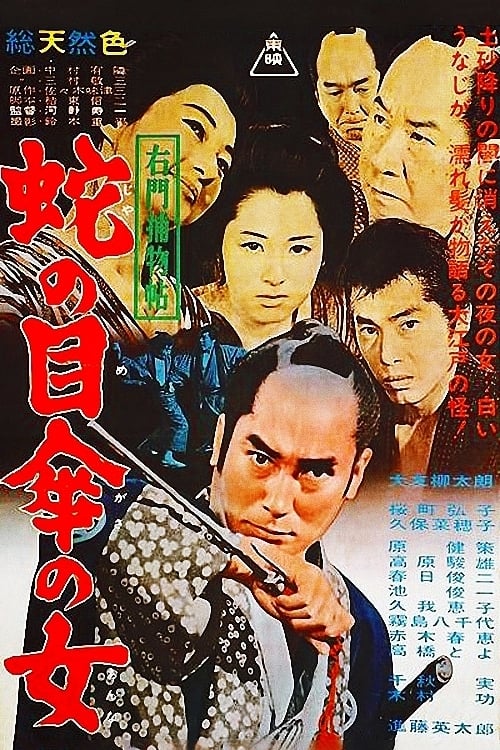
Ryutaro Otomo as the Edo magistrate Umon Kondo is out to solve a crime that centers around the murder of a jail guard & the escape of a criminal who is later himself killed. His dying words in Umon's arms were, "I didn't kill the guard." The murdered criminal had been a safe-cracker & only his girlfriend knows where he hid a fortune. She is kidnapped, so the plot gets thicker & thicker.
Cases of Umon: The Woman with an Umbrella
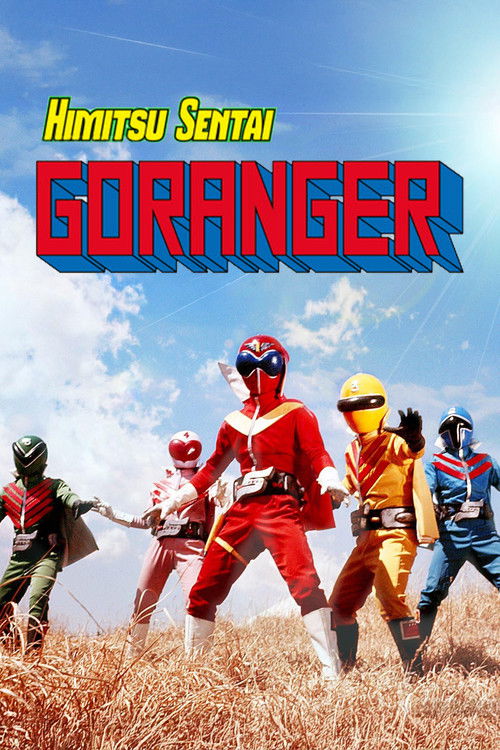
A Masked Monster being chased for stealing a microfilm with EAGLE secrets hides on a houseboat to avoid Kaijo and Asuka's pursuit.
Himitsu Sentai Gorenger: The Movie
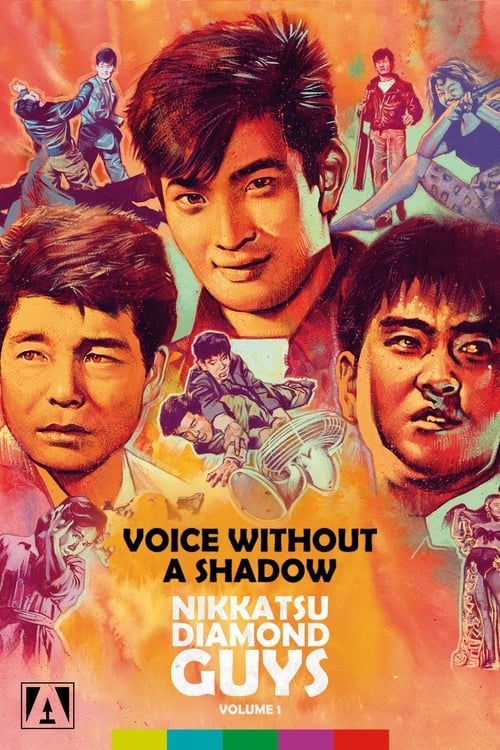
Asako, a former telephone operator once heard the voice of a murder suspect which has continued to haunt her. Years later her husband invites his boss, Hamazaki, over for dinner and she realises his voice is suspiciously like that of the killer. Before she can investigate further, Hamazaki is found dead and her husband becomes the prime suspect.
Voice Without a Shadow
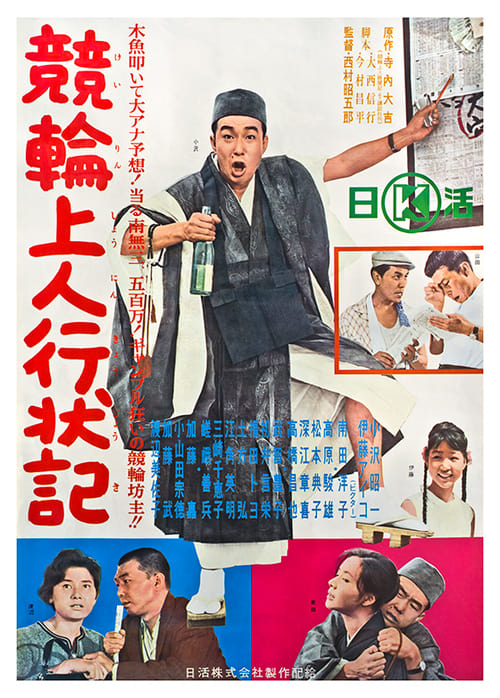
One summer day, the chief monk of the Hojuin Temple dies. Harumichi rushes back to town hearing about his brother's death and requests for a grand funeral. He had been unwilling to take over the family business and had chosen a life as a middle school teacher far away from home, but considering the circumstances, he changes his mind. As the new chief of Hojuin, Harumichi scrambles around day after day for donations. He has kept strictly to the straight and narrow, until he passes a bicycle race track where the sounds of cheering fans induce him into a new way of life...