Solveig Nordlund
Directing
Biography
Solveig Agneta Nordlund Seixas Dos Santos (née Solveig Agneta Nordlund on 9 June 1943) grew up in Stockholm and has a BA degree in Art History from the University of Stockholm. In 1962, she met Alberto Seixas Dos Santos, whom she married, and her interest in cinema grew. In 1970, this interest transformed into a profession when she became an assistant on several films: Quem Espera por Sapatos de Defunto Morre Descalço by João César Monteiro (1969–1970), O Recado by José Fonseca e Costa (1970–1971), Pedro Só by Alfredo Tropa (1970–1971), and Fragmentos de Um Filme-Esmola by João César Monteiro (1972). With Brandos Costumes, by Alberto Seixas Santos (1973–1974), her name began to enter the credits as editor. She worked on editing the films of many directors, such as Manoel de Oliveira, João Botelho, Alberto Seixas Santos, and Thomas Harlan, as well as political documentaries. In 1973-1974 she received a scholarship from the Calouste Gulbenkian Foundation and completed internships in Paris under the guidance of, among others, Jean Rouch. In 1974, she was in Cinequipa and, in 1975, Cinequanon, where she worked as an editor on TV series. As the founder of the Grupo Zero, Solveig participated in some films that were directed by multiple filmmakers, such as A Lei da Terra (1976). In 1978, she made her debut as an individual director in fiction films with Nem Pássaro, Nem Peixe. She directed several films in collaboration with the Cornucopia Theater that were based on the plays of Franz Xaver Kroetz (Música Para Si, Viagem Para a Felicidade, both in 1978 and Outras Perspectivas in 1980) and Karl Valentin (E Não se Pode Exterminá-lo? - 1979). Her first feature film was Dina e Django (1983), followed by Até Amanhã, Mário (1994), Comédia Infantil (1998), Aparelho Voador a Baixa Altitude (2002) and A Filha (2003). She also directed short films and documentaries about writers, such as Marguerite Duras, J.G. Ballard and António Lobo Antunes. She is the founder of the independent film production company Ambar Filmes. In 1998, she made her debut as a theater director with A Noite é Mãe do Dia, by Lars Norén, while working for Belém Cultural Center and Teatro da Malaposta. She currently collaborates with Artistas Unidos, where she has directed the plays Vai Vir Alguém (Someone Is Going To Come), Sonho de Outono (Autumn Dream) by Jon Fosse, Traições (Betrayal), Há Tanto Tempo by Harold Pinter and Scenes from a Marriage by Ingmar Bergman.
Known For

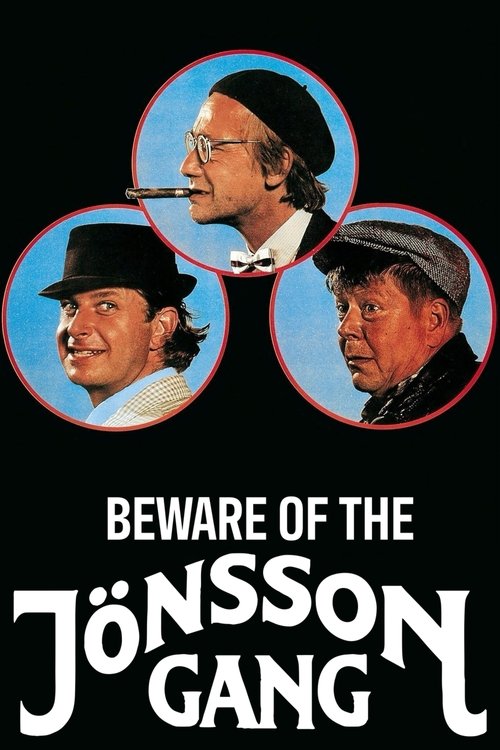
A botched burglary leads to the arrest of the Jönsson gang’s leader, Sickan. After serving ten months in prison, he is released and unexpectedly recruited by the enigmatic banker Wall-Enberg Jr. to steal the legendary Bedford Diamonds in Switzerland. Though Sickan successfully carries out the heist, he is betrayed and nearly captured. Returning to Sweden and reuniting with his old accomplices, he sets out to take calculated revenge on the man who double-crossed him.
Beware of the Jönsson Gang

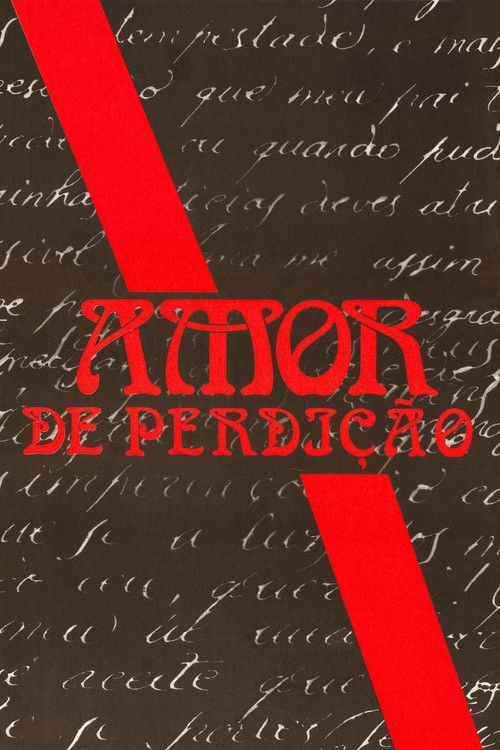
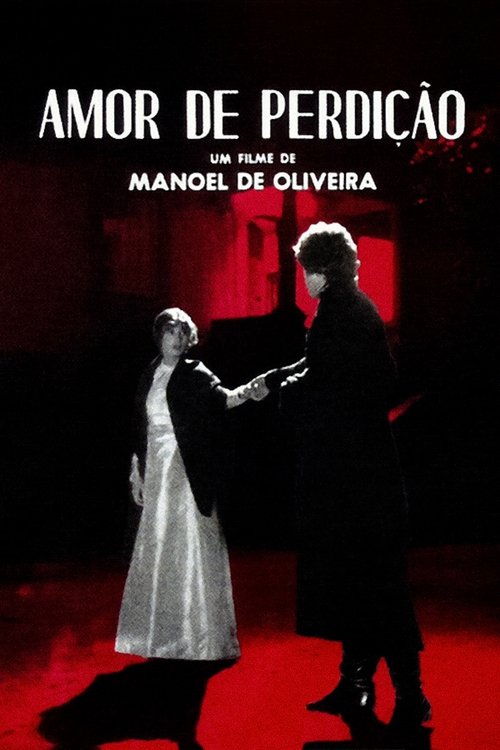
A story about doomed love between two people from different worlds and the impact in their lives. Based on the novel of the same name by Portuguese writer Camilo Castelo Branco.
Doomed Love

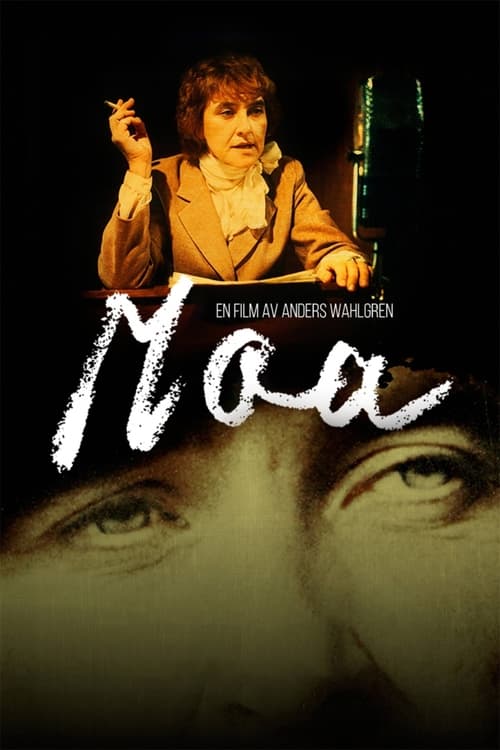
The life of the swedish writer Moa Martinson: at the age of 18, Moa marries the stone worker Karl and has five children. The marriage becomes stormy and fringed with tragedies. In the adversities, Moa begins to write about her life. She tells unpleasant truths, and doesn't get much understanding. Her life changes when the books are published in ever larger editions. She can tear herself out of her poverty, but never abandons her origins. In 1929 she remarries the writer Harry Martinson.
Moa

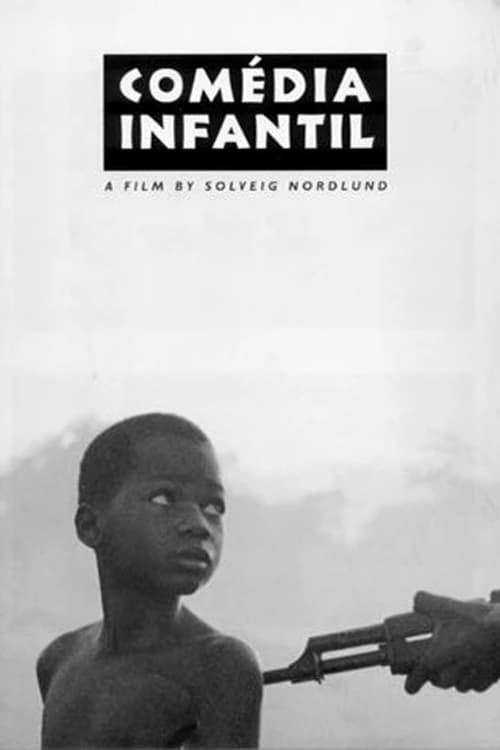
Based on the book by Henning Mankell (Sweden), this story takes place in Mozambique and is about a young boy, Nelio, who loses his entire family during a time of civil war. A wounded Nelio is found by a baker in the capital Mapouto; refusing medical treatment, the boy instead asks for sanctuary so he can tell his terrible tale. This he proceeds to do, starting with how the fighters arrived in his village and slaughtered many, to his captivity, his escape and his teaming with other orphaned street urchins to become their leader in survival.
Chronicler of the Winds

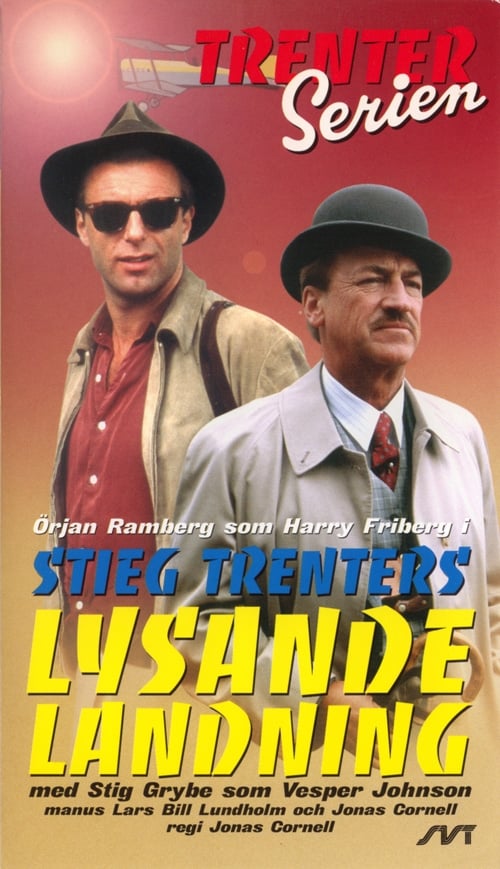
Harry Friberg receives a photo assignment at Lindarängen's airport in Stockholm. The assignment turns into a nightmare when the photographer is invited to a crayfish party by the company's director.
Lysande landning

A story about doomed love between two people from different worlds and the impact in their lives.
Doomed Love

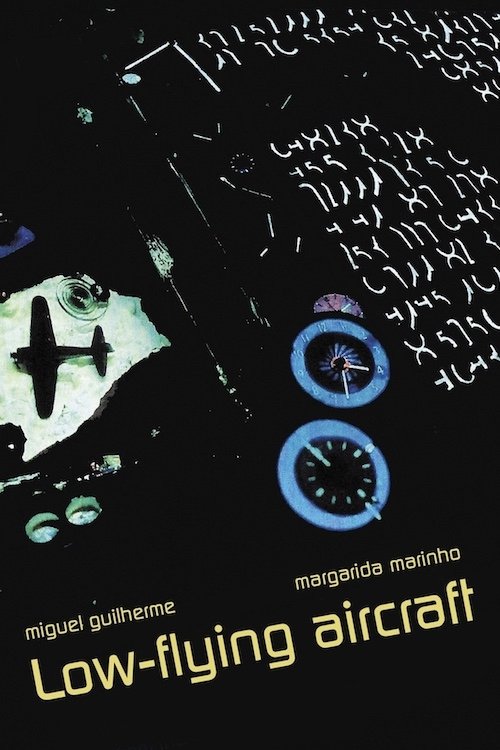
Based on a the short story "Low Flying Aircraft" by J.G. Ballard and set in a near future where humans are dying breed. Judite and André flee to a semi-abandoned apartment complex to protect their mutant child from certain death.
Low-Flying Aircraft

Biographical documentary Solveig Nordlund says that 50 years of life in Portugal. The evolution of Portugal from fascism to the current crisis. A retrospective of his life in Portugal through their films or films in which collaborated. A personal look at the transformation of a country that is not his but who adopted her.
O Meu Outro País

Ricardo Monteiro is a successful television producer specialising in reality shows. He is 45 years old and he has just received an award for the most popular television show of the year, when he receives an ultimatum from his 18-year-old daughter Leonor. If he does not come home that same evening to celebrate her birthday he will never see her again. Ricardo is distracted by business or other commitments and he is too late for the last flight home. When he returns next day the apartment is empty and Leonor is gone. At first Ricardo thinks that it is only a game, but there are no phone calls or messages and after a while he gets worried and starts looking for her. He discovers that she has quit school without telling him and that she has lost all contact with her old friends. She has become a complete stranger.
The Daughter

The film of a performance of a selection of cabaret comedy sketches by Karl Valentin, with Jorge Silva Melo as stage director. The show was a complete success and has become almost legendary. Solveig Nordlund shot it, adding some more sketches that weren’t included on the show.
E Não se Pode Exterminá-lo?

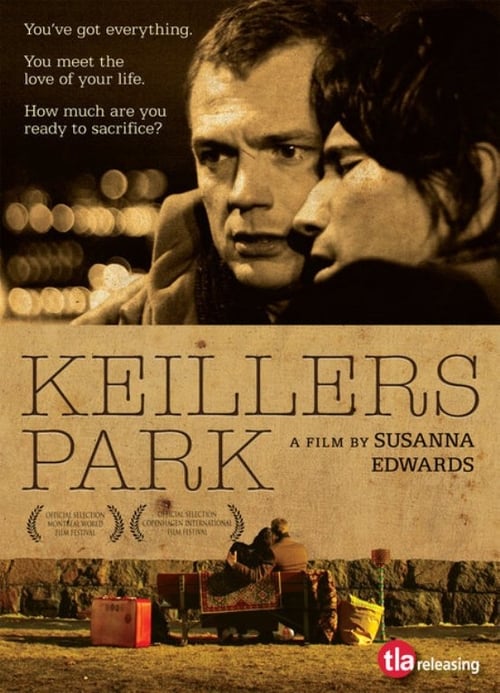
Swedish drama based loosely on a true story. Marten Klingberg plays Peter, an engaged man who finds himself attracted to a gay man called Nassim (Pjotr Giro). Peter's life is suddenly transformed from one of married domestic routine to one of passionate lust and longing for his new gay lover. However, things take a tragic turn when Nassim is discovered dead and Peter is accused of his murder.
Keillers Park

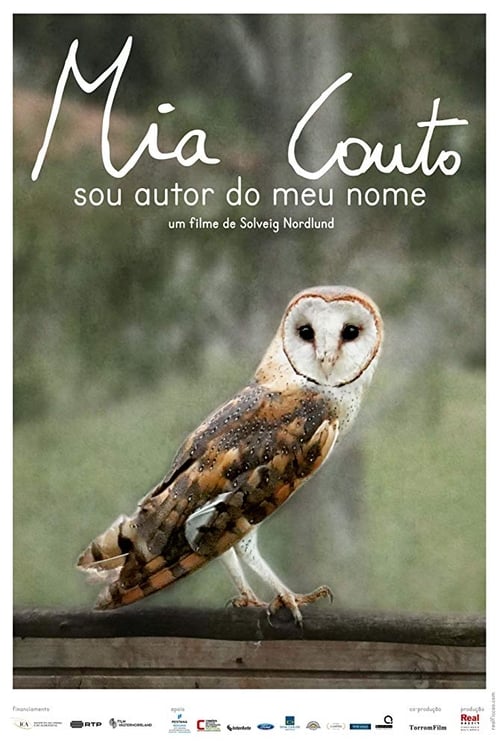
The 1974 coup d'état set in motion a revolutionary process in which the radical transformation of the relationships that had previously existed within the family, in the workplace, and throughout society has never allowed for a return to the past.
Luta do Povo: Alfabetização em Santa Catarina

Ambulatory history, freely inspired by Georg Büchner's biography (1813-37) and the reasons that led him first to political intervention and then to strict isolation. With students of unidentified present time (1968? 1970?), the themes developed, in Büchner, are triggered by the publication of "The Messenger of Hesse", a pamphlet addressed to the peasants, urging them to revolt. Their misunderstanding, as well as the repression of the young revolutionaries, leads Büchner to a particularly skeptical and painful attitude...
Passagem ou a Meio Caminho

Nuno is the son of divorced parents. He lives a nomadic existence with his father: he lost all his friends and never stays long enough anywhere to make new friends. Now Nuno has become a drug addict, he’s in hospital, in a coma struggling between life and death. His father and his father’s sister remain by his bedside. The three separately evoke requests from the past and other characters they meet also complement their current life experiences and memories. Based on the novel by António Lobo Antunes.
The Death of Carlos Gardel

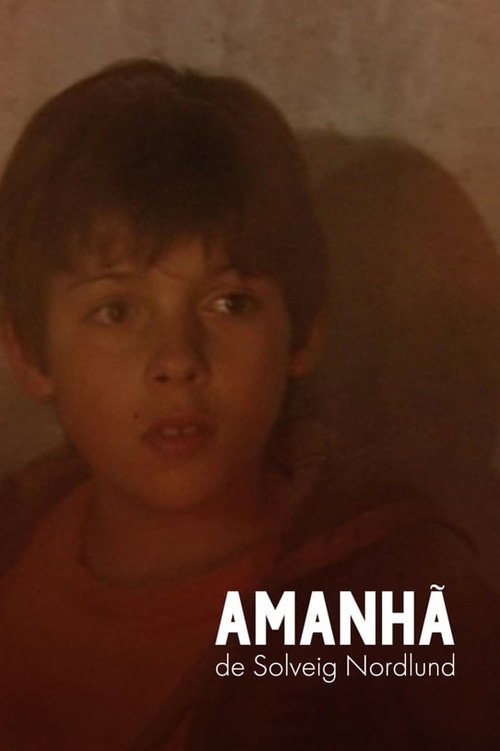
Mário, eight years old, a kid who begs in the tourist paradise of Madeira island. One day in his life, from morning to evening.
See You Tomorrow, Mário

The story of a man who sees his life change radically upon confronting his progressive loss of memory. As his neurological condition advances, it affects not only his own life but the lives of all those who surround him.
Perdida Mente

An old woman is woken in the dead of night by a phone call. On the line, a stranger fights his insomnia by dialling random numbers.
A Voice in the Night

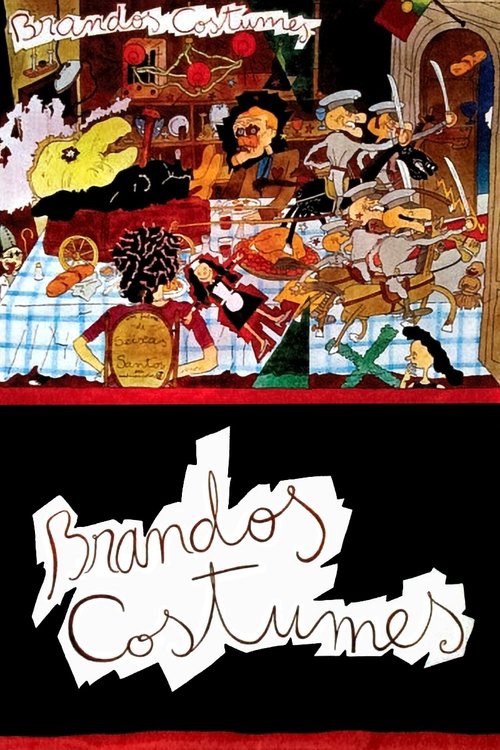
A portrait of the everyday life of a typical middle-class family in parallel with the fall of the "Estado Novo", the 48-year dictatorship led by Salazar. The daughters' conflicts and frustrations with their parents, their grandmother and their maid find an obvious echo in the country's collective events. The Carnation Revolution is about to explode.
Brandos Costumes

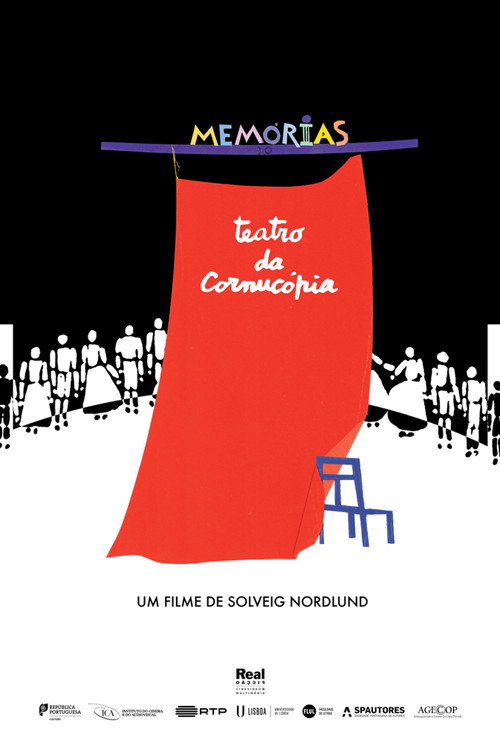
A renowned symbol of Portuguese interventionist theatre, Cornucópia emerged from the darkness of fascism to fight dictatorship on stage. Among the classics, a project is born and dies, but one face remains emblematic: Luís Miguel Cintra, who shared his art with the constant complicity of set designer Cristina Reis. Together, guided by images, they bear witness, telling this story.
Memoirs of Teatro da Cornucópia

A young couple kisses while waiting for the bus, completely oblivious to everything around them. The bus leaves, the day goes by, the kiss goes on.