FEEL IT.STREAM
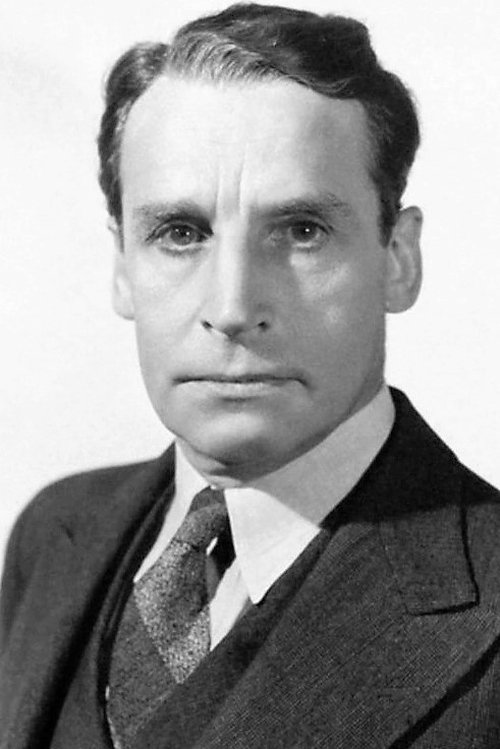
Henry Daniell

Henry Daniell

Acting

Biography

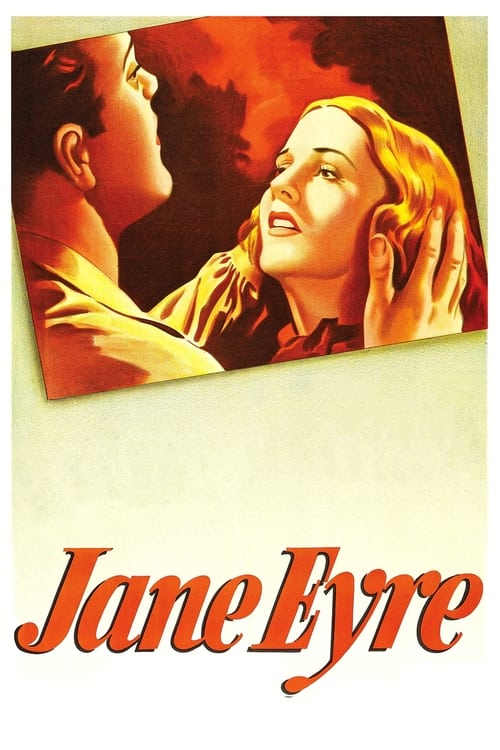
From Wikipedia, the free encyclopedia Charles Henry Daniell (5 March 1894 – 31 October 1963) was an English actor who had a long and prestigious career on stage as well as in films. He is perhaps best known for his villainous roles in films like The Great Dictator, The Philadelphia Story and The Sea Hawk. Daniell was given few opportunities to play a 'good guy', including a supporting part as Franz Liszt in the biographical film Song of Love (1947). His last name is sometimes spelled "Daniel". Daniell's film debut came in 1929 in Jealousy. He appeared as Professor Moriarty in the Basil Rathbone-Nigel Bruce Sherlock Holmes film The Woman in Green (1945). He appeared in other films such as Charlie Chaplin's The Great Dictator (1940) (playing Garbitsch, to sound like "garbage", a parody of Joseph Goebbels), and The Body Snatcher (1945, with Boris Karloff and Bela Lugosi) – as well as two other films in the Sherlock Holmes/Basil Rathbone series: The Voice of Terror (1942) and Sherlock Holmes in Washington (1943) with fellow Moriarty George Zucco. Daniell played the sleazy Baron de Varville opposite Greta Garbo in Camille (1936). Another early triumph was his portrayal of Cecil in The Private Lives of Elizabeth and Essex (1939). He also played the treacherous Lord Wolfingham (no relation to Francis Walsingham) in The Sea Hawk (1940), fighting Errol Flynn in what is often considered one of the most spectacular sword fighting duels ever filmed. When Michael Curtiz cast him in this film, Henry Daniell initially refused because he couldn't fence. Curtiz accomplished the climactic duel through the use of shadows and over-shoulder shots, with a double fencing Flynn with ingenious inter-cutting of their faces. Towards the end of the Second World War, he appeared in one of his most memorable film roles, as the cruel Mr. Brocklehurst in Jane Eyre (1944), opposite Joan Fontaine who played Eyre. That same year he appeared in The Suspect as Charles Laughton's blackmailing next-door neighbour. In the 1950s and 1960s, he did much television, and also appeared as the malevolent Dr. Emil Zurich in Edward L. Cahn's The Four Skulls of Jonathan Drake (1959), and in an episode of Maverick, "Pappy" opposite James Garner the same year. An absolute professional, he was always on the set when needed, and impatient when delays in filming took place. Much in demand for his dry, sardonic delivery, Daniell moved easily from big-budget films, such as (uncredited) Mutiny on the Bounty (1962), to television without difficulty. In 1957, Daniell appeared as King Charles II of England in the NBC anthology series The Joseph Cotten Show in the episode "The Trial of Colonel Blood", with Michael Wilding in the title role. In the same year he played the instructing solicitor to Charles Laughton's leading counsel barrister in Witness for the Prosecution (1957). The actor claimed one of his favourite roles was as Tony Curtis' supervisor in the acclaimed Blake Edwards film Mister Cory (1957) at a time when the actor's career was clearly slowing down, but Daniell retained some of the best and most memorable lines in the movie, "A gentleman never grabs. Manners, Mister Cory. I find them a prerequisite in any circumstance."
Known For

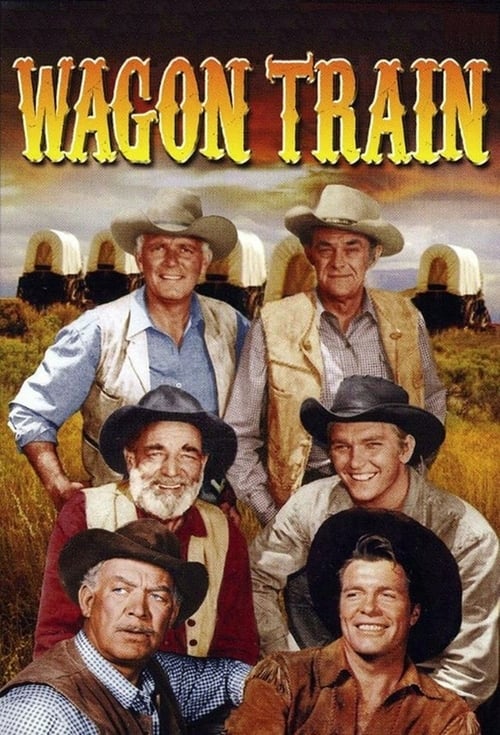
Wagon Train
6.6

The series initially starred veteran movie supporting actor Ward Bond as the wagon master, later replaced upon his death by John McIntire, and Robert Horton as the scout, subsequently replaced by lookalike Robert Fuller a year after Horton had decided to leave the series. The series was inspired by the 1950 film Wagon Master directed by John Ford and starring Ben Johnson, Harry Carey Jr. and Ward Bond, and harkens back to the early widescreen wagon train epic The Big Trail starring John Wayne and featuring Bond in his first major screen appearance playing a supporting role. Horton's buckskin outfit as the scout in the first season of the television series resembles Wayne's, who also played the wagon train's scout in the earlier film.

Wagon Train

1957
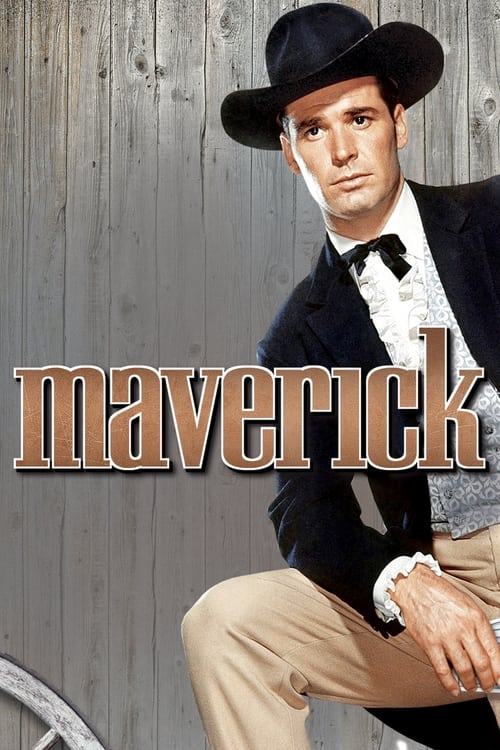
Maverick
6.9

The Maverick boys - Bret, Bart, Beau and Brent - are a clan of well-dressed dandies, gamblers who'd much rather make their money playing cards than messing up their fine clothing with actual work. Sly and clever, none of the Mavericks are much for acts of derring do, but they can be courageous when the situation calls for it. Most often, however, they live by their wits and considerable charm.

Maverick

1957
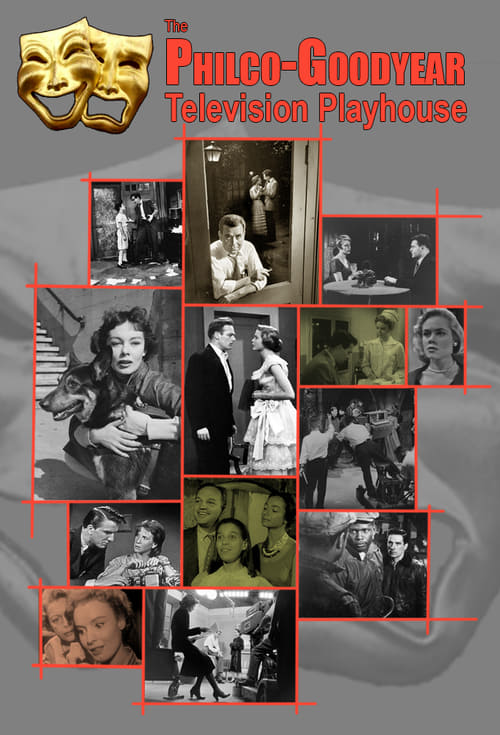
The Philco Television Playhouse
6.6

The Philco Television Playhouse is an American anthology series that was broadcast live on NBC from 1948 to 1955. Produced by Fred Coe, the series was sponsored by Philco. It was one of the most respected dramatic shows of the Golden Age of Television, winning a 1954 Peabody Award and receiving eight Emmy nominations between 1951 and 1956.

The Philco Television Playhouse

1948
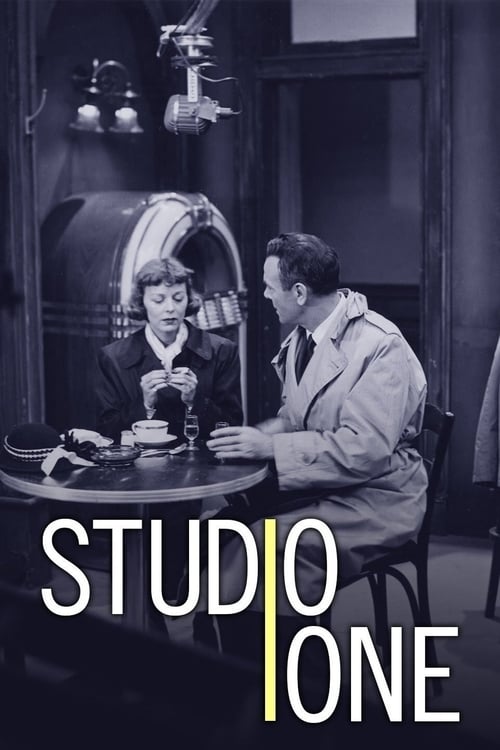
Studio One
5.4

An American radio–television anthology series, created in 1947 by Canadian director Fletcher Markle, who came to CBS from the CBC. Studio One, presented by Westinghouse, was one of the first of the anthology TV programs. The episodes were often abridged remakes of movies from years gone by and many future well-known television and movie actors appeared in the productions.

Studio One

1948
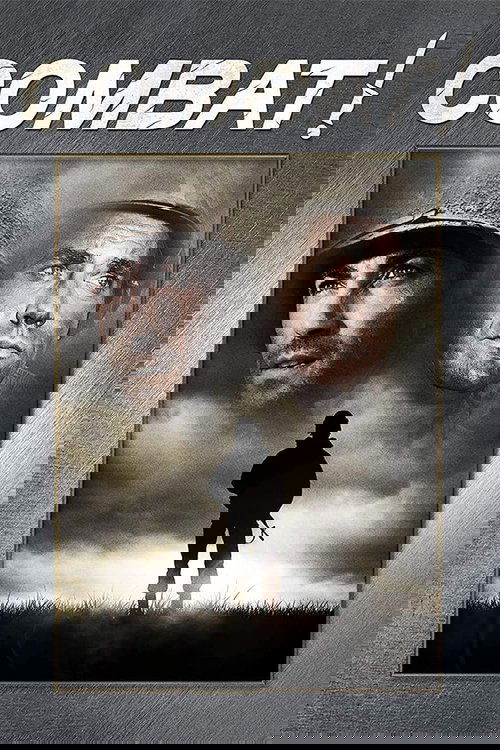
Combat!
7.8

Combat! is an American television program that originally aired on ABC from 1962 until 1967. The show covered the grim lives of a squad of American soldiers fighting the Germans in France during World War II. The program starred Rick Jason as platoon leader Second Lieutenant Gil Hanley and Vic Morrow as Sergeant "Chip" Saunders.

Combat!

1962
Matinee Theater
5.3

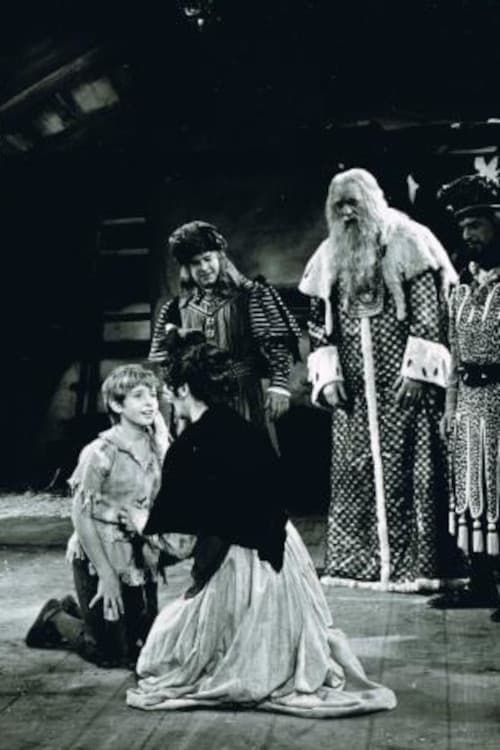
Matinee Theater is an American anthology series that aired on NBC during the Golden Age of Television, from 1955 to 1958. The series, which ran daily in the afternoon, was frequently live. It was produced by Albert McCleery, Darrell Ross, George Cahan and Frank Price with executive producer George Lowther. McCleery had previously produced the live series Cameo Theatre which introduced to television the concept of theater-in-the-round, TV plays staged with minimal sets. Jim Buckley of the Pewter Plough Playhouse recalled: When Al McCleery got back to the States, he originated a most ambitious theatrical TV series for NBC called Matinee Theater: to televise five different stage plays per week live, airing around noon in order to promote color TV to the American housewife as she labored over her ironing. Al was the producer. He hired five directors and five art directors. Richard Bennett, one of our first early presidents of the Pewter Plough Corporation, was one of the directors and I was one of the art directors and, as soon as we were through televising one play, we had lunch and then met to plan next week’s show. That was over 50 years ago, and I’m trying to think; I believe the TV art director is his own set decorator —yes, of course! It had to be, since one of McCleery’s chief claims to favor with the producers was his elimination of the setting per se and simply decorating the scene with a minimum of props. It took a bit of ingenuity.

Matinee Theater

1955
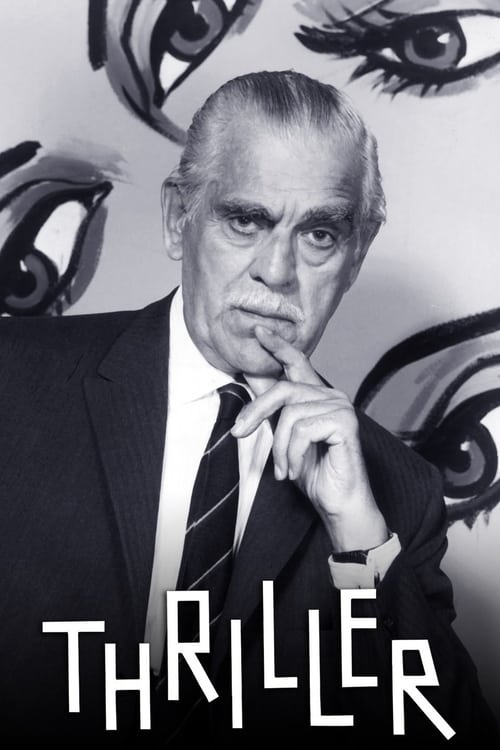
Thriller
6.7

Thriller is an American anthology television series that aired during the 1960–61 and 1961–62 seasons on NBC. The show featured host Boris Karloff introducing a mix of self-contained, macabre weird-horror and morbid, hitchockian crime stories, in some of which he also starred.

Thriller

1960
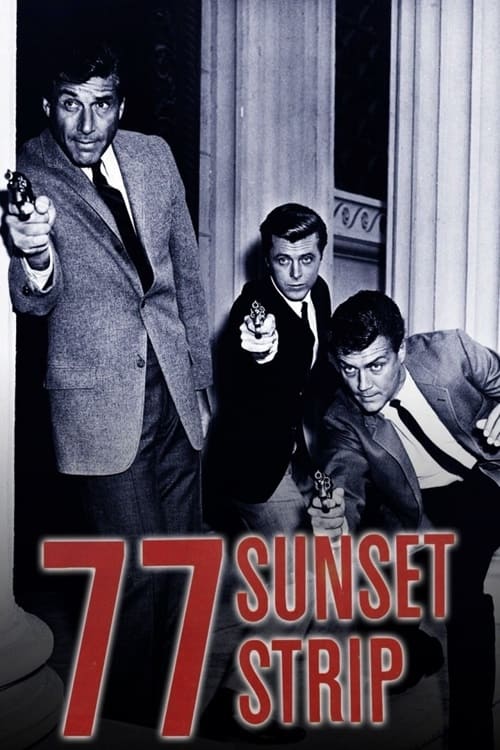
77 Sunset Strip
7.1

Stu Bailey and Jeff Spencer are the wisecracking, womanizing private-detective heroes of this Warner Brothers drama. They work out of an office located at 77 Sunset Strip in Los Angeles, California, right next door to a snazzy restaurant where Kookie works as a valet. The finger-snapping, slang-talking Kookie occasionally helps Stu and Jeff with their cases, and eventually becomes a full-fledged member of the detective agency. Rex Randolph and J.R. Hale also join the firm, and Suzanne is their leggy secretary.

77 Sunset Strip

1958
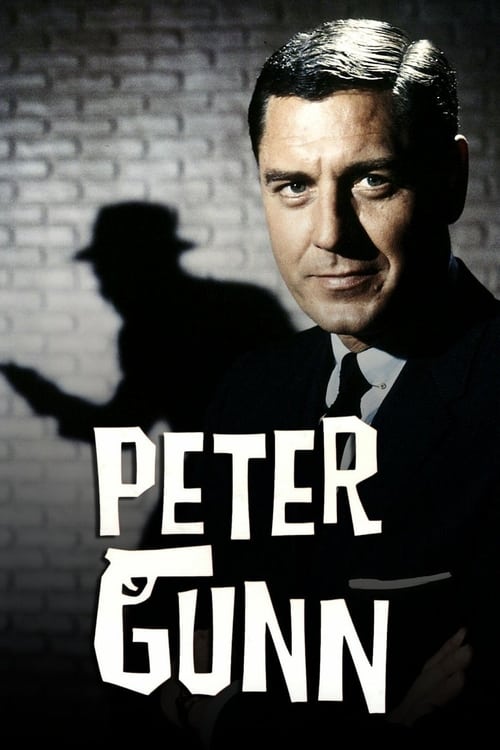
Peter Gunn
6.6

Peter Gunn is an American private eye television series. Filmed in a film noir atmosphere and featuring Henry Mancini music that could tell you the action with your eyes closed, Peter Gunn worked in style. Known as Pete to his friends and simply as Gunn to his enemies, he did his job in a calm cool way.

Peter Gunn

1958
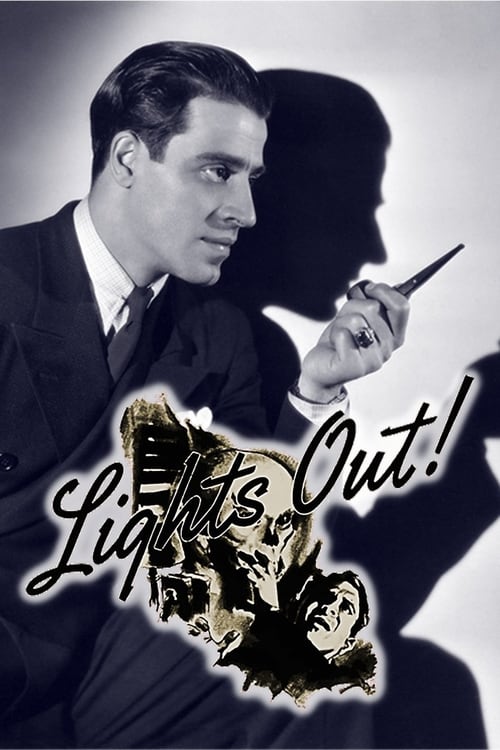
Lights Out
6.0

Lights Out was an extremely popular American old-time radio program, an early example of a network series devoted mostly to horror and the supernatural, predating Suspense and Inner Sanctum. Versions of Lights Out aired on different networks, at various times, from January 1934 to the summer of 1947 and the series eventually made the transition to television. In 1946, NBC Television brought Lights Out to TV in a series of four specials, broadcast live and produced by Fred Coe, who also contributed three of the scripts. NBC asked Cooper to write the script for the premiere, "First Person Singular", which is told entirely from the point of view of an unseen murderer who kills his obnoxious wife and winds up being executed. Variety gave this first episode a rave review ("undoubtedly one of the best dramatic shows yet seen on a television screen"), but Lights Out did not become a regular NBC-TV series until 1949.

Lights Out

1949
Westinghouse Desilu Playhouse
6.3

Westinghouse Desilu Playhouse is an American television anthology series produced by Desilu Productions. The show ran on CBS television between 1958 and 1960. Two of its 48 episodes served as pilots for the 1950s television series The Twilight Zone and The Untouchables.

Westinghouse Desilu Playhouse

1958
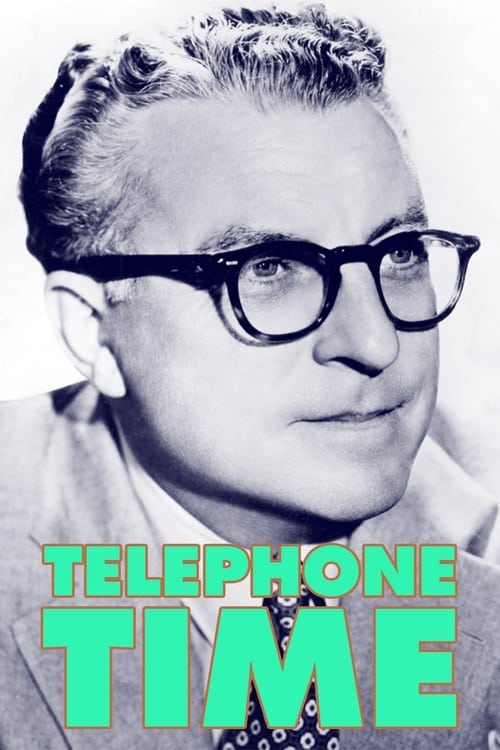
Telephone Time
6.5

Telephone Time is an American anthology drama series that aired on CBS in 1956, and on ABC from 1957 to 1958. The series features plays by John Nesbitt who hosted the first season. Frank C. Baxter hosted the 1957 and 1958 seasons. The program was directed by Arthur Hiller.

Telephone Time

1956
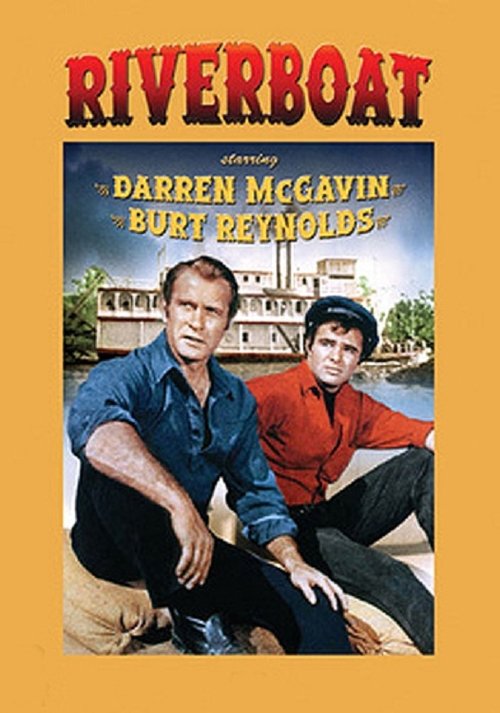
Riverboat
6.5

Riverboat is a 44-episode western television series starring Darren McGavin and Burt Reynolds broadcast on the NBC television network from September 13, 1959 until January 2, 1961. It was produced by Revue Studios.

Riverboat

1959
Startime
6.8

Startime, an anthology of drama, comedy and variety, was one of the first American television shows broadcast in color.

Startime

1959
No image
6.7

Lux Video Theatre is an American anthology series that was produced from 1950 until 1959. The series presented both comedy and drama in original teleplays, as well as abridged adaptations of films and plays.

Lux Video Theatre

1950
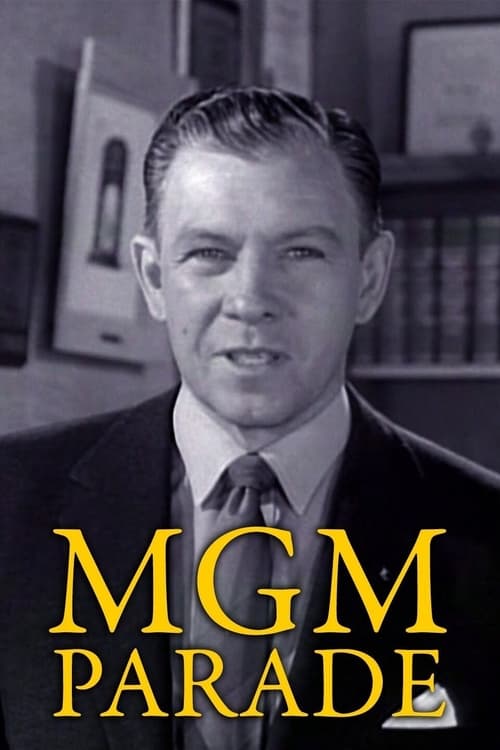
MGM Parade
9.0

The original concept of the show was to allow the viewer to see the inner workings of a movie studio and featured interviews with MGM stars and explanations of how movies were made. Later, the format changed to show edited versions of MGM films.

MGM Parade

1955
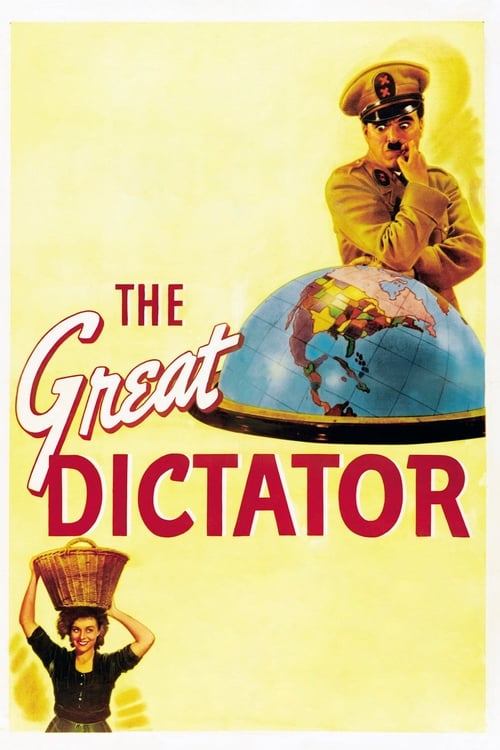
The Great Dictator
8.3

Dictator Adenoid Hynkel tries to expand his empire while a poor Jewish barber tries to avoid persecution from Hynkel's regime.

The Great Dictator

1940
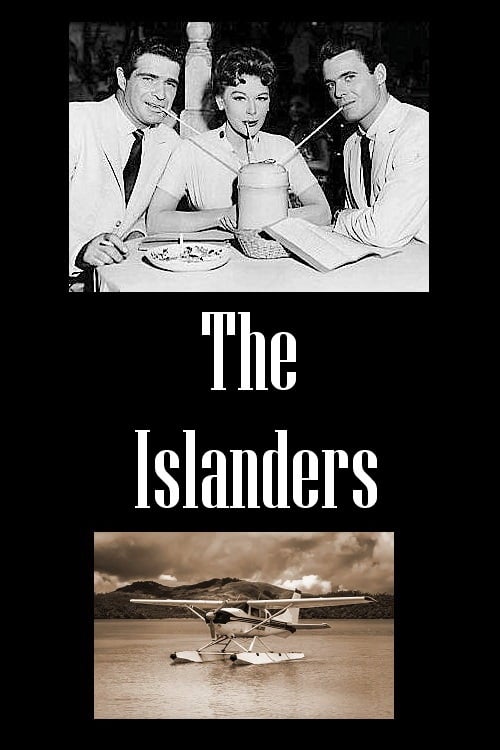
The Islanders
8.0

The Islanders is an American adventure television series which aired on ABC from 1960 to 1961, starring William Reynolds, James Philbrook, and Diane Brewster. At the beginning of the series, Sandy Wade and Zack Malloy, co-owners of a Grumman Goose amphibious aircraft, start their one-plane airline in the Moluccas or Spice Islands of the southeastern Pacific Ocean. Throughout the series they experience a variety of adventures where seemingly harmless charter flights put them into danger. They are frequently aided in their endeavours by the unusually-named Wilhelmina ”Steamboat Willy” Vanderveer and Shipwreck Callighan. The Islanders, primarily sponsored by Liggett & Myers' Chesterfield cigarettes, aired at 9:30 Eastern time on Sunday evenings opposite The Jack Benny Program and Candid Camera on CBS and the second half of The Dinah Shore Show and the last season of The Loretta Young Show on NBC. William Reynolds stated in an interview, "The series went from being sort of like a Terry and the Pirates or a Maverick type of concept to becoming just a bunch of people skulking around. It wasn't very good." After The Islanders, Philbrook co-starred in the 1962-1963 season as a magazine publisher and the love interest of Loretta Young in her short-lived The New Loretta Young Show, which aired Mondays on CBS. Reynolds went on to star in two other ABC series,The Gallant Men, a World War II series, and The FBI with Efrem Zimbalist, Jr..

The Islanders

1960
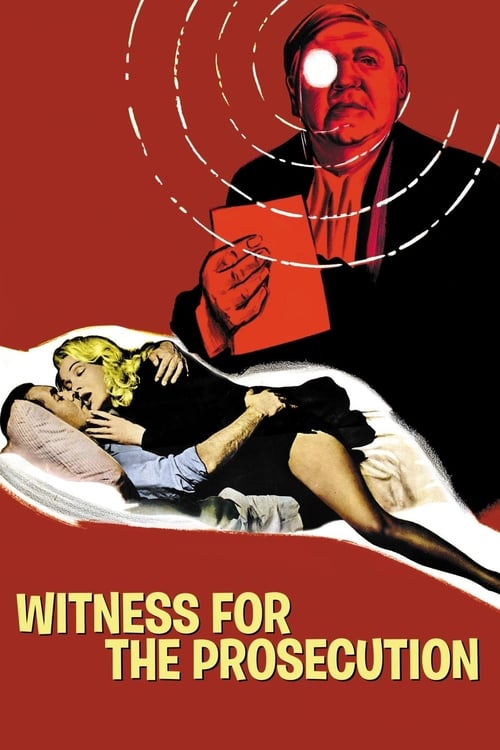
Witness for the Prosecution
8.2

An ailing barrister is thrust back into the courtroom in what becomes one of the most unusual and eventful murder cases of the lawyer's career when he finds himself defending a man being tried for the murder of a socialite.

Witness for the Prosecution

1957
No image
6.8

Producers' Showcase is an American anthology television series that was telecast live during the 1950s in compatible color by NBC. With top talent, the 90-minute episodes, covering a wide variety of genres, aired under the title every fourth Monday at 8 p.m. ET for three seasons, beginning October 18, 1954. The final episode, the last of 37, was broadcast May 27, 1957. Showcase Productions, Inc., packaged and produced the series, which received seven Emmy Awards, including the 1956 award for Best Dramatic Series.

Producers' Showcase

1954