Acting
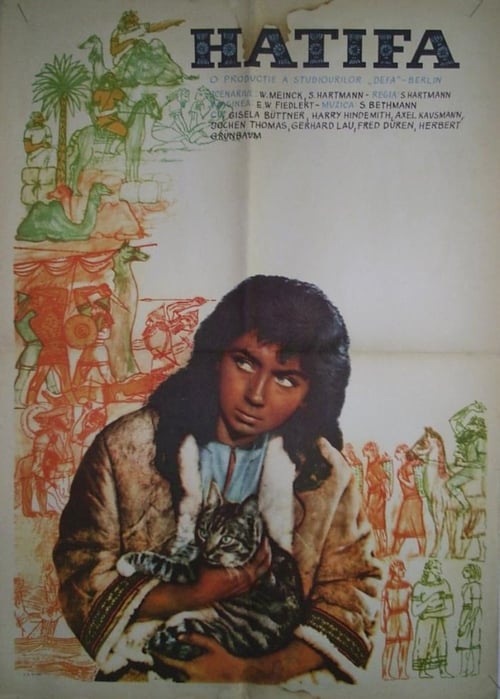
Hatifa is tired of her difficult fate and escapes from the place of her enslavement, a quarry in the desert. There she wanders around in freedom, but ultimately helpless, without water or food. Shortly before dying of thirst, she is saved by the sage Simsal, who is traveling with a caravan of the merchant Ganem. Hatifa quickly makes many friends, including the young servant Hodja. Only to him she confides her secret. The girl had to keep the fact that she was a slave to herself. After all, anyone who helps escaped slaves is mercilessly threatened with the death penalty. Out of consideration for the caravan, they both flee, but are soon picked up by Ganem. When he realizes that he can make a lot of money with Hatifa, he sells her again to a quarry.
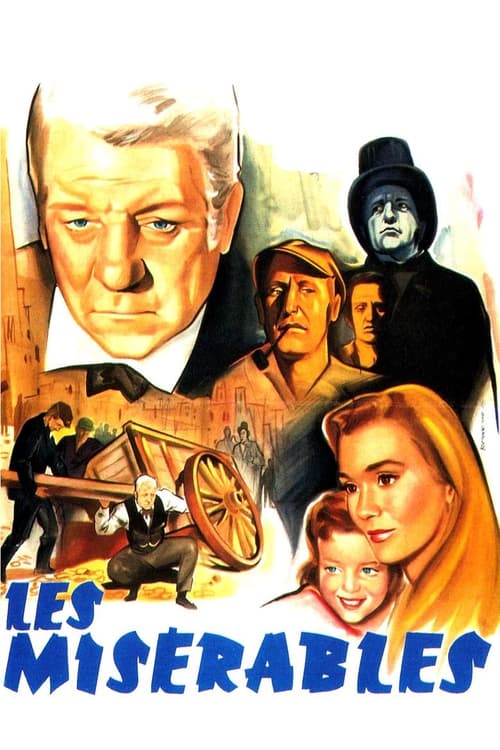
In 19th century France, Jean Valjean, a man imprisoned for stealing bread, must flee a relentless policeman named Javert. The pursuit consumes both men's lives, and soon Valjean finds himself in the midst of the student revolutions in France.
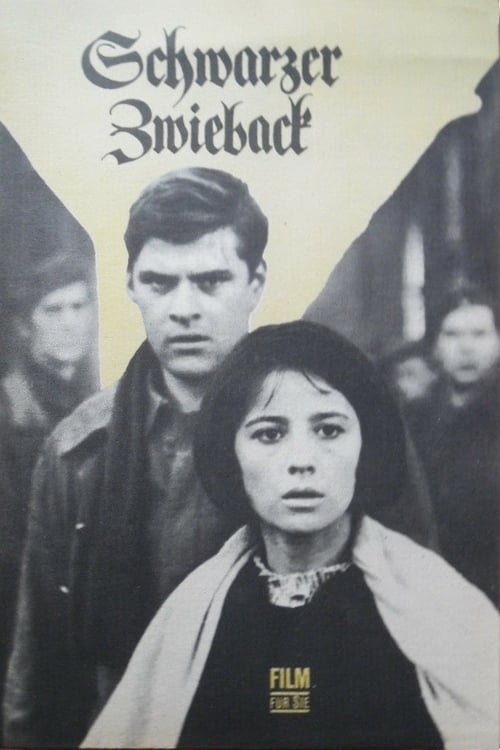
The mechanic Behnke wants to join the Nazi party to secure a good living. However, after his Jewish neighbors have been taken away, he changes his views. Trying to remain "a non-political man," he withdraws from reality and becomes a Nazis laborer.
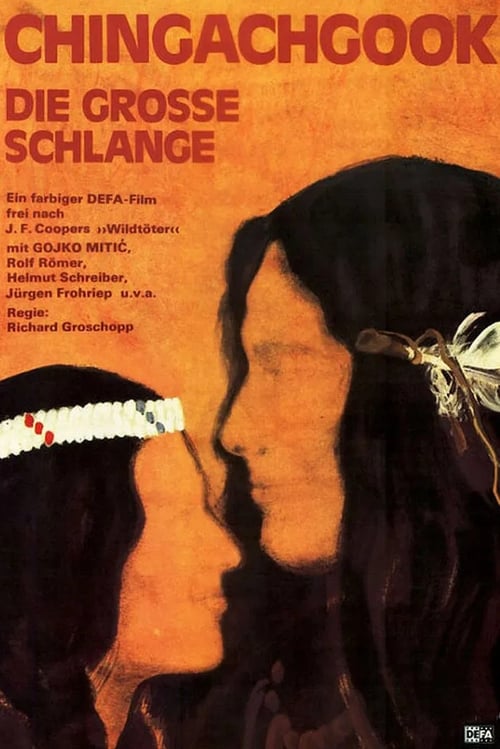
Chingachgook, a Mohawk-born Delaware warrior, strives to rescue his wife Wahtawah from the clutches of an enemy camp of Huron. Joined by his trusted huntsman Deerslayer, the two confront racist pioneers and brutal British soldiers in their quest. Deerslayer catches the desire of Judith and thus the jealousy of her suitor, Harry. The action of the story functions like a seesaw, characters continuously traveling back and forth between a house on the lake and the Huron camp until the violent climax.
The November Revolution of 1918 in Germany, famine and social upheaval evoke a response from the young Soviet government in Russia. To provide food assistance, trains with bread are being formed. One of them, on the personal instructions of V.I. Lenin is accompanied by the young revolutionary Tatyana . On the way, she meets a former German prisoner of war, Kurt . A romantic relationship arises between them. The train with bread, despite all the difficulties, was delivered. In a clash with a detachment of counter-revolutionary German troops, Tatyana was wounded. She returns to Moscow, and Kurt goes to Berlin to continue the revolutionary struggle.
This is the directorial debut of Artur Pohl and tells the story of war refugees as they try to settle in a small town in Germany.
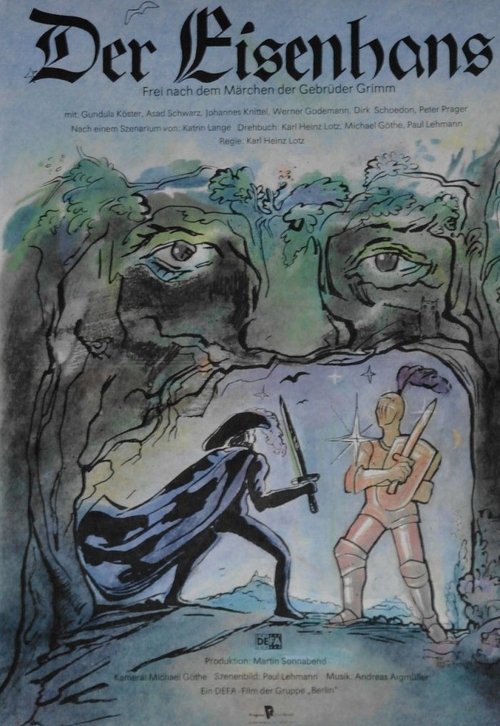
In a king's kingdom there is a forest so dangerous that every man who goes into it is never heard from again. Iron Hans, who is responsible for the deaths, is found at the bottom of a lake and locked up in the king's palace
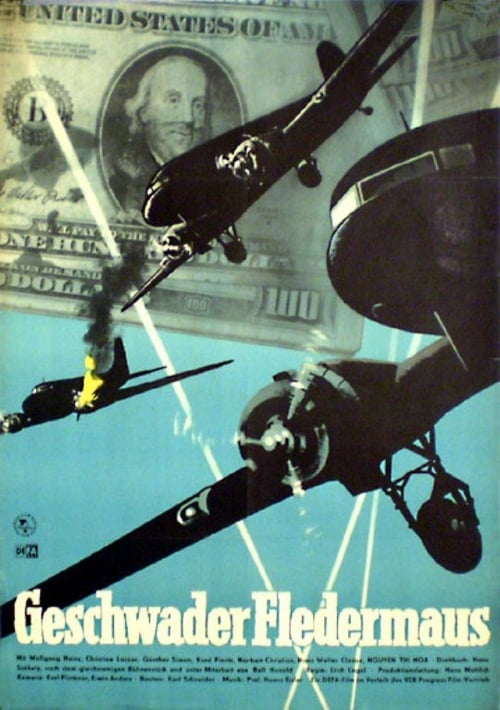
An American transport squadron led by former General Lee supports the French colonial army in Vietnam in return for high pay. Originally their mission was only to help the wounded, but as the advance of the Vietnamese liberation army puts the French under increasing pressure, they also fly ammunition - in return for even more money and in defiance of international law. Chief pilot Bryk refuses to fly, secretary Flessy becomes the unscrupulous general's mistress after one lover after another fails to return from a mission, and the rest of the squadron is shot down during an ammunition flight. The French army shows up at the camp to arrest the interpreter Thao for espionage. Bryk rescues her and flees with her to the liberated part of Vietnam.
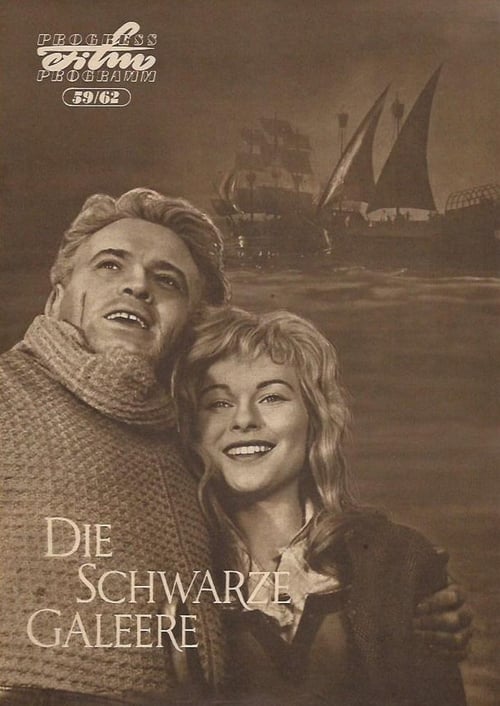
Antwerp at the end of the 16th century. For the second time, the city falls into the hands of the plundering and murdering Spaniards. Jan and Myga are just ten years old. While Myga's father tries to come to terms with the Spaniards, Jan leaves the occupied country with his father. When Jan has grown into a young man, he joins the Geusen and is entrusted with the best ship as helmsman, the "Black Galley". He survives numerous battles and dangers, but one day he is captured by the Spanish. He frees not only himself but also his beloved Myga from the hands of the enemy. In 1609, the Spaniards are forced to finally recognize the independence of the northern provinces.
Berlin, 1936. Athletes and visitors from all over the world have come to the city to take part in the Olympic Games. Anti-Fascists use the opportunity to tell the foreign guests about the situation in Germany by distributing leaflets. Being cornered by the Gestapo, the wounded resistance fighter Jakob manages to go into hiding with the help of the Swiss doctor Thea. They fall in love with each other and when Jakob joins the International Brigades in Spain to fight against Franco, Thea follows him and becomes a dedicated fighter against Fascism. The enduring battle, however, keeps preventing them from becoming a real couple.
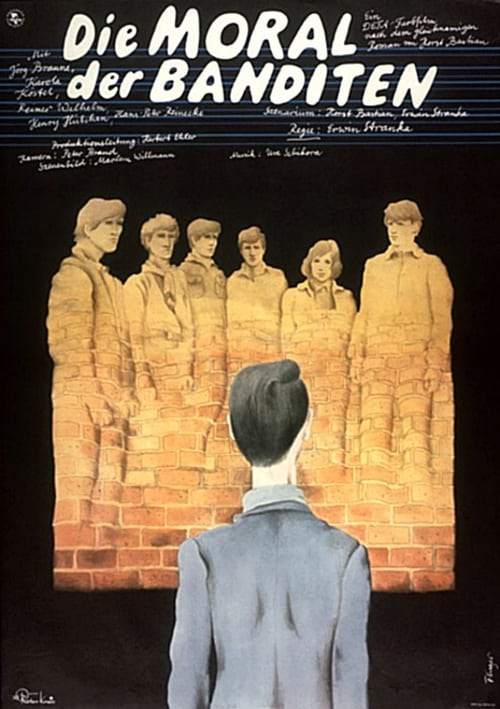
In a post-war village, children and young people come together to form a gang to do justice their own way. They go astray, commit crimes and have to realize that the 'objective chance to change life' does not necessarily coincide with their own subjective views and their implementation.
The love story between Magda and Rudolf Neubert illuminates the fate of German anti-fascists in emigration. The Vichy regime in France offers them hardly any refuge, let alone protection in 1942. Like a provincial Casanova, the prefectural official Dufour recreates the young woman who is submerged as a Jewish woman without valid papers. With false documents, her husband gets into the catches of the police chief and his Gestapo spy Giacometti...
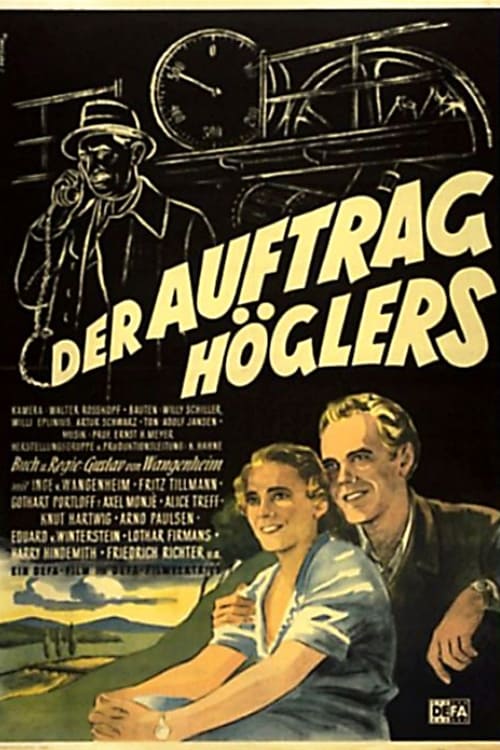
The Luisin ridge is divided not only by the river, but also by the zone boundary. The old CEO Högler still lives in the west, the eastern part has been expropriated and is managed by the chief engineer Dr. Tellen. He is working on a new steel production process that Högler absolutely needs. Högler's means to achieve his goal are bribery, espionage and slander. Trade union member Maria Steinitz almost becomes a victim of slander. However, the intrigue is exposed and Hogler's criminal intentions are thwarted. At a large production meeting, the old people's controller Hufland exposes the true culprits. Maria and Fritz Rottmann, a trade unionist from Munich, who have known each other since the days of the anti-fascist resistance, embrace each other.
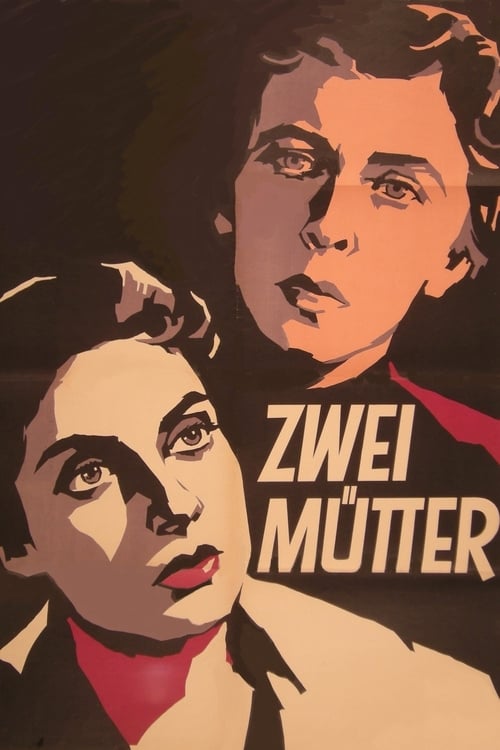
The story of two women, one French and the other German, who fight for a child who has been mistakenly taken by the Germans after a bomb raid.
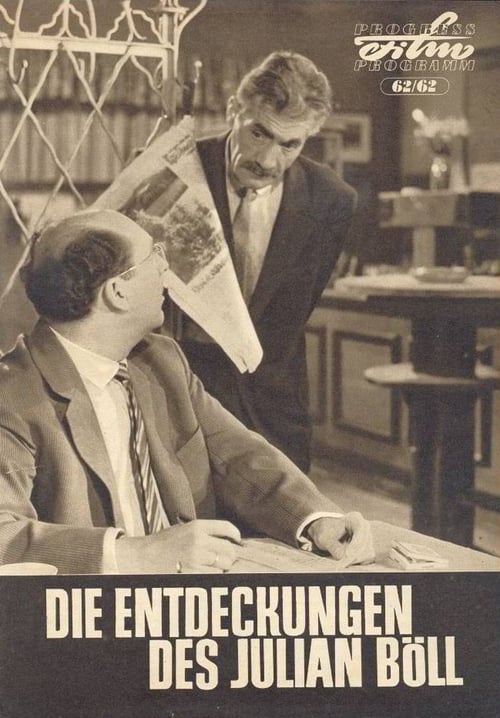
The six members of the Julian Böll brigade have been working well together for years. One day, the brigadier is missing a 100-mark bill from his pay box. Ashamed of his own doubts about his colleagues, he remains silent. Böll investigates the question of why his colleagues in the brigade have not been able to get to know each other personally despite working well together, and why he does not have the confidence to resolve the matter collectively. He recognizes omissions and decides to have a clarifying discussion. It turns out that the money was not stolen.
Spain 1936: Despite the victory of the Popular Front, nothing has changed for the peasants; the grandees continue to oppress them. The poor peasant son Pablo fights back and encourages the others to demand their rights. The grandees flee. Students from Madrid arrive and help the rural population to democratize. Pablo falls in love with Magdalena and learns to read and write from her. When Franco begins his bloody attack on the young republic, they defend the village together. When Magdalena dies in a bombing raid by German planes, Pablo begins to hate the Germans. However, fighting together with the International Brigades, he realizes that there are other Germans too, and that they share a common enemy.
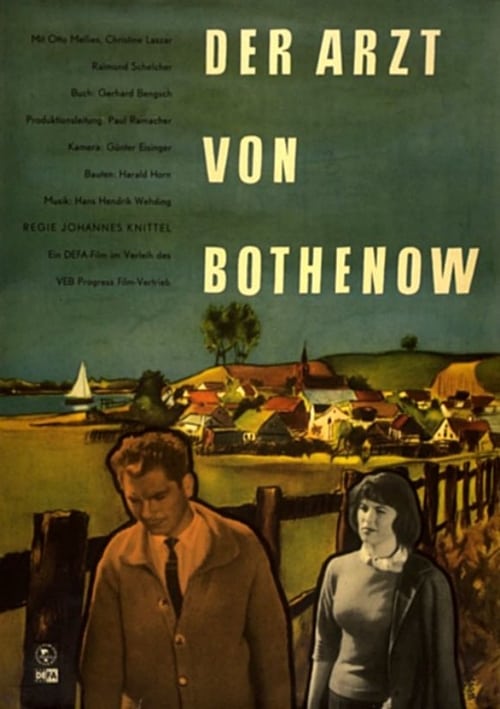
The son of a working-class man, Harry Brenner studied medicine at the ABF and quickly made a career as a doctor in Berlin. His lifestyle and his demanding wife swallow up a lot of money, so he takes on any part-time work. After a gross dereliction of duty, he is transferred to Bothenow. He meets Eva again, whom he knows from his student days and who now works here as a nurse. The two hit it off and Dr. Brenner slowly begins to change his life. In doing so, he increasingly comes into conflict with his wife. Their different views on life eventually lead to a separation.
Detlev, a single insurance clerk in his 30s, is kept dependent by his loving and caring mother and loses his girlfriend Karin as a result. Grief and an alcoholic chance acquaintance prompt him to place an ad for marriage. Detlev gets caught up in a whirlwind of friendships and love affairs: with the caring widow Karin; the well-to-do hair salon owner Ute Schöbel; the cultural editor Norma Goldbach, the photo reporter Kerstin and the student Andrea Binz. Detlev, who initially proves himself as a friend and advisor, but also as a lover, becomes increasingly self-confident. He is also successful in his work and finally emancipates himself from his mother. Although he loses "his" women in a turbulent odyssey, Detlev has transformed himself from a mama's boy into a thoroughly acceptable man.
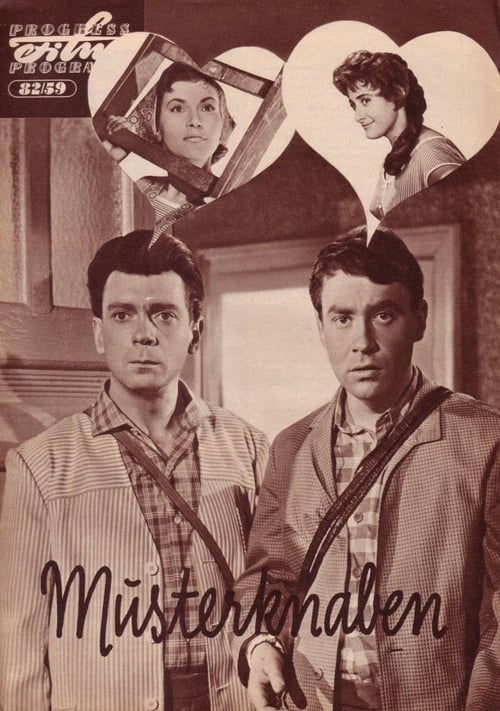
Two young building workers are more interested in girls than their work; complications ensue at home.
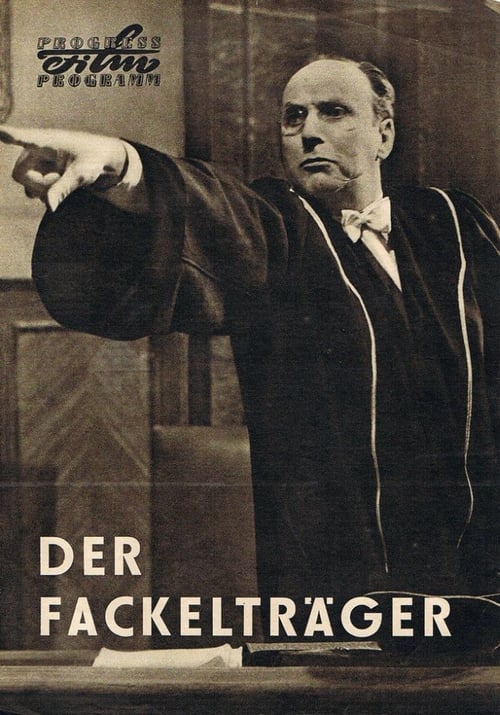
Senior public prosecutor Sänger from West Berlin has only one goal in mind: to finally be appointed to the Federal Court of Justice.