Acting
No description available.
Charming country girl Anička Košáriková and the handsome Paľo share a tender, mutual affection, until Anička’s recently widowed mother forbids the match. Paľo is the son of the former steward who once fell on hard times while serving the Košárik family, and his family’s ruined reputation casts a shadow over their budding romance.
In Slovakia, they often and gladly honored those soldiers who refused to serve the fascist regime and stood against it. Lieutenant Kukorelli also rejected the tempting career of a pilot, instead helping the resistance fighters and later participating in the Slovak National Uprising.
A father/son get-together trying, in their inept way, to do some repair work to their home that they have out in the country.
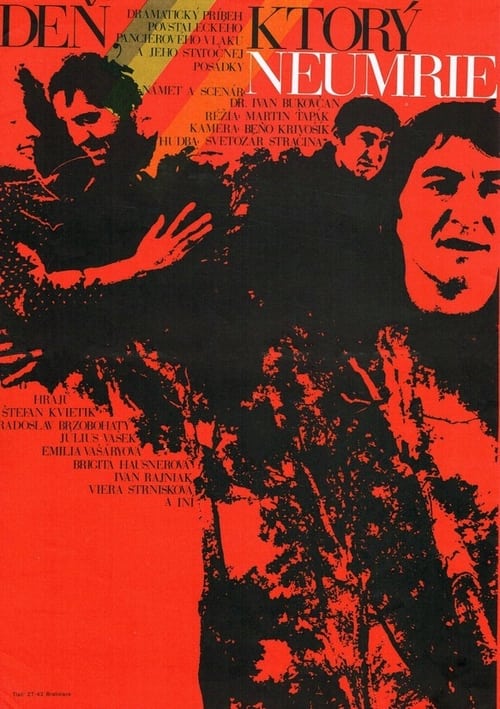
In the story of a partisan armored train crew operating in the rebel territory of Slovakia, the inner drama of Matúš Siroň, who hates war with a passion, unfolds. After managing to escape from the Eastern Front, he falls into German captivity. When he is liberated by partisans during a train transport, he initially refuses to fight. However, the circumstances of the Slovak National Uprising force him to change his mind...
Biographical film about the work of the young Klement Gottwald. The story depicts his stay in Banská Bystrica, where he edited the Slovak communist press and helped organise the communist revolutionary movement.
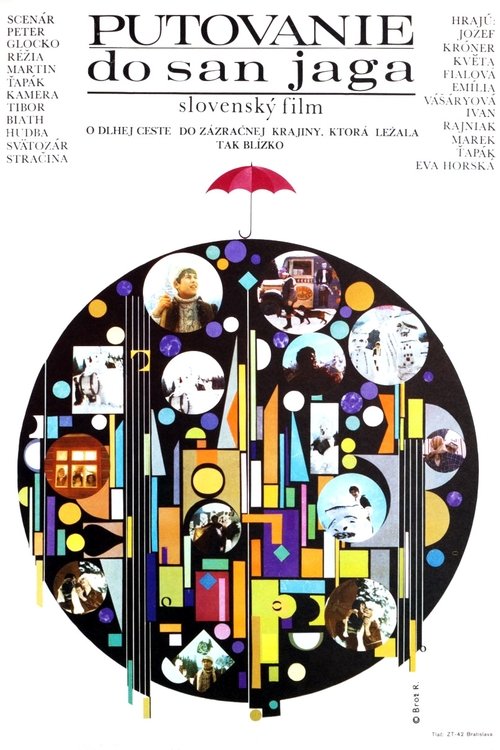
A wandering magician, capable of listening to the secrets of a child's soul, is able to create a magical land called San Jago di Campanella even in a secluded mountain hunting lodge. He arrives there just before Christmas and is able to give the children there a sense of well-being full of soothing fantasy.
The film presents a parade of customs, music, songs and dances of the Slovak people in four seasons, based on a theatre play by I. Teren and K.L. Zachar from the first years after the liberation.
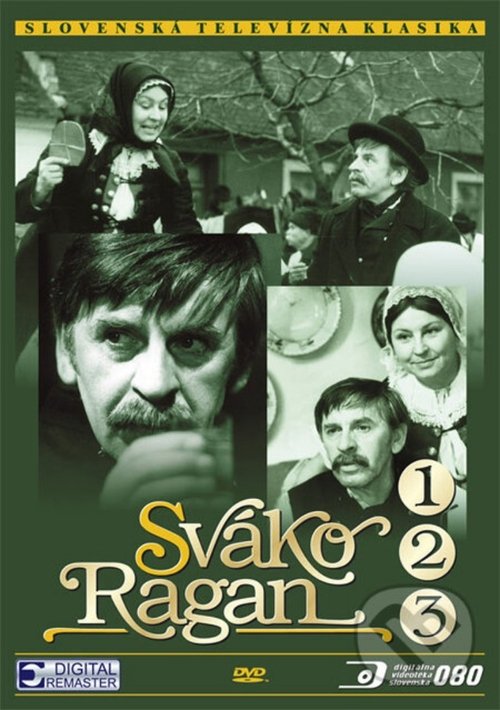
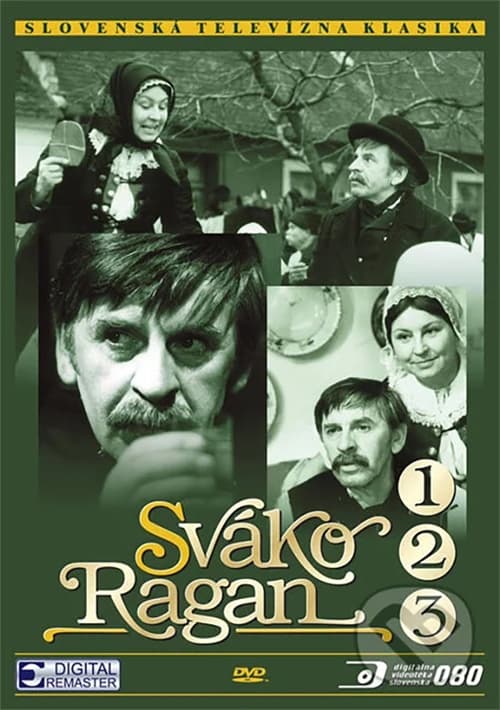
Resourceful tanner Sváko Ragan travels Myjava’s fairs and markets, using wit and dialect to spin both wins and misadventures into profit.
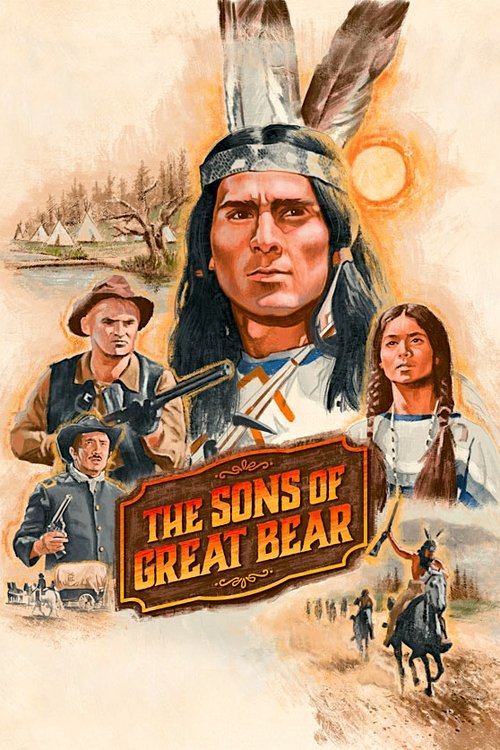
As American settlers encroach on the lands of the Lakota people, Tokei-ihto witnesses the murder of his father at the hands of Red Fox, who wanted information on where the tribe finds its gold. Two years later, at the height of the Great Sioux War, Tokei-ihto and Red Fox meet again.
Who could forget the Favorites figure Svákov Ragan in acting creations neopakovatel'ného Jozef Kroner? Three-part television film Sváko Ragan, created according to stories Ela Sándor already at its first introduction many years ago, soon won favor with audiences. Brought not only good fun, but also an attractive view of a world Myjavská site with many rustic Alpine traditions and characters and witty dialect used, especially Myjavský and Brezovský. Above all this, however, it is dominated by the ability to invent Svákov Ragan was even in the most uncomfortable situations ... Brezovskí tanners have been known not only to the quality of its products, but ischopnosťou their products at fairs successfully foreground. Highly after the fairs and markets in the near and distant surroundings Birch Nachod and Sváko Ragan and no wonder that their business has seen wandering the lot but cheerful and made many hilarious but also less hilarious "deal" ...
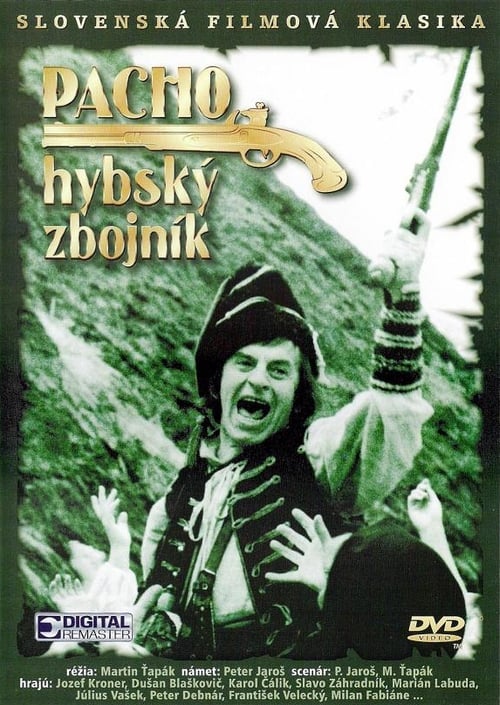
A funny outlaw tale inspired by traditional folk humour. Pacho is no ordinary outlaw. He detests injustice and feudal oppression and he copes with each troublesome situation with the help of his cleverness and wit.
The security forces, loyal to the people, uncover the conspiracy. At the center of the intrigue is an average actor who suddenly becomes dizzy from unexpected praise. It takes the young man a long time to wake up from his dreams, to understand how he has been abused.
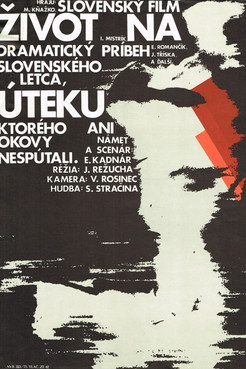
Slovak partisans, bravely fighting against Nazi superiority, would never have succeeded to such an extent if they had not been supported by the villagers. Despite the threat of repression, it is the villagers who care for the wounded, hide them, and behave conscientiously. Although the film was made in the late 1960s, it fully adopts the patterns of partisan stories, perhaps the only thing it can be credited with is a more developed sense of authenticity in the story, characters, and setting.
The plot takes place in the revolutionary year of 1848. It takes us to Príbelice, where Janko Kráľ returns from Pest after the March Revolution, to acquaint the Slovak people with the famous Twelve Points, together with his friend, teacher Ján Rotarides. They were voted on at the last Hungarian Diet in Bratislava with the promise of freedom and equality for Slovaks.