Directing
A police detective uses fluorescent powder to catch a pickpocket and her gang.
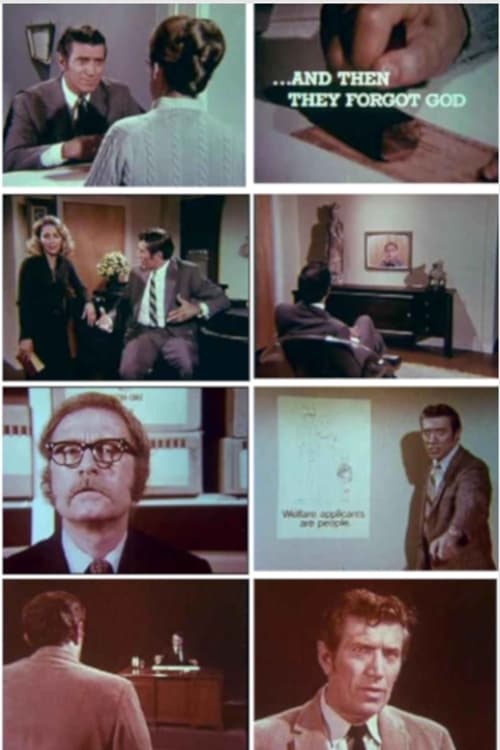
"And Then They Forgot God" is set in a dystopian future, one in which the environment has suffered (people carry around breathing gear) and people must navigate extremely bureaucratic and rigid rules and procedures. Food is only available through the government, and only to those holding a monthly-issued card. Joe Campanella plays a husband who finds himself in desperate straits when his ration card is rejected because it was in poor condition when received. Despite an official policy that no one in that society goes hungry, Campanella's character receives no help.
This short plugs the new tunes written by Mack Gordon and Harry Revel for the movie "College Rhythm" and shows the audience how they were written and rehearsed. Naturally it also advertises the movie.
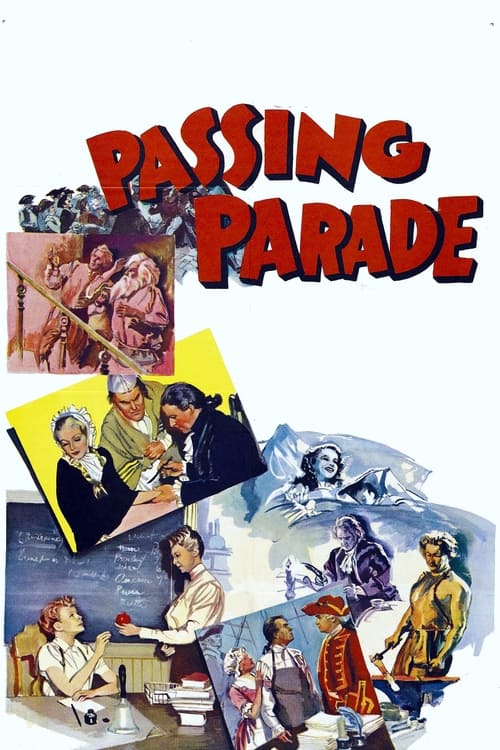
This MGM John Nesbitt's Passing Parade series short tells the story of how a Mauser pistol used on the battlefield by Germans during WWII makes its way into the hands of an American gangster.
Disc Jockey Martin Block talks with and plays music by Tex Beneke
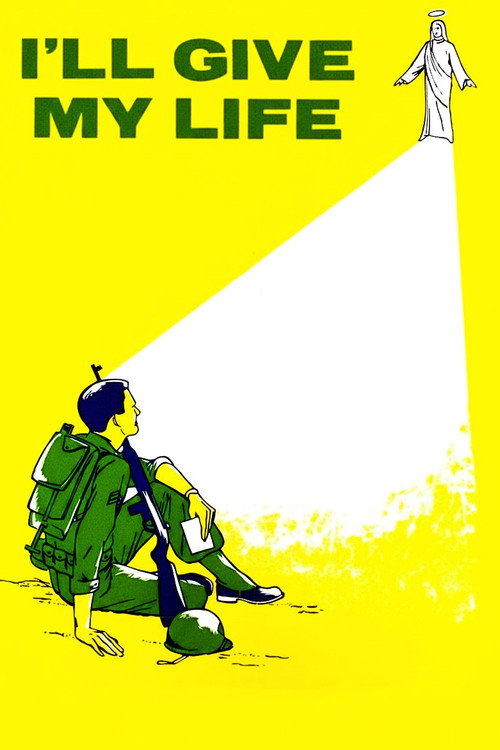
This story opens with John Bradford throwing a graduation party for his son, Jim, who has just earned a degree in engineering. John has planned to make his son a partner in his engineering firm for many years. However, Jim has decided to enter the ministry.
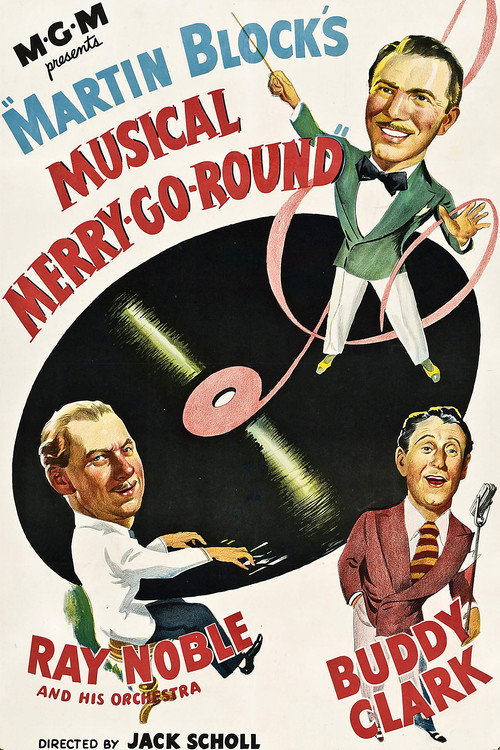
In this episode of the Musical Merry-Go-Round we get music from Frankie Carle and His Orchestra and Marjorie Hughes.
A behind-the-scenes showcase of how screen tests for studio executives are made and used in the Hollywood casting process. Some of the featured performances include actress Betty Jane Rhodes and opera singer Gladys Swarthout.
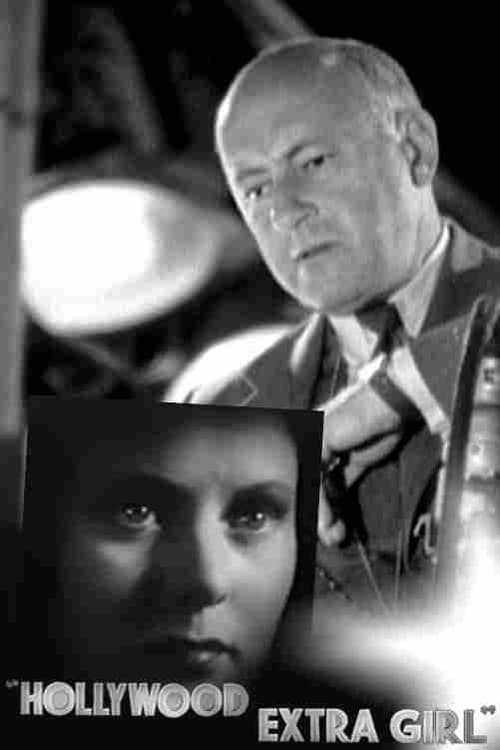
A short semi-documentary about a "typical extra girl" on a DeMille film.
Virginia O'Brien visits Martin Block as he hosts a radio show devoted to Les Brown and His Band of Renown. A few numbers are heard from the band as Block gives a brief history of how they started. O'Brien also recalls her first movie song.
Compilation of lighting and costume tests from various films, most notably Sternberg's "The Devil Is a Woman" (1935).
Hedda Hopper plays hostess at a party for her (grown) son William (DeWolfe Jr.). Hopper, attends the dedication of the Motion Picture Relief Fund's country home and goes to the Mocambo. There is also a sequence dedicated to the Milwaukee, Wisconsin world premiere of the first short in this series attended by more that a few film stars.
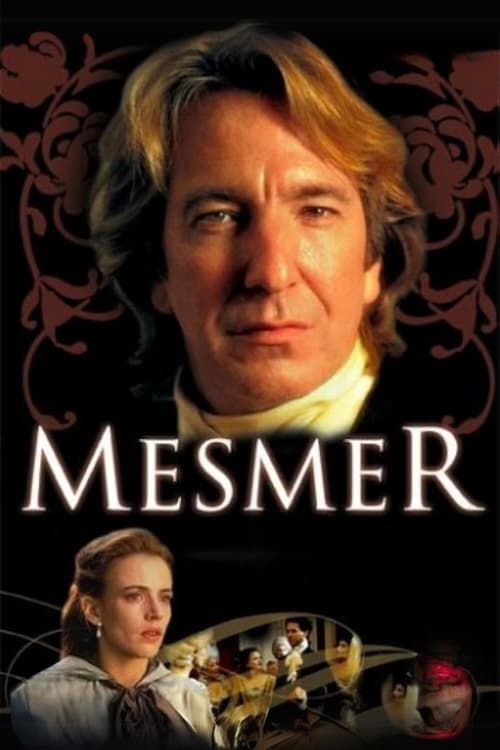
A biography of the eighteenth century Viennese physician, Franz Anton Mesmer, who used unorthodox healing practices based on his theory of "animal magnetism."
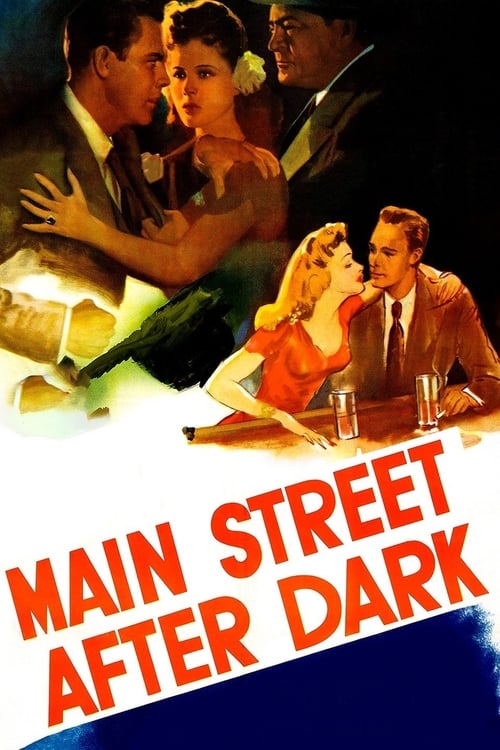
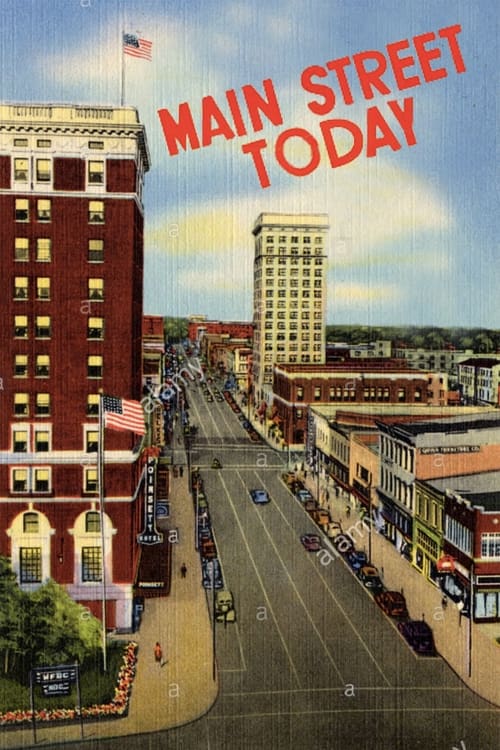
This patriotic short film promotes America's war effort at home. The story looks at a fictional small town's main street, seeing where additional workforce, for increased production of materials needed by the military, might come from.
Karen and Wes's marriage is crumbling apart - like a sandcastle. Karen can't even make love to her husband any more - the sand has managed to get everywhere. Harry, a tax collector, is a witness to this marriage falling apart.
Hedda Hopper guides us through some of Hollywood's sights; the home of William S. Hart and a Kay Kyser recording-session being among them.
Hedda reports on a dog training school and a Hemingway hunting trip.
Story about two boys who want ponies for Christmas but their family can only afford one. The horse owner, who is bitter about the loss of his son in the war, is softened by the boys' sacrifice for each other.
Narrator Hopper covers two war benefit affairs, a garden party and a USO fashion show, at Pickfair, "The White House of Hollywood."
The making of Cleopatra (1934), showing pre-production, DeMille directing a scene, and the addition of music to the soundtrack.