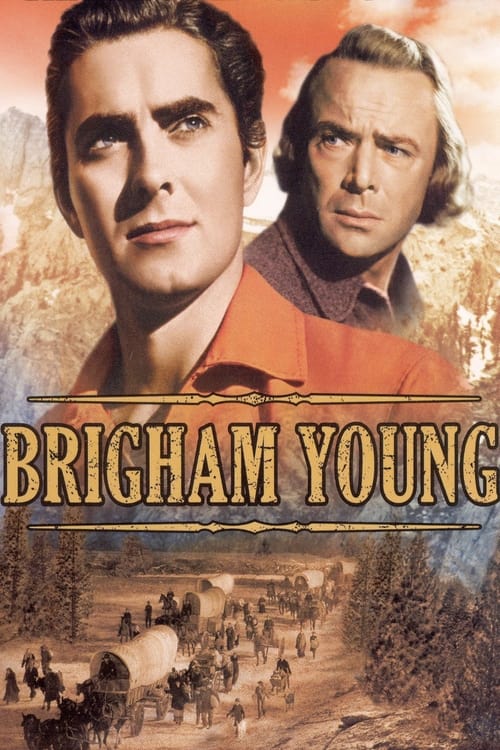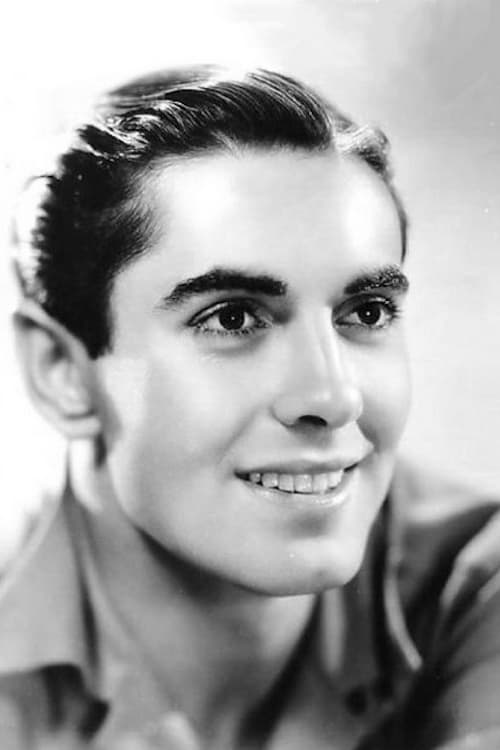
Tyrone Power
Acting
Biography
One of the great romantic swashbuckling stars of the mid-twentieth century, and the third Tyrone Power of four in a famed acting dynasty reaching back to the eighteenth century. His great-grandfather was the first Tyrone Power (1795-1841), a famed Irish comedian. His father, known to historians as Tyrone Power Sr., but to his contemporaries as either Tyrone Power or Tyrone Power the Younger, was a huge star in the theater (and later in films) in both classical and modern roles. His mother, Patia Riaume (Mrs. Tyrone Power), was also a Shakespearean actress as well as a respected dramatic coach. Tyrone Edmund Power, Jr., (also called Tyrone Power III; May 5, 1914 - November 15, 1958) was born at his mother's home of Cincinnati, Ohio, in 1914. A frail, sickly child, he was taken by his parents to the warmer climate of southern California. After his parents' divorce, he and his sister Anne Power returned to Cincinnati with their mother. There he attended school while developing an obsession with acting. Although raised by his mother, he corresponded with his father, who encouraged his acting dreams. He was a supernumerary in his father's stage production of 'The Merchant of Venice' in Chicago and held him as he died suddenly of a heart attack later that year. Startlingly handsome, young Tyrone nevertheless struggled to find work in Hollywood. He appeared in a few small roles, then went east to do stage work. A screen test led to a contract at 20th Century Fox in 1936, and he quickly progressed to leading roles. Within a year or so, he was one of Fox's leading stars, playing in contemporary and period pieces with ease. Most of his roles were colorful without being deep, and his swordplay was more praised than his wordplay. He served in the Marine Corps in World War II as a transport pilot, and he saw action in the Pacific Theater of operations. After the war, he got his best reviews for an atypical part as a downward-spiraling con-man in Nightmare Alley (1947). Although he remained a huge star, much of his postwar work was unremarkable. He continued to do notable stage work and also began producing films. Following a fine performance in Billy Wilder's Witness for the Prosecution (1957), Power began production on Solomon and Sheba (1959). Halfway through shooting, he collapsed during a dueling scene with George Sanders, and he died of a heart attack before reaching a hospital.
Known For

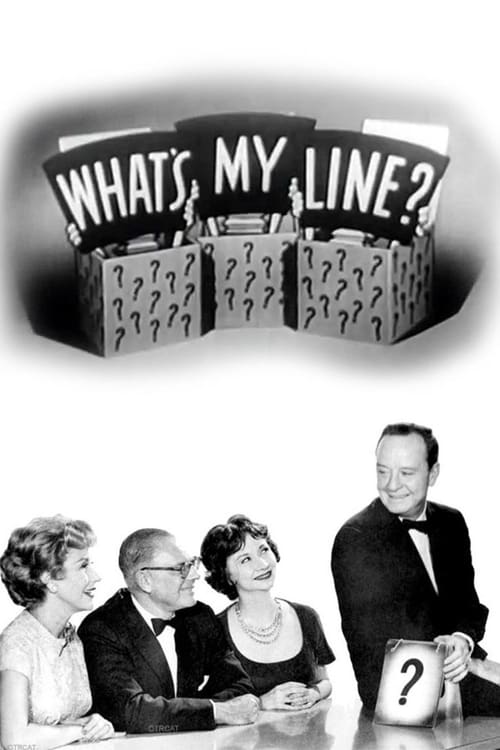
Four panelists must determine guests' occupations - and, in the case of famous guests, while blindfolded, their identity - by asking only "yes" or "no" questions.
What's My Line?

The Bambi, often called the Bambi Award and stylised as BAMBI, is a German award presented annually by Hubert Burda Media to recognize excellence in international media and television to personalities in the media, arts, culture, sports, and other fields "with vision and creativity who affected and inspired the German public that year", both domestic and foreign. First held in 1948, it is the oldest media award in Germany. The trophy is named after Felix Salten's book Bambi, A Life in the Woods and its statuettes are in the shape of the novel's titular fawn character. They were originally made of porcelain until 1958, when the organizers switched to using gold, with the casting done by the art casting workshop of Ernst Strassacker in Süßen.
Bambi

The Ed Sullivan Show is an American TV variety show that originally ran on CBS from Sunday June 20, 1948 to Sunday June 6, 1971, and was hosted by New York entertainment columnist Ed Sullivan. It was replaced in September 1971 by the CBS Sunday Night Movie, which ran only one season and was eventually replaced by other shows. In 2002, The Ed Sullivan Show was ranked #15 on TV Guide's 50 Greatest TV Shows of All Time.
The Ed Sullivan Show

An annual American awards ceremony honoring cinematic achievements in the film industry. The various category winners are awarded a copy of a statuette, officially the Academy Award of Merit, that is better known by its nickname Oscar.
The Oscars

No description available.
Cinépanorama

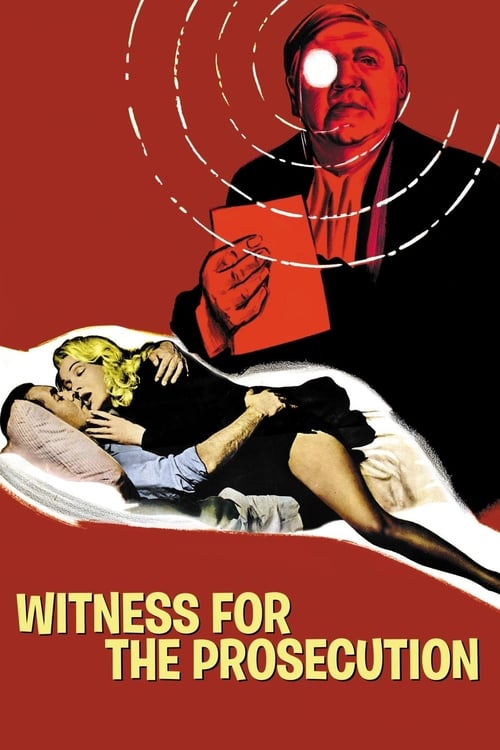
An ailing barrister is thrust back into the courtroom in what becomes one of the most unusual and eventful murder cases of the lawyer's career when he finds himself defending a man being tried for the murder of a socialite.
Witness for the Prosecution

Armchair Theatre is a British television drama anthology series of single plays that ran on the ITV network from 1956 to 1974. It was originally produced by Associated British Corporation, and later by Thames Television from mid-1968.
Armchair Theatre

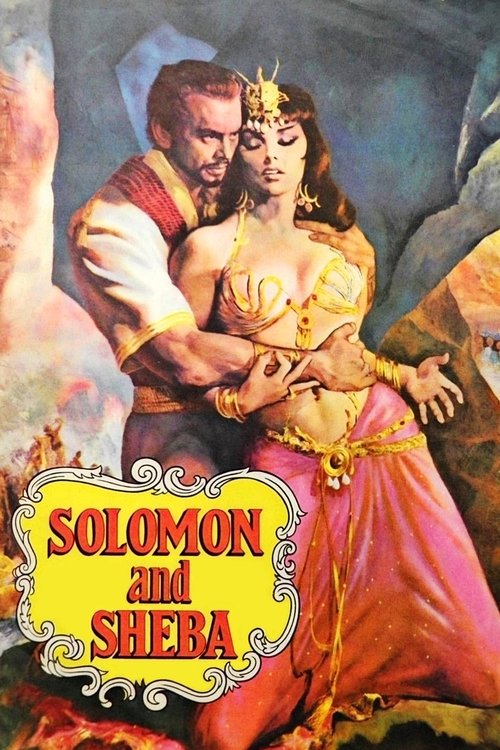
Near death, King David has a vision that his poet son, Solomon, should succeed him, rather than hot-headed Adonijah. Furious, Adonijah departs the court, swearing he will become king. Other rulers are concerned that Solomon's benevolent rule and interest in monotheism will threaten their tyrannical, polytheistic kingdoms. The Queen of Sheba makes an agreement with the Egyptian pharaoh to corrupt Solomon for their mutual benefit.
Solomon and Sheba

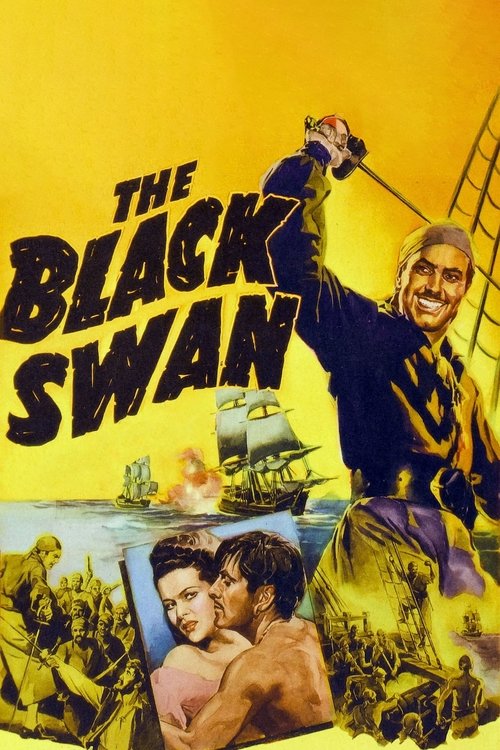
When notorious pirate Henry Morgan is made governor of Jamaica, he enlists the help of some of his former partners in ridding the Caribbean of buccaneers. When one of them apparently abducts the previous governor's pretty daughter and joins up with the rebels, things are set for a fight.
The Black Swan

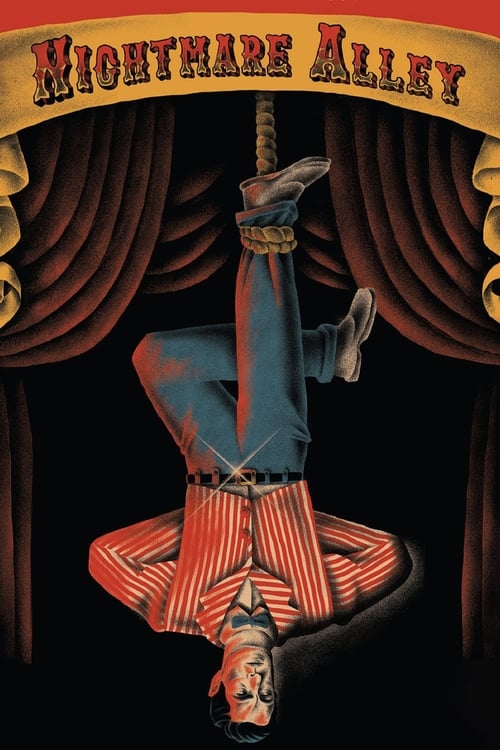
A roustabout joins a traveling carny and schemes to figure out the mind-reading act of Mademoiselle Zeena and her alcoholic husband.
Nightmare Alley

After railroad agents forcibly evict the James family from their family farm, Jesse and Frank turn to banditry for revenge.
Jesse James

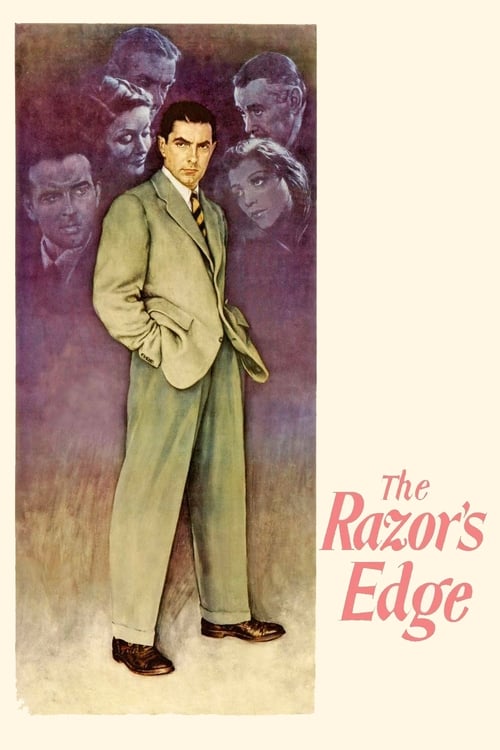
An adventurous young man goes off to find himself and loses his socialite fiancée in the process. But when he returns 10 years later, she will stop at nothing to get him back, even though she is already married.
The Razor's Edge

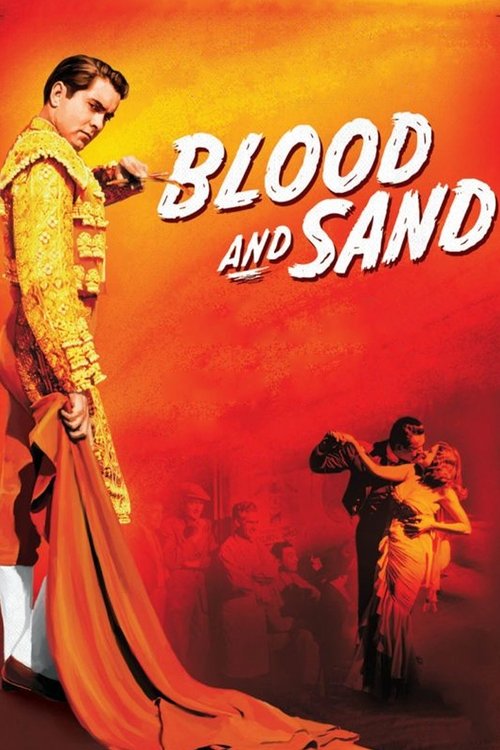
Bullfighter Juan Gallardo falls for socialite Dona Sol, turning from the faithful Carmen who nevertheless stands by her man as he continues to face real danger in the bullring.
Blood and Sand

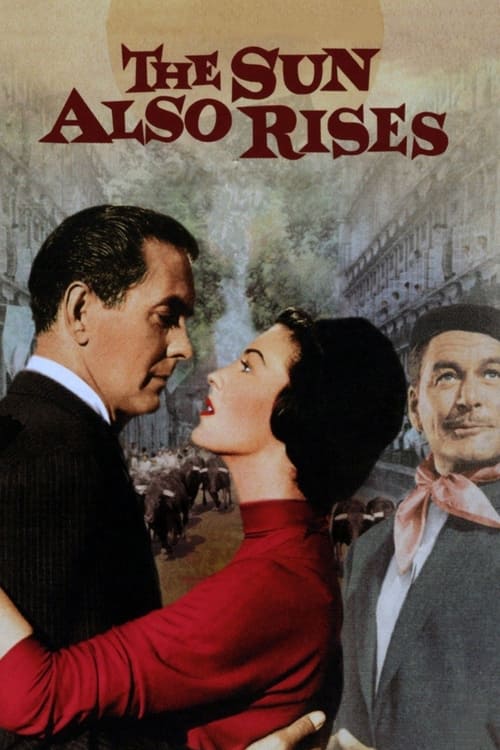
A group of disillusioned American expatriate writers live a dissolute, hedonistic lifestyle in 1920's France and Spain.
The Sun Also Rises

At a desolate relay station in the west, a stagecoach attendant and a stranded woman traveller are held captive by a band of escaped convicts.
Rawhide

A private stationed in Hawaii gets involved with the general's engaged daughter. In order to avoid a scandal, the pair break up, but meet again years later when he's at West Point producing the annual play that turns out to star her.
Flirtation Walk

The young Austrian princess Marie Antoinette is arranged to marry Louis XVI, future king of France, in a politically advantageous marriage for the rival countries. The opulent Marie indulges in various whims and flirtations. When Louis XV passes and Louis XVI ascends the French throne, his queen's extravagant lifestyle earns the hatred of the French people, who despise her Austrian heritage.
Marie Antoinette

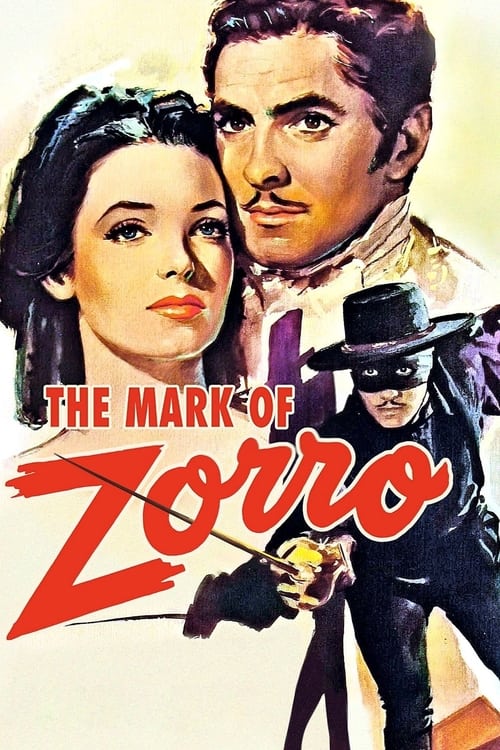
In 1820 Spain, the son of a California nobleman comes home to find his native land under a villainous dictatorship. On one hand, he plays the useless fop, while on the other, he is the masked avenger Zorro.
The Mark of Zorro

A film scrapbook, images, phrases from our past, hiding their meanings behind veils. Let's lift those veils, one by one, to find how images, at one time seeming innocent, have revealed, after decades, to have homosexual overtones.
The Silver Screen: Color Me Lavender

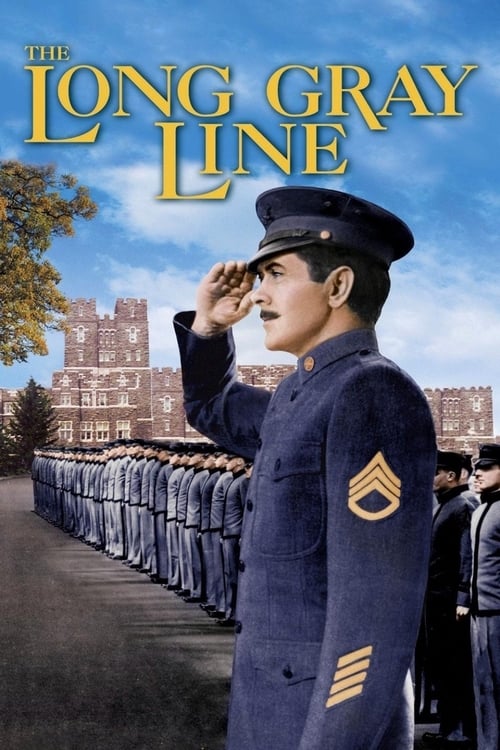
The life story of a salt-of-the-earth Irish immigrant, who becomes an Army Noncommissioned Officer and spends his 50 year career at the United States Military Academy at West Point. This includes his job-related experiences as well as his family life and the relationships he develops with young cadets with whom he befriends. Based on the life of a real person.