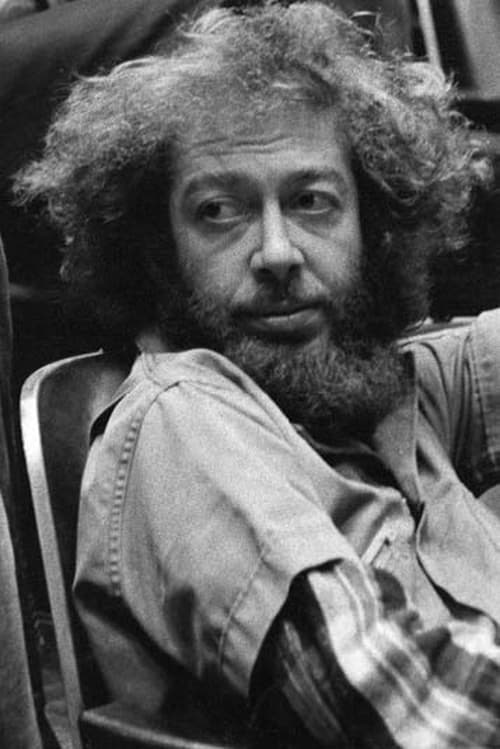
Hollis Frampton
Directing
Biography
Hollis Frampton is known for the broad and restless intelligence he brought to the films he made, beginning in the early '60s, until his death in 1984. In addition to being an important experimental filmmaker, he was also an accomplished photographer and writer, and in the 1970s made significant contributions to the emerging field of computer science. He is considered one of the pioneers of what has come to be termed structuralism, an influential style of experimental filmmaking that uses the basic elements of cinematic language to create works that investigate film form at the expense of traditional narrative content. Along with Michael Snow and Stan Brakhage, he is one of the major figures to emerge from the New York avant-garde film community of the 1960s.
Known For
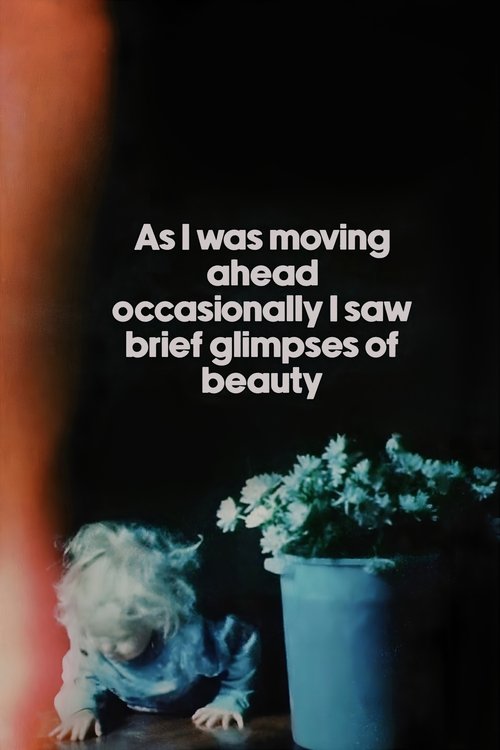
A compilation of over 30 years of private home movie footage shot by Lithuanian-American avant-garde director Jonas Mekas, assembled by Mekas "purely by chance", without concern for chronological order.
As I Was Moving Ahead, Occasionally I Saw Brief Glimpses of Beauty
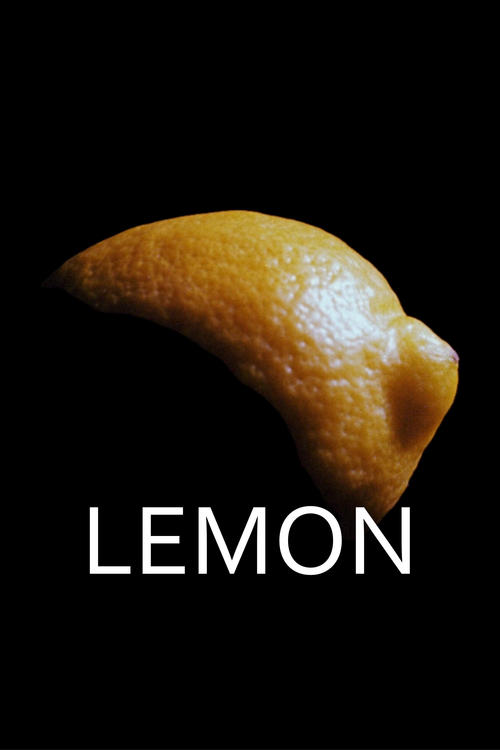
Light begins to illuminate the small, nipple-like end of a lemon on the right edge of the frame and gradually spreads until the entire lemon is clearly visible. Then the light recedes across the frame.
Lemon
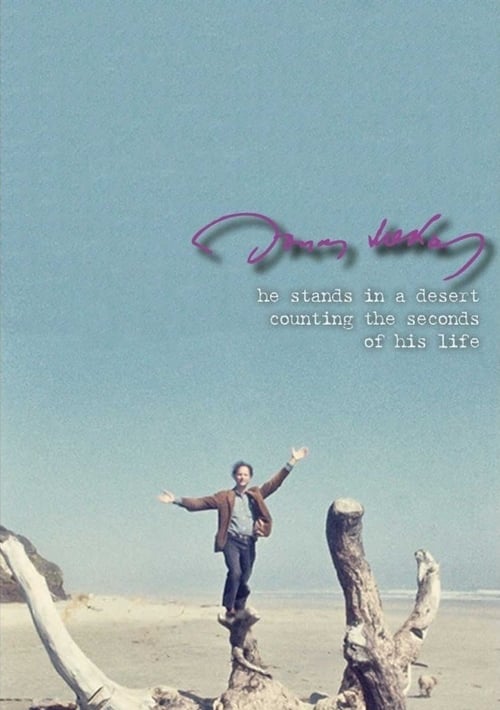
A film collage tracing the story of the lives, loves, and deaths within the artistic community surrounding Jonas Mekas.
He Stands in a Desert Counting the Seconds of His Life
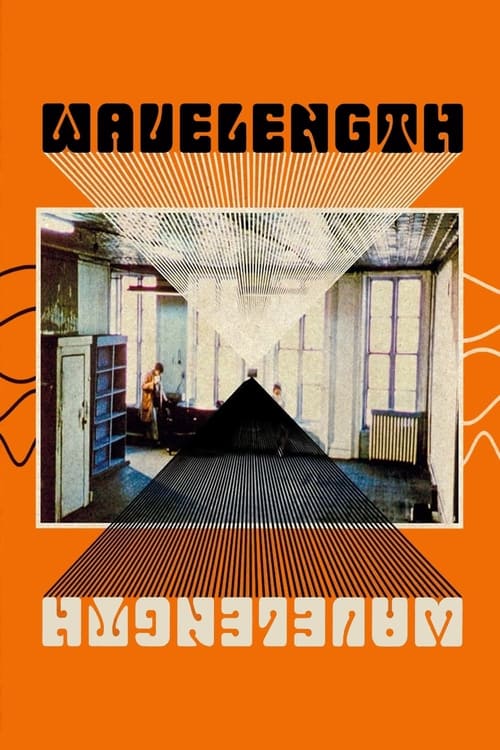
Wavelength consists of almost no action, and what action does occur is largely elided. If the film could be said to have a conventional plot, this would presumably refer to the three “character” scenes. In the first scene two people enter a room, chat briefly, and listen to “Strawberry Fields Forever” on the radio. Later, a man (played by filmmaker Hollis Frampton) enters inexplicably and dies on the floor. And last, the female owner of the apartment is heard and seen on the phone, speaking, with strange calm, about the dead man in her apartment whom she has never seen before.
Wavelength
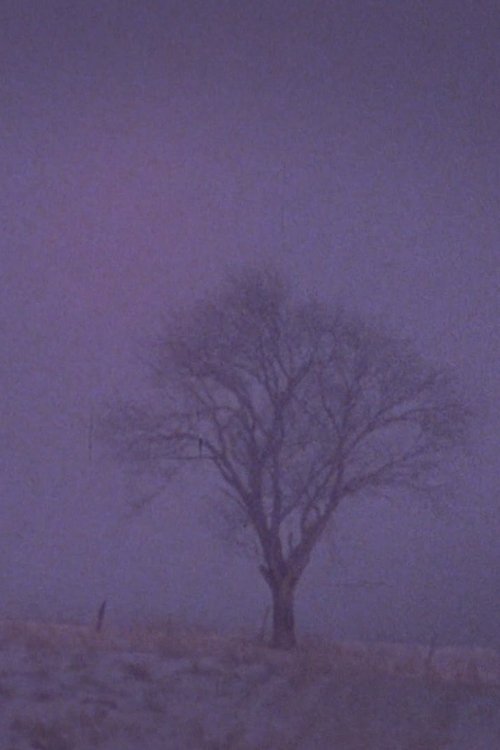
No description available.
Tree Over the Valley, Eaton
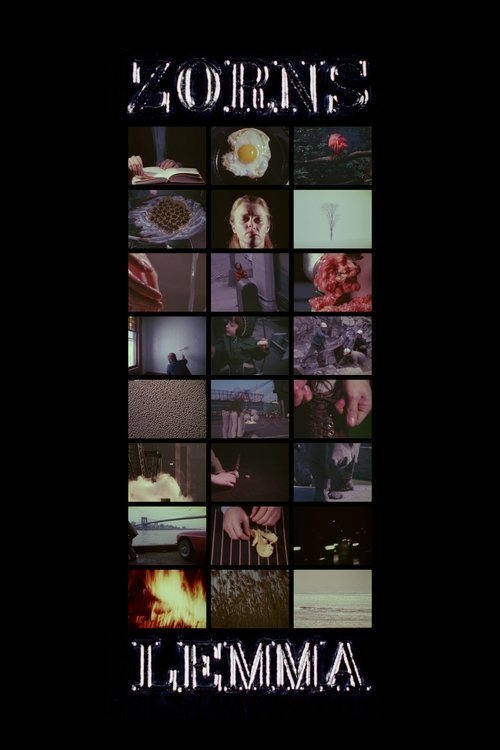
Zorns Lemma is a 1970 American structuralist film by Hollis Frampton. It is named after Zorn's lemma (also known as the Kuratowski–Zorn lemma), a proposition of set theory formulated by mathematician Max Zorn in 1935. Zorns Lemma is prefaced with a reading from an early grammar textbook. The remainder of the film, largely silent, shows the viewer an evolving 24-part "alphabet" (where i & j and u & v are interchanged) which is cycled through, replaced and expanded upon. The film's conclusion shows a man, woman and dog walking through snow as several voices read passages from On Light, or the Ingression of Forms by Robert Grosseteste.
Zorns Lemma
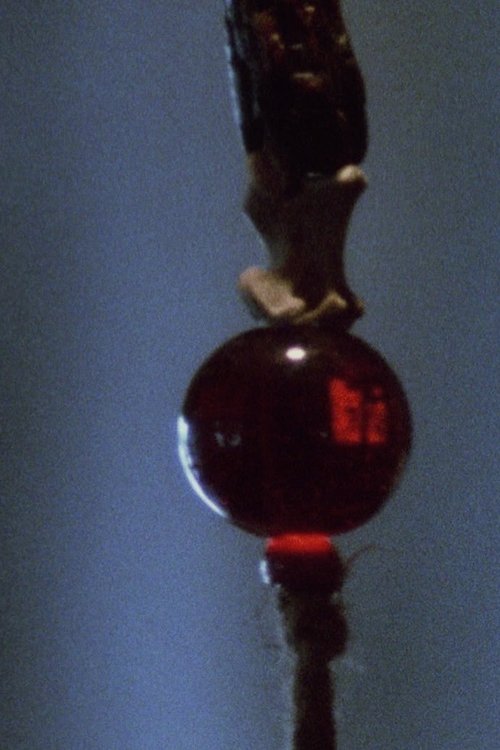
A pendulum swings by until it comes to a complete stop.
Pan 1
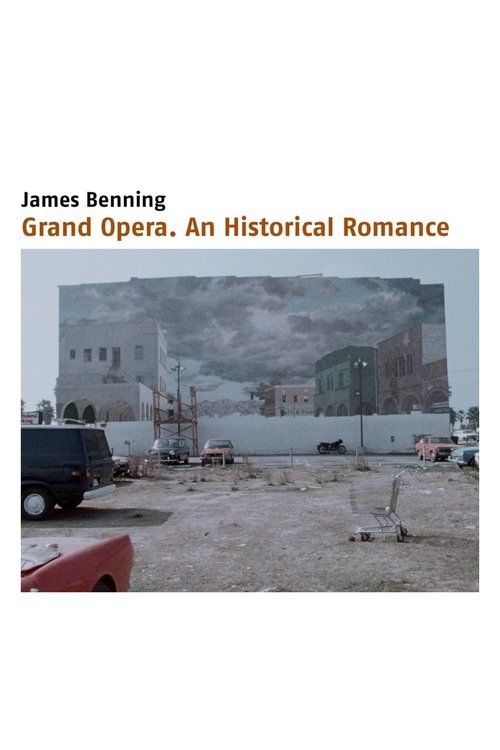
Grand Opera marks a stock-taking of Benning's work and his life, presenting a personal and artistic autobiography woven together with a series of events dealing with the historical development of the number pi, Benning's travels, and homages to Michael Snow, Hollis Frampton, George Landow (Owen Land), and Yvonne Rainer.
Grand Opera: An Historical Romance
An experimental short film from the Gates of Death series by Hollis Frampton.
Magellan: At the Gates of Death, Part I: The Red Gate I, 0
Home movies shot on Super 8mm by W+B Hein over 10 years.
Home Movies 1971-81

"In the final format for MAGELLAN, Frampton had planned to disassemble these two films into twenty-four 'encounters with death' that were to be shown in five-minute segments twice a month. In their present state, seen together and roughly the length of an average feature film, the two parts of MAGELLAN: AT THE GATES OF DEATH constitute perhaps the most gripping, monumental, and wrenching work ever executed on film...Frampton in 1971 began his filming of cedavers at the Gross Anatomy Lab at the University of Pittsburgh. He returned to the lab four times over the course of the next two years and then spent nine months assembling his 'forbidden imagery' into an extraordinary meditation upon death."–Bruce Jenkins
The Red Gate: Magellan at the Gates of Death, Part I
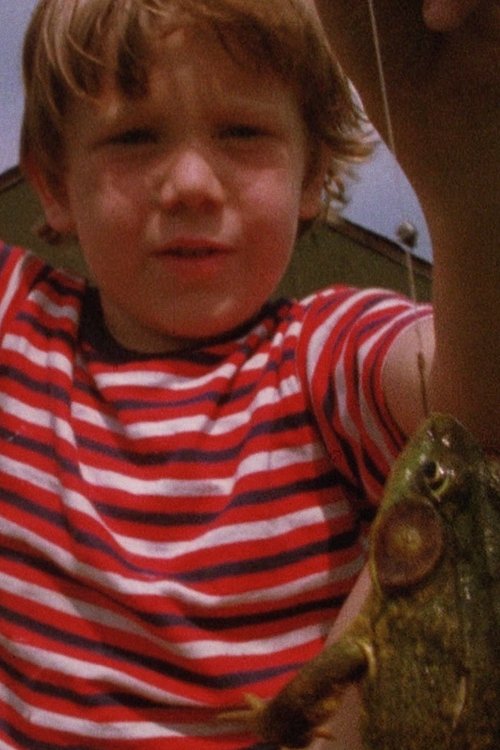
A little boy celebrates his frog catch.
Pan 699
Joyce Wieland: “Hollis and I came back to Toronto on holiday in the summer of '67. We were staying at a friend's house. We worked our way through the city and eventually made it to the island. We followed each other around. We enjoyed ourselves. We said we were going to make a film about each other - and we did”. A & B in Ontario was completed eighteen years after the original material was shot. After Frampton's death, the film was assembled by Wieland into a cinematic dialogue in which the collaborators shoot each other with cameras.
A and B in Ontario
An analysis of film’s persistent relationship to sexuality, mediated by allusions to early cinema’s flicker, and other aggressive qualities of the cinematic apparatus.
Pas de Trois
During the 1970s I shot, helped to make, or commissioned about ten document films, mainly about film-makers. This film is one of them. It was made with Dan Ochiva, who acted as cameraman on about half of the footage. I shot the rest, and then edited the film. It is a record of a conference held at the State University of New York at Buffalo on March 22-25, 1973. Among the participants filmed were Gerald O'Grady (who organized the conference), Will Hindle, Stan Brakhage, Jonas Mekas, Robert Creeley, Bruce Baillie, Scott Bartlett, Hollis Frampton, Ken Jacobs, Ed Pincus, Stan Vanderbeek, Ed Emshwiller, Sally Dixon, James Cox. This footage will eventually become part of my film PEOPLE, PLACES, THE 1970S. –R. H.
Notes on the Buffalo Conference: “Autobiography in American Independent Cinema”
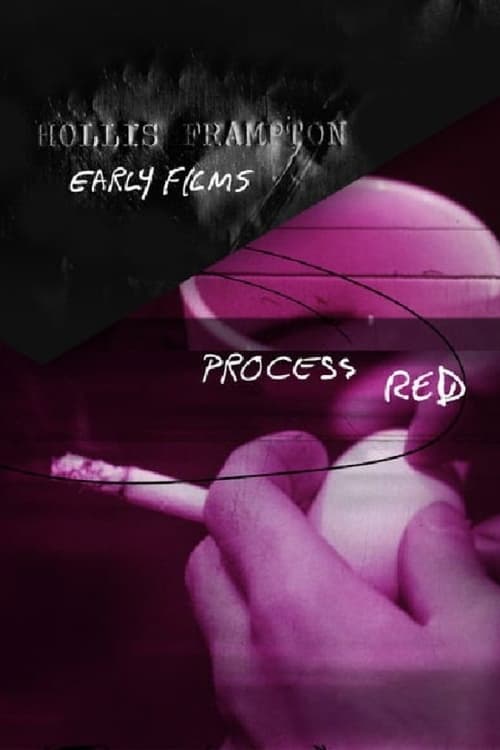
An experimental short film by Hollis Frampton of contrasting colours.
Process Red
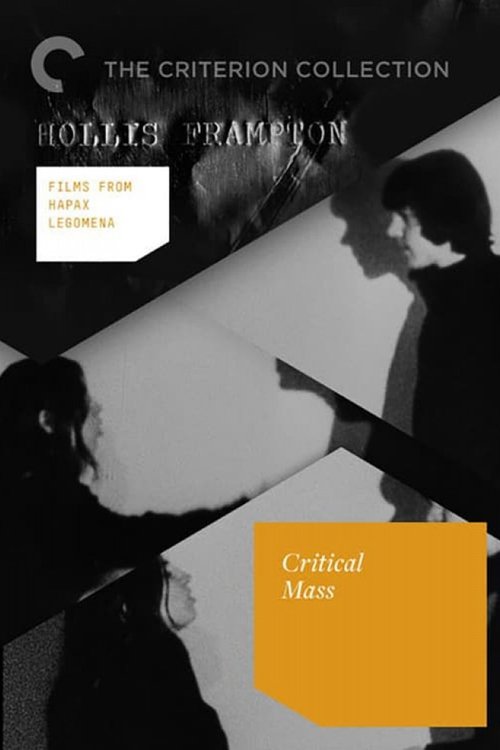
A man and a woman have been living together for six months. After disappearing for two days, the man returns and acts as if nothing has happened, refusing to say where he was.
Hapax Legomena III: Critical Mass
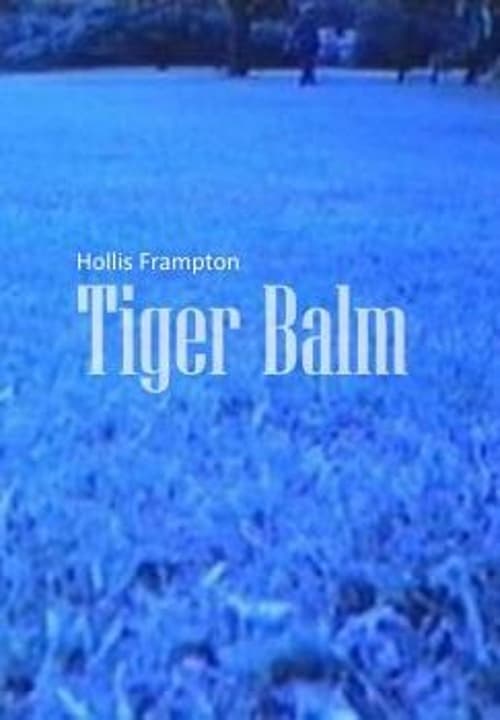
"After two years of massive didacticism in black-and-white [Hapax Legomena (1971-72)], I am surprised by Tiger Balm, lyrical, in color, a celebration of generative humors and principles, in homage to the green of England, the light of my dooryard… and consecutive matters." - HF
Tiger Balm
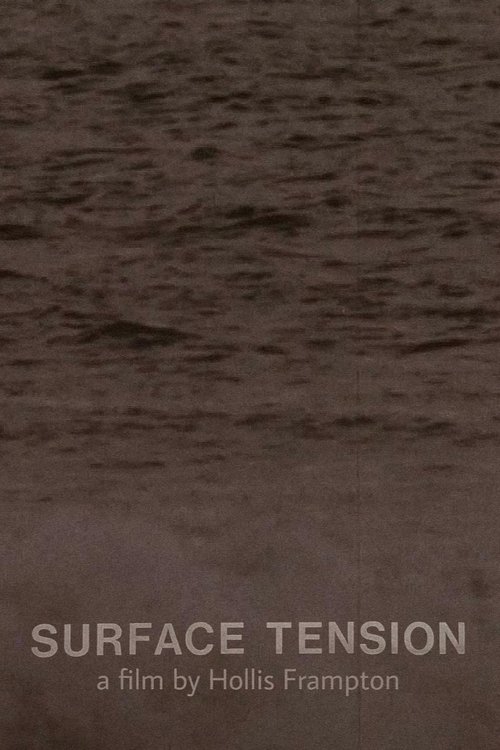
A film in three parts: a man talking while a telephone rings, a walking tour of New York, and a goldfish swimming.
Surface Tension
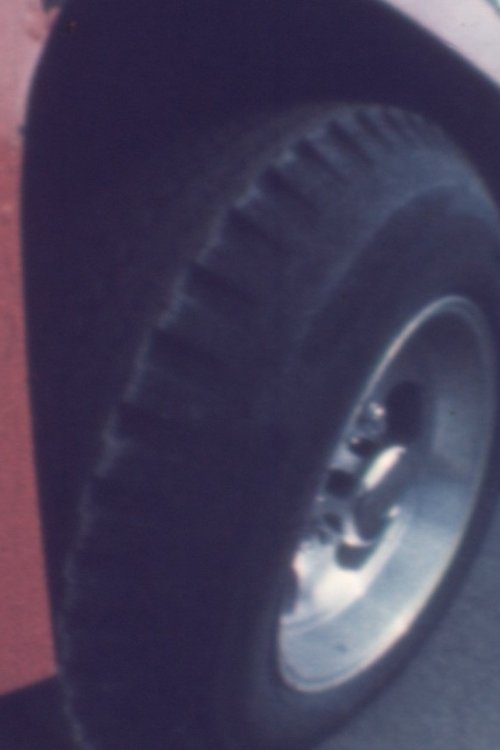
The understandable fascination with Frampton's intellect can blind one to the frequent down-home dimension of his imagery. Here, in a most rigorously formal, even mathematical procession, we see frame clusters of light blue sky, green grass, and red (filter red) leaves; then frame clusters of the backs of dairy cows; and finally frame clusters of portions of a shiny vehicle (we can see people, objects in bulbous reflection). A trip to the New York State Fair filtered through a most rarified formal film."–Scott MacDonald