Acting
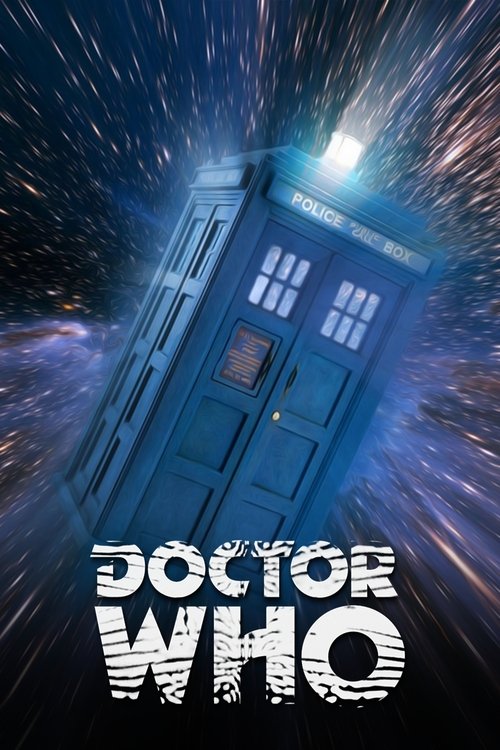
The adventures of The Doctor, a time-traveling humanoid alien known as a Time Lord. He explores the universe in his TARDIS, a sentient time-traveling spaceship. Its exterior appears as a blue British police box, which was a common sight in Britain in 1963 when the series first aired. Along with a succession of companions, The Doctor faces a variety of foes while working to save civilizations, help ordinary people, and right many wrongs.
A BBC television anthology series featuring productions of classic and contemporary stage plays usually broadcast on BBC1. Each production featured a different work, often using prominent British stage actors in the leading roles. The series was transmitted from October 1965 to September 1983.
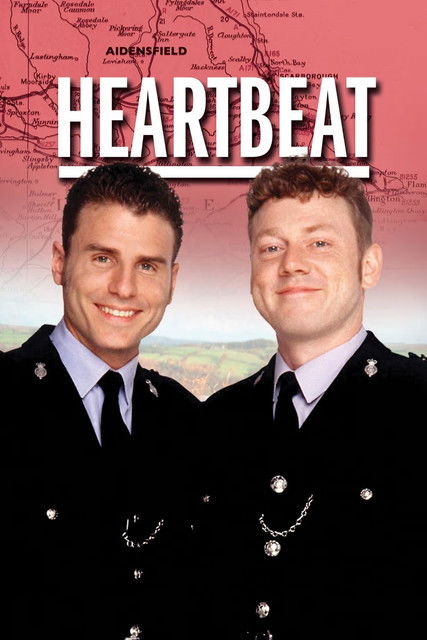
Set during the 1960s in the fictional North Yorkshire village of Aidensfield, this enduringly popular series interweaves crime and medical storylines.
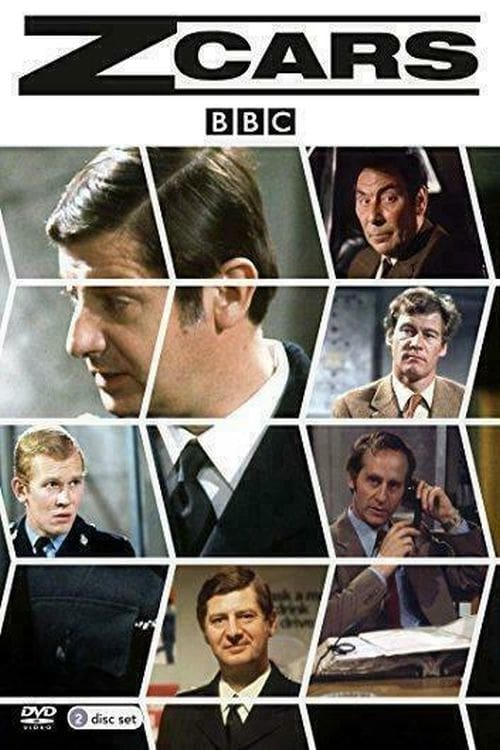
Z-Cars or Z Cars is a British television drama series centred on the work of mobile uniformed police in the fictional town of Newtown, based on Kirkby, Merseyside. Produced by the BBC, it debuted in January 1962 and ran until September 1978.
Theatre 625 is a British television drama anthology series, produced by the BBC and transmitted on BBC2 from 1964 to 1968. It was one of the first regular programmes in the line-up of the channel, and the title referred to its production and transmission being in the higher-definition 625-line format, which only BBC2 used at the time.
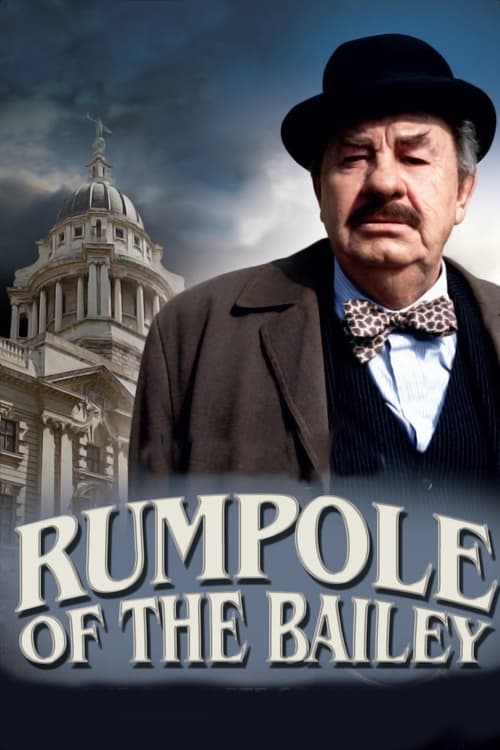
Rumpole of the Bailey is a British television series created and written by the British writer and barrister John Mortimer. It stars Leo McKern as Horace Rumpole, an aging London barrister who defends any and all clients, and has been spun off into a series of short stories, novels, and radio programmes.
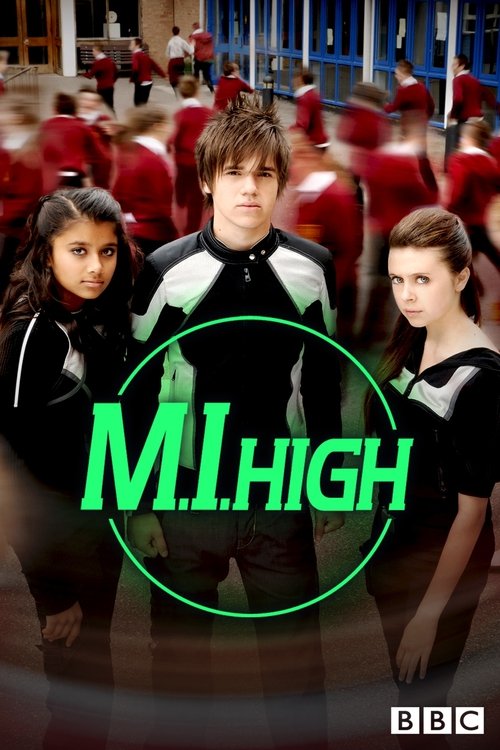
A team of undercover teenage spies working for the fictional British secret intelligence agency MI9 who have to balance their school life with their jobs as secret agents.
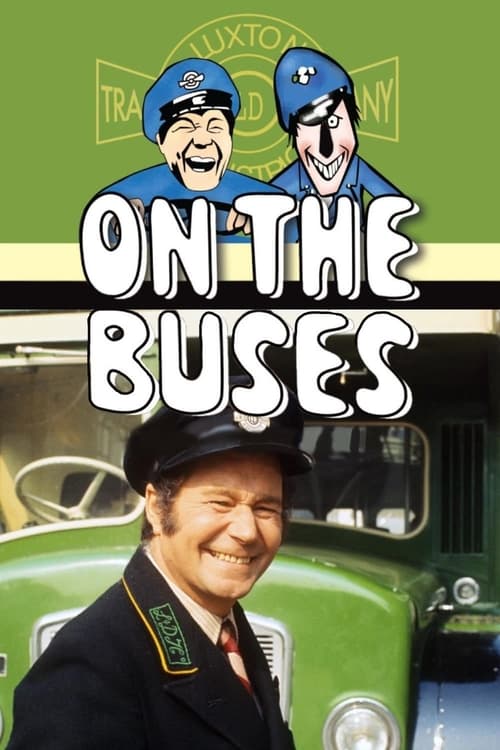
On the Buses is a British comedy series created by Ronald Wolfe and Ronald Chesney, broadcast in the United Kingdom from 1969 to 1973. The writers' previous successes with The Rag Trade and Meet the Wife were for the BBC, but the corporation rejected On the Buses, not seeing much comedy potential in a bus depot as a setting. The comedy partnership turned to a friend, Frank Muir, Head of Entertainment at London Weekend Television, who loved the idea; the show was accepted and despite a poor critical reception became a hit with viewers.
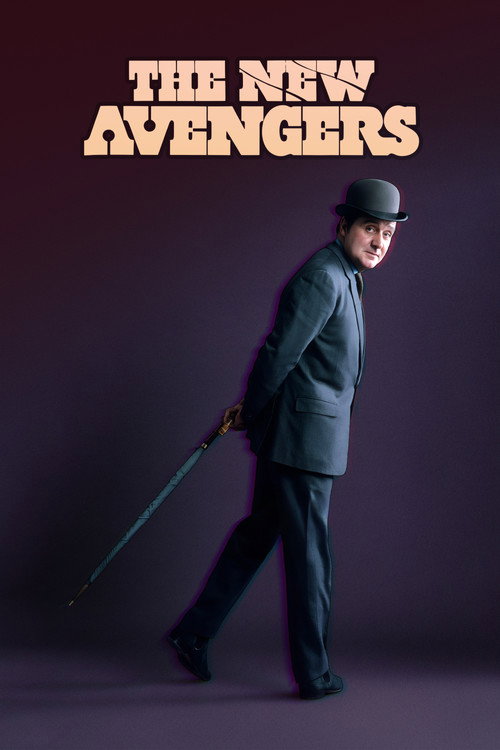
The New Avengers is a British secret agent fantasy adventure television series broadcast during 1976 and 1977. It is a sequel to the 1960s series The Avengers and was developed by Albert Fennell and Brian Clemens. A joint United Kingdom-France-Canada production, the show picks up the adventures of John Steed and his team of Avengers fighting evil plots and world domination. Whereas in the original series Steed had almost always been partnered with a woman, in the new series he had two partners: Mike Gambit, a top agent, crack marksman and trained martial artist, and Purdey, a former trainee with The Royal Ballet who was an amalgam of many of the best talents from Steed's previous female partners.
Two sisters who set up a London fashion house for society of the early 1920s.
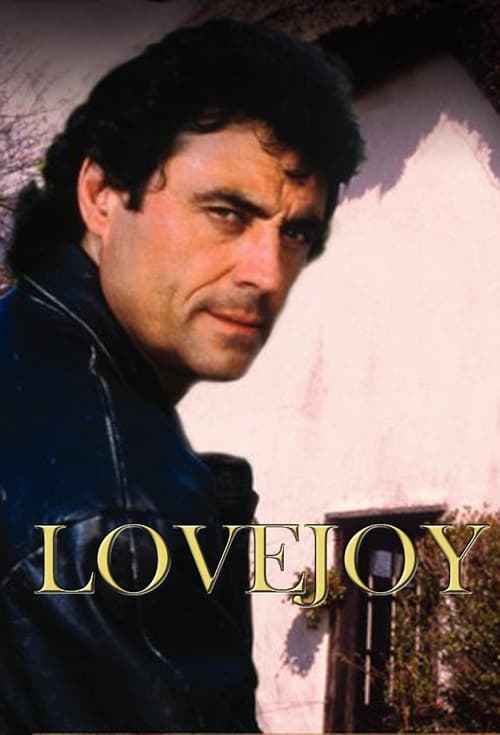
The adventures of the eponymous Lovejoy, a likeable but roguish antiques dealer based in East Anglia. Within the trade, he has a reputation as a “divvie”, a person with an almost supernatural powers for recognising exceptional items as well as distinguishing genuine antique from clever fakes or forgeries.
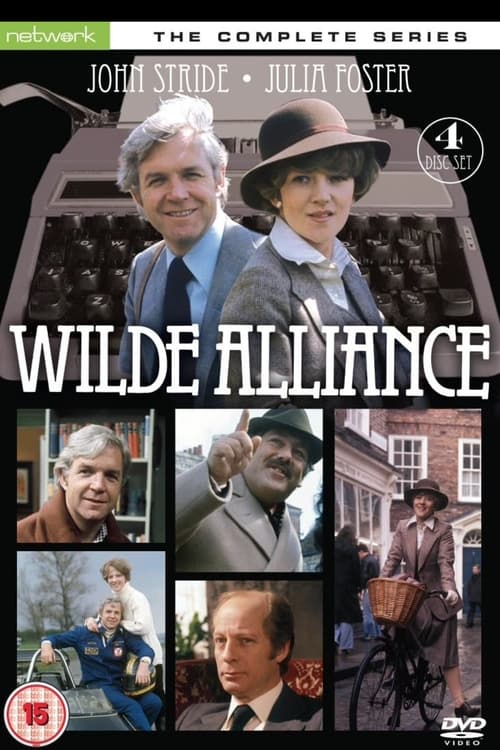
Wilde Alliance is a 1978 British television programme created by Ian Mackintosh and produced by Yorkshire Television for l ITV. The light-hearted mystery series follows husband-and-wife amateur detectives Rupert and Amy Wilde.
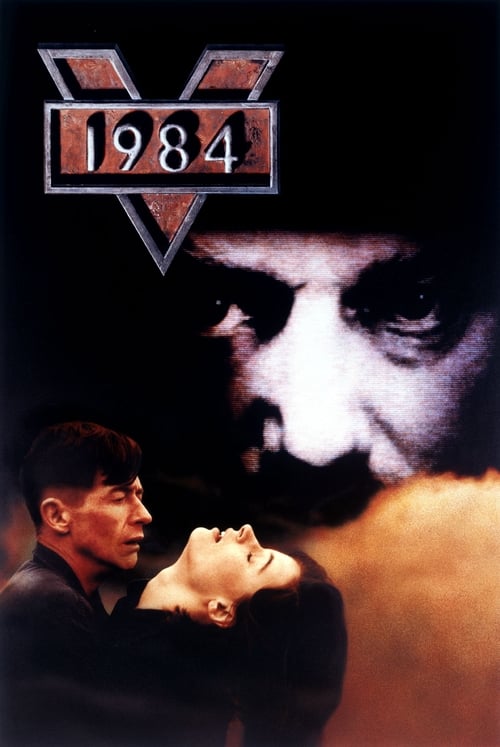
Winston Smith is a government employee whose job involves the rewriting of history in a manner that casts his fictional country's leaders in a charitable light. His trysts with Julia provide his only measure of enjoyment, but lawmakers frown on the relationship -- and in this closely monitored society, there is no escape from Big Brother.
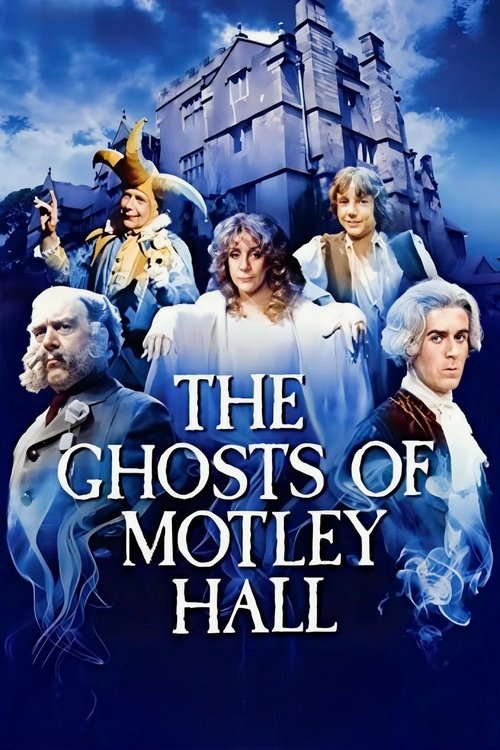
Five ghosts occupy the titular Motley Hall. Each hails from a different era and all—save for newly deceased Matt—are unable to leave the confines of the building.
Shine on Harvey Moon! is a British comedy-drama series made by Central Television for ITV from 8 January 1982 to 23 August 1985 and briefly revived in 1995 by Meridian. This generally light-hearted series was created by comedy writers Laurence Marks and Maurice Gran. The series is set in the East End of London shortly after the Second World War. Upon being demobbed RAF serviceman Harvey Moon, played by Kenneth Cranham, returns home and finds his family involved in various troubles. His wife Rita, played by Maggie Steed, is not interested in resuming their relationship, and works in a seedy nightclub frequented by American servicemen. He becomes involved with the Labour Party and the union movement. The name of the series is a wordplay on the title of the popular 1908 song 'Shine On, Harvest Moon'. The first series was commissioned and recorded by ATV at their Elstree studios with the remaining series filmed at newly constructed facilities in Nottingham.
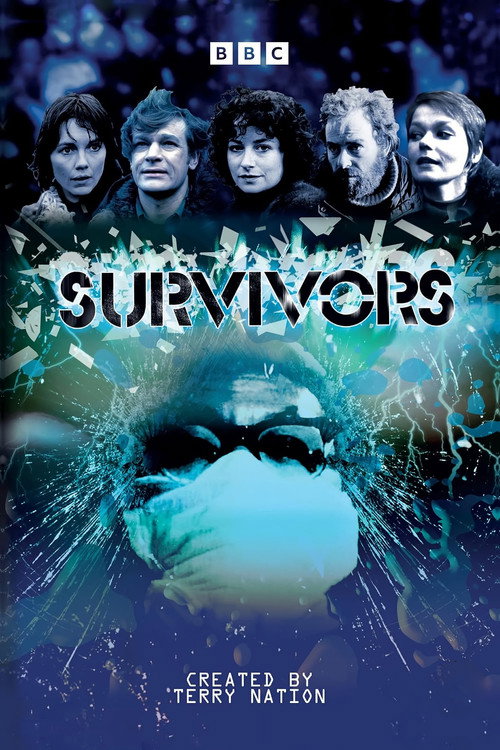
Survivors is a British post-apocalyptic fiction television series devised by Terry Nation and produced by Terence Dudley at the BBC from 1975 to 1977. It concerns the plight of a group of people who have survived an accidentally released plague – referred to as "The Death" – that kills nearly the entire human population of the planet.
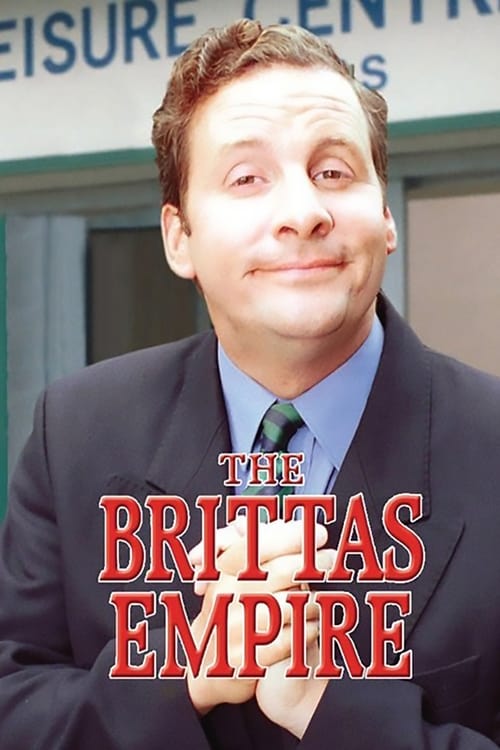
The Brittas Empire is a British sitcom created and originally written by Andrew Norriss and Richard Fegen. Chris Barrie plays Gordon Brittas, the well-meaning but incompetent manager of Whitbury New Town Leisure Centre. The show ran for seven series and 53 episodes — including two Christmas specials — from 1991 to 1997 on BBC1. Norriss and Fegen wrote the first five series, after which they left the show. The Brittas Empire enjoyed a long and successful run throughout the 1990s, and gained itself large mainstream audiences. In 2004 the show came 47th on the BBC's Britain's Best Sitcom poll, and all series have been released on DVD. The creators Andrew Norriss and Richard Fegen often combine farce with either surreal or dramatic elements in episodes. For example in the first series, the leisure centre prepares for a royal visit, only for the doors to seal, the boiler room to flood and a visitor to become electrocuted. Unlike the traditional sitcom, deaths were quite common in The Brittas Empire.
This ten episode program was based on ten short stories written by Agatha Christie but with wide-ranging themes. Some were romances, some had supernatural themes and a couple were adventures. The common link was that all came from the talented pen of Agatha Christie, all were entertaining and each drama was carefully crafted and well cast with many of Britain's best known actors of the time represented.
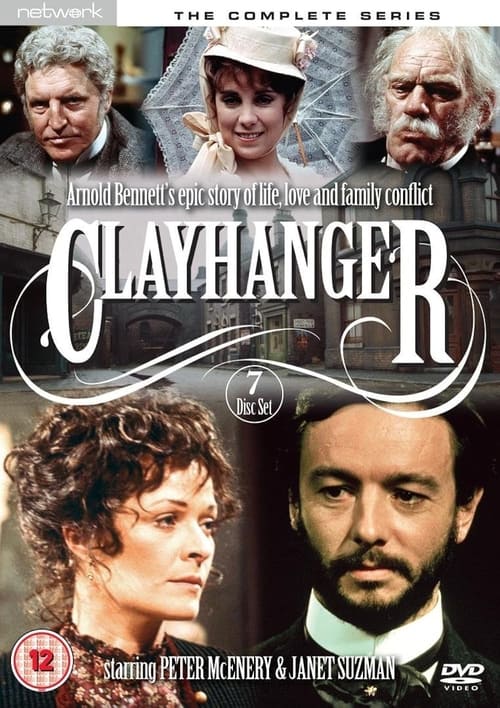
Clayhanger is a British television drama based on Arnold Bennett's novel series of the same name, published between 1910 and 1918, dramatised by Douglas Livingstone for ITV. Produced by Associated Television, the 26-episode programme is a coming-of-age story set in 19th century England. Edwin Clayhanger aspires to be an architect but is expected to join his father's printing business. His personal growth, eventual acceptance of the family business, and his romantic entanglement with Hilda Lessways are explored. Clayhanger was ITV's longest-ever drama at the time. While some found the pacing slow, it was nonetheless praised for its faithful adaptation, excellent acting, and atmospheric sets.
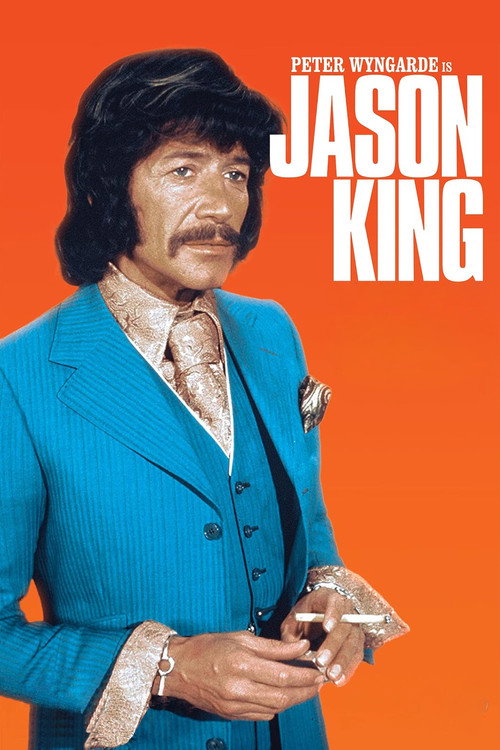
Jason King - a suavely sophisticated former secret agent turned novelist - travels the world searching for material to fill his books, encountering an endless parade of glamorous women, exotic locales, menacing villains and daring intrigue! Before Austin Powers swung into action, Jason King set the standard for the hip crime-fighting international playboy!