
Jakob Montrasio
Directing
Biography
Jakob Montrasio is an acclaimed filmmaker and media designer whose cinematic achievements include the poignant documentary Souls of Zen, which delves into post-tsunami spiritual resilience and ancestor rituals in Japan, earning recognition for its cultural depth and visual storytelling. His filmography also features contributions to various smaller projects, directed under his visionary lens, blending ethnographic insight with narrative artistry honed through years of wedding videography and indie production. As a multifaceted creator in Bammental, Germany, Montrasio leverages advanced video production techniques and AI tools to craft compelling visual stories that resonate globally, cementing his reputation in international film circles.
Known For
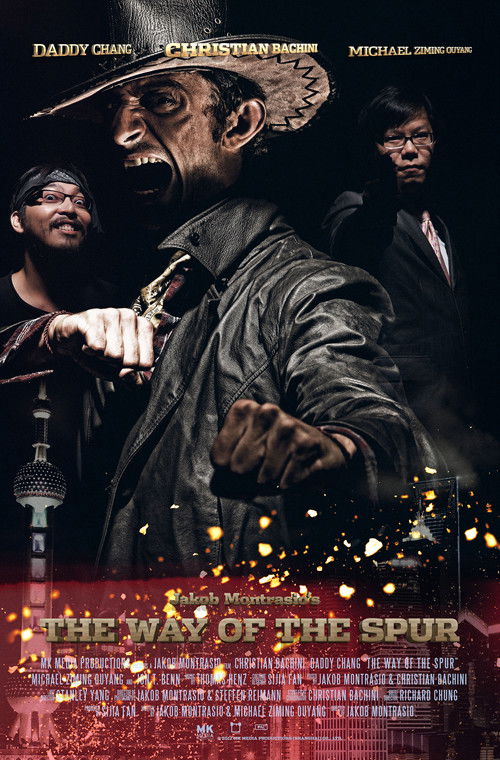
Guerino, a cowboy from Italy, travels to Shanghai in search of his sister Elisa, who was working as a model in China but mysteriously vanished. In Shanghai, Guerino finds an unlikely ally in Jieikai, a local Chinese, whose girlfriend also mysteriously disappeared while working in the same modeling agency. During their search to uncover the truth, they are dragged into a dark world of criminality, corruption and human smuggling affairs. When things take a bad turn and innocent people start getting killed left and right, Guerino takes the matter into his own hands in order to save his sister before it's too late... Driven by his thirst for vengeance and his desire for justice, he vows to take down every single link to this chain of smuggling affair following his one and only rule: kick first, ask questions later.
The Way of the Spur
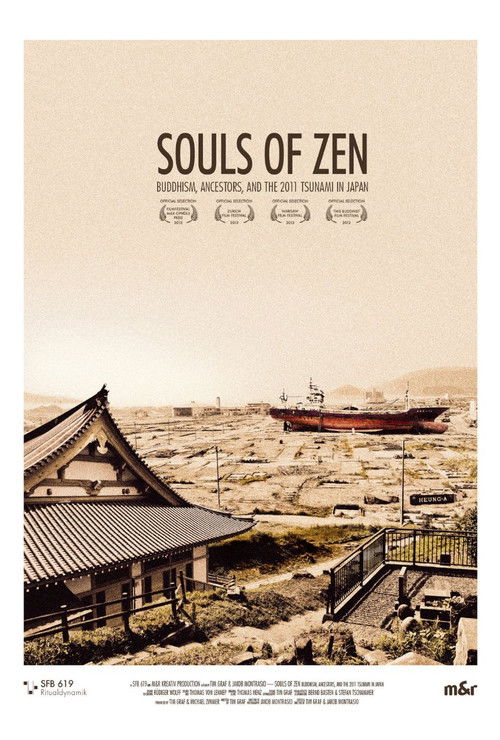
The Japanese population’s reaction to the catastrophe of March 2011 has been described as “stoic” by the Western media. The Japanese code of conduct is indeed deeply rooted in their Buddhist traditions, and young filmmakers Tim Graf and Jakob Montrasio observe in detail what this means for the people and their religion. At graveyards, in temples, at monasteries and with families, they question the impact this triple affliction has had on the lives and beliefs of the inhabitants. How deeply do their beliefs affect their grieving? What role do the monks play in assisting people with their grief? And, what effects has this enormous catastrophe had on their religious rituals? SOULS OF ZEN inserts the events of March 2011 into the context of traditional Zen Buddhism, examining Japan’s religiousness and the beliefs of those practising it at a crucial turning point.