FEEL IT.STREAM
Marlon Riggs

Marlon Riggs

Directing

Biography

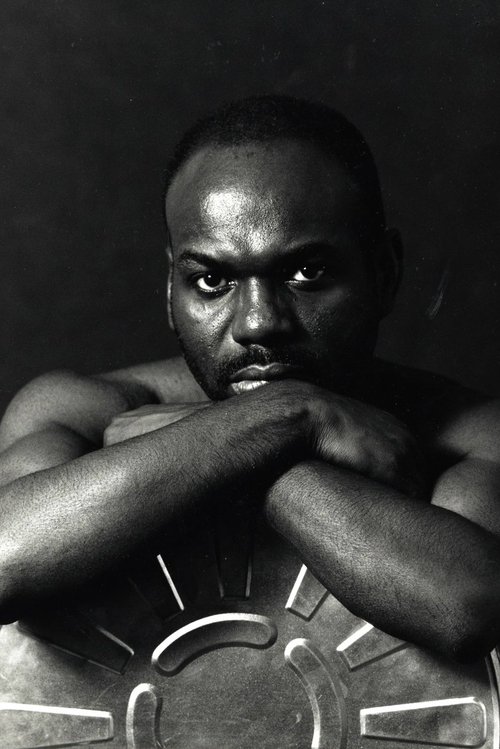
Marlon Troy Riggs (February 3, 1957 – April 5, 1994) was an American filmmaker, educator (professor), poet, and gay rights activist. He produced, wrote, and directed several television documentaries, including Ethnic Notions, Tongues Untied, Color Adjustment, and Black is... Black Ain't. Riggs created aesthetically innovative and socially provocative films that examine past and present representations of race and sexuality in America. The Marlon Riggs Collection is now housed at Stanford University Libraries.

Known For

POV
6.9

Since its 1988 premiere, this critically acclaimed documentary series has presented hundreds of films that put a human face on contemporary social issues by relating a compelling story in an intimate fashion. "POV" has won virtually every major film and broadcasting award available, including 38 Emmys, 22 Peabody Awards and three Oscars.

POV

1988
Tongues Untied
6.6

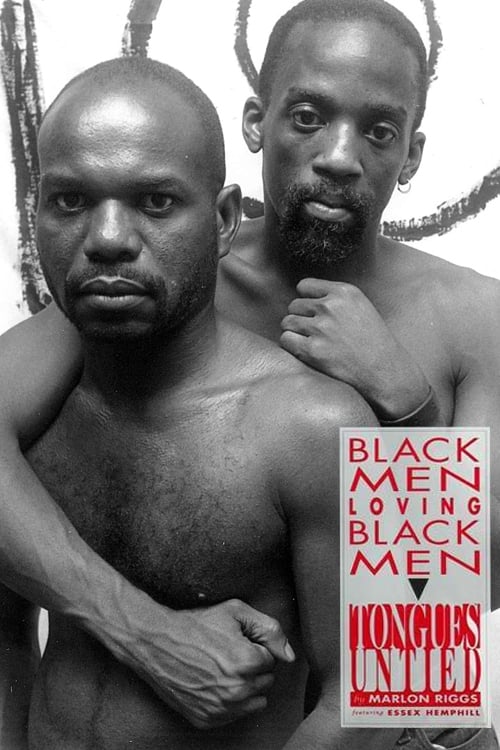
Marlon Riggs, with assistance from other gay Black men, especially poet Essex Hemphill, celebrates Black men loving Black men as a revolutionary act. The film intercuts footage of Hemphill reciting his poetry, Riggs telling the story of his growing up, scenes of men in social intercourse and dance, and various comic riffs, including a visit to the "Institute of Snap!thology," where men take lessons in how to snap their fingers: the sling snap, the point snap, the diva snap.

Tongues Untied

1990
Color Adjustment
6.9

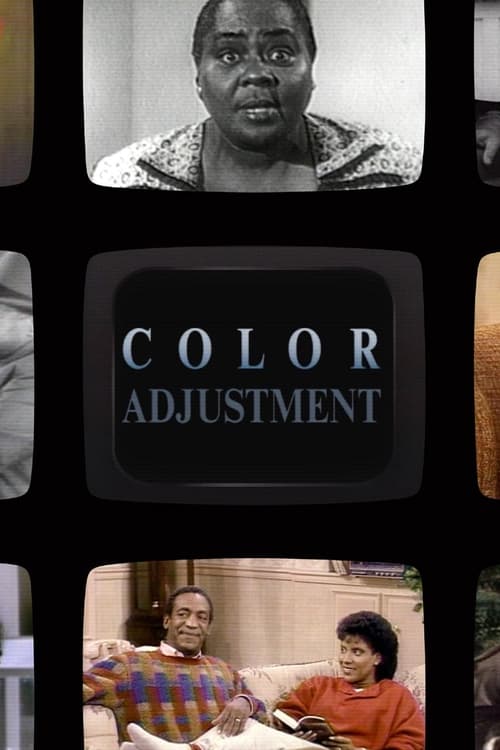
From Amos 'n' Andy to Nat King Cole, from Roots to The Cosby Show, black people have played many roles on primetime television. Brilliantly weaving clips from classic TV shows with commentary from TV producers, black actors and scholars, Marlon Riggs blends humor, insight, and thoughtful analysis to explore the evolution of black/white relations as reflected by America's favorite addiction.

Color Adjustment

1992
Ethnic Notions
7.1

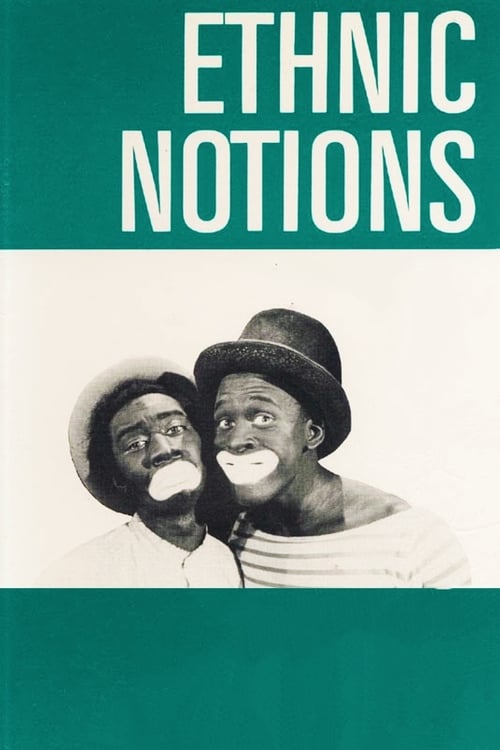
This documentary traces the deep-rooted stereotypes which have fueled anti-black prejudice.

Ethnic Notions

1986
Black Is… Black Ain’t
5.8

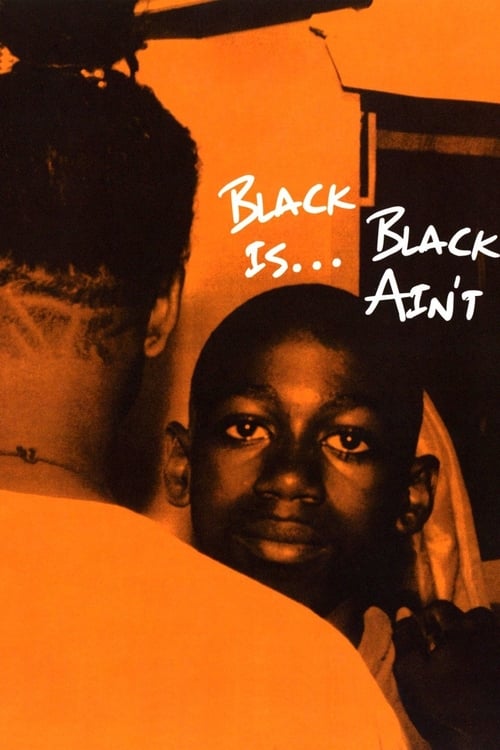
African-American documentary filmmaker Marlon Riggs was working on this final film as he died from AIDS-related complications in 1994; he addresses the camera from his hospital bed in several scenes. The film directly addresses sexism and homophobia within the black community, with snippets of misogynistic and anti-gay slurs from popular hip-hop songs juxtaposed with interviews with African-American intellectuals and political theorists, including Cornel West, bell hooks and Angela Davis.

Black Is… Black Ain’t

1995
Anthem
4.5

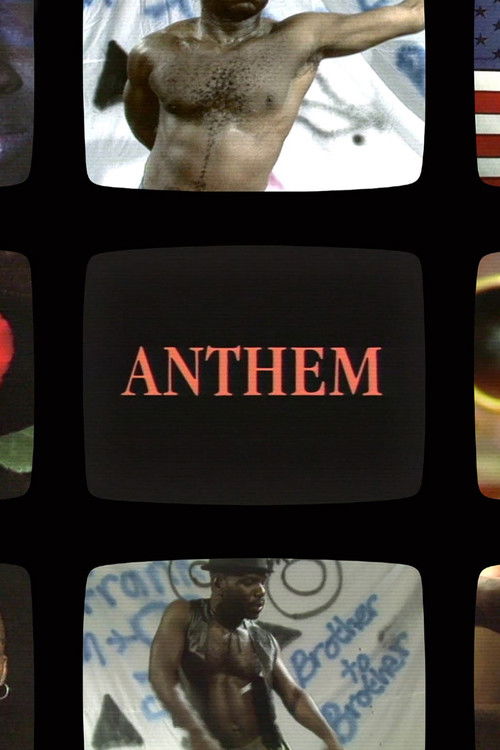
A collage of erotic images and a call to arms, with a feverish hip-hop energy that celebrates the lives of African American men.

Anthem

1993
Boys' Shorts
4.3

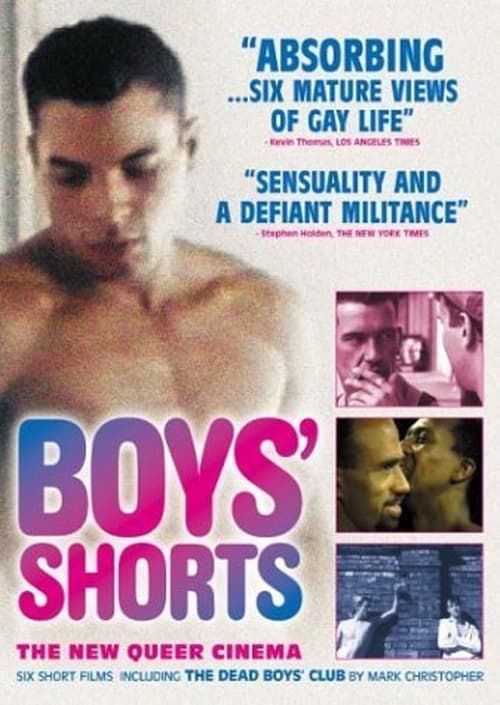
In these sexy, fun and darkly entertaining boys shorts, we see the hilarious terrors of gay childhood, an Internet hook-up with unexpected motivation and what happens when you hate musicals. You might wonder if theres hope for a gay Lothario, and sometimes you'll see that when you go home, the end is just the beginning.

Boys' Shorts

1993
Long Train Running: A History of the Oakland Blues
6.0

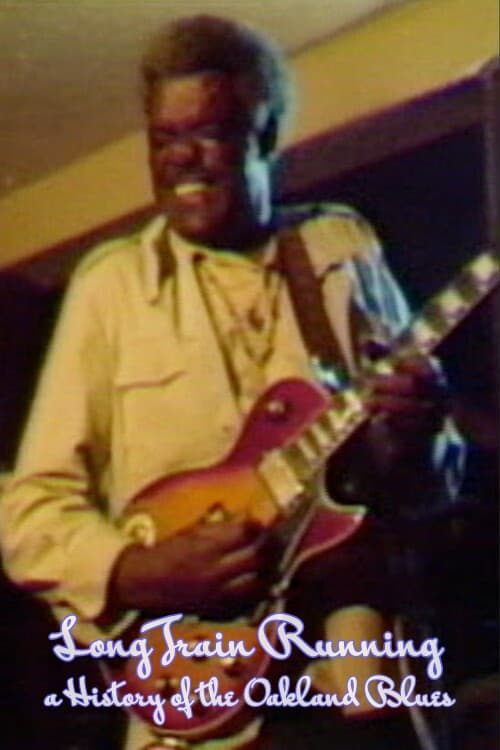
Marlon Riggs and Peter Webster’s thesis project reflects on the heyday of Oakland blues in the late 1940s and ’50s, when an influx of African American shipyard workers mostly hailing from Louisiana and Texas arrived in the Bay Area. Combining vintage photographs, archival footage, interviews, and performances at venues like Eli’s Mile High Club, Riggs and Webster chronicle Oakland’s vibrant past while revealing an uncertain present.

Long Train Running: A History of the Oakland Blues

1981
Absolutely Positive
1.0

11 people — women and men, gay and straight, from all walks of life — share their stories. Alternately irreverent, candid and soulful, this stirring film is not about being sick; it is about being true to the emotional complexity of being mortal.

Absolutely Positive

1991
No Regret
4.6

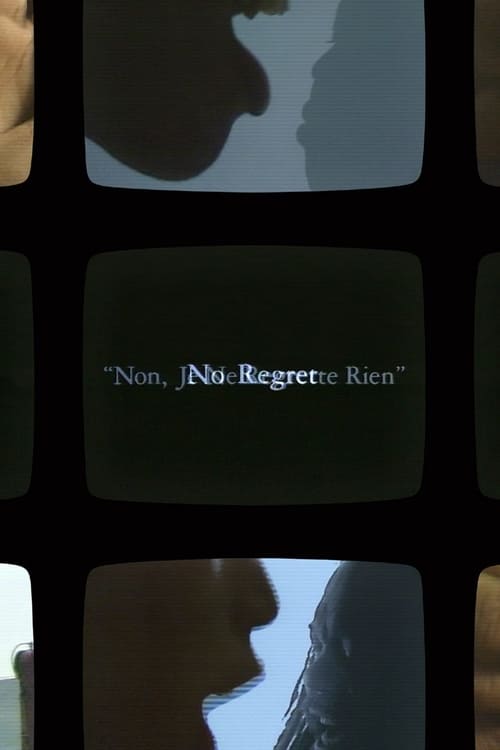
Five gay Black men who are HIV-positive discuss how they are battling the double stigmas surrounding their infection and homosexuality.

No Regret

1993
No image
N/A

An examination of atomic weapons systems and the pressures on the United States and the Soviet Union to constantly expand their atomic arsenals.

How Much Is Enough? Decision Making in the Nuclear Age

1982
Affirmations
5.6

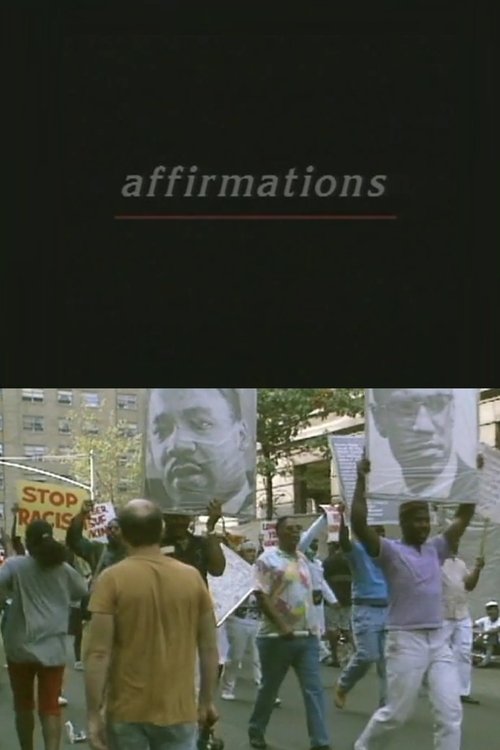
A look at what it's like to be gay and black in America.

Affirmations

1990
Positive Men
N/A

Positive Men begins as a docudrama which illustrates the impact of the AIDS epidemic on gay men in the early 1980s. Memories of New York and San Francisco are the backdrop for seven dramatic scenes which designate the intersection of community support, medical science, and gay politics that emerged in response to the AIDS epidemic. Words and images from these scenes resonate throughout the documentary portraits which follow. The interviews, conducted in Toronto and San Francisco (1993-1994), feature artists, filmmakers, AIDS community workers, writers and volunteers who have made unique contributions within the cultural and community responses to AIDS.

Positive Men

1995
Circle of Recovery
N/A

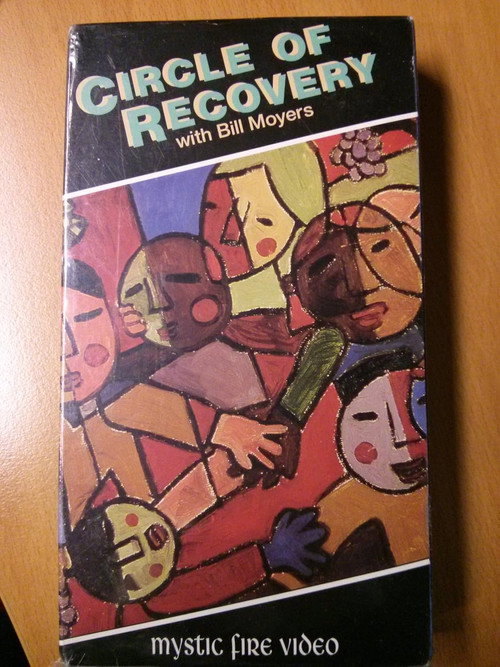
A group of black, male addicts in recovery meet and reflect on their experiences with life, alcohol and drugs.

Circle of Recovery

I Shall Not Be Removed: The Life of Marlon Riggs
3.8

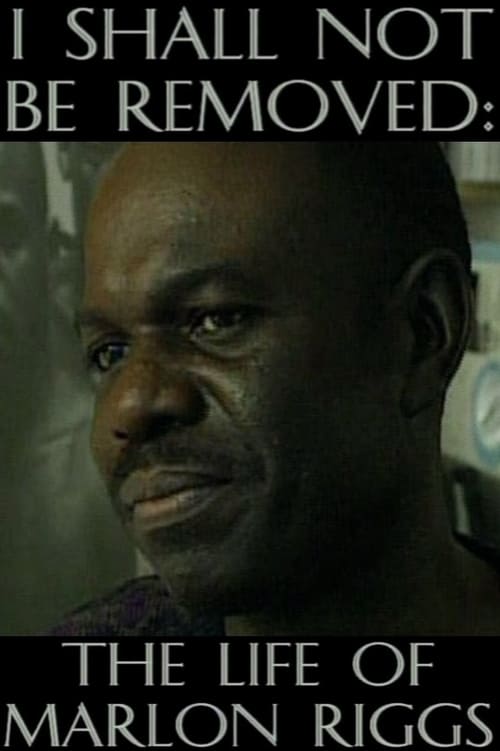
Incorporating archival material, revelatory verite footage, and clips from his own work, a documentary which chronicles the life and works of the black, openly gay filmmaker Marlon Riggs whose controversial body works exploded on the scene with his landmark 1989 film "Tongues Untied" (USA). Riggs specialized in films dealing mainly with African-American males and the nuances of sexuality as it relates to their cultural, religious, and social identity. A teacher and prolific documentarian, the outspoken artist, Riggs, eventually succumbed to an AIDS-related illness in 1994.

I Shall Not Be Removed: The Life of Marlon Riggs

1996