Acting
No description available.
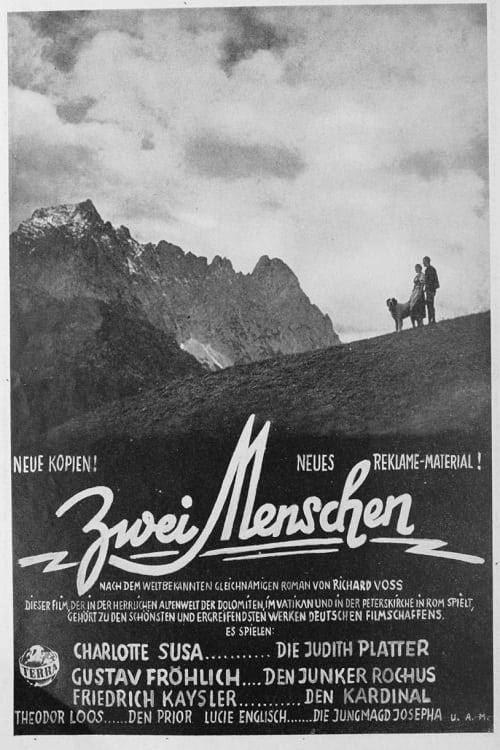
Gustav Froehlich and Charlotte Susa play Rochus and Judith, the zwei menschen (two humans) of the title. Rochus' domineering mother insists that he enter the priesthood, but he is reluctant to break up his blissful romance with the fair Judith. A religious fanatic of the first order, the mother swears before God and her Church that Rochus will indeed take his vows. When this does not come about, she dies of grief, whereupon the guilt-stricken Rochus abandons Judith to become a priest. The girl subsequently commits suicide -- and it is Rochus who must officiate over her body during the funeral. This final scene was excised from the print of Zwei Menschen released in New York, leaving audiences hanging in regard to Judith's ultimate fate.
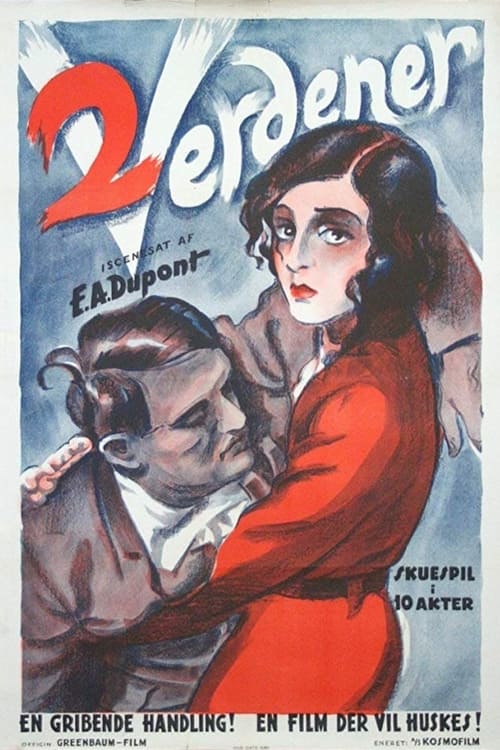
German language version of Two Worlds.
"Assassination" - A far-right political organization called "Fellowship Loyalty" seeks contact with an easily seducable man whom she finds in Joachim Burthe. The leader of this deeply democratizing group, the equally characterless and unscrupulous Gregor of Askanius, whispers to the fanatical student seeking guidance that it is finally time to put the death sentence on the corrupt system and its representatives.
A lost film.
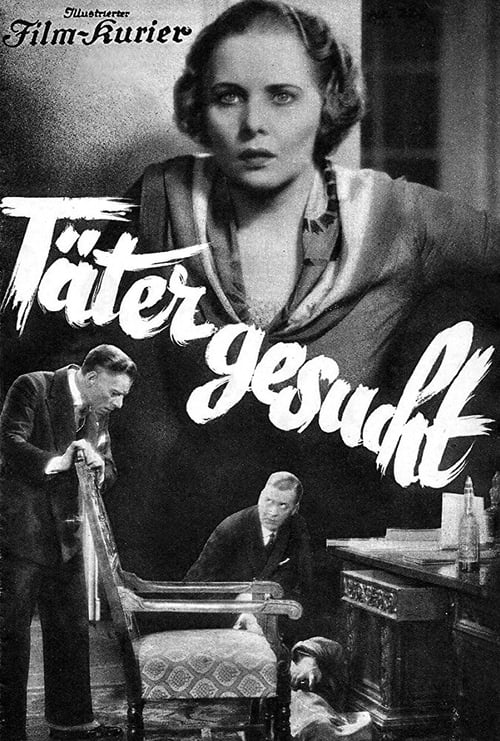
A dedicated editor, who is engaged to the daughter of a wealthy senator thrills her father with a lecture about convictions based on circumstantial evidence. When a corpse with a disfigured face is found in the house of the senator, evidence points to the editor. An entertaining thriller with a fairly intricate plot and some critical comments on the practice of the law. Based on the novel "Der geschlossene Ring" by Frank Arnau.
The daughter of a reclusive couple in the St. Moritz mountains tends to her brother, disabled from the Great War, though a handsome young architect who has just arrived waits for her attentions.
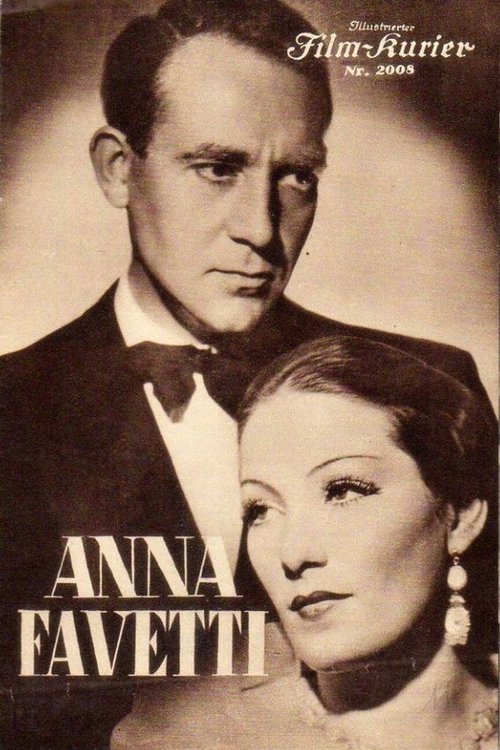
The sensitive, music-loving son of a German general reluctantly attends a military academy and after warning a fellow officer to stay away from the cadet's attractive young stepmother, lands up being charged for murder.
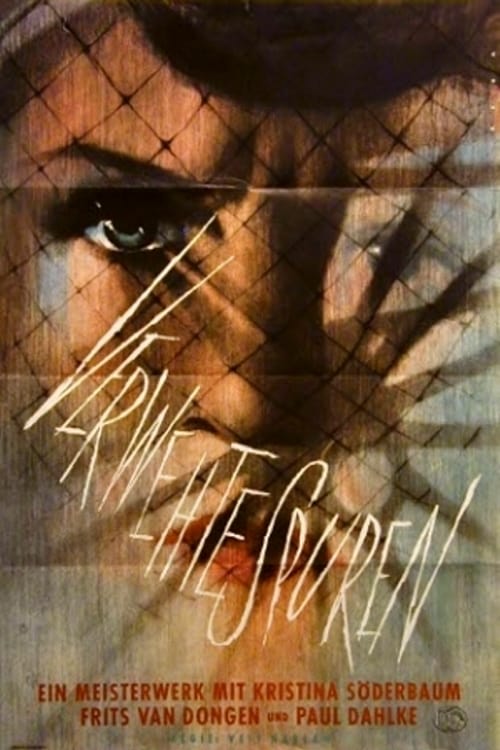
Séraphine and her mother arrive in Paris to visit the 1867 World Exhibition. In an overcrowded city they must be accommodated in separate hotels. During the night the mother, who wasn't feeling very well, gets suddenly worse. When next morning Séraphine goes to meet her every trace of her presence has disappeared and everybody denies having ever met her. The bewildered young woman must find someone who believes her. Previous version of So Long at the Fair (1950).
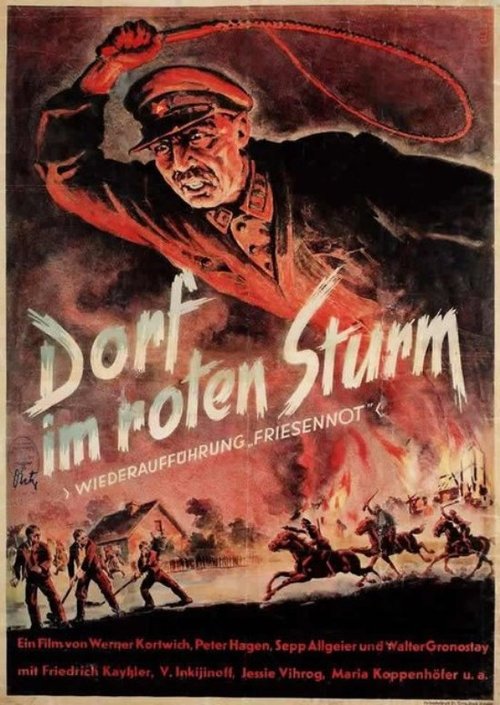
Soviet authorities are making life as difficult as possible for a village of Volga Germans, most of whose ancestors originated in the Frisian Islands, with taxes and other oppression.
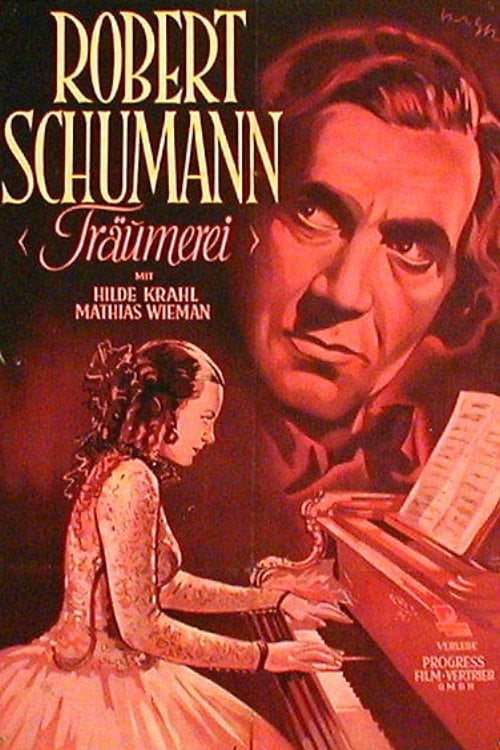
A musical film based on biographical facts about Clara Wieck's love for composer Robert Schumann (1810-1856), her marriage against her will, Schumann's triumph, and his tragic end due to mental illness. The film is beautiful and entertaining, full of noble spirit and beautiful words about art and love, which only conflict in a theoretical context; not least thanks to its solid cast, this film is quite serious and far from kitsch. Completed in 1944, during World War II, the film was rejected by the Nazi leadership, but was eventually released and enjoyed success with an audience already weary of war.
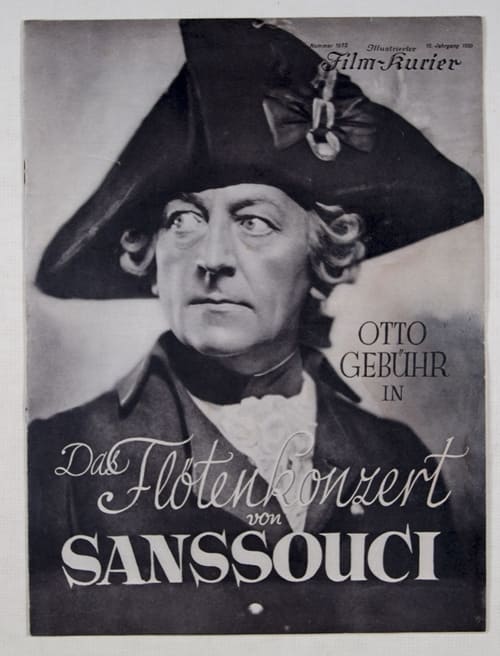
In 1756, a masked ball was officially celebrated in the Dresden Palais of the Saxon Minister Heinrich von Brühl. Unofficially, however, talks are taking place with the envoys of Austria, Russia and France with the aim of conspiring against the Prussian King Frederick II. The Prussian envoy, Major von Lindeneck, succeeded in bringing a copy of the concluded secret treaty to the Prussian king. Friedrich consults with his generals, who urge caution. Friedrich is stunned by the reaction and now develops a counter-plan. To do this, he sends von Lindeneck back to Dresden. However, the latter is not very enthusiastic about this, as he thinks he has reason to doubt his wife Blanche's marital fidelity, and he now has to leave her alone.
Director Burckhardt is found shot just after making the moves on Gisela Ostercamp, the wife of a business colleague. When the criminal investigator Haupt inspects items in the apartment of the dead man, he comes to the conclusiong that Gisela herself is the murderess and accusations start flying between the married couple. The murdered man's brother, the lawyer Burckhardt, steps up to act as defense counsel for the woman, with whom he has learned to love in the meantime.
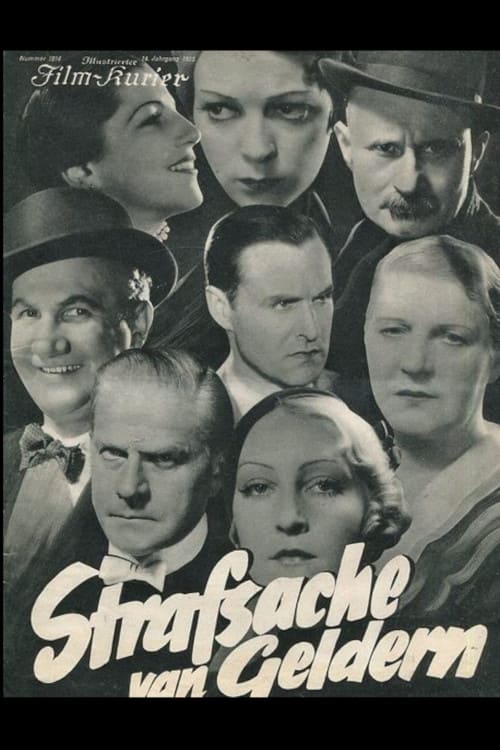
Paulus van Geldern is a lawyer who has made a name for himself as a criminal defense attorney, but is notoriously short of funds due to his unbridled passion for gambling. His gambling causes problems with his marriage to Martha who is thriving.
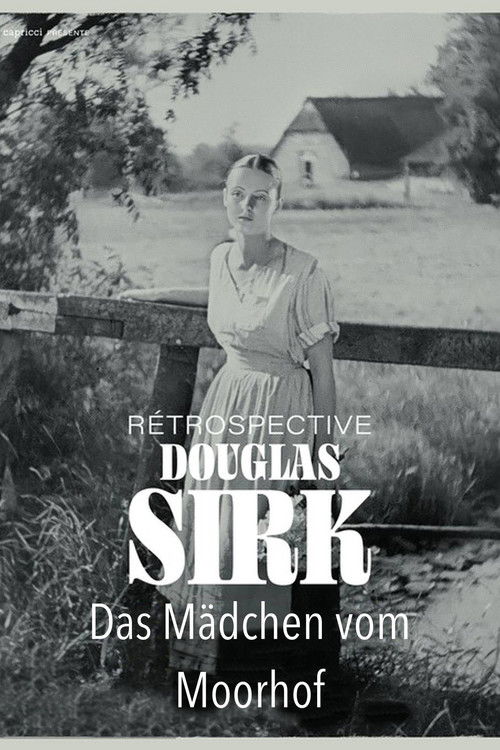
A farm boy betrothed to a socialite falls in love with his maid - an impoverished girl from the marsh.
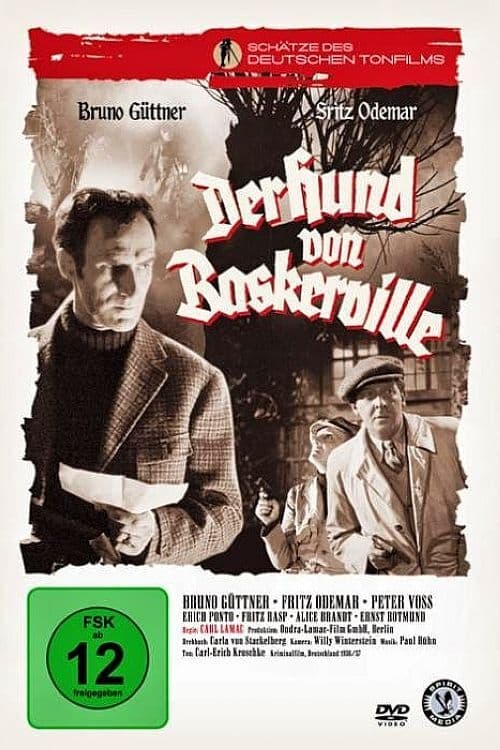
Sherlock Holmes and Dr. Watson look into reports that a huge, vicious hound has killed Lord Charles Baskerville and that Lord Henry Baskerville is the next to be killed.
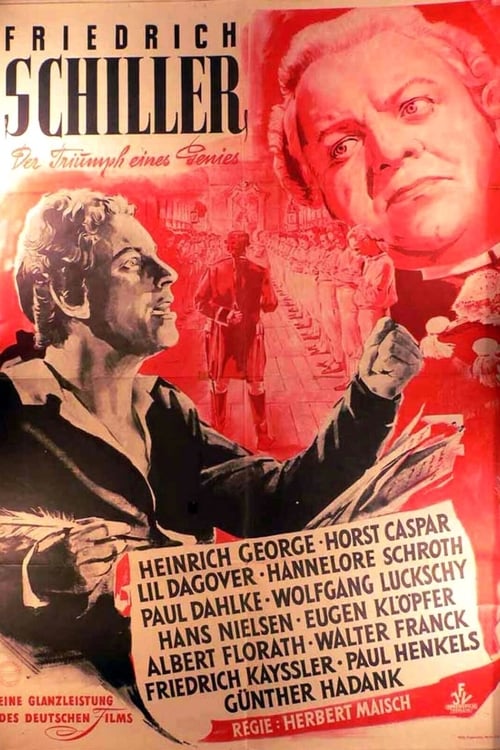
The young Schiller, whose heart and soul are writing and poetry, is forced into the military academy (the pride and joy of the Duke of Württemberg). Schiller is disgusted by the everyday routine of the military, always back and forth between breeding and drills. Conversation, conflict or even critique are discouraged – the oppression insufferable for the young rebel. Disgusted by the brutality, he writes his drama "The Bandit", which he would later publish anonymously. But following a frank conversation with the Duke, Schiller is dishonored and must leave the land.
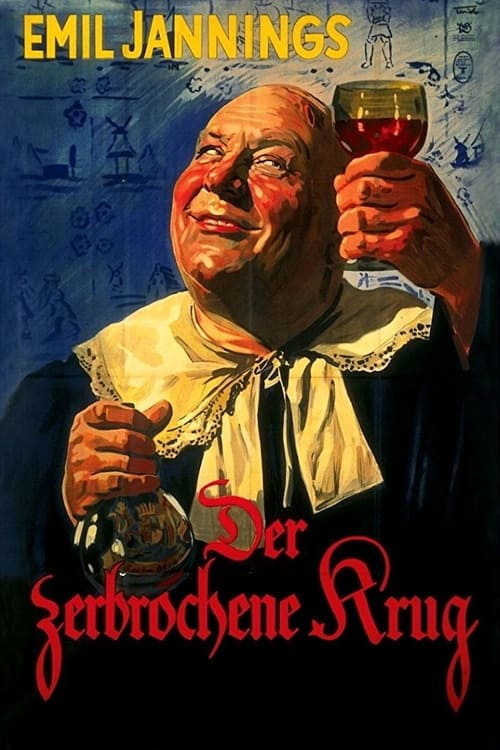
Today is a fateful day for village judge Adam. Who broke Widow Kull’s jug fleeing head over heels after his nightly visit to her daughter? As the trial unfolds, it becomes clear to everyone that the judge himself is the culprit. Judge Adam twists and turns, invents countless explanations, and piles up the most absurd lies. But he is conducting a trial against himself—one he cannot win.