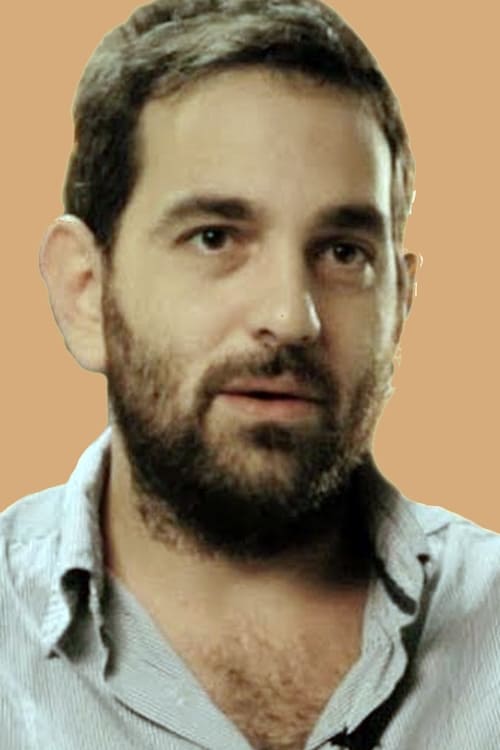
Nicolás Gil Lavedra
Directing
Known For
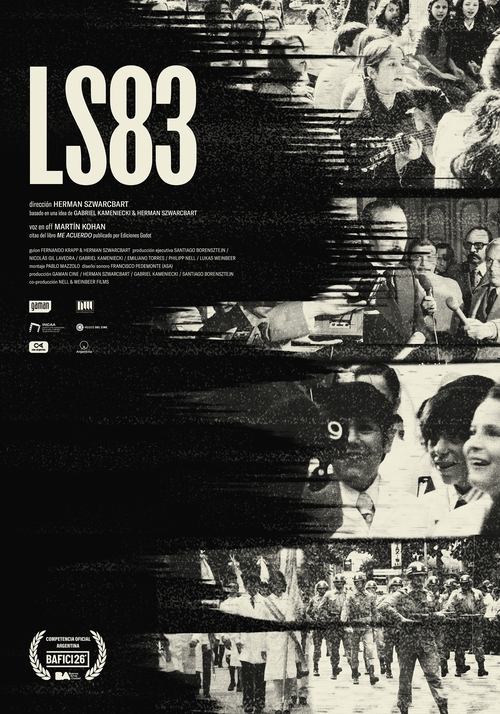
The childhood memories of writer Martín Kohan are intertwined with the unreleased archive from the Channel 9 newscast between 1973 and 1980. Through this, a key period of Argentine history is reconstructed, exploring the relationship between personal memory and the public discourse of the time
LS83
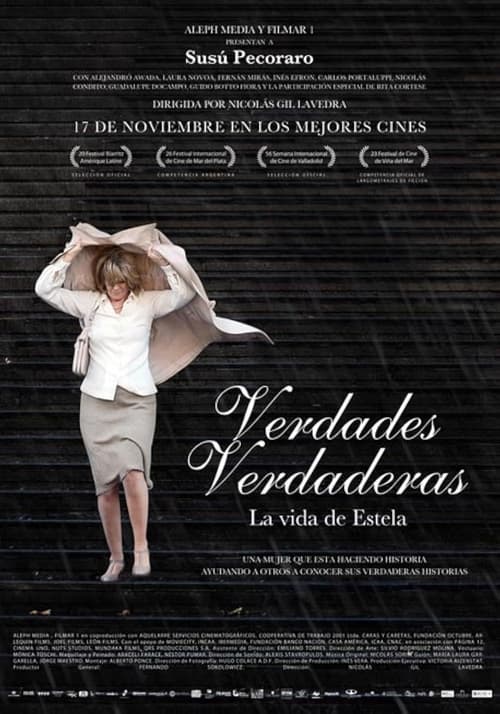
In 1976, a coup d'etat by the Armed Forces replaced the argentine constitutional Government and policies of terror that trampled on human rights were implemented. In a few years, the hidden and silent violence of these policies spiraled and 30,000 citizens of different ages and social conditions were murdered. They were wrongly called the disappeared and, among them, there were young children or unborn young who were delivered in prisons of the military dictatorship and whose kidnappers abducted and registered as their own children. This movie tells the story of Estela Barnes Carlotto, a human rights activist in Argentina, chairwoman of the Association of Grandmothers of the Plaza de Mayo, who stopped being a housewife to get involved in public affairs after the kidnap of her daughter, Laura Estela Carlotto in 1977. The film is about the way her life was transformed.
Verdades verdaderas, la vida de Estela
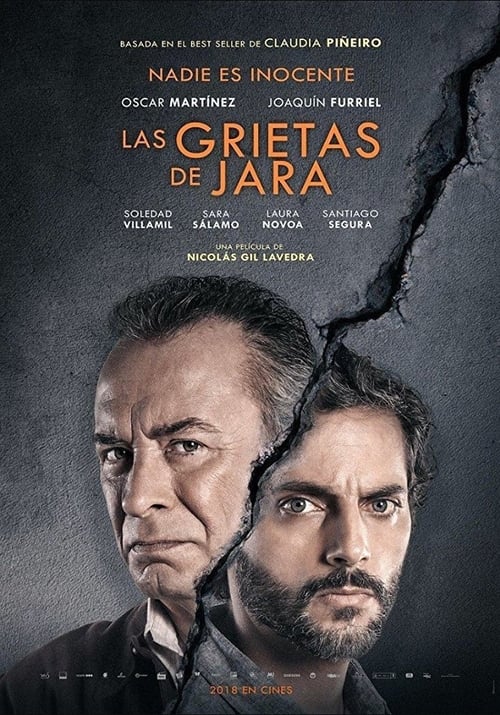
When the beautiful Leonor arrives at the architecture studio Borla y Asociados looking for Nelson Jara, both Mario Borla and his partner Marta Hovart and Pablo Simó, the building's oldest architect, claim to ignore that name completely. But they all lie. The truth begins to unravel through the memories of Pablo Simó. Pablo should carry out the unpleasant job of dealing with Nelson Jara, an indignant owner of the building adjoining a work of the studio, damaged by a crack in the wall of his living room caused by an error in the construction. But the fear and nervousness that provokes in the three involved the arrival of Leonor and her question "what happened to Nelson Jara?" Show something much darker and more suspicious. (FILMAFFINITY)
Dark Buildings (A Crack in the Wall)

Paula & Azul. A funeral, a family secret and a road trip that will change their lives forever.
Como el mar

"Traslados" is a compelling documentary that investigates the notorious "Death Flights" conducted during Argentina's last civic-military dictatorship (1976-1983). Through powerful testimonies from former detainees, victims' families, and experts, along with archival footage, animations, and emotional recreations, the film pieces together the intricate puzzle of evidence that confirms the regime's brutal methods of murder and forced disappearance. Key moments featured include the discovery of the body of French nun Leonnie Duquet, the infiltration of military officer Alfredo Astiz into the Madres de Plaza de Mayo group, and an interview with Nobel Peace Prize laureate Adolfo Pérez Esquivel. The documentary also highlights the significant event of a plane used in the "Death Flights" returning to Argentina in 2023, serving as a poignant reminder of this dark chapter in history.
Transfers

Eami means ‘forest’ in Ayoreo. It also means ‘world’. The story happens in the Paraguayan Chaco, the territory with the highest deforestation rate in the world. 25,000 hectares of forest are being deforested a month in this territory which would mean an average of 841 hectares a day or 35 hectares per hour. The forest barely lives and this only due to a reserve that the Totobiegosode people achieved in a legal manner. They call Chaidi this place which means ancestral land or the place where we always lived and it is part of the "Ayoreo Totobiegosode Natural and Cultural Heritage". Before this, they had to live through the traumatic situation of leaving the territory behind and surviving a war. It is the story of the Ayoreo Totobiegosode people, told from the point of view of Asoja, a bird-god with the ability to bring an omniscient- temporal gaze, who becomes the narrator of this story developed in a crossing between documentary and fiction.
Eami
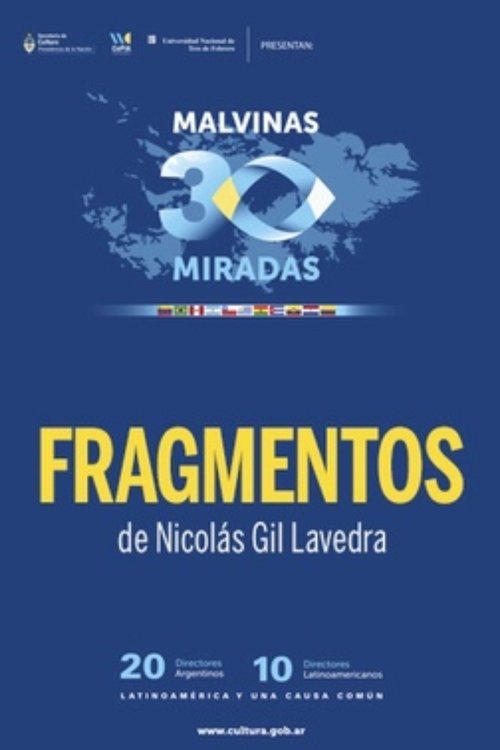
It is 1982. Nélida (68) lives with her grandson Ernesto (17) in the suburbs of Buenos Aires. Nélida is finishing setting the table for lunch when Ernesto comes home from the street. The silence is impossible to break and hangs over the house. Ernesto's anguished expression is evident, and his grandmother tries to calm him with a gesture and a few words... even though her gaze reflects only helplessness and concern. The next day, he must report for military service: the Falklands War has begun.
Fragmentos
A chronicle of legendary Argentine folk-protest singer Mercedes Sosa’s years of exile through her unpublished letters and photographs, blending personal memory and political history.