
Herbert Rappaport
Directing
Biography
Herbert Rappaport (July 7, 1908 – September 5, 1983), known in the Soviet Union as Gerbert Moritsevich Rappaport, was an Austrian-Soviet screenwriter and film director. Rappaport was born in 1908 in Vienna, Austria-Hungary, to Jewish parents from Lemberg (now Lviv, Ukraine). From 1927 to 1929 he studied law at University of Vienna. Rappaport worked as screenwriter, music editor, and assistant director in Austria, Germany, and the United States from 1928 onward. During the early 1930s he worked as an assistant to Georg Wilhelm Pabst. In 1936 he was officially invited to the Soviet Union to internationalize the Soviet Cinema which he accepted and spent the following 40 years working as a filmmaker there. Among Rappaport's best known films is Cherry Town (1962), an adaptation of Dmitri Shostakovich's operetta Moscow, Cheryomushki. In 2008 the first workshow was initiated outside Russia by the Austrian Filmmuseum and SYNEMA-Gesellschaft für Film und Medien, showing about half of his films.
Known For
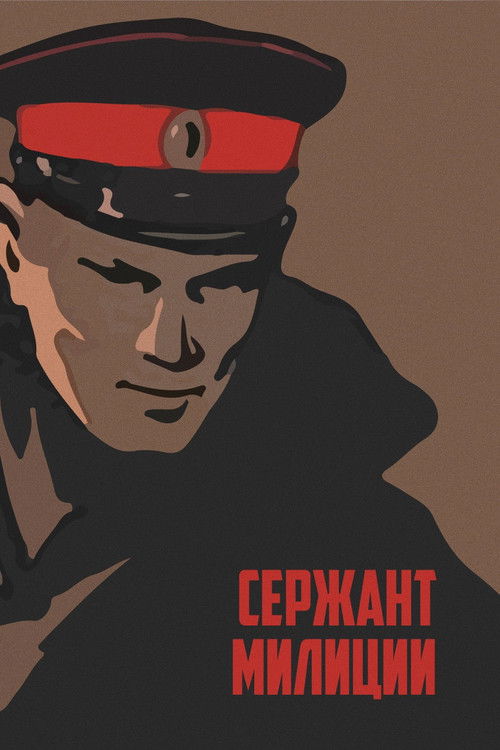
A young police officer, Sergeant Nikolai Zakharov, who is simultaneously completing his studies at the University's Law Faculty, is assigned to investigate the assault and robbery committed against Alexei Severtsev, an applicant who has come from a distant city to study at a Leningrad university.
Police Sergeant
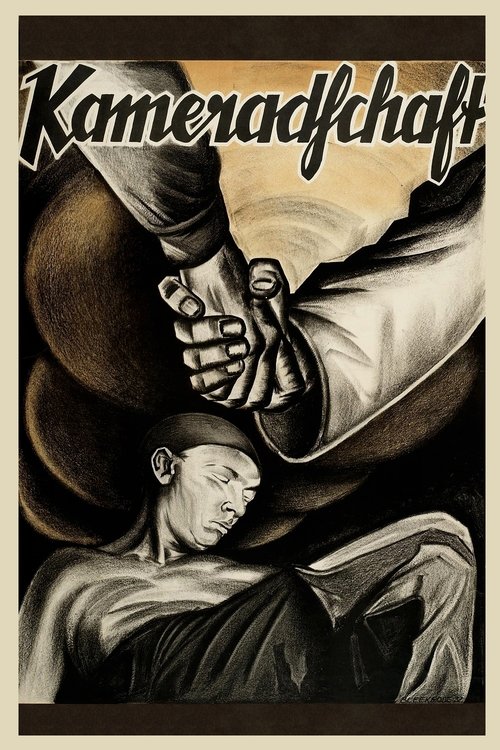
At a mine on the shared edge of France and Germany, an underground explosion leads to the entrapment of a group of French miners. In an effort to save the trapped Frenchmen, German miners Wittkopp and Kasper take it upon themselves to traverse a crumbling war tunnel leading down into the mines. Yet, though the workers harbor no political biases against one another, their callous, less tolerant bosses hope to halt this cross-cultural rescue mission.
Comradeship
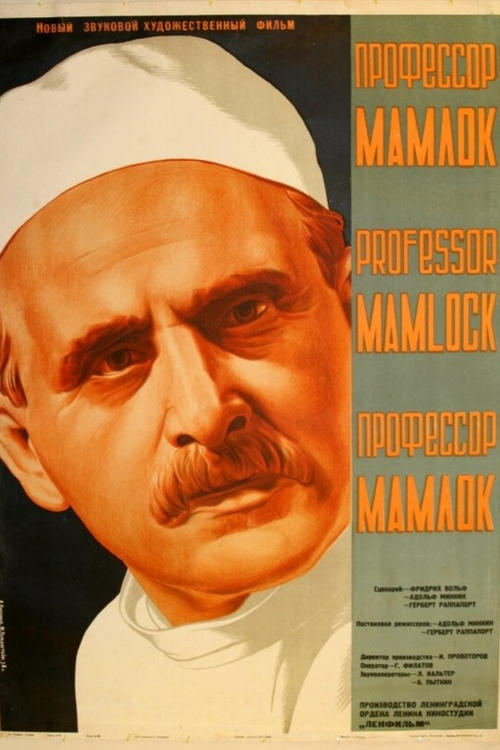
Made in Stalin’s Soviet Union, Professor Mamlock was one of the first films worldwide to tackle Nazi anti-Semitism openly. Based on a play by a German-Jewish exile in Moscow, Friedrich Wolf, and directed by an Austrian-Jewish exile in Moscow, Herbert Rappaport, the film tells with the story of an apolitical humanitarian Jewish doctor and his politically-aware, fascism-resisting son, an intern, as their lives become entangled with the Nazis’ rise to power in 1930s Germany, where they live and practice. Things come to a head when the Nazi organization takes control of their hospital, and place a rabid antisemitic physician in charge over Mamlock and his staff.
Professor Mamlock
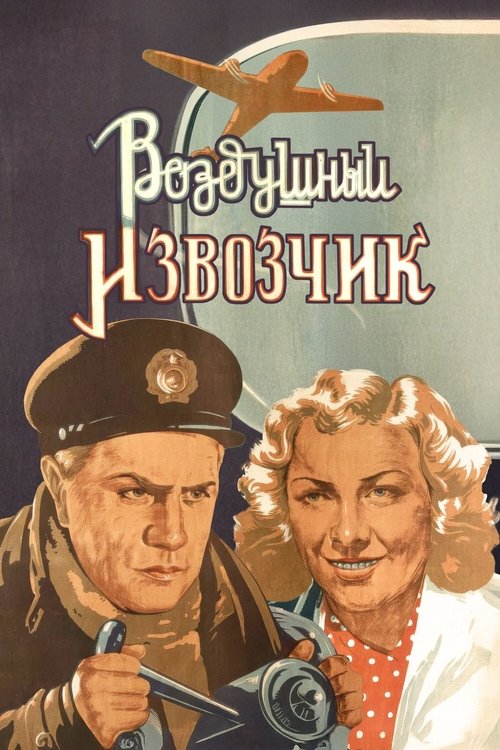
A musical romantic comedy set in Soviet Union during the first years of WWII.
Air Taxi
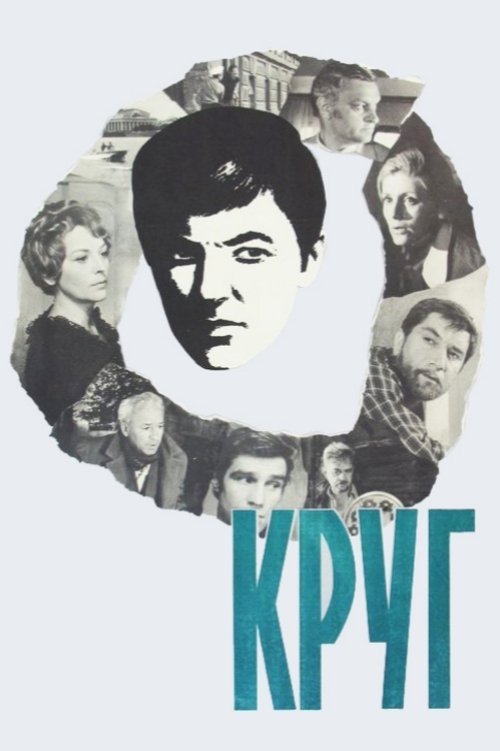
Police captain Aleshin is investigating a case related to the theft of opium at a chemical factory warehouse. Everything suggests that the offender must be sought among the employees of the enterprise. One of the workers, Frolov, is familiar to Alyoshin in another matter. And although Aleshin is confident in Frolov’s honesty, he suspects something was wrong, seeing how he hides something from him and himself suffers from it. At the dacha, the factory director Vasiltsev killed his stepfather, who turned out to be an unnecessary witness. A trace brings Aleshin to a plant employee, a certain Olga ...
A Circle
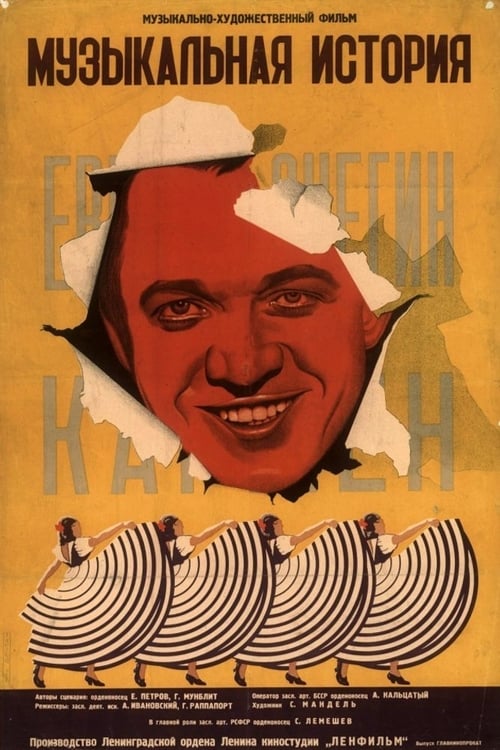
Talented cabbie with aspirations as a singer spends afterhours practicing with an amateur opera company, ignoring his sweetheart, the femme cab dispatcher.
Musical Story
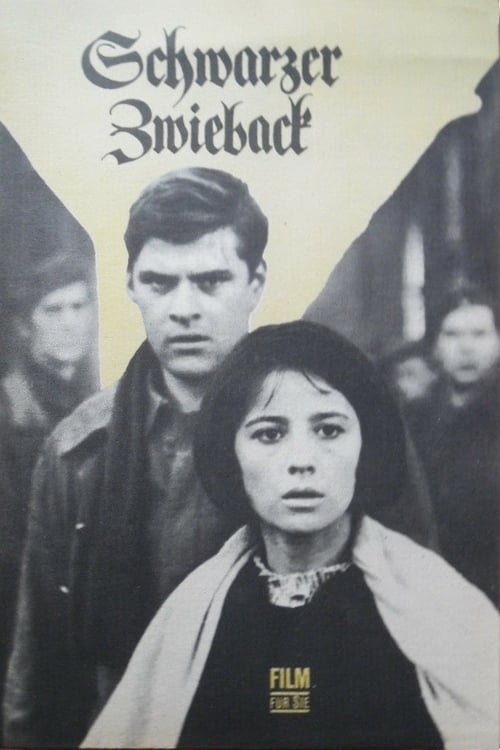
The November Revolution of 1918 in Germany, famine and social upheaval evoke a response from the young Soviet government in Russia. To provide food assistance, trains with bread are being formed. One of them, on the personal instructions of V.I. Lenin is accompanied by the young revolutionary Tatyana . On the way, she meets a former German prisoner of war, Kurt . A romantic relationship arises between them. The train with bread, despite all the difficulties, was delivered. In a clash with a detachment of counter-revolutionary German troops, Tatyana was wounded. She returns to Moscow, and Kurt goes to Berlin to continue the revolutionary struggle.
Black Rusks

The director of the Kartashov textile factory was killed in a car accident. The circumstances of his death prompted the internal affairs authorities to investigate the factory's documentation, for which senior OBKhSS inspector Shubnikov arrived from Moscow under the guise of a representative of the Light Industry Research Institute.
It Doesn't Concern Me
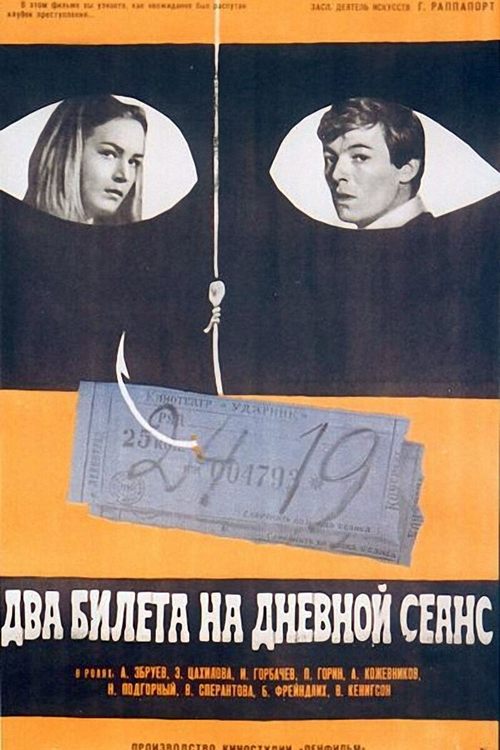
Young detective investigates a complex crime starting with a two movie tickets found in the pocket of one of the criminals.
Two Tickets for a Daytime Picture Show

A biographical film about the life and work of the outstanding physicist-electrical engineer, inventor of radio communications Alexander Semenovich Popov.
Alexander Popov
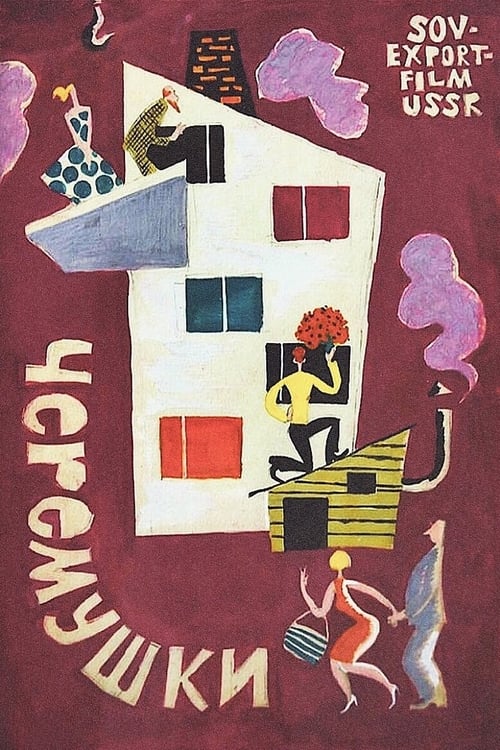
Lida Baburova, a tour guide of an architectural museum, unexpectedly receives a warrant for a two-room apartment in the new district of Zarechye, among the new settlers called "our Cheryomushki". Lida and her father go to inspect the apartment, but it turns out that it doesn't exist. The manager of the house, Barabashkin, conducted fictitious documentation, and the Baburovs' apartment merged with the neighboring one, owned by the head of the construction trust Drebednyov.
Cherry Town
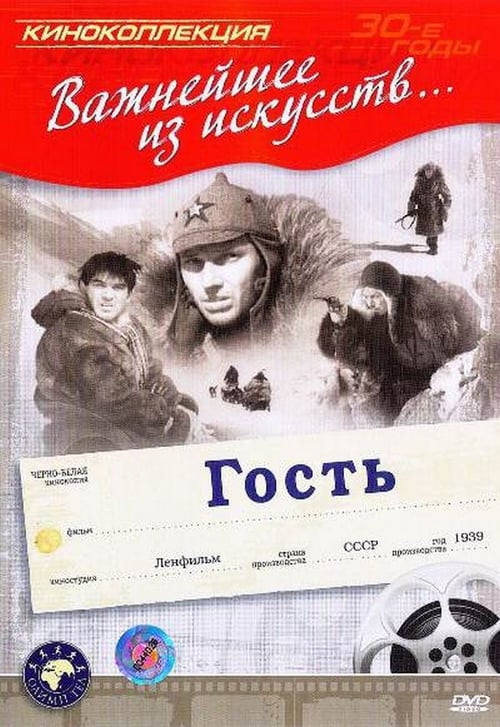
A young Nenets hunter exposes a saboteur who has infiltrated the territory of the USSR, who at first poses as a doctor who has gone astray, and then makes the hunter his hostage.
Guest
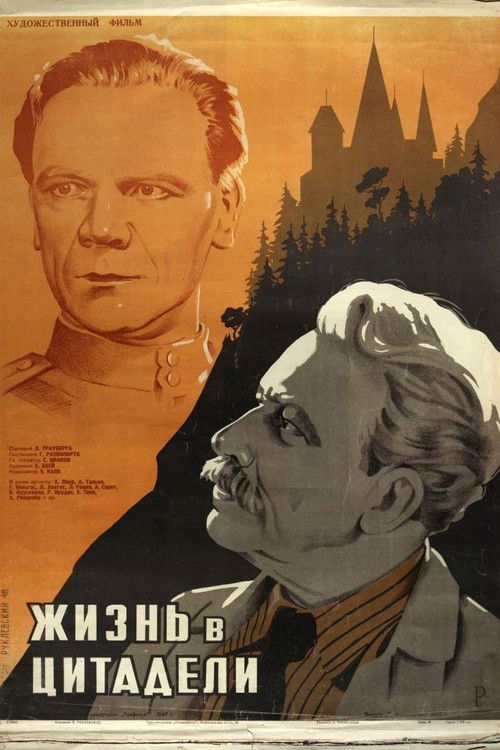
Professor August Miilas has succeeded in hiding in his private house from the war. He thinks this is mainly caused by his complete devotion to science. As August is not interested in anything that is going on outside his citadel, his family members avoid disturbing him. However, the political situation disrupt August's quietude. Right in the middle of his domestic citadel, the professor finds out about dangerous secrets so that he must give up this apolitical attitude and open up for the new reality.
Life in the Citadel
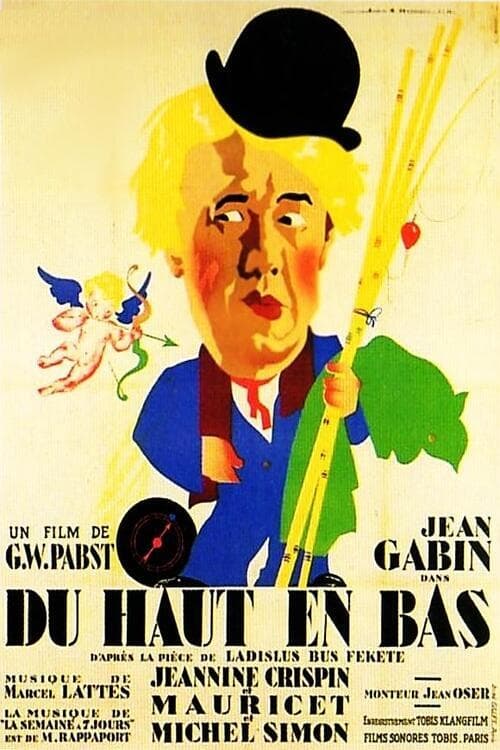
The intersecting lives of neighbors in a courtyard apartment building in Vienna,including a football player related to the concierge,a new blonde maid hired by the wife of a baron,whom both the athlete and a baron flirt with,and a deadbeat tenant who fakes his suicide.
High and Low

Jaak is a young labourer always facing some kind of issues and it seems he always rides for a fall. At the construction work of a new thermal power station, Jaak meets young people from the Young Communist League who won't find faults with him and are ready to help him out.
The Sun and the Rain
An anthology of three filmed ballets, two written for the film and the third an abridgment of Tchaikovsky's "Swan Lake". It was entered into the 1954 Cannes Film Festival. Filmed in color.
Stars of the Russian Ballet
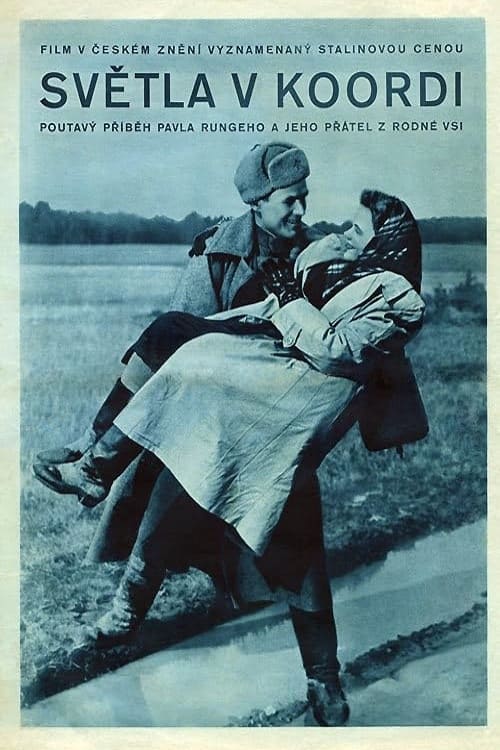
When Paul Runge, a soldier of the Red Army, returns home to Koordi after the war, he sees that, despite the new regime, life in Koordi hasn't changed. It's still a abandoned, uncultured Estonian village, where rich landlords still oppress the population. Runge starts talking about founding a kolkhoze.
Light Over Koordi

No description available.
Collection of Films for the Armed Forces #12
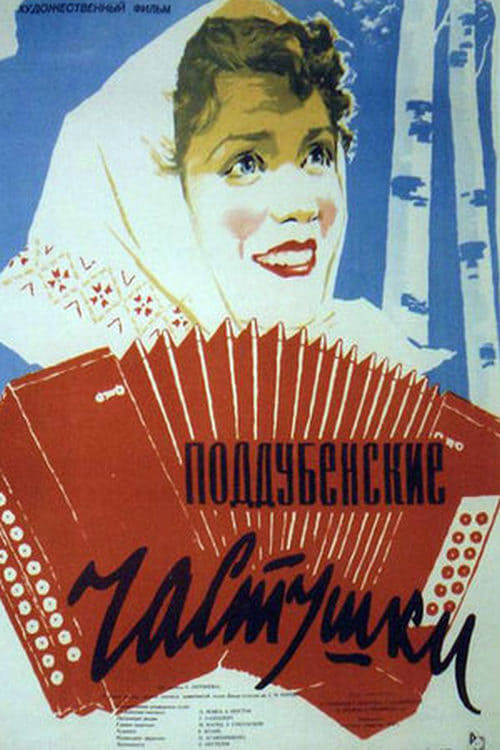
Cheerful, cheerful youth are famous everywhere for their ditties: mischievous and lyrical, thoughtful and sad, perky and poignant, they sound everywhere from early morning until late at night. Who composes them?..
Poddubensky Ditties
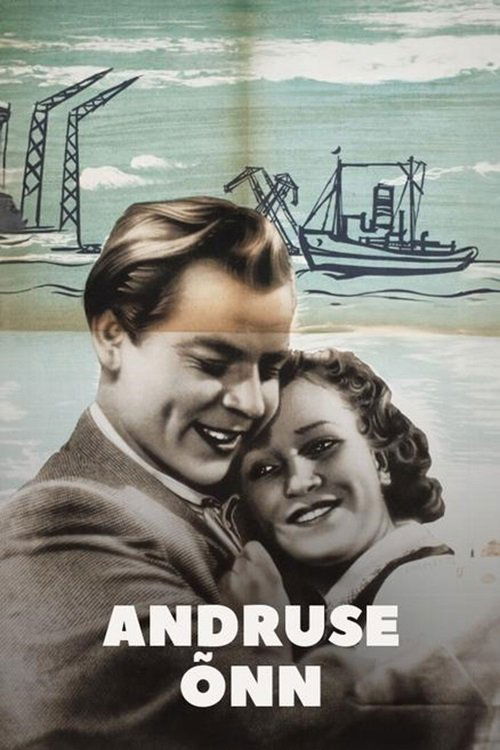
Andrus Laane comes from a fisherman's village. He dreams of becoming a captain to sail the seas but fails the entrance exams to the marine academy. By accident he starts working at a big gas plant. Sharp-witted young man with innovative ideas will be recognized. He will also find his first true love. It seems that Andrus has found his happiness, even if not at sea.