FEEL IT.STREAM
Richard Dindo

Richard Dindo

Directing

Biography

Richard Dindo was a Swiss documentary filmmaker of Italian heritage. He lived in Zürich and Paris. He was referred to as a "lawyerly filmmaker" for his meticulous and emotionally engaged research .
Known For

Kulturplatz
6.0

No description available.

Kulturplatz

2004
No image
N/A

Filmmaker Richard Dindo's unique documentary uses historical reenactments and speculative "interviews" of historical figures to paint a fascinating portrait of one of the most influential writers of modern literature, renowned author Franz Kafka. Best known for his novel The Metamorphosis, Kafka was famously secretive and eccentric, and the details of his private life have become just as captivating to his fans as his work.

Who was Kafka?

2006
Trois jeunes femmes (entre la vie et la mort)
N/A

A film about three young women aged between 20 and 25, who all have an attempted suicide in their past.

Trois jeunes femmes (entre la vie et la mort)

2005
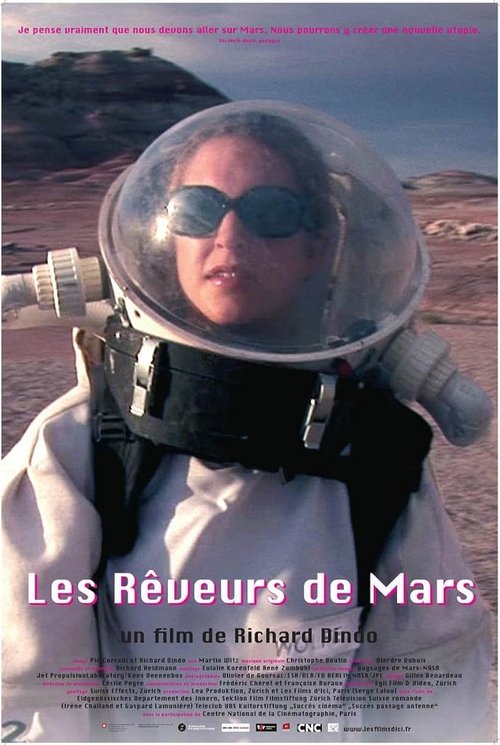
The Marsdreamers
N/A

In southern California's Mojave Desert, members of the Mars Society - a loosely connected group of people who live modestly but spend time planning a better life on the Red Planet - don homemade spacesuits and wander the Mojave, conjuring a dry Martian landscape.

The Marsdreamers

2009
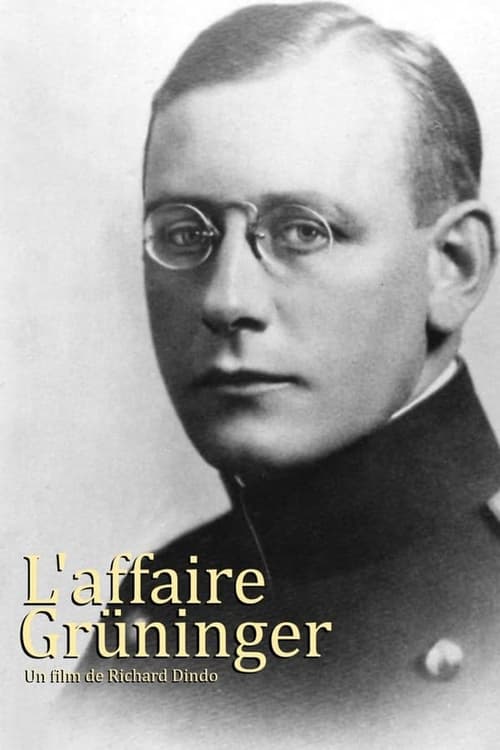
Grüningers Fall
8.3

The Grüninger case from Switzerland. This is a documentary about a police officer who showed civil courage back in the forties when he led many refugees fleeing German Nazi terror immigrate to Switzerland, although he was advised not to do so. Grüninger later was sued by the state of Switzerland, lost his job and died in the early seventies. The film constructs a just lawsuit with eye-witnesses and thus fully legitimates what Grüninger did.

Grüningers Fall

1998
Ernesto Che Guevara, the Bolivian Diary
7.6

A documentary about Che Guevara in Bolivia, based upon his journal listing daily agendas

Ernesto Che Guevara, the Bolivian Diary

1994
Dani, Michi, Renato & Max
7.0

A three-part documentary about four young men who were active members of the Zurich youth movement in the early 1980s and died tragically as a result of “accidents” with the involvement of the police. The exuberant Dani and Michi stole a motorbike to go on a joyride; a police car gave chase and caused their fatal crash. Renato, a young junkie raised in orphanages, was shot by the police while driving a stolen car. Max, an innocent bystander at a youth demonstration, was clubbed on the head by a police officer, and later died of complications caused by his head injuries. Taken together, these three incidents reflect the tense and violent atmosphere of the time and the conflict between repressive authority and a young generation desperate for freedom

Dani, Michi, Renato & Max

1988
Max Frisch, Journal I-III
10.0

A “filmic re-reading” of Max Frisch's novella Montauk (1974) and of excerpts from his published diaries. It is neither a biographical portrait of Frisch – who was one of the greatest 20th century Swiss writers – nor a filmed adaptation of the novel. Instead, Dindo returns to the locations the author describes in his texts, searching for traces of past events that may turn out to have been more imagined than real.

Max Frisch, Journal I-III

1981
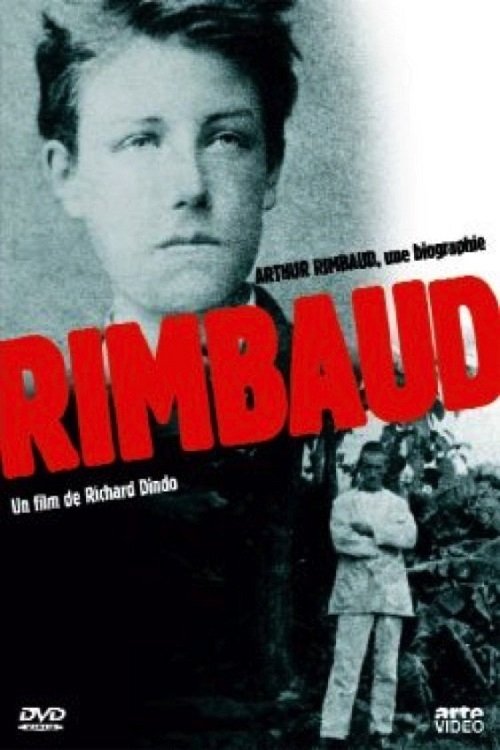
Arthur Rimbaud: A Biography
8.2

The tragic life of 19th century French poet Arthur Rimbaud, as told by characters that knew him.

Arthur Rimbaud: A Biography

1991
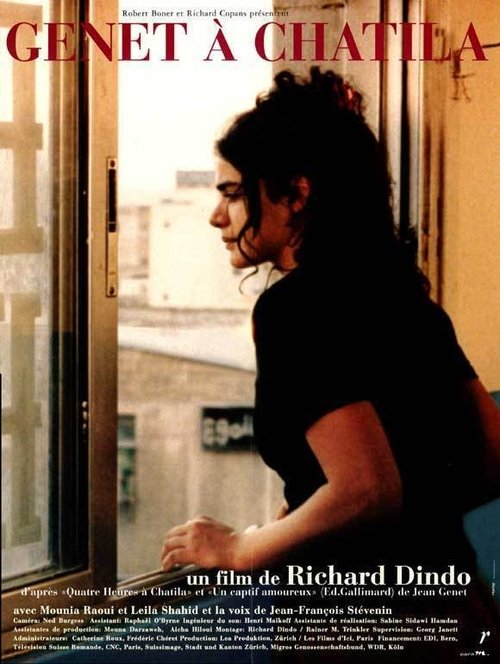
Genet à Chatila
6.7

A documentary about the French writer Jean Genet and his relations with the Palestinian revolution. One day after the September 1982 massacre at the refugee camp of Shatila in Beirut, Genet visits the camp. Suffering from throat cancer and having written nothing in years, Genet begins to write on the threshold of his death about this disturbing new experience. It leads to his last book, entitled “Un captif amoureux” in which Genet reflects on the Palestinian revolution, its defeat, and the loss of one’s homeland. In this film a young French woman of Algerian origin who is reading the book returns to the landscapes of the Palestinian resistance and the refugee camps full of exiles, in search of Genet.

Genet à Chatila

1999
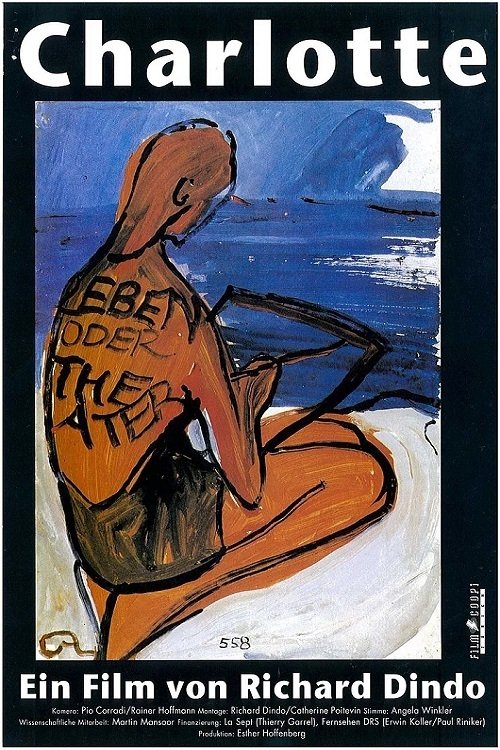
Charlotte : « Vie ou théâtre ? »
10.0

Portrait of the German and Jewish painter who lived during the war in the south of France, in Villefranche-sur-Mer, where she painted 769 gouaches which recount her life, from her childhood, the suicide of her mother, her relationship to her father, to her mother-in-law, the singer Paula Lindberg, to a teacher whom she was secretly in love with, her flight to France, the reunion with her grandparents, until her arrest by the Gestapo who sent her to Auschwitz where she was assassinated in 1943.

Charlotte : « Vie ou théâtre ? »

1992
Homo Faber (Trois femmes)
N/A

A man turning 50 (Walter Faber) narrates his liaisons with three women: Hanna, who was pregnant and left him many years ago in Zurich; Ivy, who broke up with him recently in New York; Sabeth who is 20 and whom he just met on a boat to Europe. Sabeth and the narrator travel to France, Italy and Greece. But who is Sabeth? What does she feel towards the narrator? What does he feel towards her? The entire movie is shot in subjective view (we only see what the narrator sees); there are no dialogues, just his post-synchronised voice.

Homo Faber (Trois femmes)

2015
No image
8.0

During the summer of 1968, students from all over Mexico gathered in the capital to demand democracy. The Olympic Games were about to be held and the government, chaired by Gustavo Díaz Ordaz, offered a brutal response in the form of repression, causing hundreds of deaths.

Neither Forget nor Forgiveness

2004
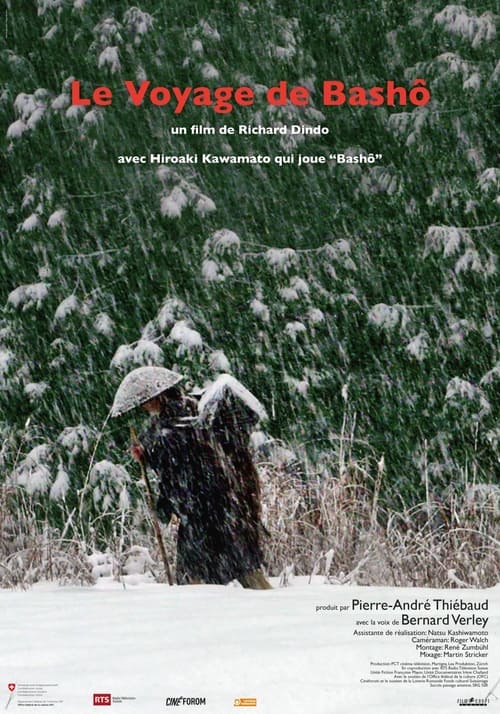
The Voyage of Bashô
N/A

A fictionalised documentary about the great Japanese poet Bashô (1644–1694), the spiritual father of haiku poetry. A monk, portraying the poet, journeys through Japan, following Bashô's journal and writing many of his haikus. A ruminant, poetic, Zen Buddhist observation of nature – a return to the lost paradise of unspoilt nature.

The Voyage of Bashô

2019
La Maternité des HUG
N/A

With his discrete gaze, filmmaker Richard Dindo observes the busy comings and goings of a maternity ward in Geneva. His uplifting film depicts the joy and desire of giving life and is Dindos fourth film about the Hospital of Geneva. Once again, it is a tribute to the nurses and the doctors who work there. With his hand-held camera, Dindo looks over their shoulder during their everyday work.

La Maternité des HUG

2006
HUG, les hôpitaux universitaires de Genève
8.0

This documentary about the canton of Geneva’s University Hospital focuses less on the technology of modern medicine, or the ubiquity of doctors, than on the destiny of ordinary people: the hospital as a shrine of humanity.

HUG, les hôpitaux universitaires de Genève

1999
La maladie de la mémoire
10.0

The first sequence shows us an elderly woman in the process of taking a test which seems extremely simple. However, the patient cannot remember the words she has just read. This loss of memory is one of the symptoms of Alzheimer's disease. With patience and respect, Richard Dindo meets people suffering from this scourge. In the course of these testimonies, “La maladie de la mémoire” makes the difficult confrontation with the gulf of forgetfulness particularly sensitive. This film modifies our intimite relationship with the past, the present, but also with the future.

La maladie de la mémoire

2002
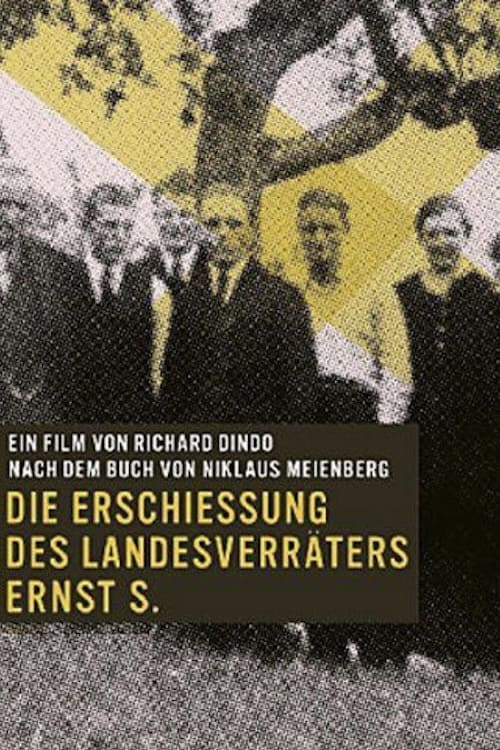
The Execution of the Traitor to the Homeland Ernst S.
6.8

During World War II 17 men were put to death by Swiss bureaucracy. The reconstruction of the case of Ernst S. fueled a controversy about collective guilt, double standards and the role of Switzerland in the war.

The Execution of the Traitor to the Homeland Ernst S.

1976
Schweizer im Spanischen Bürgerkrieg
8.0

Portraits of some Swiss men and women, who fought between 1936 and 1938 in the International Brigades to defend the Spanish Republic against the putsch of General Franco.

Schweizer im Spanischen Bürgerkrieg

1974
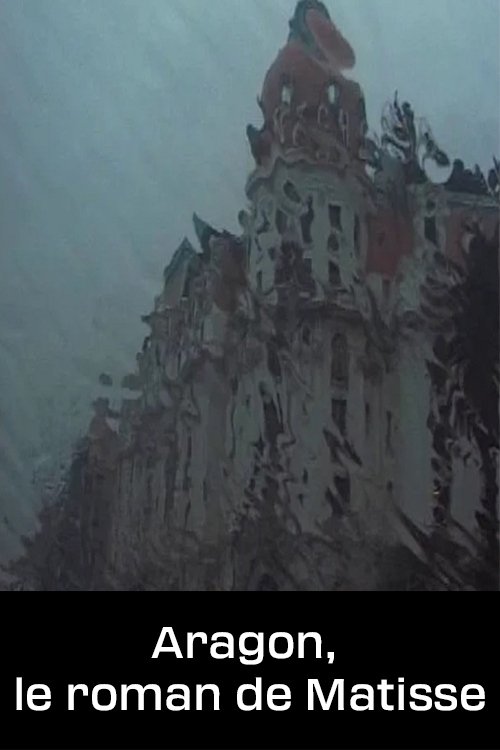
Aragon, le roman de Matisse
N/A

In 1941, the writers Louis Aragon and Elsa Triolet fled the Nazi-occupied zone of France, arriving in Nice. There they met and befriended Henri Matisse. Aragon resolved to write a book about the great painter, but it wasn't until 1970, just after Elsa's death, that he finally completed "Henri Matisse, roman".

Aragon, le roman de Matisse

2003