Acting
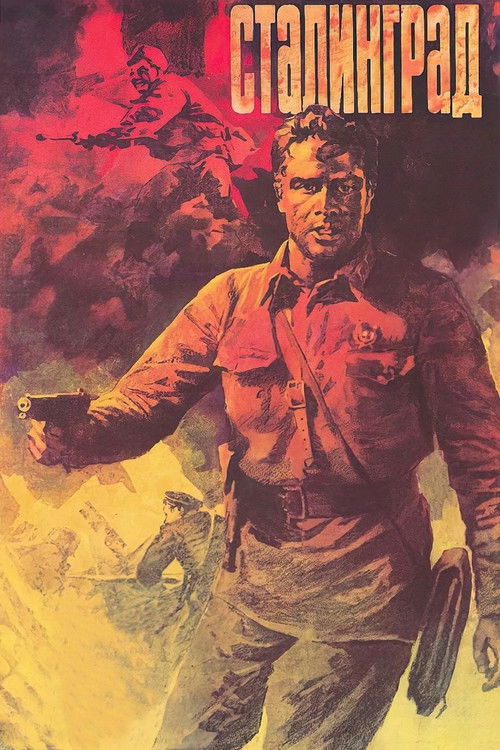
In January 1942, Adolf Hitler appoints Fedor von Bock to command Army Group South and supervise Operation Blau. The German forces advance in the south of Russia, scattering the Soviets and approaching Stalingrad, that seems on the verge of falling to the enemy's hands. The movie ends with Vasily Chuikov assuming command of the 62nd Army at September.
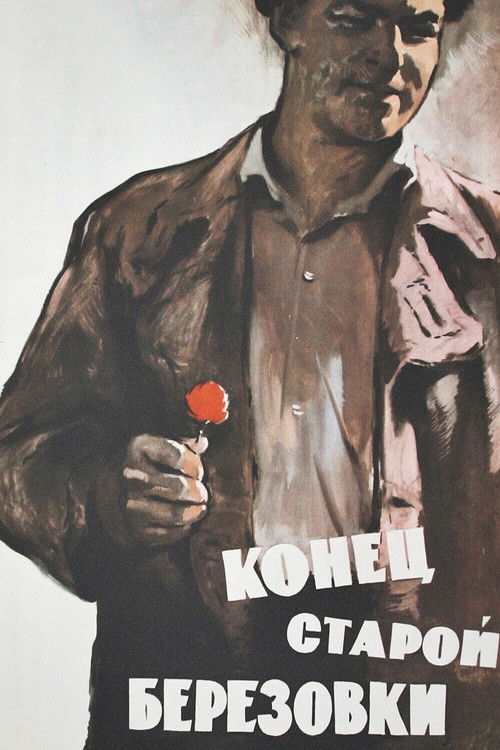
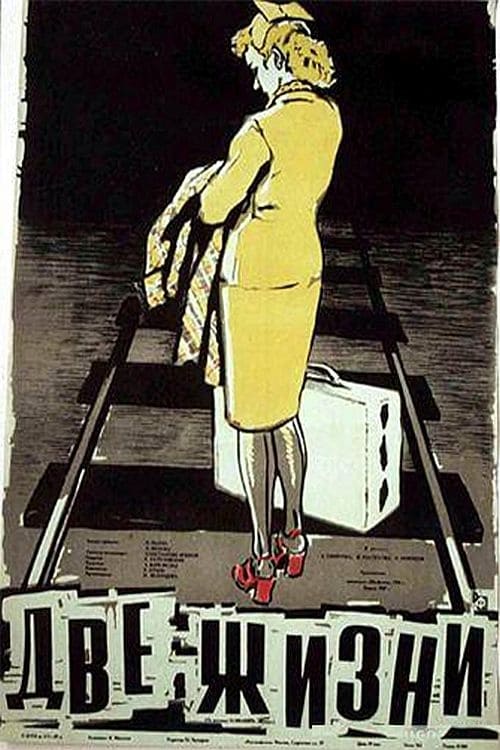
Once at Borka, a big prankster and fidget, an adult friend appeared — the builder Ivan Degtyarev. Former sailor directed Borkin's energy in the right direction and made him his assistant. Soon a disaster happened in the Borkin family. His sister Liza will soon become a mother, and the father of the unborn child did not want to marry her and avoided meeting. Ivan tried to unite the young, but his attempts were unsuccessful. Having fallen in love with Lisa, he proposed to her — and soon the young happy family moved to a new home.
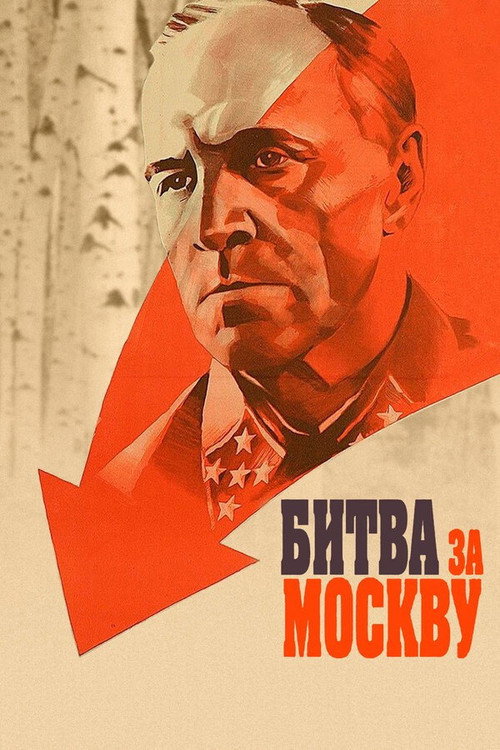
The Battle of Moscow is a 1985 Soviet multi-part war narrative, presenting a dramatized account of the 1941 Battle of Moscow and the events preceding it. The battle was the first major defeat of German Wehrmacht in the Second World War.
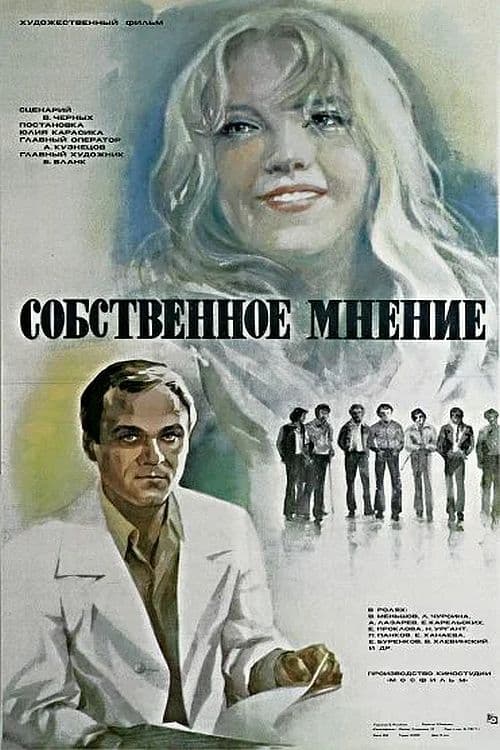
Psychologist Petrov and sociologist Burtsev are invited by Basov, the director of a factory, to study the basic problem of production.
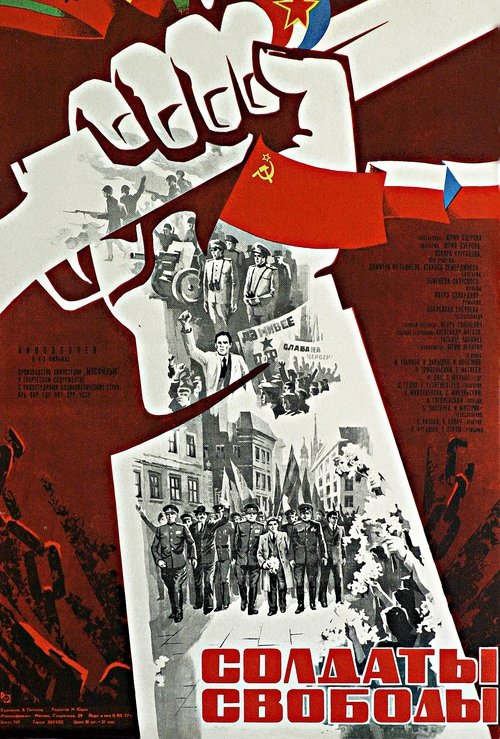
The action of the epic film takes place in the second half of World War II. The plot focuses on the liberation of European countries from German occupation and the anti-fascist activities of the communist parties of these countries. After the victory at Stalingrad, a decisive turn occurred during the war. The main aim is the rallying of all patriotic forces, the creation of a national anti-fascist front in the struggling countries. The swift offensive of the Soviet troops, problems with the opening of a second front, major operations and the offensive of the Soviet army lead to the liberation of Europe. Rebellions are rising in different countries - such as the heroic uprising in Warsaw, in Slovenia, Bucharest and other cities. Brave heroes who performed immortal feats in the name of the happiness of mankind and freedom.
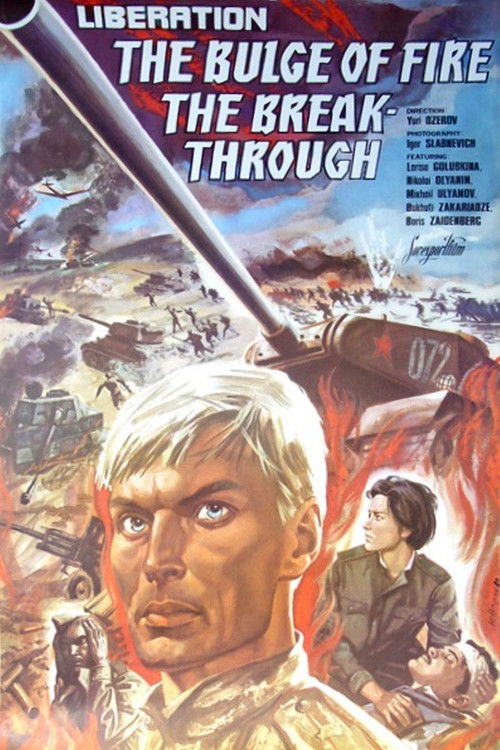
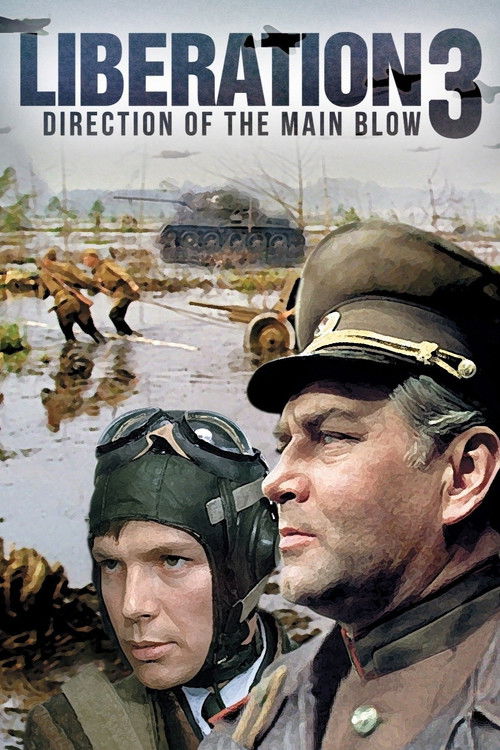
The "Fiery Arc" tells of a grandiose battle on the Kursk Bulge in the summer of 1943. Here was the largest tank battle in the history of World War II. Along with the personal fate of the heroes, the film shows battle scenes, the activities of headquarters and intelligence, those who worked at the front and in the rear.
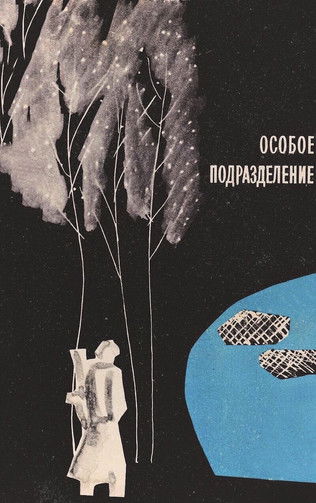
In May 1941, a young instructor of the Komsomol Regional Committee of Belovezhskaya Pushcha Andrei Dyomushkin was invited to the graduation party of the Moscow Theatre School to create a professional theatre in the city. The war has crossed out all plans. Now he, along with the course of graduates, will have to go through the war and be the commander of the front acting fraternity in the current army "A Special Unit"...
A story about old Gypsy man Budulay, his troubled life, and the difficult love to a Russian woman.
A story about old Gypsy man Budulay, his troubled life and the difficult love to Russian woman.
A second story about countryside cop named Aniskin.
The accountant of the commodity base discovers a small mistake in the documents, as told by the manager of the base. That night, someone hacked and robbed a safe with accounting documents, and committed the killing of an accountant. The case for the search for criminals was entrusted to police commissioner Krechetov and lieutenant Kasyanov.
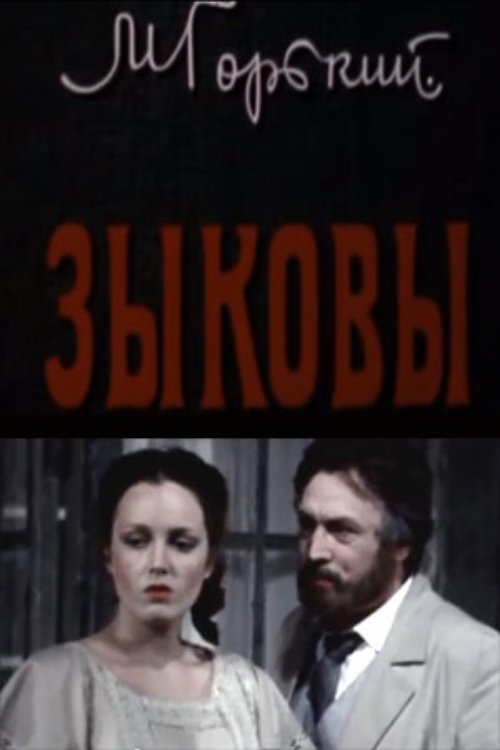
Based on the play of the same name by M. Gorky, staged by the State Academic Maly Theatre of the USSR.
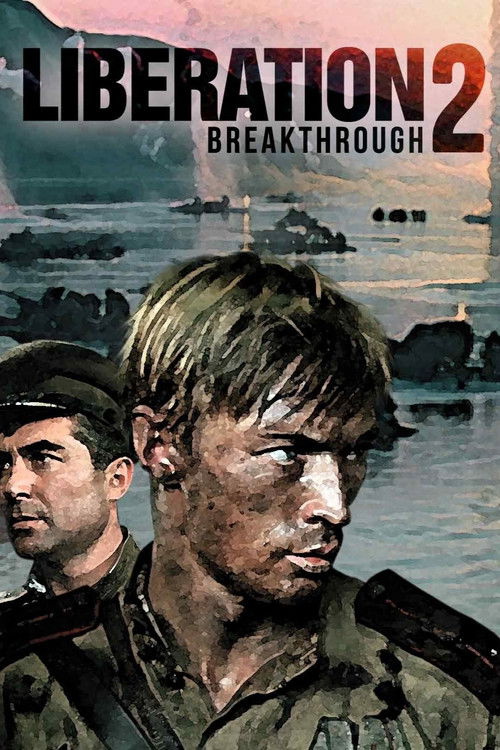
This five part epic war drama gives a dramatized detailed account of Soviet Union's war against Nazi Germany during world war two. Each of the five parts represents a separate major eastern front campaign.
Fascist Italy's prime-minister Mussolini is arrested following the Allies landing in Sicily. Meanwhile, Soviet troops plan their offense towards Kyiv. Lt. Col. Lukin's regiment crosses the Dnieper river as the division's vanguard. Unbeknownst to them, they're merely a ploy to mislead the Germans so the rest of the army can catch them off guard.
Based on the eponymous play by P. Malyarevsky about the Leninsk events of 1912.
Early 20th century. Two village boys, brothers Semyon and Pavel, work as servants for a Moscow merchant. They face harsh exploitation and hard labor. The brothers' paths diverge. Unable to endure the merchant's abuse, Pavel leaves for a factory, becomes a worker, and later a revolutionary. Semyon remains in service. In the post-revolutionary period, Semyon, having served at the front and returned to the village, joins the kulaks and brutally cracks down on representatives of the Soviet government, becoming the leader of a gang of "badgers" hiding in the forests. A Red Army detachment led by Pavel is sent to fight the bandits.
Twenty years ago, Nastya Samokurova left the village in the city to seek happiness. Lived in the city, easy, easy life, engaged in speculation. And now she came to visit her sister Dasha, who continued to live in the collective farm and was universally respected.
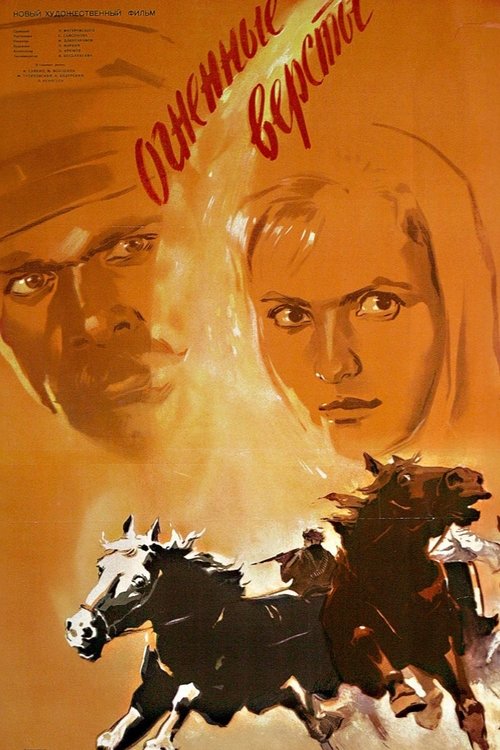
Civil War. Southern steppes of Russia. Circumstances bring together various people: the Chekist, professor, actor, nurse and White Guard officer posing as a vet. On two tachanka's they make their way into the city.
The young part-time student Boris Kulikov, upon arriving in the village of Kardymovka, learns that Buneev, the pier chief who lived there until his death, was his father. Interested in his father’s past, Boris discovers that Buneev once gave up his career as an architect after his bridge design was rejected. Boris strives to prove that his father’s ideas were innovative and valuable.
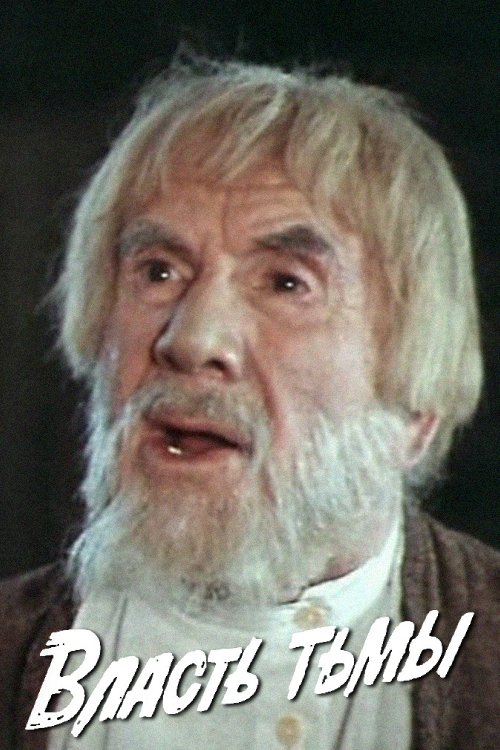
Based on Leo Tolstoy's drama "The Power of Darkness, or the Claw is Faded, the whole bird is lost" staged by the State Academic Maly Theater of the Union of Soviet Socialist Republics.