FEEL IT.STREAM
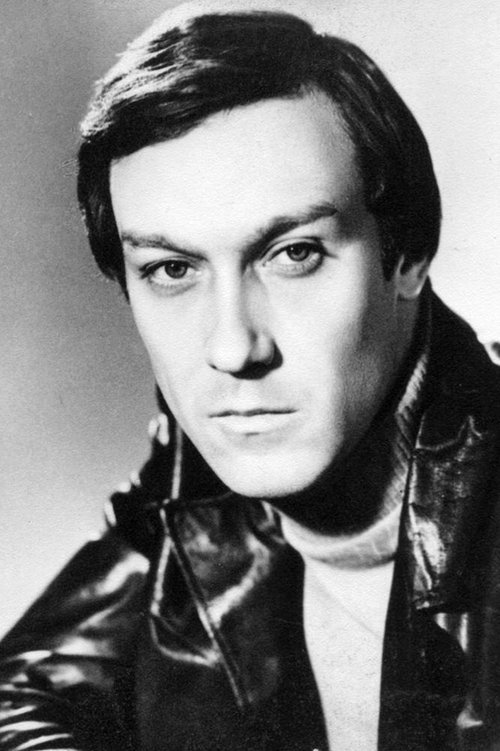
Oleg Yankovskiy

Oleg Yankovskiy

Acting

Biography

Oleg Ivanovich Yankovsky (Russian: Оле́г Ива́нович Янко́вский; February 23, 1944 – May 20, 2009) was a Soviet/Russian actor who has excelled in psychologically sophisticated roles of modern intellectuals. In 1991, he became, together with Alla Pugacheva, the last person to be named a People's Artist of the USSR.

Known For

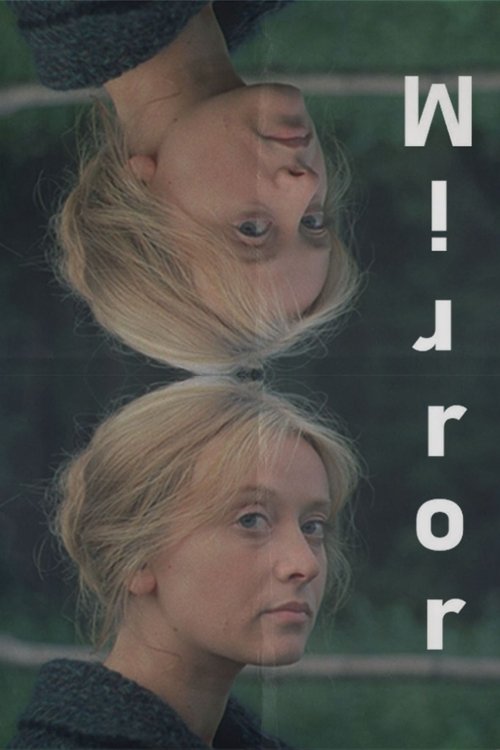
Mirror
8.0

A dying man in his forties recalls his childhood, his mother, the war and personal moments that tell of and juxtapose pivotal moments in Soviet history with daily life.

Mirror

1975
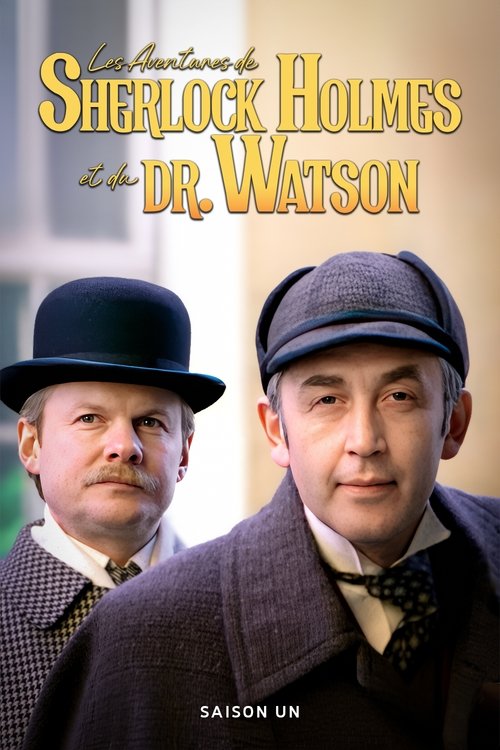
The Adventures of Sherlock Holmes and Dr. Watson
7.8

The Adventures of Sherlock Holmes and Dr. Watson is a series of five films produced by Lenfilm for the Soviet Central Television, split into eleven episodes, starring Vasily Livanov as Sherlock Holmes and Vitaly Solomin as Dr. Watson. They were directed by Igor Maslennikov and filmed in Russia (the then Soviet Union) between 1979 and 1986, and the series was one of the most successful in the history of Russian television.

The Adventures of Sherlock Holmes and Dr. Watson

1980
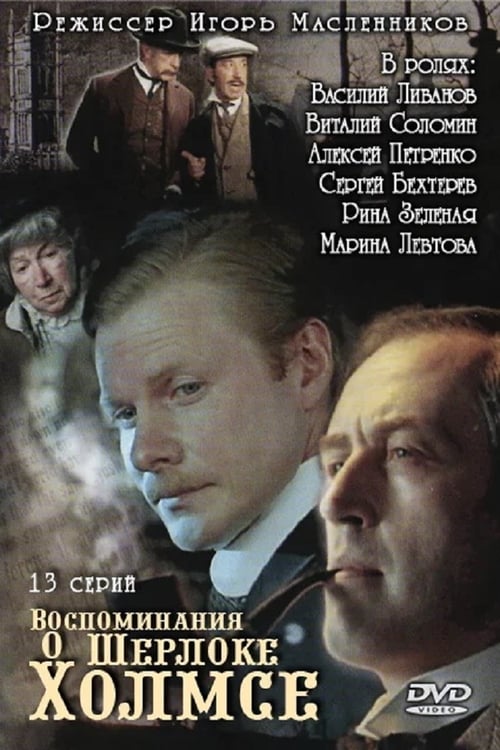
Memories of Sherlock Holmes
7.2

Detective television series based on the works of Arthur Conan Doyle. Five films about Sherlock Holmes, shot by Igor Maslennikov earlier, were remounted in 2000, a connecting story about Conan Doyle's literary secretary, Mr. Wood, who is preparing an anniversary collection of stories about Holmes for the beginning of the coming XX century. Sir Arthur receives huge mail every day, addressed not to him, but to Sherlock Holmes. And then one day a letter arrives with a plea for help, and Doyle begins an investigation...

Memories of Sherlock Holmes

2000
The Shield and the Sword
6.7

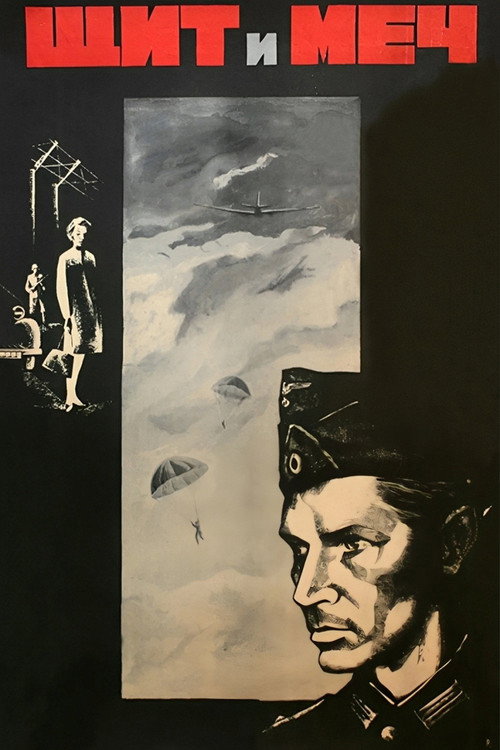
The year is 1940 and Nazi Germany is at the height of its military prowess, having captured most of Europe and eyeing the Soviet Union to the East. The Russian military command suspects hostile intent from Germany and so arranges for its spies to infiltrate ranks of the German military and the SS. Alexander Belov is a Russian spy, who travels from Soviet-held Latvia to Nazi Germany under an alias of Johann Weiss. His mastery of the German language, steel nerves and an ability to manipulate others help him to use his connections in the SS to ascend the ladder of the German intelligence. He uses his position to identify sympathetic Germans, who help him to procure vital intelligence, and to help local resistance movements in their collective fight against Nazism.

The Shield and the Sword

1968
No image
N/A

No description available.

Мы, нижеподписавшиеся

1981
Tonight
N/A

No description available.

Tonight

2012
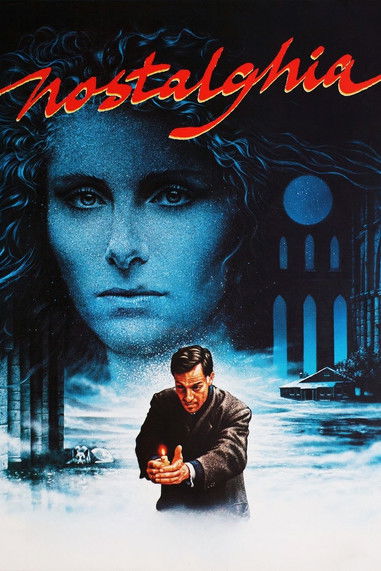
Nostalgia
7.8

Russian poet Andrei Gorchakov journeys through Italy with his interpreter Eugenia to research the life of an 18th-century Russian composer who once lived abroad. Isolated and consumed by an unrelenting longing for his homeland, Andrei becomes drawn to Domenico, a radical mystic obsessed with spiritual redemption. Through austere imagery and extended temporal rhythms, Tarkovsky examines exile, memory, and the profound melancholy of being unable to belong fully to either place or language.

Nostalgia

1983
Hipsters
6.5

In this hit Russian musical, a group of friends flaunts Soviet authority in 1950s Moscow by embracing jazz. When Communist Mels falls for Polly, a free-spirited jazz fan, he risks losing his party membership by associating with her rebellious crew.

Hipsters

2008
Anna Karenina
1.0

In Imperial Russia, Anna, wife of the officer Karenin, goes to Moscow to visit her brother. On the way, she meets charming cavalry officer Vronsky, to whom she's immediately attracted. But in St. Petersburg’s high society, a relationship like this could destroy a woman’s reputation.

Anna Karenina

2013
Open Book
5.2

No description available.

Open Book

1980
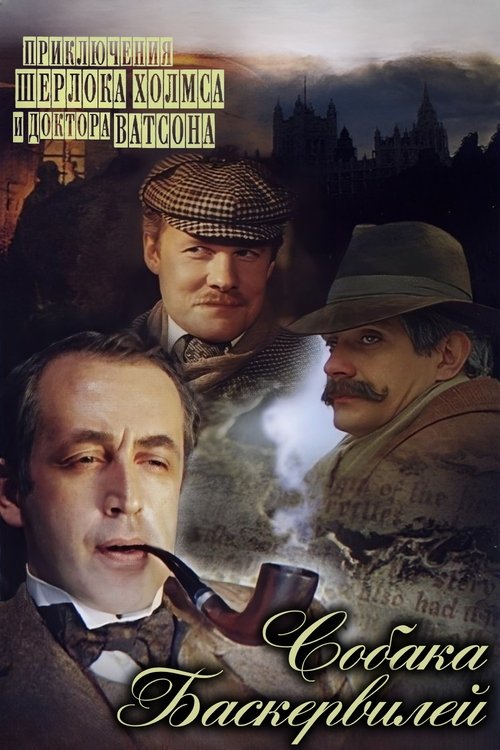
The Adventures of Sherlock Holmes and Dr. Watson: The Hound of the Baskervilles
6.9

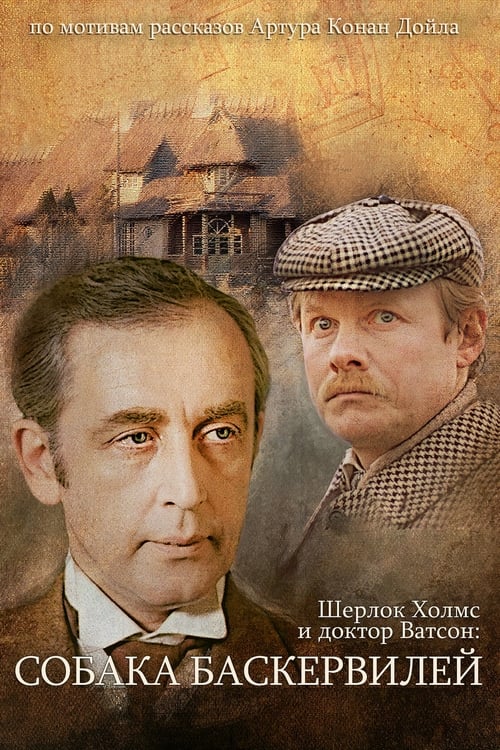
The third part of the Soviet TV series based on the works of Arthur Conan Doyle about Sherlock Holmes. The events of the film take place in 1889. The country doctor Mortimer comes to Sherlock Holmes and Dr. Watson, who visited the detective's apartment the day before in his absence and forgot his cane there. Mortimer tells the legend of the Hound of the Baskervilles, a hellish hound that has been haunting the Baskerville family from Devonshire for several centuries, and reports the mysterious death of Sir Charles Baskerville, the owner of the Baskerville Hall estate. The newspapers write that Charles Baskerville's death was caused by a heart attack, allegedly he was very unwell, but Mortimer does not believe a single word of them, since he found tracks of a huge dog not far from the body of the deceased.

The Adventures of Sherlock Holmes and Dr. Watson: The Hound of the Baskervilles

1981
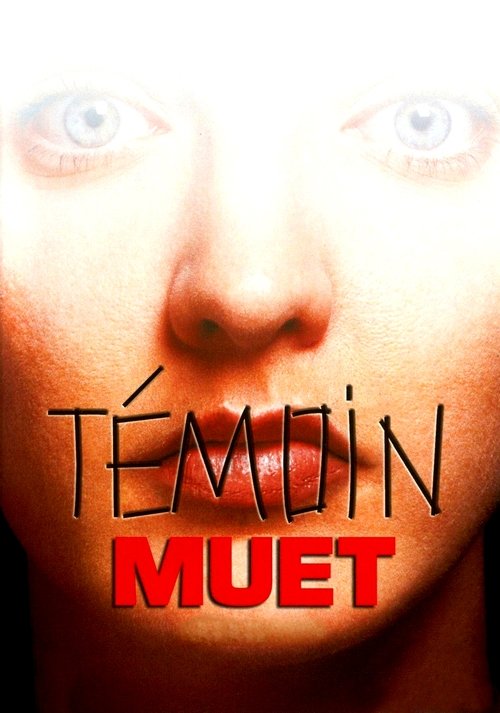
Mute Witness
6.5

When a mute makeup/special effects artist working on a low-budget slasher film gets locked in a dilapidated Moscow movie studio late one night, she thinks she witnesses the making of a snuff film. Thus begins a night of terror.

Mute Witness

1995
The Very Same Munchhausen
7.6

A philosophical and poetic portrait of the famous (or maybe infamous?) Baron Munchhausen. His crazy, yet very merriment, stories, views and behavior is what sets him apart from others. He becomes alienated from the society that failed to grasp his brilliance. In fact, his brilliance is what underlines the faults with the society itself. It's a beautiful yet tragic story that is filled with dense and intellectual dialogue.

The Very Same Munchhausen

1979
The Passport
6.1

Merab, a Georgian taxi driver who mistakenly crosses into Israel while seeing off his Jewish brother, Yasha, gets stuck without documents. He gets entangled in bureaucratic nightmares, mistaken identity, and KGB plots while trying to return home.

The Passport

1990
The Dream of Russia
6.3

Sumptuous filming of the journey of a shipwrecked Japanese expedition from the Pacific Ocean across Siberia to the court of Catherine the Great of Russia. A Russo-Japanese co-production of a unique event in history which was the hit of Cannes and other film festivals but did not receive wide distribution despite its huge scope, high production values, and very human story of culture clash.

The Dream of Russia

1992
Flights in Dreams and in Reality
6.5

On the eve of his fortieth anniversary Sergei Makarov looks back at his life and learns that he has achieved nothing. He was not able to be happy and to bring happiness to the closest people in his life, neither to his long-suffering wife nor young mistress nor friends nor work... It is about the men who never grew up and could not find themselves in the time of stagnation – gifted, charming, but infantile and lost, they never were able to realize themselves...

Flights in Dreams and in Reality

1983
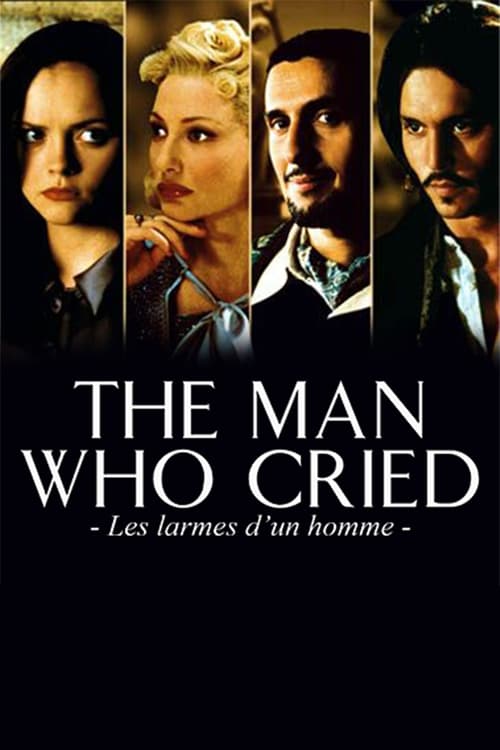
The Man Who Cried
6.1

A young refugee travels from Russia to America in search of her lost father and falls in love with a gypsy horseman.

The Man Who Cried

2000
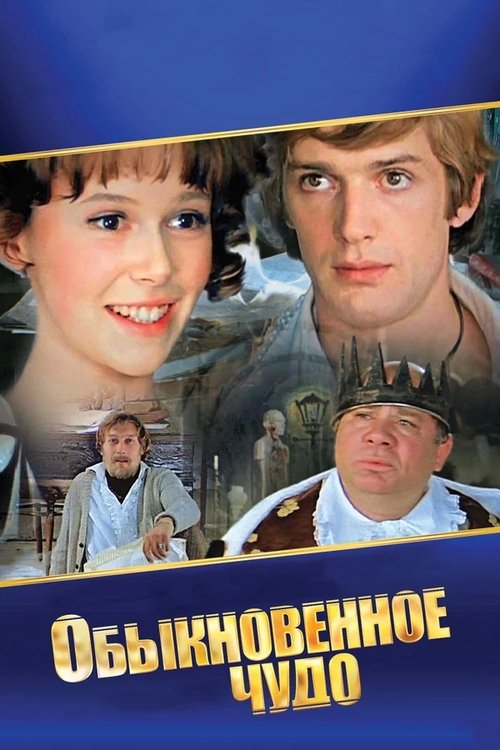
Ordinary Miracle
7.3

A wizard invents characters who all come to life and start to arrive at his house: a King, his servants, a princes, a bear trapped in a man's body - the usual lot. The Plot mainly rotates around the bear, who the wizard had turned into a man. The Bear, who wishes to be a bear once again, can turn into his old self if he were to kiss a princess. It gets complicated when he falls in love with that princess, that arrived at the wizard's house. For how can they be together, if a single kiss will destroy their love?

Ordinary Miracle

1978
To Kill a Dragon
7.1

Dragon is a bloody dictator, who kills every opponent. People live hopelessly, until Lancelot comes to save the beautiful Elsa. Lancelot can only win, if all people become free from fear, that is feeding the Dragon's power. Dragon's multiple personalities, ranging from a "dragon" to a "samurai" to a "Nazi", scare the hell out of all people, except Lancelot. Finally Dragon drops all his masks, to become the most dangerous of his incarnations - "himself". And the battle begins

To Kill a Dragon

1988
The Captivating Star of Happiness
5.8

In December 1825, distinguished members of the Russian military, most of whom were quite affluent and of noble lineage, took it upon themselves to stir revolution against the autocratic and tyrannical Czar Nikolai I in the wake of his not honoring the drafting of a constitution for the Russian people. The revolution failed miserably and the conspirators (known as the Decembrists) were weeded out by the czar himself. One by one, each of the conspirators confess and are systematically exiled to the harsh winters of Siberia, slated to work and wither in a prison/mine. The wives of the conspirators are faced with the prospect of leaving the bosom of wealth and family (including their own children) to be with their husbands in the brutal Siberian locale. If they agree to this, they face having their illustrious social stations stripped away and certain disdain from everyone around them...

The Captivating Star of Happiness

1975