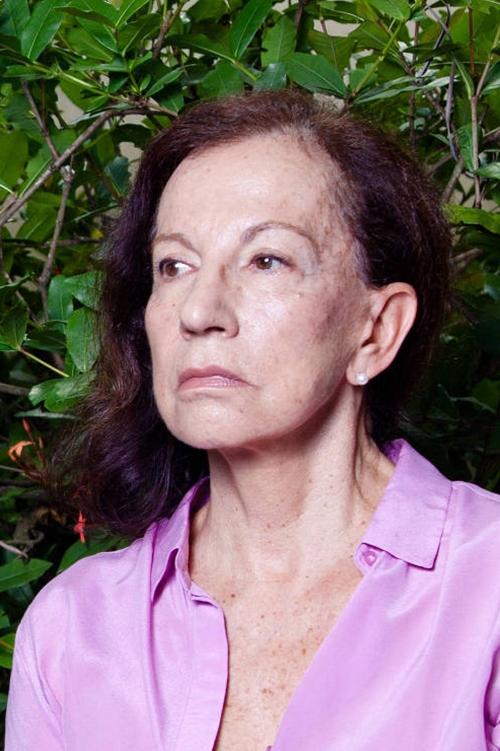
Helena Solberg
Directing
Biography
Helena Solberg (born June 17, 1938, in Rio de Janeiro) is a Brazilian-born documentarist who, since 1971, has made her career in the United States. She is recognized as the only woman to participate in "Cinema Novo" movement in Brazil. In 1983, Solberg received an Emmy Award for From the Ashes: Nicaragua Today, documentary on a new society that born of political turmoil in Central America and the role that the U.S. plays in determining its future. Helena Solberg was born in Rio de Janeiro, daughter of a Norwegian father and Brazilian mother, lived for a long time in New York City, and established herself as a producer and director of documentaries in Brazil and the United States. She began her career from contact with big names of the new movies, as Carlos Diegues and Arnaldo Jabor, a time when she lived with them during the studies at the Pontifícia Universidade Católica do Rio de Janeiro. Solberg began in adolescence working as a reporter at the Metropolitano newspaper and by mastering English and French interviewed important names like the writer Clarice Lispector and also the philosopher Simone de Beauvoir and Jean Paul Sartre. Her debut as a filmmaker occurred in 1966 with the short film A Entrevista. In 1969 directed Meio-dia, a fiction about the revolt of students in the classroom, with the context the period of military dictatorship in Brazil, Caetano Veloso's music, É proibido proibir (It is forbidden to forbid). In the 70s, she took up residence in the United States for about 30 years, where she directed several productions, among them: From the Ashes: Nicaragua Today (1982), which won a News & Documentary Emmy Award. From the 80s, began to produce a series of documentaries for international TV channels such as HBO, PBS, Channel 4, Radio and Television of Portugal, National Geographic Channel, among others. In 1995, she produced, wrote and directed her first feature film, Carmen Miranda: Bananas is My Business, a mixture of documentary and fictional recreation from the singer Carmen Miranda's life. With Bananas is my business she won the Best Films award of the audience, the critic and the jury at the Festival de Brasilia. The film also was awarded with the Golden Hugo for Best documentary at the Chicago International Film Festival and was selected among the 10 best in its category by the critic Andrew Sarris.
Known For

A biography of the Portuguese-born Brazilian singer Carmen Miranda, whose most distinctive feature was her tutti-frutti hat. From her arrival in the US as the "Brazilian Bombshell" to her Broadway career and Hollywood stardom in the 1940s.
Carmen Miranda: Bananas Is My Business

The day-to-day life of a young girl in the town of Diamantina, Brazil, on the end of 19th Century, based on real life diaries.
Diary of a Provincial Girl

Passionate about the magic of cinema and historically imposed on a place of invisibility, prejudices and stereotypes, how can women challenge, break with oppression, look after precious archives, play remarkable characters, produce and direct successful films? The documentary illuminates the trajectories of dreams, challenges and victories of talented Brazilian women in our audiovisual sector.
Women's Cinema
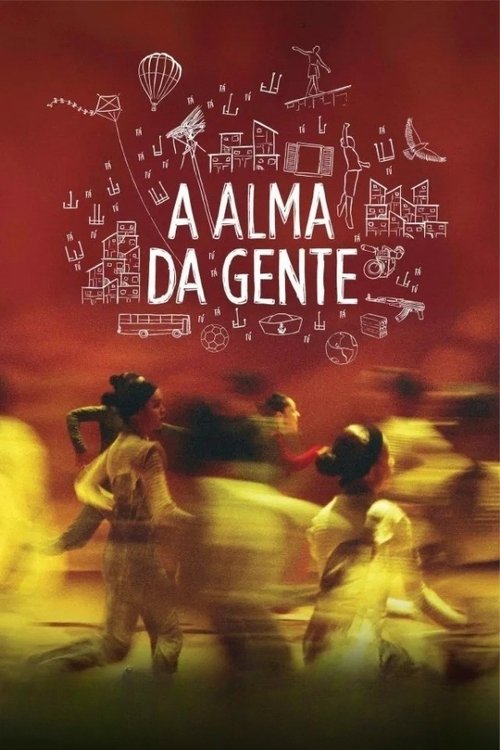
Sixty-six adolescents, residents of Favela da Maré, were selected to participate in a dance show led by the choreographer Ivaldo Bertazzo, which incorporated their own daily experiences. Ten years later, directors David Meyer and Helena Soldberg search for some of the participants of this experience.
Our Stories, Ourselves
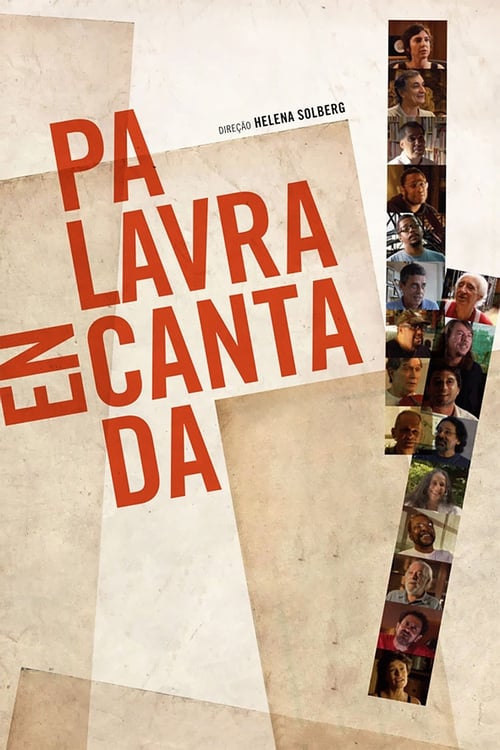
A journey in the history of the Brazilian songbook with a look at the relationship between poetry and music, sewing testimonials of great names of our culture, musical performances and amazing research of images.
Palavra (En)Cantada
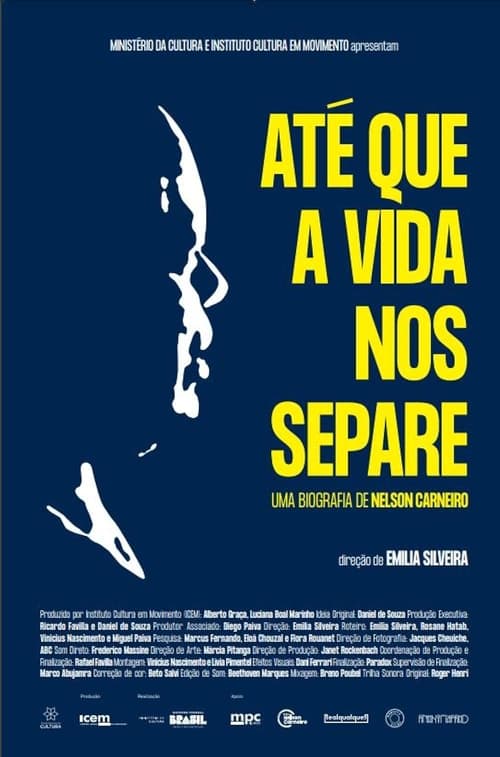
In 2018, Brazil’s 1988 Constitution turned thirty. Known as the Citizen Constitution, it was a landmark in the history of Brazil, the outcome of across-the-board engagement of society in its preparation. In Congress, the parliamentarians best known for their involvement in this initiative were names that are still familiar today in Brazil’s political history: Ulysses Guimarães, Teotônio Vilela, Tancredo Neves and Nelson Carneiro.
Nelson Carneiro: Knight of Democracy
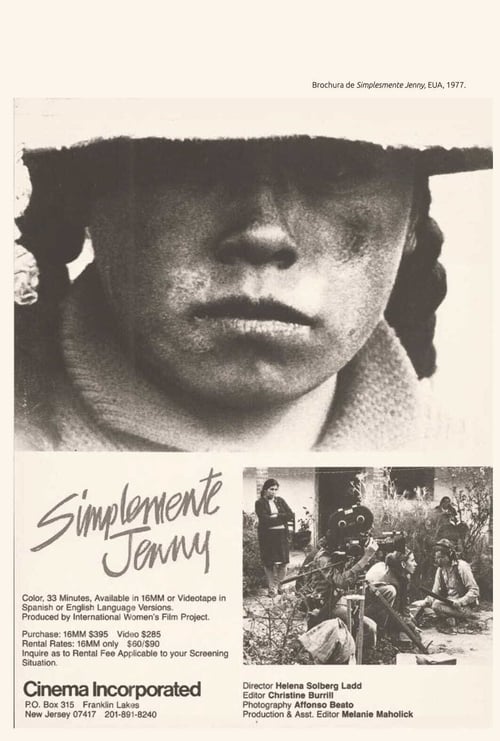
Directed by Helena Solberg, this documentary centers on three teenage girls living in a Bolivian reformatory after experiences of sexual violence and exploitation. Through their stories, the film contrasts their circumstances with prevailing social expectations and representations of women.
Simplemente Jenny
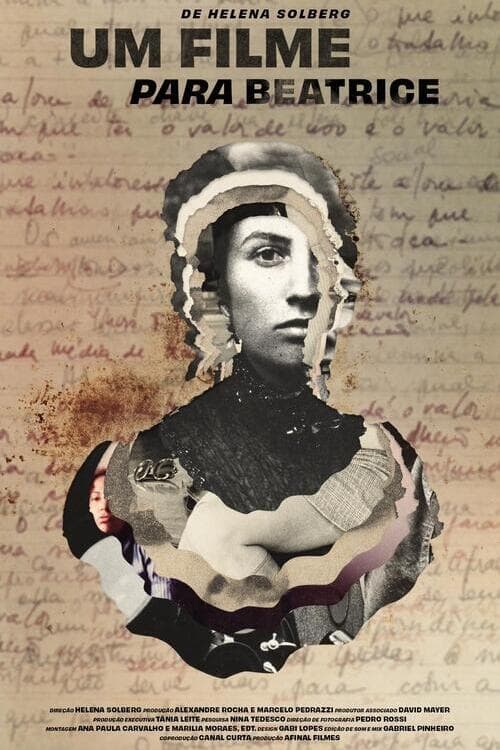
‘How are women doing in Brazil?’. It is this intriguing question, posed by an Italian journalist, that Helena Solberg tries to answer through elements of her films, from the 1960s to the present day. Along the way, encounters with figures such as Heloisa Teixeira, Rita von Hunty and Helena Vieira illuminate some of the cracks in this broad debate.
Um Filme para Beatrice

Based on interviews with 15 women, including directors, producers and film actresses, a journey around the world is made, seeing the wars waged by each one against economic and political repression, bombs, police dogs, censors, etc. Images from England, New York, Brazil, South Africa.
As Kineastas
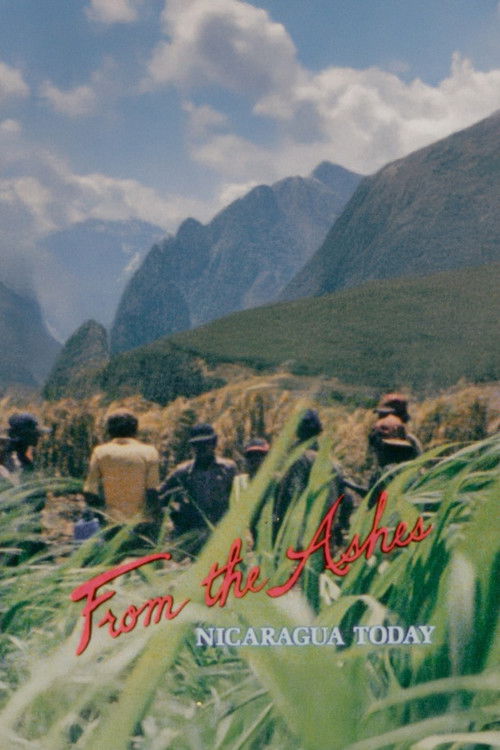
In this documentary portrait of post-revolutionary Nicaragua, director Helena Solberg follows the Chavarría family while examining the broader social and political changes following the 1979 overthrow of the Somoza dictatorship. Interweaving personal testimony with archival footage of U.S. intervention, revolutionary struggle, and national reform efforts, the film reflects on the hopes and tensions shaping the country’s future.
From the Ashes: Nicaragua Today
No description available.
Brazil in Living Colour
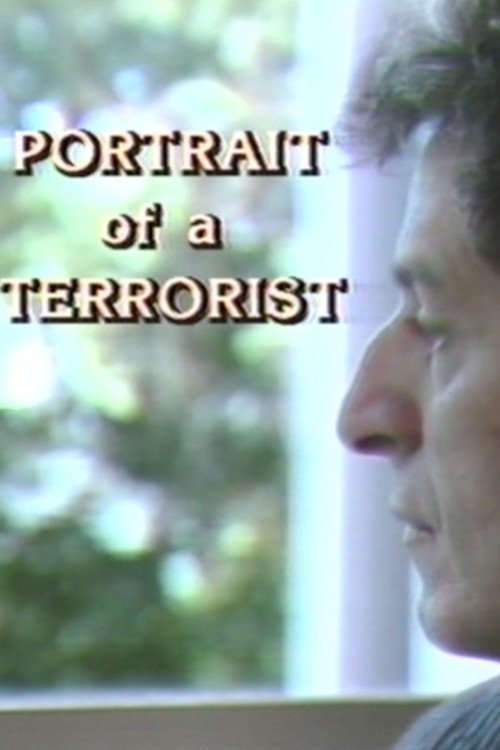
In 1969, Fernando Gabeira was among terrorists who kidnapped Charles Burke Elbrick, then the U.S. Ambassador to Brazil. Eventually Gabeira was captured and tortured before being exiled from his homeland for eight years. He talks candidly about his experiences in captivity as well as the abduction and the motivation behind choosing Elbrick.
Portrait of a Terrorist
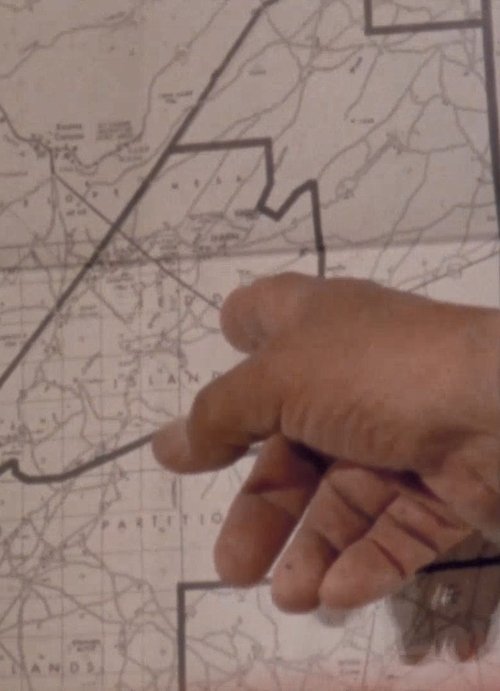
In this film Indians—and only Indians—talk about the contemporary threats they are facing today. They are no longer the Conquerors or the American Cavalry. Now it is industrial development that is wiping out traditional land. Shot on three continents: the USA with the Hopi and Navajo; Amazonia, and on the Bolivian highlands, and in Geneva where Indians of the Americas come together to create an international indigenous network.
Home of the Brave
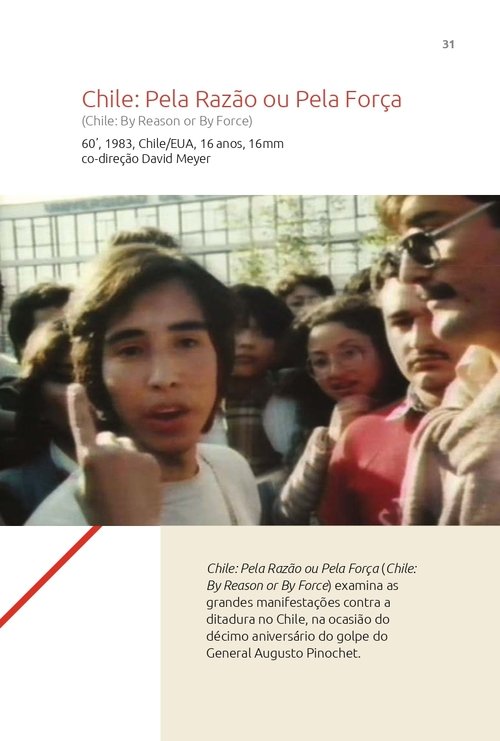
No description available.
Chile: By Reason or By Force

On screen, a bride gets ready for her wedding day. Off screen, middle-class young women from Rio de Janeiro share their experiences and impressions concerning virginity, marriage, sex and politics.
The Interview
No description available.
The Brazilian Connection
No description available.
The Forbidden Land
Talking about abortion in Brazil is still taboo, however, in recent years, protesters have protested against criminalization laws and highlighted the need to debate the subject.
Meu Corpo, Minha Vida
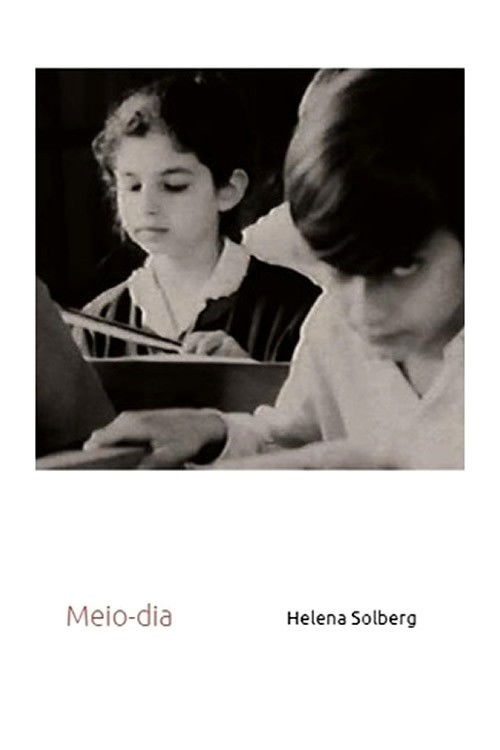
A group of school students sets up a rebellion that threatens to kill their teacher.
Noon
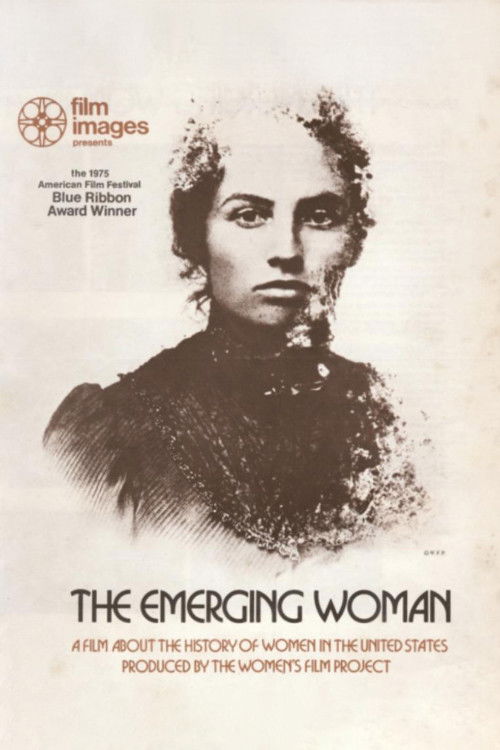
Using archival photographs, historical footage, and illustrations, this documentary traces the evolution of the feminist movement in the United States from the eighteenth century to the rise of modern women’s liberation.