Marceline Loridan-Ivens
Directing
Biography
Marceline Loridan-Ivens (née Rozenberg; 19 March 1928 – 18 September 2018) was a French writer and film director. Her memoir But You Did Not Come Back details her time in Auschwitz-Birkenau. She was married to Joris Ivens. Marceline Rozenberg was born to Polish Jewish parents who emigrated to France in 1919. At the beginning of World War II, her family settled in Vaucluse, where she joined the French Resistance. She and her father, Szlama, were captured by the Gestapo and deported to Auschwitz-Birkenau by Convoy 71 on 13 April 1944, along with Simone Veil and Anne-Lise Stern, then to Bergen-Belsen, and eventually to Theresienstadt. The camp was liberated on 10 May 1945 by the Red Army. She married Francis Loridan, an engineer. Years later they divorced, but she was allowed to keep his surname. She joined the French Communist Party in 1955 and left it a year later. She then encountered "deviationists", such as Henri Lefebvre and Edgar Morin, wrote manuscripts for intellectuals, worked in the reprographic service of a polling institute, was bag carrier for the Algerian National Liberation Front and frequented Saint-Germain-des-Prés. In 1961, Edgar Morin cast her in the film Chronique d'un été, thus making her film debut. In 1963, she met and married the documentary director Joris Ivens. She assisted him in his work and co-directed some of his films, including 17th Parallel: Vietnam in War (1968). They left together for Vietnam, where they met Ho Chi Minh. From 1972 to 1976, during the Cultural Revolution, Joris Ivens and Marceline Loridan worked in China and directed How Yukong Moved the Mountains, a series of 12 films. Criticized by Jiang Qing, they had to quickly leave China. Loridan-Ivens gave lectures and testimonies in colleges and high schools on the Holocaust.

Known For

No description available.
Reflets de Cannes

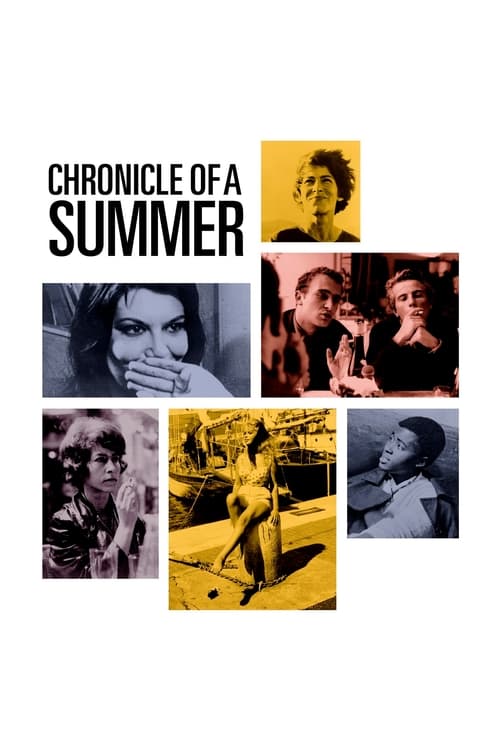
Paris, summer 1960. Anthropologist and filmmaker Jean Rouch and sociologist and film critic Edgar Morin wander through the crowded streets asking passersby how they cope with life's misfortunes.
Chronicle of a Summer

No description available.
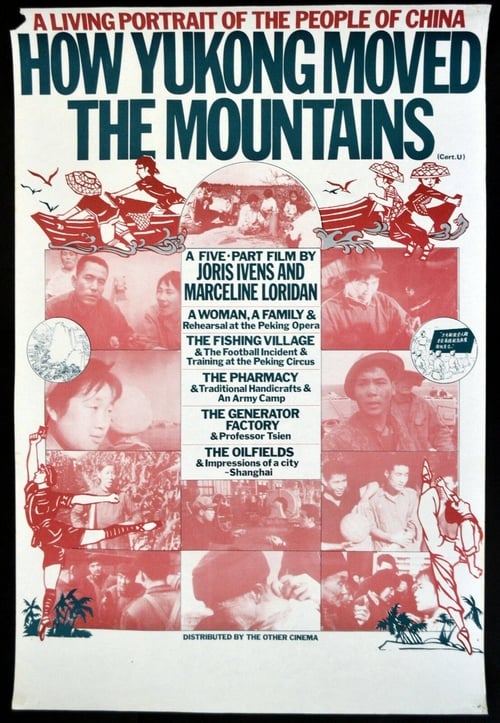
Comment Yukong déplaça les montagnes

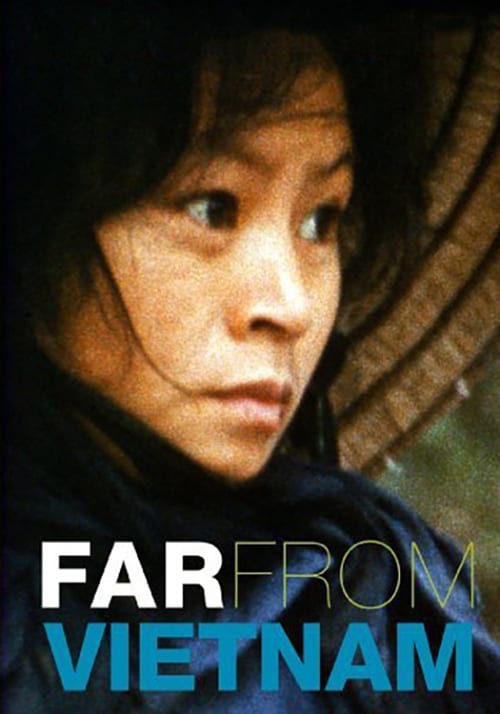
In seven different parts, Godard, Ivens, Klein, Lelouch, Marker, Resnais, and Varda show their sympathy for the North-Vietnamese army during the Vietnam War.
Far from Vietnam

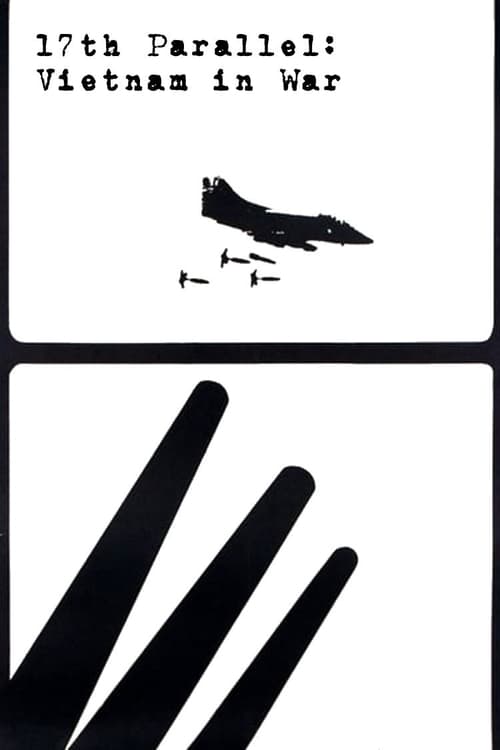
On the border of North and South Vietnam, civilians live underground and cultivate their land in the dead of night, farmers take up arms, and bombs fall like clockwork. Joris Ivens and Marceline Loridan’s record of daily life in one of the most volatile regions of a war-torn, divided country is both a hazardous piece of first-hand journalism and a shattering work in its own right, simmering with barely repressed anger.
The 17th Parallel

From 1972 until 1974, Joris Ivens and Marceline Loridan, along with a Chinese film crew, documented the last days of the Cultural Revolution, marking the end of an era. The vast amount of footage they shot was edited into 14 films of varying lengths. Focusing on ordinary people spread over a wide geographic area—many of whom were living and working in collectives—the filmmakers recorded a unique moment in history, and also captured some of the more enduring aspects of Chinese culture.
How Yukong Moved the Mountains

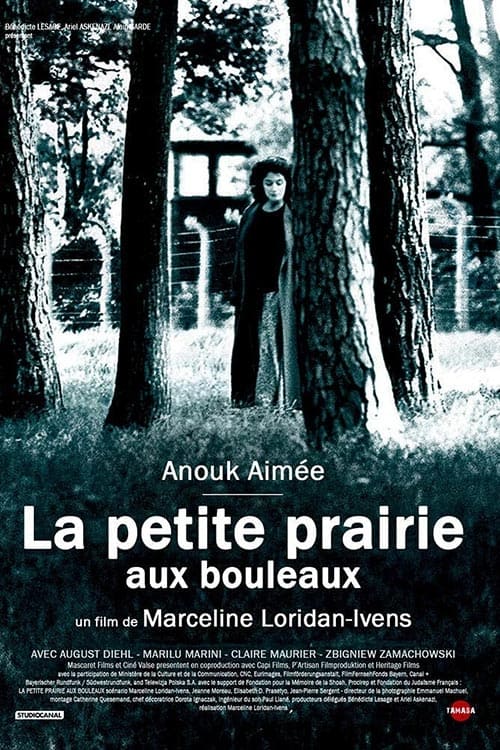
Myriam, a survivor of the concentration camp at Auschwitz, is a filmmaker and journalist who has spent many years living abroad. She takes part in a memorial event at the town hall in Paris commemorating the liberation of the camp, where she wins a flight to Cracow. At first she refuses to accept the prize, then decides to go.
The Birch-Tree Meadow

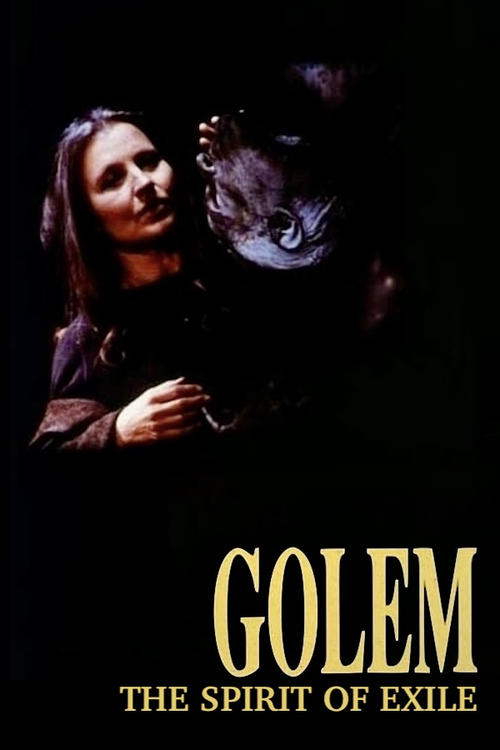
An allegory of the Golem, a Jewish mythical creature personifying displacement and exile, this film tells the story of a woman (similar to the biblical Ruth) and her sisters, who are forced into exile after the death of their husbands. It is set in 1990s Paris, where the director was living in self-imposed exile following the ban on his 1982 documentary in Israel. The recurring theme of the film is migrations and unrooting, like the legendary Golem.
Golem, the Spirit of Exile

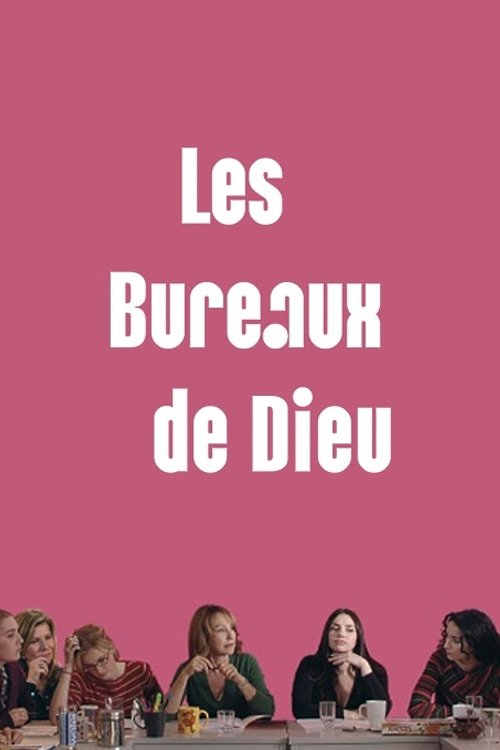
A realist dramedy about dedicated social workers who devote their long shifts to helping pregnant women.
God's Offices

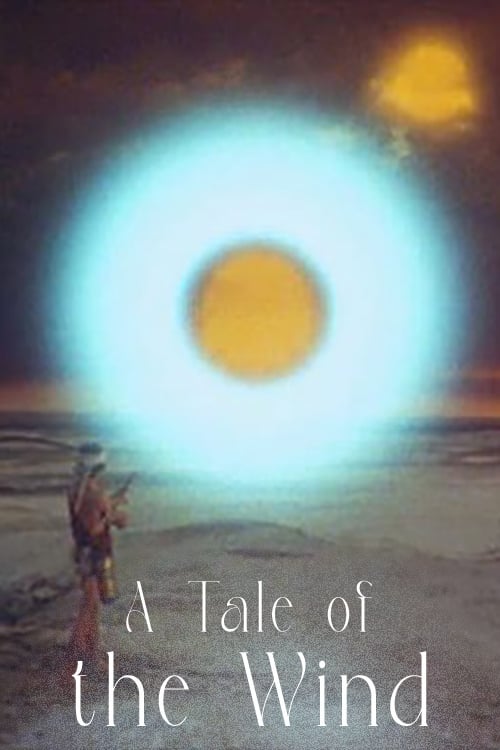
It is an autobiographical fiction starring Ivens as an old man who has spent his life trying to "tame the wind and harness the sea" by capturing them on film.
A Tale of the Wind

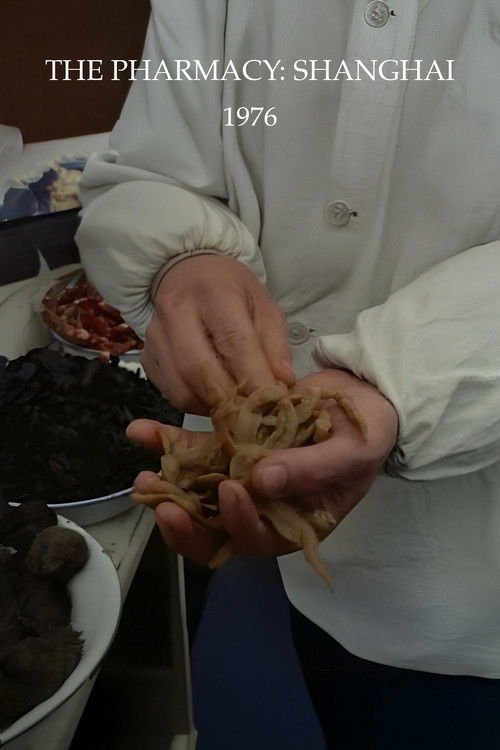
Filmed inside Pharmacy No. 3 in Shanghai, Joris Ivens and Marceline Loridan-Ivens document the daily work of a state pharmacy that functions as both a dispensary and a neighborhood medical center. The film focuses on routine interactions between staff and patients, revealing an integrated model of urban healthcare in 1970s China.
The Pharmacy: Shanghai

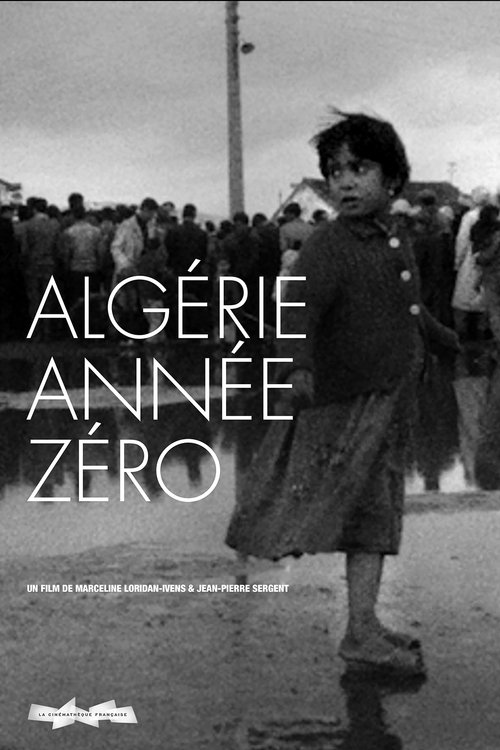
Documentary on the beginnings of Algerian independence filmed during the summer of 1962 in Algiers. The film was banned in France and Algeria but won the Grand Prize at the Leipzig International Film Festival in 1965. Out of friendship, the production company Images de France sent an operator, Bruno Muel, who later declared: "For those who were called to Algeria (for me, 1956-58), participating in a film on independence was a victory over horror, lies and absurdity. It was also the beginning of my commitment to the cinema."
Algeria, Year Zero

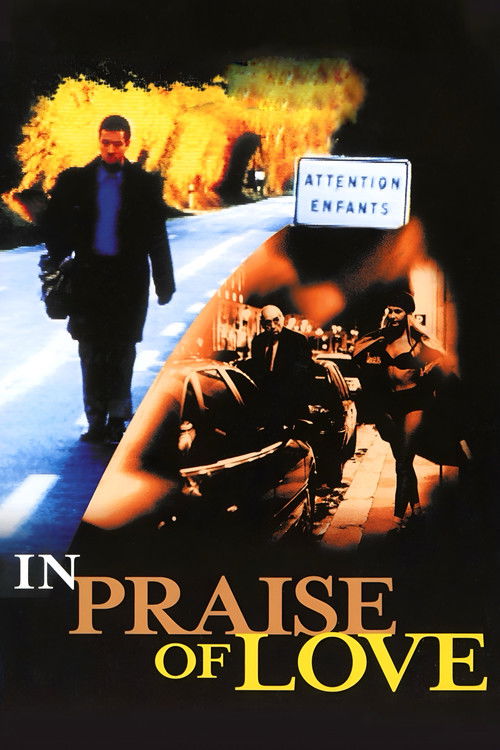
Someone we hear talking - but whom we do not see - speaks of a project which describes the four key moments of love: meeting, physical passion, arguments/separation and making up. This project is to be told through three couples: young, adult and old. We do not know if the project is for a play, a film, a novel or an opera. The author of the project is always accompanied by a kind of servant. Meanwhile, two years earlier, an American civil servant meets with an elderly French couple who had fought in the Resistance during World War II, brokering a deal with a Hollywood director to buy the rights to tell their story. The members of the old couple's family discuss heatedly questions of nation, memory and history.
In Praise of Love

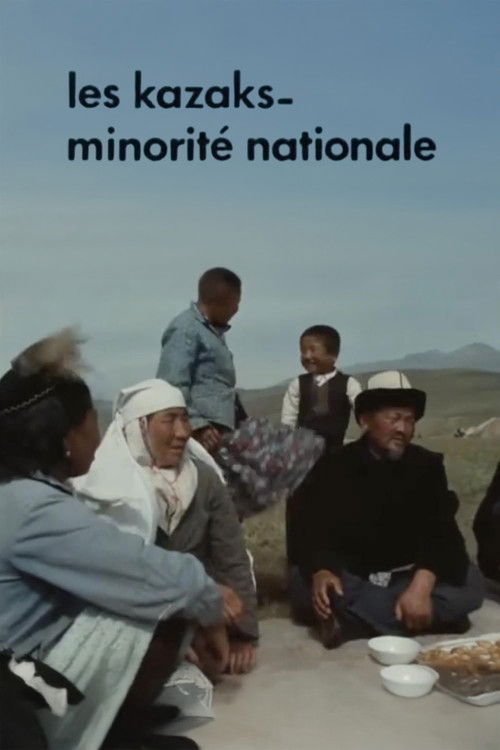
This documentary examines the lives of the Kazakh ethnic minority in western China at the end of the Cultural Revolution. Directed by Joris Ivens and Marceline Loridan-Ivens, the film observes everyday life, work, and cultural traditions within a region shaped by political and social transition.
The Kazakhs

A César award winning documentary about a high school in Beijing where a student throws a ball in the direction of the teacher who had just asked them to stop playing. The class then meets to discuss this problem.
The Football Incident

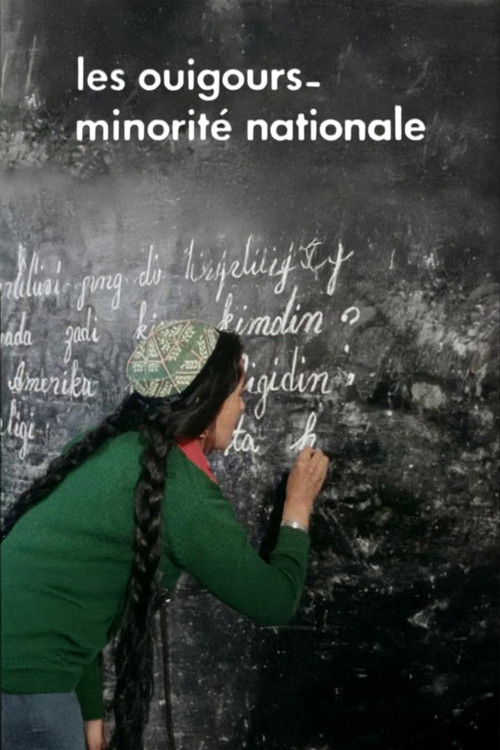
Filmed in western China in the late 1970s, this documentary portrays the Uyghur people, a Turkic-speaking Muslim minority living in the Xinjiang region. Directed by Joris Ivens and Marceline Loridan-Ivens, the film documents daily life and cultural practices during the closing years of the Cultural Revolution, situating Uyghur identity within the broader political and social framework of the People’s Republic of China.
The Uyghurs

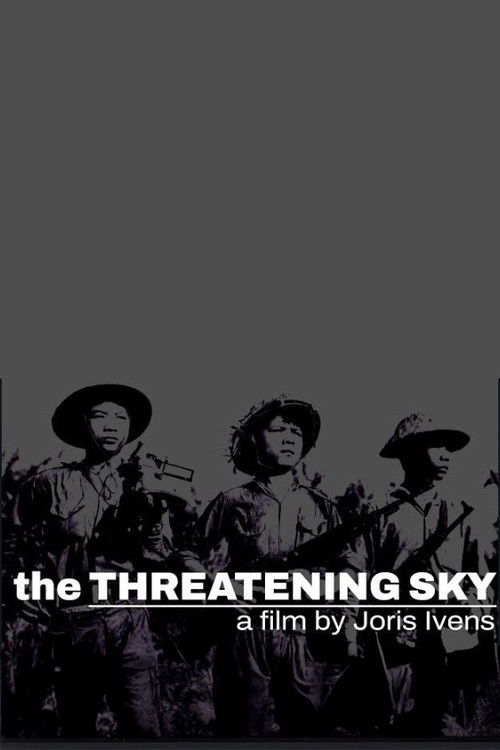
This documentary presents the Vietnam War as seen from within Vietnam, focusing on civilian life, industrial and agricultural labor, and organized resistance under sustained aerial bombardment. Introduced by Bertrand Russell, the film situates the conflict within a broader history of anti-occupation struggles, drawing parallels to World War II resistance movements. Footage includes interviews with Vietnamese leaders, scenes of air defense, and mass political mobilization.
The Threatening Sky
The untold story of a world-renowned place of remembrance of the Holocaust in France, the internment camp of Drancy, which was the central transit for the near totality of the 76 000 deported Jews of France during World War II.
Drancy 1941–1944, the Internment Camp Next Door

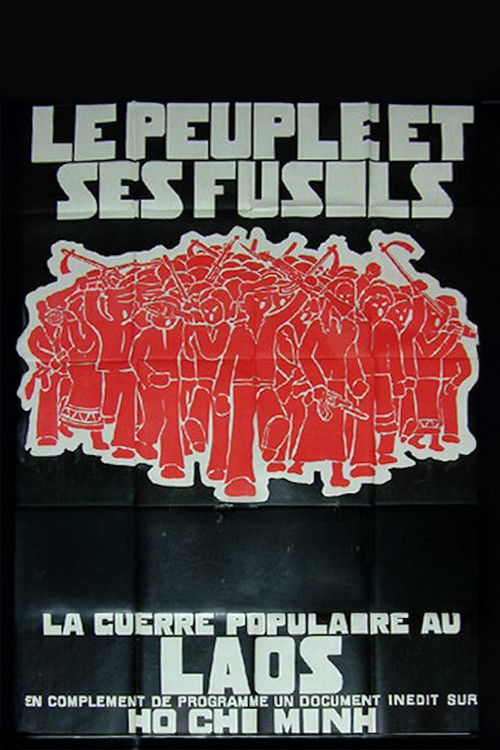
Filmed in Laos in 1968, this four-part documentary examines the armed struggle against foreign intervention during the Indochina conflicts. The film focuses on the relationship between the population and guerrilla forces engaged in the war.
The People and Their Guns

A seventy-five-minute documentary featuring outtakes from "Chronicle of a Summer" (1961), along with new interviews with co-director Edgar Morin and some of the film’s participants.