FEEL IT.STREAM
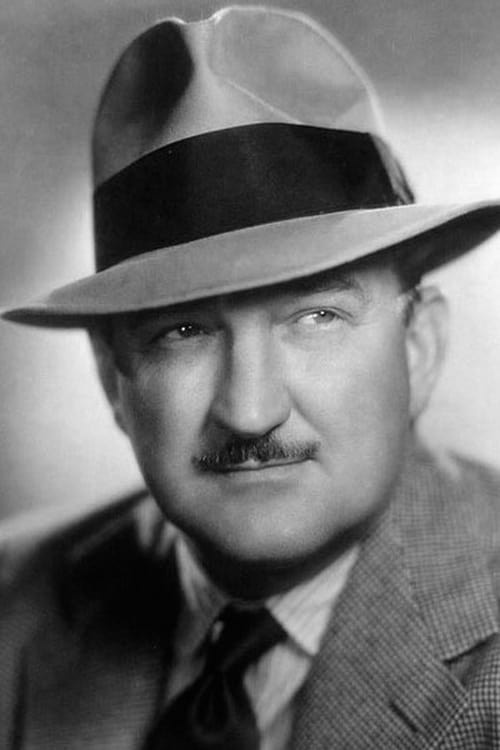
William A. Seiter

William A. Seiter

Directing

Biography

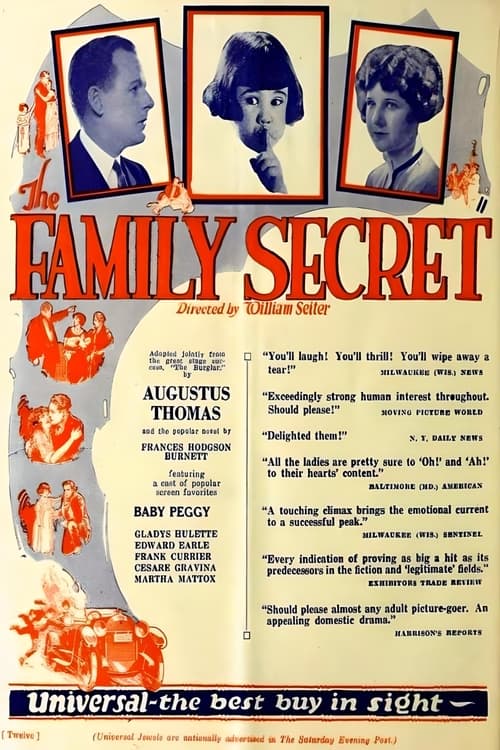
From Wikipedia, the free encyclopedia William A. Seiter (June 10, 1890 - July 26, 1964) was an American film director. He was born in New York City. After attending Hudson River Military Academy, Seiter broke into films in 1915 as a bit player at Mack Sennett's Keystone Studios, doubling a cowboy. He graduated to director in 1918. At Universal Studios in the mid-1920s, Seiter was principal director of the popular Reginald Denny vehicles, most of which co-starred Seiter's then wife Laura La Plante (his second wife was actress Marian Nixon). This period also included The Beautiful and Damned and The Family Secret. In the early talkie era, Seiter helped nurture the talents of RKO's comedy duo Wheeler & Woolsey in such rollicking features as Caught Plastered (1931) and Diplomaniacs (1933). He also directed the Laurel and Hardy feature Sons of the Desert (1933), their only film together. Other films include Sunny, Going Wild, Kiss Me Again, Hot Saturday, Way Back Home, Girl Crazy, Rafter Romance, Roberta, Room Service, Susannah of the Mounties, Allegheny Uprising, You Were Never Lovelier, Up in Central Park, and One Touch of Venus. Among the many stars directed by Seiter during his long career were Shirley Temple, Fred Astaire, Ginger Rogers, Henry Fonda, Margaret Sullavan, Jack Haley, Deanna Durbin, Jean Arthur, John Wayne, Fred MacMurray, Lucille Ball, Rita Hayworth and the Marx Brothers. While many of his films were minor gems, Seiter was capable of turning out bad movies once in a while. For example, if he ran into friction from his star—as was the case with Lou Costello in 1946's Little Giant -- Seiter would get even by adhering religiously to the script, refusing to add any nuance or creativity to the project (this pettiness may have been the reason that one prominent actress of the 1930s referred to Seiter as the most unimaginative director she'd ever worked with). On his final four films, before he retired in 1954, Seiter functioned as both producer and director. These films included The Lady Wants Mink (1953), a gentle satire of the then topical "raise your own coat" craze. He died in Beverly Hills, California, of a heart attack, aged 74.
Known For

No image
6.8

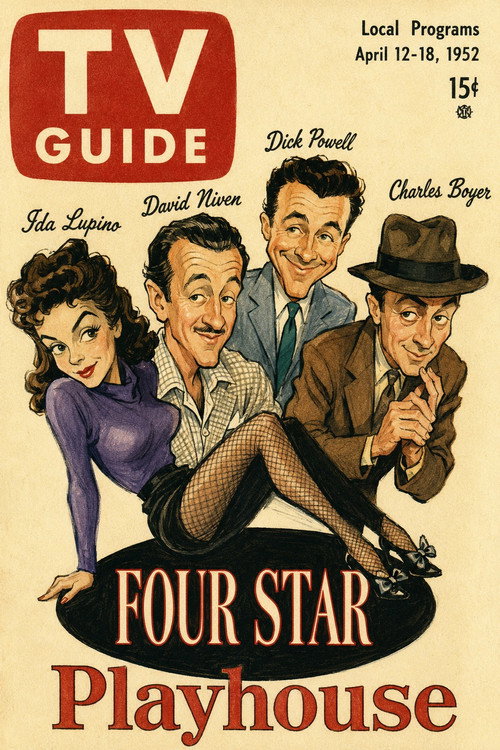
Four Star Playhouse is an American television anthology series that ran from 1952 to 1956, sponsored in its first bi-weekly season by The Singer Company; Bristol-Myers became an alternate sponsor when it became a weekly series in the fall of 1953. The original premise was that Charles Boyer, Ida Lupino, David Niven, and Dick Powell would take turns starring in episodes. However, several other performers took the lead from time to time, including Ronald Colman and Joan Fontaine. Blake Edwards was among the writers and directors who contributed to the series. Edwards created the recurring character of illegal gambling house operator Willie Dante for Dick Powell to play on this series. The character was later revamped and spun off in his own series starring Howard Duff, then-husband of Lupino. The pilot for Meet McGraw, starring Frank Lovejoy, aired here, as did another episode in which Lovejoy recreated his role of Chicago newspaper reporter Randy Stone, from the radio drama Nightbeat.

Four Star Playhouse

1952
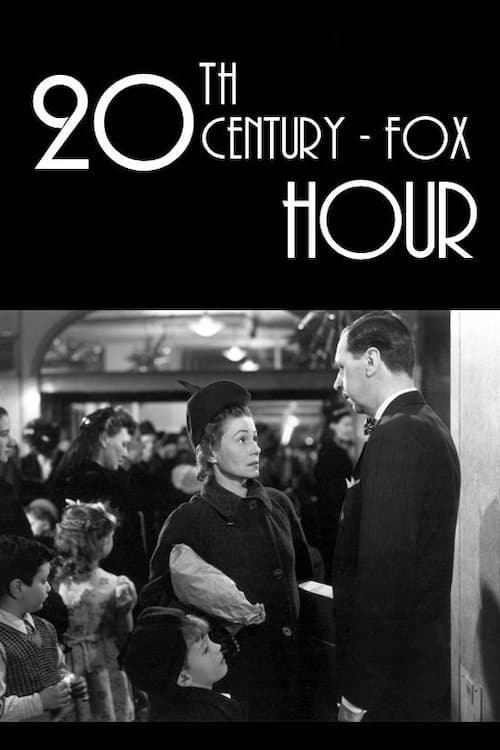
The 20th Century Fox Hour
6.0

The 20th Century Fox Hour is an American drama anthology series televised in the United States on CBS from 1955 to 1957. Some of the shows in this series were restored, remastered and shown on the Fox Movie Channel in 2002 under the title Hour of Stars. The season one episode Overnight Haul, starring Richard Conte and Lizabeth Scott, was released in Australia as a feature film.

The 20th Century Fox Hour

1955
The Millionaire
5.8

An anthology series that explored the ways sudden and unexpected wealth changed life for better or for worse. It told the stories of people who were given one million dollars from a benefactor who insisted they never know him, with one exception.

The Millionaire

1955
Cavalcade of America
4.6

Cavalcade of America is an anthology drama series that was sponsored by the DuPont Company, although it occasionally presented a musical, such as an adaptation of Show Boat, and condensed biographies of popular composers. It was initially broadcast on radio from 1935 to 1953, and later on television from 1952 to 1957. Originally on CBS, the series pioneered the use of anthology drama for company audio advertising. Cavalcade of America documented historical events using stories of individual courage, initiative and achievement, often with feel-good dramatizations of the human spirit's triumph against all odds. This was consistent with DuPont's overall conservative philosophy and legacy as an American company dating back to 1802. The company's motto, "Maker of better things for better living through chemistry," was read at the beginning of each program, and the dramas emphasized humanitarian progress, particularly improvements in the lives of women, often through technological innovation.

Cavalcade of America

1952
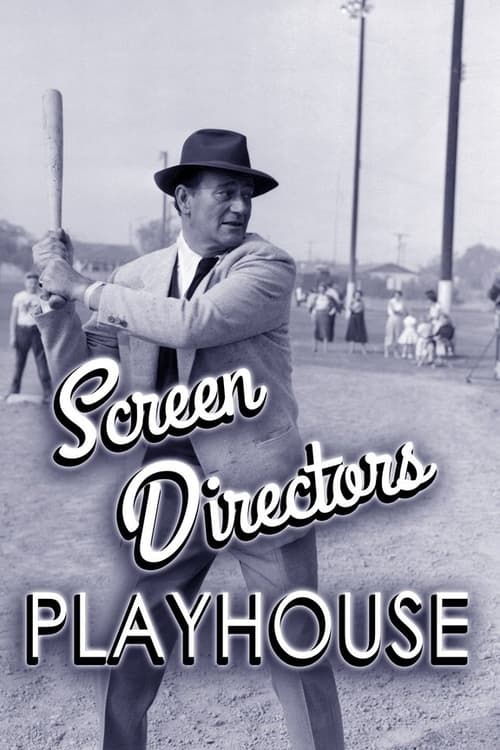
Screen Director's Playhouse
7.0

Presented by Eastman Kodak, this show was a series of original scripts directed by acclaimed directors and featuring well-known performers. The stories ranged from musicals to comedies and dramas.

Screen Director's Playhouse

1955
No image
6.7

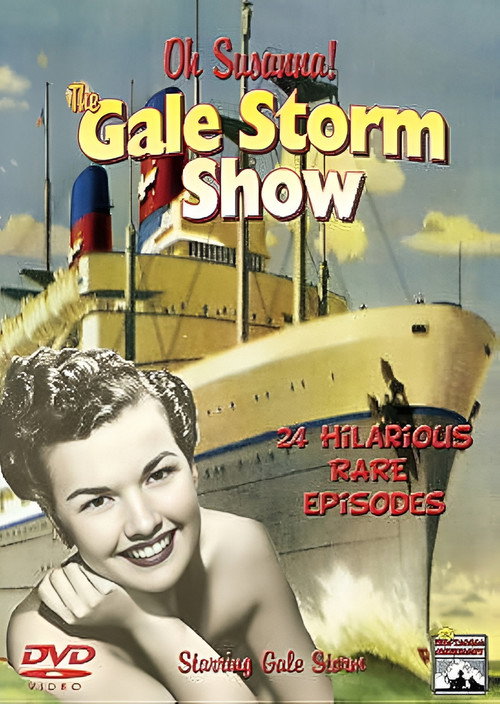
The Gale Storm Show is an American sitcom starring Gale Storm. The series premiered on September 29, 1956, and ran until 1960 for 143 half-hour black-and-white episodes, initially on CBS and in its last year on ABC. The Gale Storm Show was co-produced by Independent Television Corporation and Hal Roach Studios. The series was aired under the title Oh, Susanna in syndication.

The Gale Storm Show

1956
Roberta
7.1

Football player John Kent tags along as Huck Haines and the Wabash Indianians travel to an engagement in Paris, only to lose it immediately. John and company visit his aunt, owner of a posh fashion house run by her assistant, Stephanie. There they meet the singer Scharwenka (alias Huck's old friend Lizzie), who gets the band a job. Meanwhile, Madame Roberta passes away and leaves the business to John and he goes into partnership with Stephanie.

Roberta

1935
In Person
6.8

Carol Corliss, a beautiful movie star so insecure about her celebrity that she goes around in disguise, meets a rugged outdoorsman who is unaffected by her star status.

In Person

1935
Stowaway
6.7

Chin-Ching gets lost in Shanghai and is befriended by American playboy Tommy Randall. She falls asleep in his car which winds up on a ship headed for America. Susan Parker, also on the ship, marries Randall to give Chin-Ching a family.

Stowaway

1936
Back Pay
4.9

Bored with small town life, a woman leaves for the big city and winds up becoming the mistress of a ruthless businessman.

Back Pay

1930
Professional Sweetheart
6.0

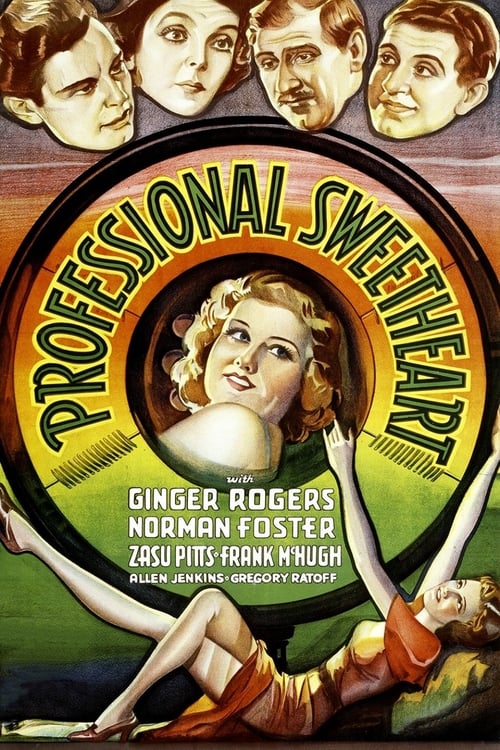
Radio singer Glory Eden is publicized as the ideal of American womanhood in order to sell the sponsor's product Ippsie-Wippsie Washcloths. In reality, Glory would like to at least sample booze, jazz, gambling, and men. When the strain of representing "purity" brings her to rebellion, the sponsor and his nutty henchmen pick her a public-relations "sweetheart" from fan mail, who turns out to be a hayseed.

Professional Sweetheart

1933
Outcast
10.0

Outcast is a 1928 silent film drama produced and distributed by First National Pictures. It was directed by William A. Seiter and stars Corinne Griffith, often considered one of the most beautiful women in film. This story had been filmed in 1917 as The World and the Woman with Jeanne Eagels. In 1922 a Paramount film of the same name with Elsie Ferguson reprising her stage role was released. Both films were based on a 1914 play, Outcast, by Hubert Henry Davies which starred Ferguson. The Seiter/Griffith film was an all silent with Vitaphone music and sound effects. In the sound era, the story was filmed once again as The Girl from 10th Avenue starring Bette Davis.

Outcast

1928
Sons of the Desert
7.1

Ollie and Stan deceive their wives into thinking they are taking a medically necessary cruise when they are really going to a lodge convention.

Sons of the Desert

1933
If I Had a Million
6.6

An elderly business tycoon, believed to be dying, decides to give a million dollars each to eight strangers chosen at random from the phone directory.

If I Had a Million

1932
Destroyer
6.8

Flagwaving story of a new American destroyer, the JOHN PAUL JONES, from the day her keel is laid, to what was very nearly her last voyage. Among the crew, is Steve Boleslavski, a shipyard welder that helped build her, who reenlists, with his old rank of Chief bosuns mate. After failing her sea trials, she is assigned to the mail run, until caught up in a disparate battle with a Japanese sub. After getting torpedoed, and on the verge of sinking, the Captain, and crew hatch a plan to try and save the ship, and destroy the sub.

Destroyer

1943
Appointment for Love
5.8

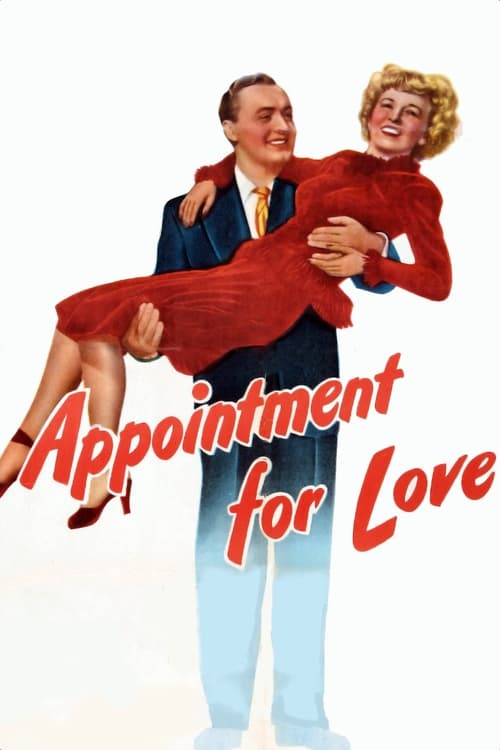
Charming Andre Cassil woos physician Jane Alexander and the two impulsively get married. The honeymoon ends very quickly when Jane voices her progressive views on marriage which include the two having separate apartments. Andre then tries to make his wife jealous in order to lure her into his bedroom.

Appointment for Love

1941
Sunny
6.6

A showgirl falls for a society boy but has to win over his family.

Sunny

1930
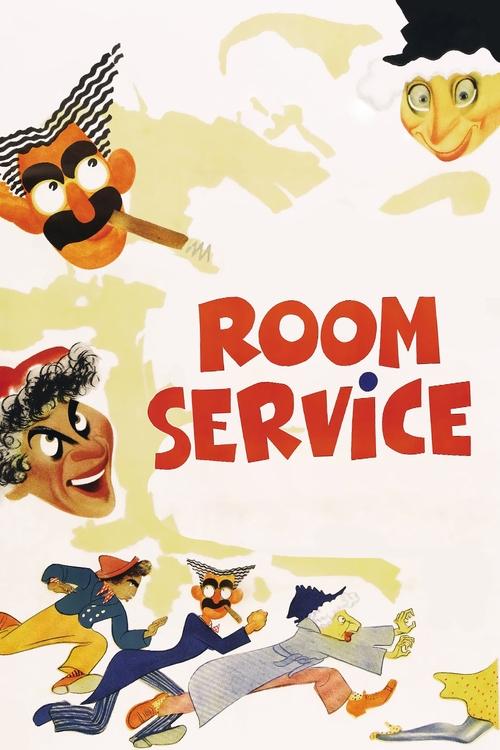
Room Service
6.5

Broke Gordon Miller tries to land a backer for his new play while he has to deal with with the hotel manager trying to evict him and his cast.

Room Service

1938
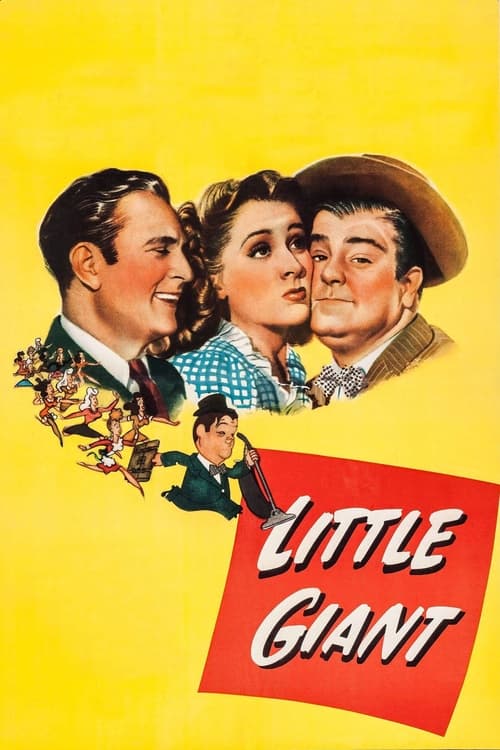
Little Giant
5.2

Lou Costello plays a country bumpkin vacuum-cleaner salesman, working for the company run by the crooked Bud Abbott. To try to keep him under his thumb, Abbott convinces Costello that he's a crackerjack salesman. This comedy is somewhat like "The Time of Their Lives," in that Abbott and Costello don't have much screen time together and there are very few vaudeville bits woven into the plot.

Little Giant

1946
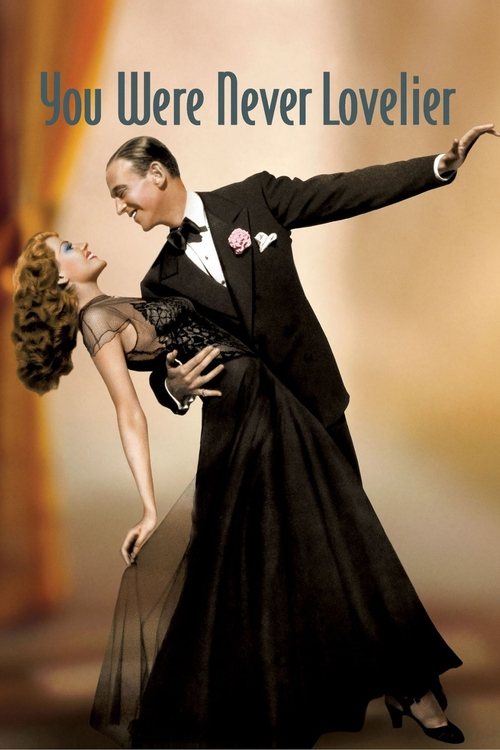
You Were Never Lovelier
7.1

An Argentine heiress thinks a penniless American dancer is her secret admirer.

You Were Never Lovelier

1942