Bob Crane
Acting
Biography
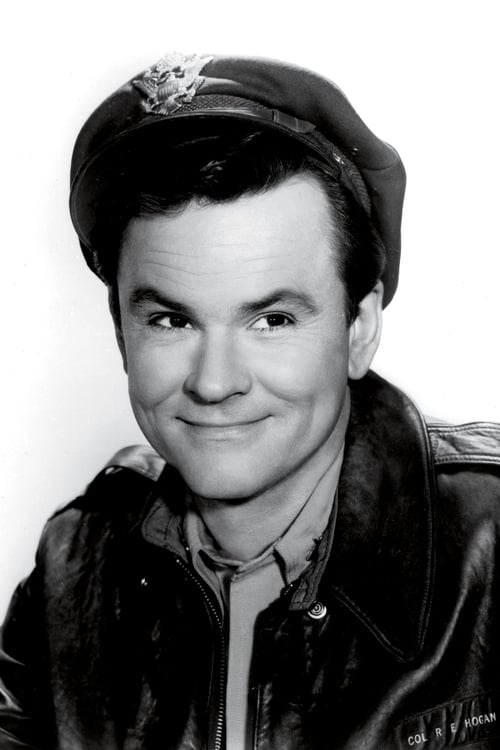
Bob Crane (July 13, 1928 – June 29, 1978) as an American actor, drummer, radio personality, and disc jockey best known for starring as Colonel Robert Hogan in the CBS sitcom Hogan's Heroes from 1965 to 1971. Born Robert Edward Crane in Waterbury, Connecticut, he began drumming at age 11 and started his career in radio in Hornell, New York, before hosting a top-rated morning show in Los Angeles. Crane transitioned to acting in the early 1960s with guest roles on shows like The Twilight Zone, The Dick Van Dyke Show, and The Donna Reed Show, where he played Dr. Dave Kelsey for 62 episodes. His big break came with Hogan's Heroes, earning two Emmy nominations for Outstanding Lead Actor in a Comedy Series in 1966 and 1967. Post-Hogan's Heroes, Crane appeared in films like Superdad (1973) and Gus (1976), guest-starred on shows such as Police Woman and The Love Boat, and briefly led The Bob Crane Show in 1975. He was found murdered on June 29, 1978, in Scottsdale, Arizona, in an unsolved case involving blunt force trauma.
Known For

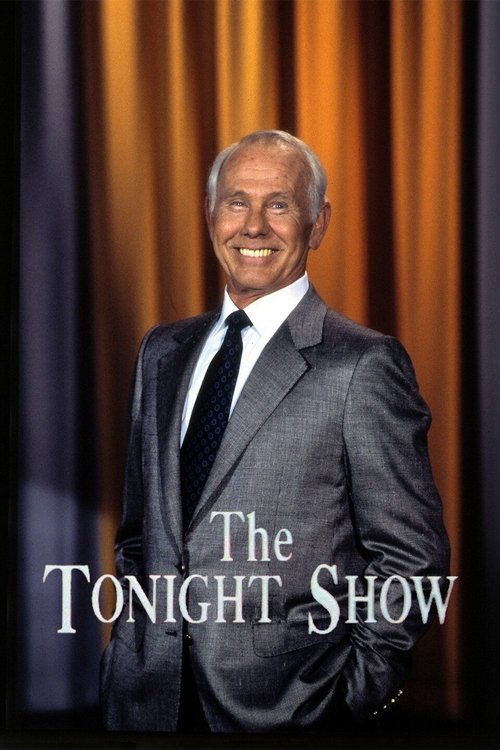
The Tonight Show Starring Johnny Carson is a talk show hosted by Johnny Carson under The Tonight Show franchise from 1962 to 1992. It originally aired during late-night. For its first ten years, Carson's Tonight Show was based in New York City with occasional trips to Burbank, California; in May 1972, the show moved permanently to Burbank, California. In 2002, The Tonight Show Starring Johnny Carson was ranked #12 on TV Guide's 50 Greatest TV Shows of All Time.
The Tonight Show Starring Johnny Carson

The Mike Douglas Show is an American daytime television talk show hosted by Mike Douglas that originally aired only in the Cleveland area during much of its first two years on the air. It then went into syndication in 1963 and remained on television until 1982. It was distributed by Westinghouse Broadcasting and for much of its run, originated from studios of two of the company's TV stations in Cleveland and Philadelphia.
The Mike Douglas Show

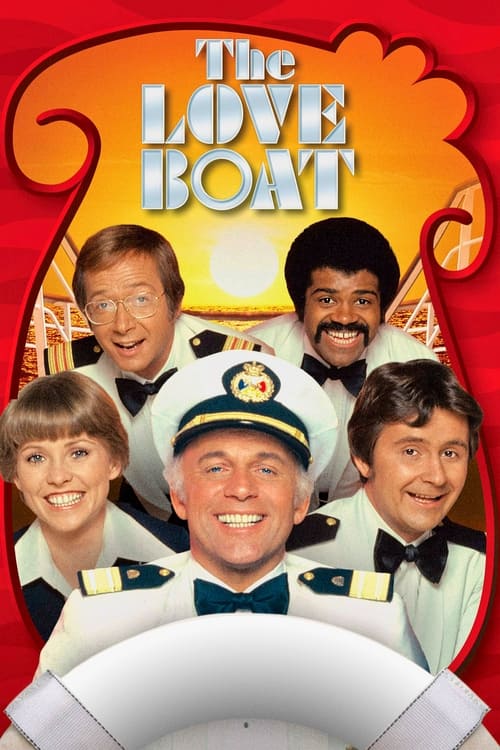
Passengers who search for romantic nights aboard a beautiful ship travelling to tropical or mysterious countries, decide to pass their vacation aboard the "Love Boat", where Gopher, Dr. Bricker, Isaac, Julie, and Captain Stubing try their best to please them, and sometimes help them fall in love. Things are not always so easy, but in the end, love wins.
The Love Boat

An anthology comedy series featuring a line up of different celebrity guest stars appearing in anywhere from one, two, three, and four short stories or vignettes within an hour about versions of love and romance.
Love, American Style

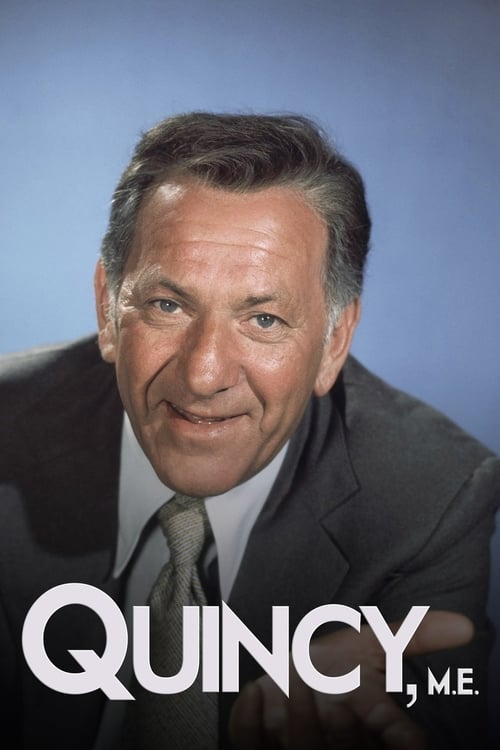
Los Angeles County medical examiner Quincy routinely engages in police investigations.
Quincy, M.E.

No description available.
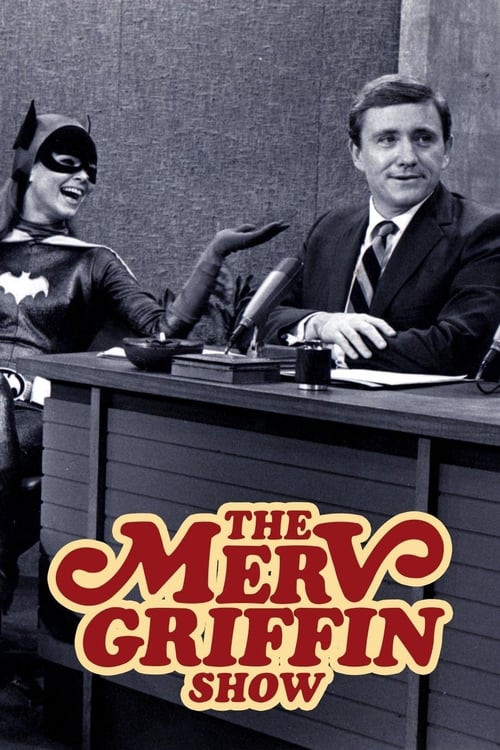
The Merv Griffin Show

An anthology series containing drama, psychological thriller, fantasy, science fiction, suspense, and/or horror, often concluding with a macabre or unexpected twist.
The Twilight Zone

A continuation of the anthology series “Alfred Hitchcock Presents”, hosted by the master of suspense and featuring thrillers and mysteries.
The Alfred Hitchcock Hour

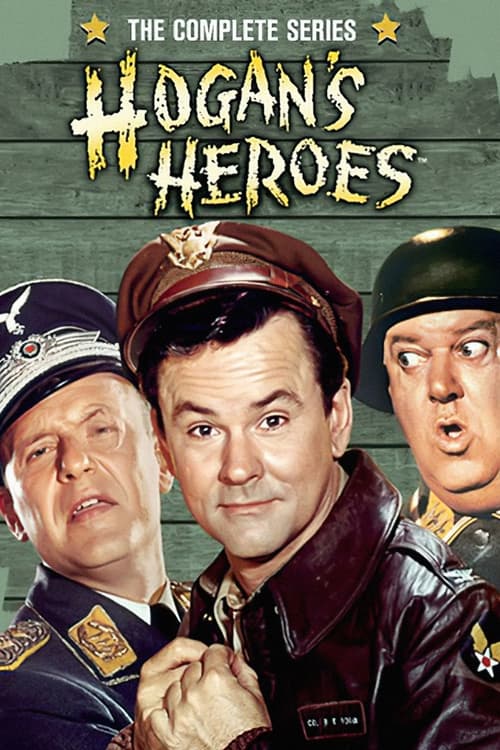
Hogan's Heroes is an American television sitcom that ran for 168 episodes from September 17, 1965, to July 4, 1971, on the CBS network. The show was set in a German prisoner of war camp during World War II. Bob Crane starred as Colonel Robert E. Hogan, coordinating an international crew of Allied prisoners running a Special Operations group from the camp. Werner Klemperer played Colonel Wilhelm Klink, the commandant of the camp, and John Banner was the inept sergeant-of-the-guard, Hans Schultz. The series was popular during its six-season run. In 2013, creators Bernard Fein through his estate and Albert S. Ruddy acquired the sequel and other separate rights to Hogan's Heroes from Mark Cuban through arbitration and a movie based on the show has been planned.
Hogan's Heroes

Revolves around typical family problems, such as firing a clumsy housekeeper, throwing a retirement bash for a colleague, and finding quality time away from the children.
The Donna Reed Show

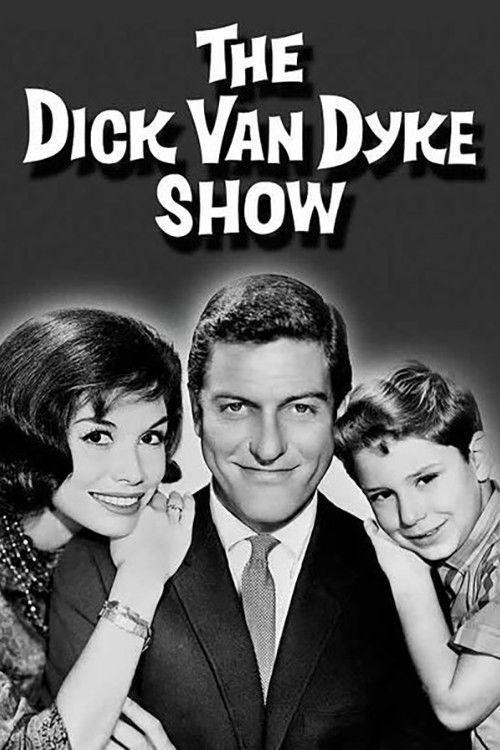
The Dick Van Dyke Show centers around the work and home life of television comedy writer Rob Petrie. The plots generally revolve around problems at work, where Rob got into various comedic jams with fellow writers Buddy Sorrell, Sally Rogers and producer Mel Cooley.
The Dick Van Dyke Show

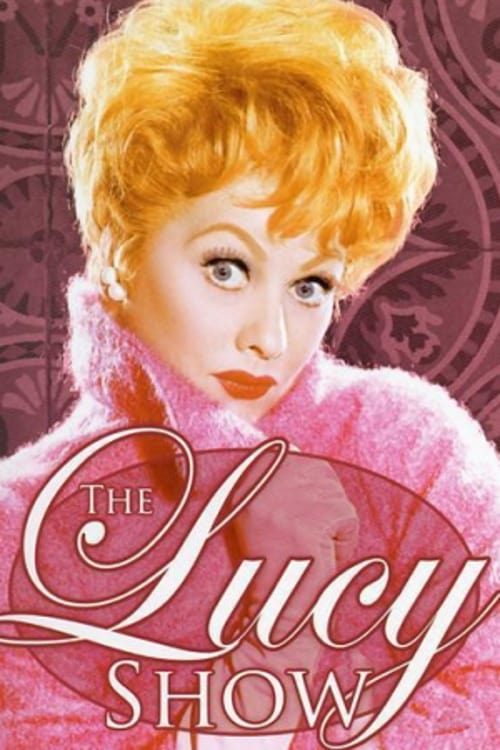
The Lucy Show is an American sitcom that aired on CBS from 1962–68. It was Lucille Ball's follow-up to I Love Lucy. A significant change in cast and premise for the 1965–66 season divides the program into two distinct eras; aside from Ball, only Gale Gordon, who joined the program for its second season, remained. For the first three seasons, Vivian Vance was the co-star. The earliest scripts were entitled The Lucille Ball Show, but when this title was declined, producers thought of calling the show This Is Lucy or The New Adventures of Lucy, before deciding on the title The Lucy Show. Ball won consecutive Emmy Awards as Outstanding Lead Actress in a Comedy Series for the series' final two seasons, 1966–67 and 1967–68.
The Lucy Show

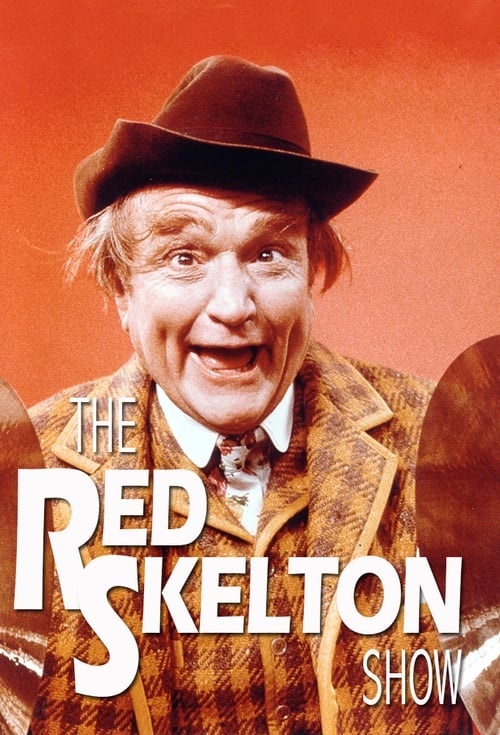
The Red Skelton Show is an American variety show that was a television staple for two decades, from 1951 to 1971. It was second to Gunsmoke and third to The Ed Sullivan Show in the ratings during that time. Skelton, who had previously been a radio star, had appeared in several motion pictures as well. Although his television series is largely associated with CBS, where it appeared for more than fifteen years, it actually began and ended on NBC. During its run, the program received three Emmy Awards, for Skelton as best comedian and the program as best comedy show during its initial season, and an award for comedy writing in 1961.
The Red Skelton Show

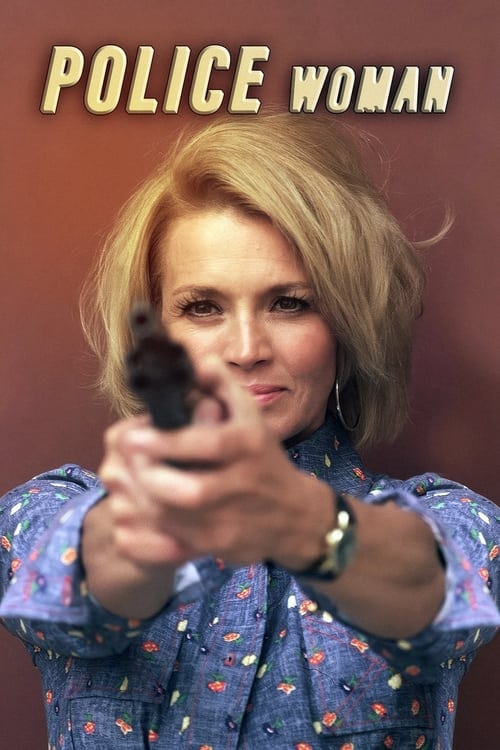
Sergeant “Pepper"” Anderson, an undercover cop for the Criminal Conspiracy Unit of the Los Angeles Police Department, poses undercover from mob girl to prostitute.
Police Woman

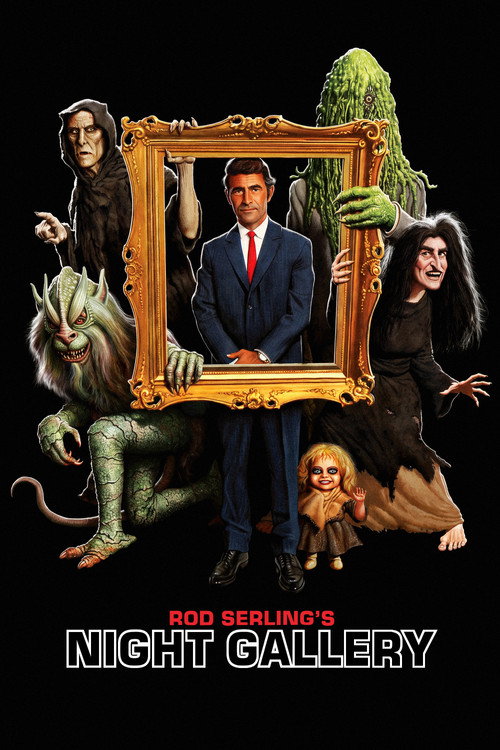
Rod Serling narrates an anthology of fantasy, horror and sci-fi stories from a set resembling a macabre museum. A chilling work of art serves as the connective link between the stories.
Night Gallery

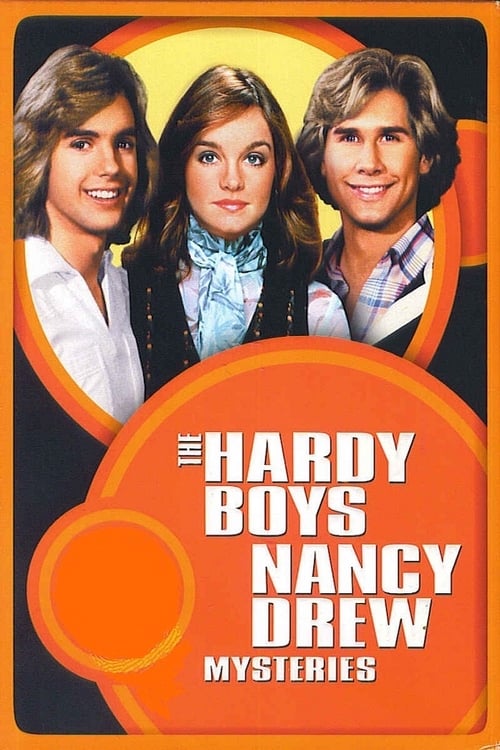
The Hardy Boys/Nancy Drew Mysteries is a television series which aired for three seasons on ABC. The series starred Parker Stevenson and Shaun Cassidy as amateur sleuth brothers Frank and Joe Hardy, respectively, and Pamela Sue Martin as girl detective Nancy Drew. The Hardy Boys/Nancy Drew Mysteries was unusual in that it often dealt with the characters individually, in an almost anthological style. That is, some episodes featured only the Hardy Boys and others only Nancy Drew.
The Hardy Boys / Nancy Drew Mysteries

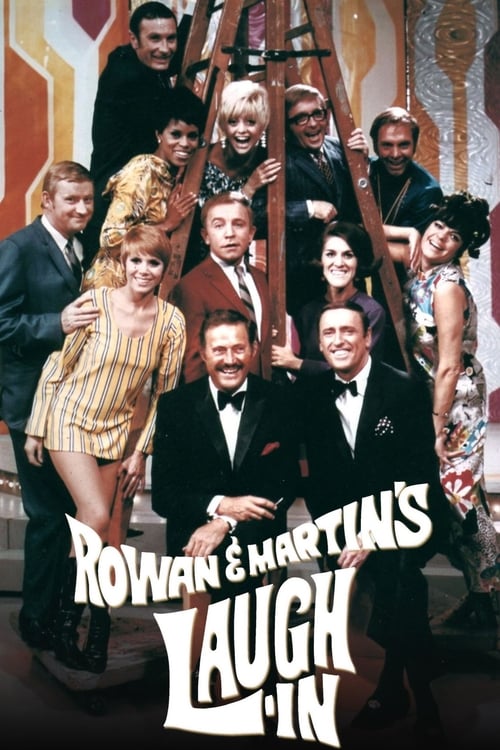
An American sketch comedy television program hosted by comedians Dan Rowan and Dick Martin.
Rowan & Martin's Laugh-In

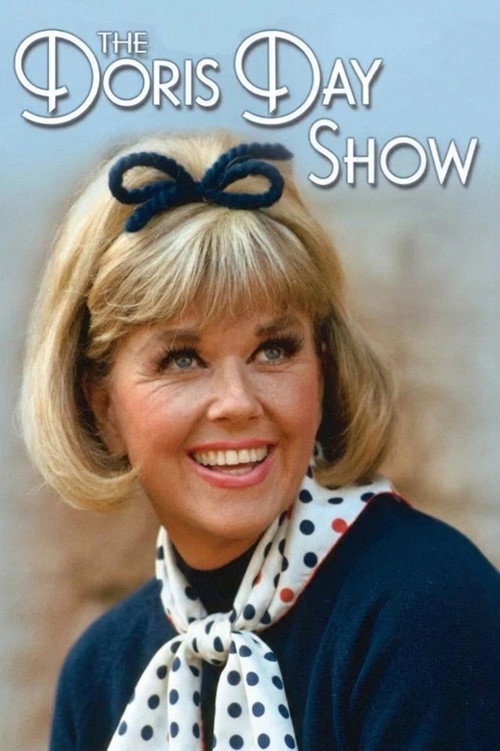
The Doris Day Show is an American sitcom that was originally broadcast on the CBS network from September 1968 until March 1973, remaining on the air for five seasons and 128 episodes. In addition to showcasing Doris Day, the show is remembered for its many abrupt format changes over the course of its five-year run. It is also remembered for Day's statement, in her autobiography Doris Day: Her Own Story, that her husband Martin Melcher had signed her to do the TV series without her knowledge, a fact she only discovered when Melcher died of heart disease on April 20, 1968. The TV show premiered on Tuesday, September 24, 1968.
The Doris Day Show

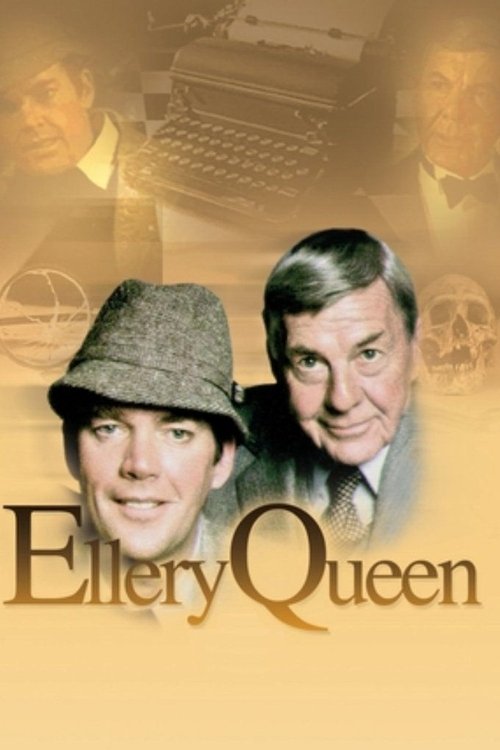
Ellery Queen is an American television detective mystery series based on the fictional character Ellery Queen. It aired on NBC during the 1975-76 television season and stars Jim Hutton as Ellery Queen, David Wayne as his father, Inspector Richard Queen, and Tom Reese as Sgt. Velie. Created by the writing/producing team of Richard Levinson and William Link, the title character "breaks" the fourth wall to ask the audience to consider their solution.
Ellery Queen

The Danny Kaye Show is an American variety show hosted by Danny Kaye that aired on CBS from 1963 to 1967 on Wednesday nights. Directed by Robert Scheerer, the show premiered in black-and-white, but later switched to color broadcasts. At the time, Kaye was at the height of his popularity, having starred in a string of successful films in the 1940s and '50's, made successful personal appearances at such venues as the London Palladium, and appeared many times on television. His most recent films had been considered disappointing, but the television specials he starred in were triumphant, leading to this series. Prior to his television and film career, Kaye had made a name for himself with his own radio show, and numerous other guest appearances on other shows.