Dorothy Arzner
Directing
Biography
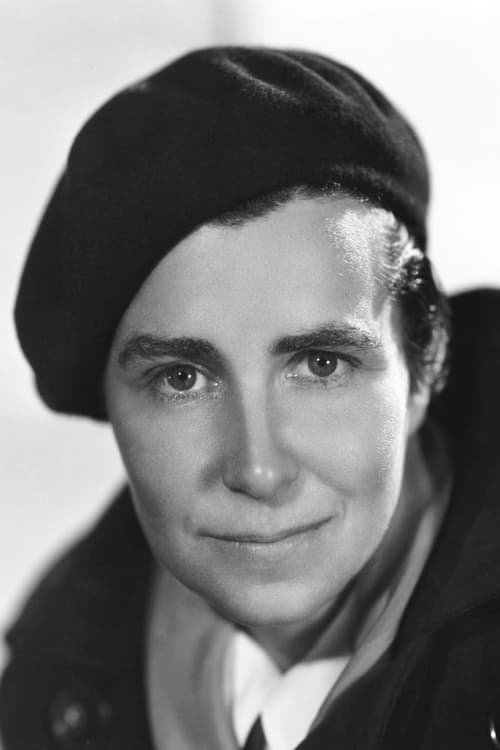
Dorothy Emma Arzner (January 3, 1897 – October 1, 1979) was an American film director whose career in Hollywood spanned from the silent era of the 1920s into the early 1940s. From 1927 until her retirement from feature directing in 1943, Arzner was the only female director working in Hollywood. Additionally, she was one of a very few women able to establish a successful and long career in Hollywood as a film director until the 1970s. Arzner made a total of twenty films between 1927 and 1943 and launched the careers of a number of Hollywood actresses, including Katharine Hepburn, Rosalind Russell, and Lucille Ball. Additionally, Arzner was the first woman to join the Directors Guild of America and the first woman to direct a sound film.
Known For

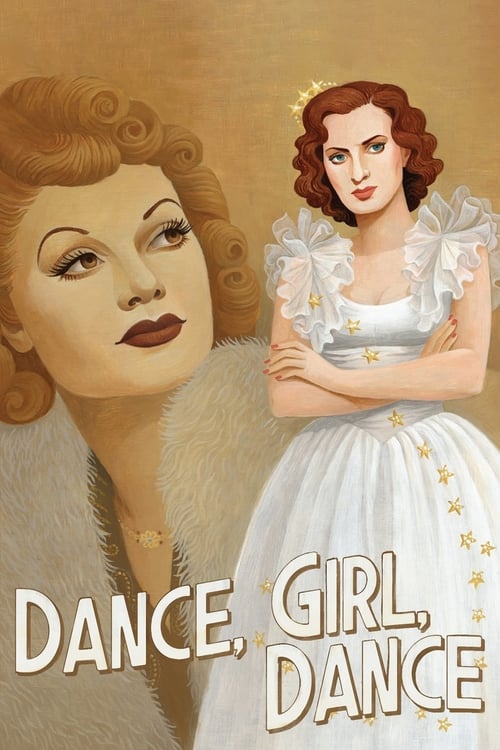
Judy O'Brien is an aspiring ballerina in a dance troupe. Also in the company is Bubbles, a brash mantrap who leaves the struggling troupe for a career in burlesque. When the company disbands, Bubbles gives Judy a thankless job as her stooge. The two eventually clash when both fall for the same man.
Dance, Girl, Dance

A drunken newspaperman, Jerry Corbett, is rescued from his alcoholic haze by an heiress, Joan Prentice, whose love sobers him up and encourages him to write a play, but he lapses back into dipsomania.
Merrily We Go to Hell

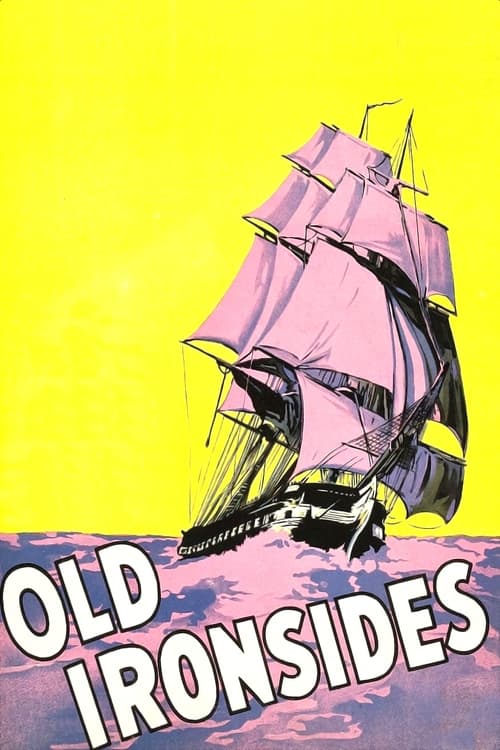
An embellished account of the 1803 expedition by famed frigate U.S.S. Constitution--a.k.a. "Old Ironsides"--against the Barbary pirates then terrorizing American shipping, focusing on the crew and passengers of a fictional merchant ship, The Esther, who fall afoul of the same pirates and thus become involved with the Constitution's mission.
Old Ironsides

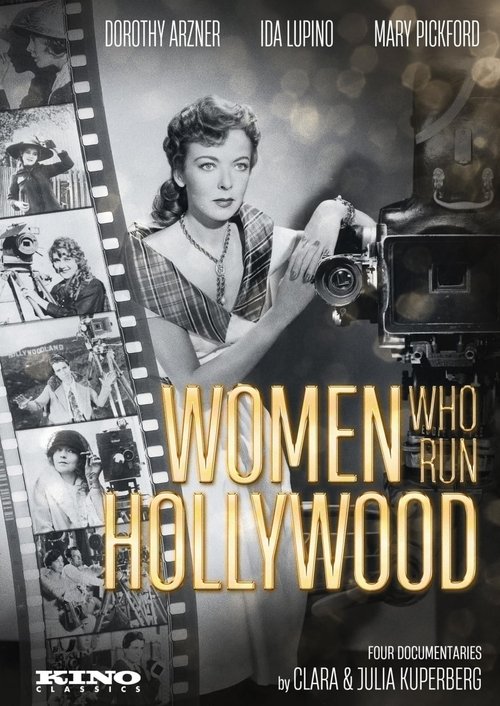
The first talkie was directed by Alice Guy, the first color film was produced by Lois Weber, who directed more than 300 films over 10 years. Frances Marion wrote screenplays for the Hollywood Star Mary Pickford and won two Oscars, Dorothy Arzner was the most powerful film director in Hollywood. And what do all of them have in common? They are all women and they have all been forgotten. Incredibly, it also took until 2010 for the first woman, Kathryn Bigelow, to win the Oscar for Best Director. Even if underrepresented women have always played a big part in Hollywood and it is this part of the film history left untold that this documentary sets out to uncover.
The Women Who Run Hollywood

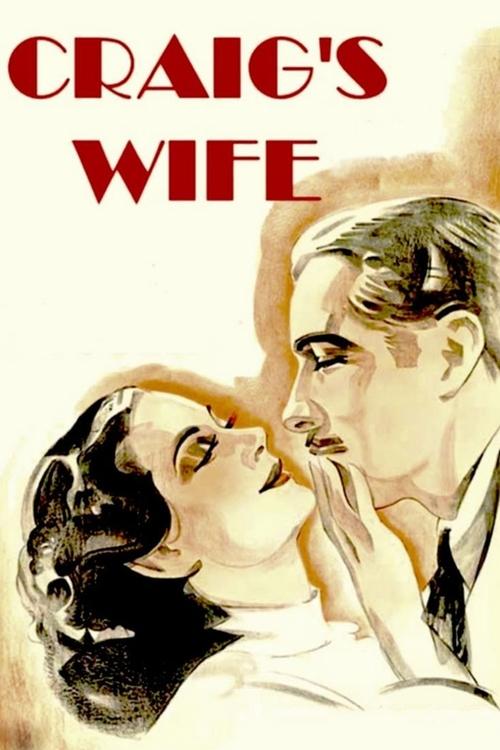
Harriet, Walter Craig's wife, is an upper-class woman obsessed with control, material possessions and social status whose behavior makes difficult her relationship with domestic service and family members.
Craig's Wife

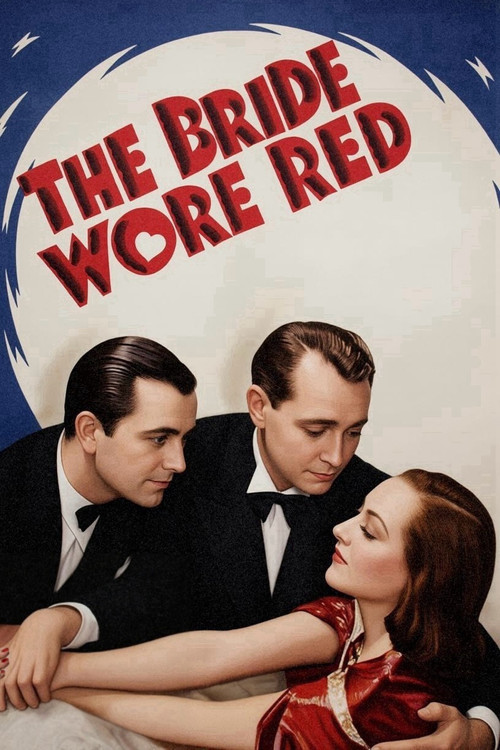
A poor singer in a bar masquerades as a rich society woman thanks to a rich benefactor.
The Bride Wore Red

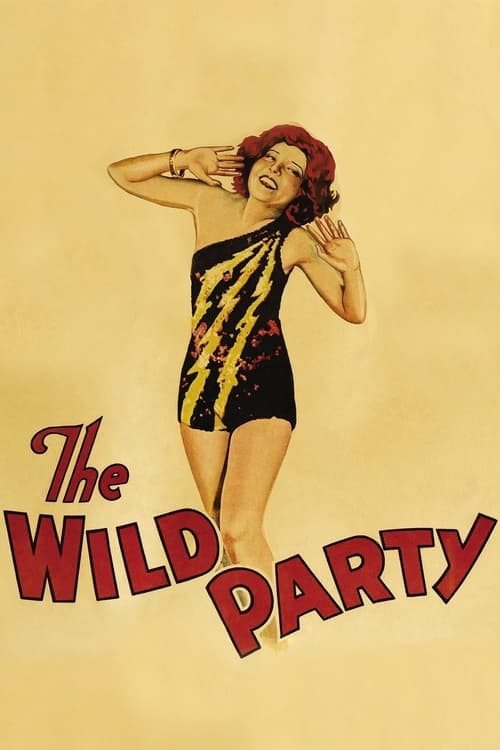
Wild girls at a college pay more attention to parties than their classes. But when one party girl, Stella Ames, goes too far at a local bar and gets in trouble, her professor has to rescue her. Gossip linking the two escalates until Stella proves she is decent by shielding an innocent girl and winning the professor's respect.
The Wild Party

Jerry Stafford falls for his secretary, Julia Traynor, but instead she marries a shady character who causes trouble for both of them.
Honor Among Lovers

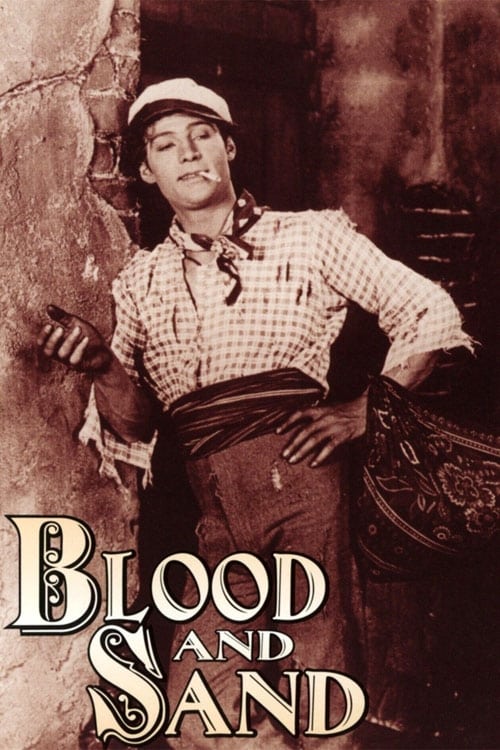
Juan is the son of a poor widow in Seville. Against his mother's wishes he pursues a career as toreador. He rapidly gains national prominence, and takes his childhood sweetheart Carmen as his bride. He meets the Marquis' daughter Doña Sol and finds himself in the awkward position of being in love with two women, which threatens the stability of his family and his position in society. He finds interesting parallels in the life of the infamous bandit Plumitas when they eventually meet by chance.
Blood and Sand

Two wagon caravans converge at what is now Kansas City, and combine for the westward push to Oregon. On their quest the pilgrims will experience desert heat, mountain snow, hunger, and Indian attack. To complicate matters further, a love triangle develops, as pretty Molly must chose between Sam, a brute, and Will, the dashing captain of the other caravan. Can Will overcome the skeleton in his closet and win Molly's heart?
The Covered Wagon

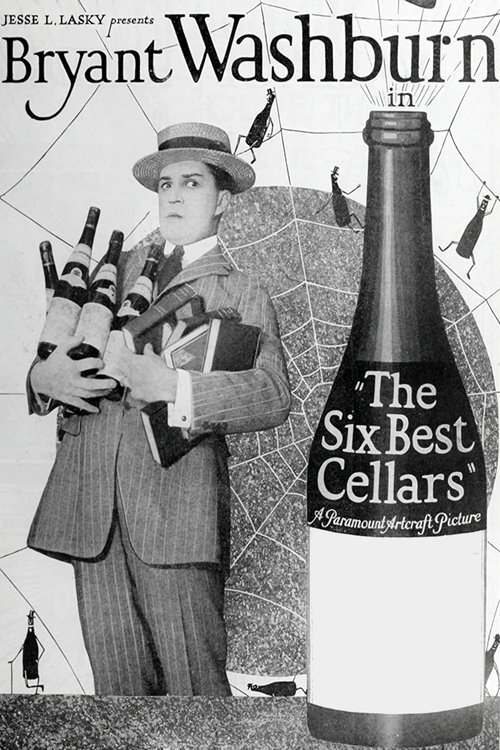
Henry Carpenter and his wife Millicent are the envy of their exclusive suburban set because of their abundant wine cellar, a blessing in the face of the recent prohibition against alcohol initiated by the Volstead Act. In reality, Henry is down to his last few bottles, and, faced with an impending dinner party, he decides to save face by denouncing the evils of drink. His impassioned speech earns him the support of the Prohibition party for a Congressional seat. Henry is relishing his popularity when his aunt discovers twenty-one cases of rare wine in the cellar, forcing the candidate to choose between political and social success.
The Six Best Cellars

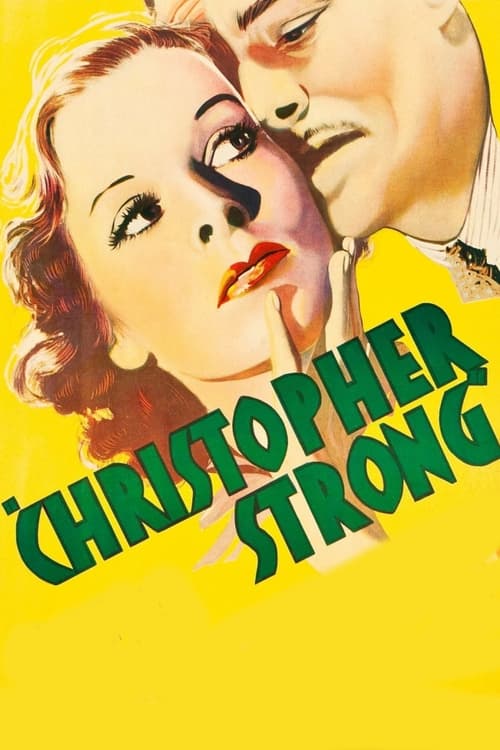
A romance develops between a happily married middle-aged British politician and an adventurous young aviatrix.
Christopher Strong

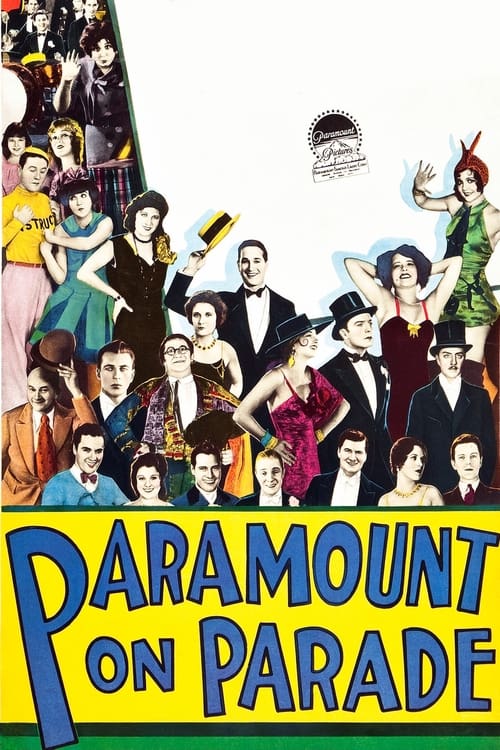
This 1930 film, a collection of songs and sketches showcasing Paramount Studios' contract stars, credits 11 directors
Paramount on Parade

Gardoni, a down-on-his-luck vaudeville performer, is taken in by a fellow performer, a clown who has a bicycle riding act. Gardoni shows his appreciation by stealing the clown's act and his girlfriend, whom he marries.
Behind the Make-Up

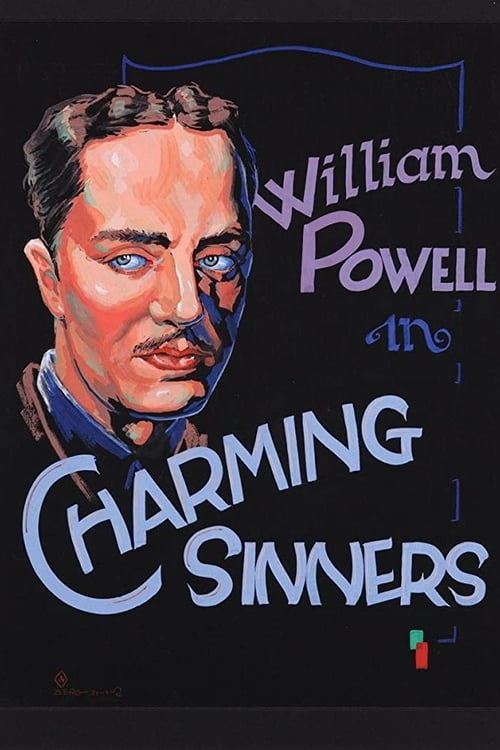
Charming Sinners was a stilted adaptation of Somerset Maugham's play The Constant Wife. Robert Miles (Clive Brook) starts the ball rolling when he falls in love with Anne-Marie Whitley (Mary Nolan), the best friend of his own wife Kathryn (Ruth Chatterton). In retaliation, Kathryn begins a flirtation with her former boyfriend Karl Kraley (William Powell). After reels and reels of verbal fencing, the status quo is re-established, and Robert and Kathryn are reunited.
Charming Sinners

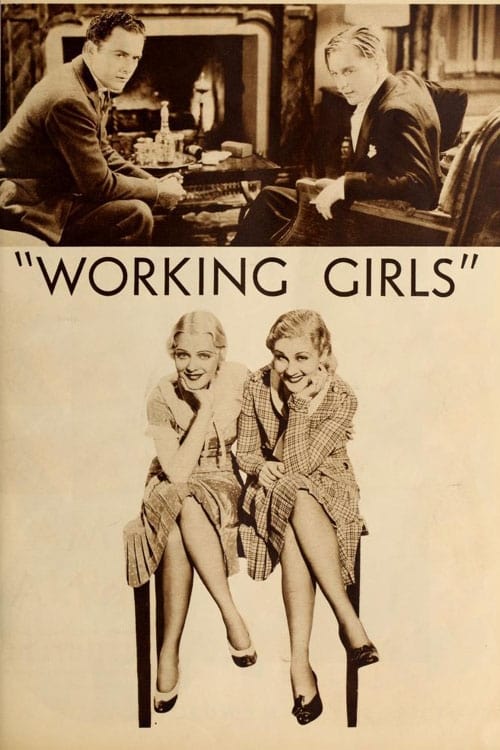
Two sisters from Indiana, the wide-eyed and innocent Mae Thorpe, and her more streetwise sister June, move into the Rolf House for Homeless Girls in New York. With June's help, Mae obtains a job as a stenographer for the scientist Joseph von Schraeder, while June gets work as a telegraph operator at Western Union.
Working Girls

Augustus Billings has a domineering mother-in-law, and to get away from both her and his wife, he takes a trip, claiming that he is going off to check on Mexican oil investments. But he's really going on a cruise with Mrs. Dathis, who has purchased his yacht. To throw everyone off track, he uses the name Mr. Johnson. When he decides to repeat the trip, however, all hell breaks loose -- the jealous Mr. Dathis is out to get his hands on this Johnson character, while a real Mr. Johnson shows up in Mexico, and Mrs. Billings shows up with her mother, and the confusion continues from there.
Too Much Johnson

Young Parisian Nana wards off of a boozed-up military officer at a local restaurant, and fellow diner Gaston Greiner is so impressed with her pluck that he decides to make her a performer at his musical theater. Soon, Nana is a star, and the girlfriend of Greiner and two other men. But when he learns that she's been getting around, Greiner fires her. As she tries to reclaim her singing job while dodging yet another suitor, her treachery might get the better of her.
Nana

Nancy Carroll stars in Manhattan Cocktail as Babs, a college coed who dreams of becoming a famous actress. Joining up with her campus chums Fred (Richard Arlen) and Bob (Danny O'Shea), likewise aspiring thespians, Babes heads to Broadway with stars in her eyes. The winsome threesome are quickly disillusioned by the heartless machinations of nasty producer Renov (Paul Lukas) and his harridan wife (Lilyan Tashman). Before the plot proper gets under way, the audience is regaled with a cute "mythological" prologue, featuring the same three leading actors. Manhattan Cocktail was a silent picture, except for two brief musical numbers showcasing Nancy Carroll.
Manhattan Cocktail

A young American girl in Paris falls in love with a handsome nobleman, but he is about to wed in an arranged marriage. She hatches a plan to overcome that obstacle and get her man.