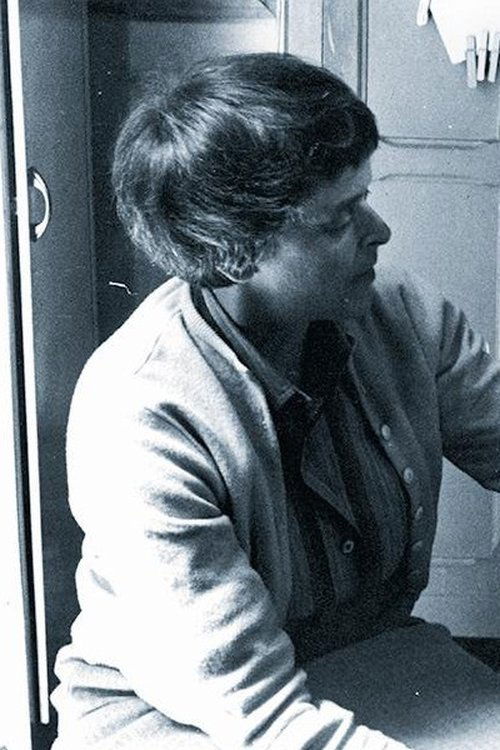
Claire Parker
Directing
Biography
Claire Parker was born on 31 August 1906 in Boston, Massachusetts, USA. She was a director and writer, known for The Trial (1962), Les oranges de Jaffa (1938) and Huilor (1938). She was married to Alexander Alexeieff.
Known For
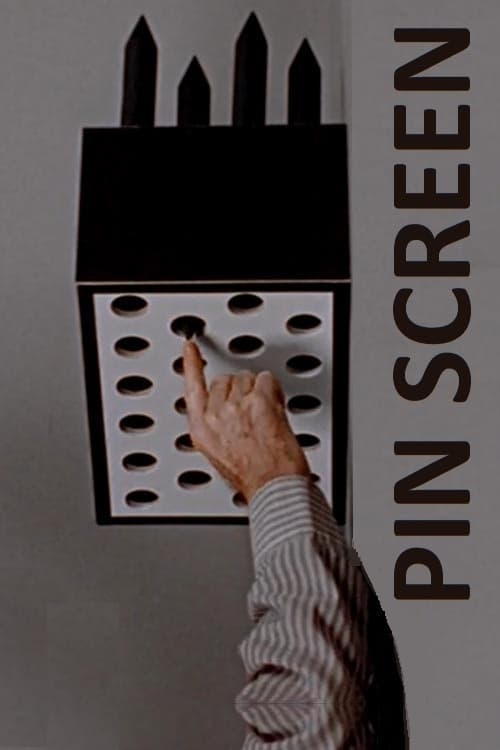
Based on Mussorgsky's Pictures at an Exhibition. This film used two pinscreens. In front of the main pinscreen, they installed a second, smaller one. This second pinscreen could be rotated thus giving more of an illusion of three-dimensionality
Pictures at an Exhibition
The last film made by Alexander Alexeieff and Claire Parker. Trois thèmes was made on the pinscreen, and first shown in Milan, Italy, in March 1980. It was based on three works by Mussorgsky.
Three Moods

Mussorgsky's composition is the soundtrack for this pin-screen animated take on night and wild things. A scarecrow blows down, clouds move by quickly. Beings take shape; a town appears, animals flee, and a horse gallops by. A child looks on. Monsters run and float by: the phantasmagoric is everywhere. A woman's figure tumbles through space. A clash ensues. The horse falls. Goblins take control. The night and its denizens are relentless. Forms appear and become grotesque. Will dawn and calm ever come?
A Night on Bald Mountain

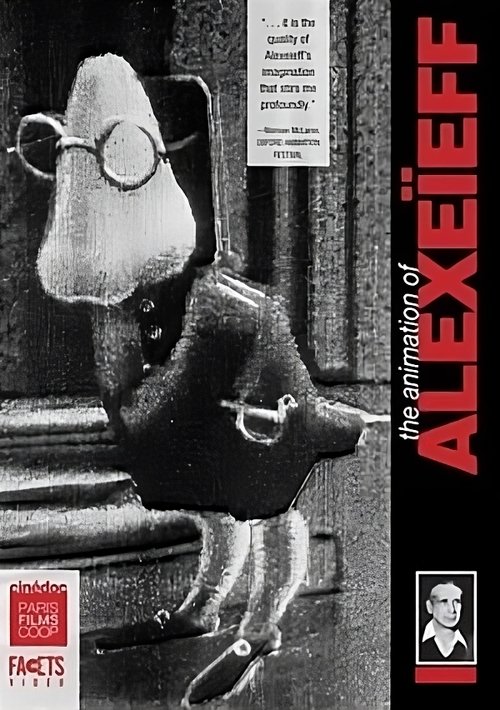
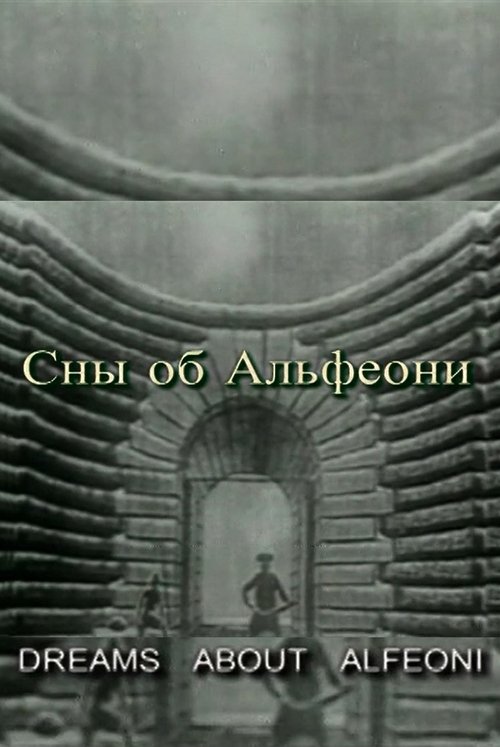
Alexander Alekseev, Alyosha, Alfeoni ... artist, animator, inventor. The author of "Night on Bald Mountain" — one of the most mysterious films in the history of animation and the inventor of a unique device — a needle screen . He did the first color commercials and the prologue to the Orson Welles film "The Trial". He made dreams come true and subordinated reality to his own imagination.
Dreams about Alfeoni

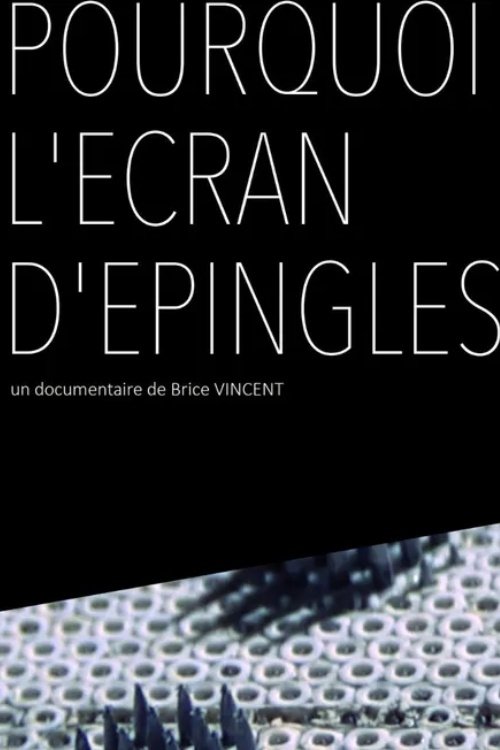
The Pinscreen is a tool that was created in the 1930s to make animation films. Although it no longer provides any technical advantages, a handful of animation directors still use it. This film explores why it is so important to create something handmade with constraints, in a time when everything is turning towards instantaneous digital technology.
Why Pinscreen?

A study in pins of a man who loses his nose which becomes a personality in its own right.
The Nose
On the making of the film En passant: wide shots of several sequences from the film on the new pinscreen built by the authors in 1942, during their exile in the United States from 1940 to 1947.
En passant: Making of

Pinscreen animation makes use of a screen filled with movable pins, which can be moved in or out by pressing an object onto the screen. The screen is lit from the side so that the pins cast shadows.
Pinscreen

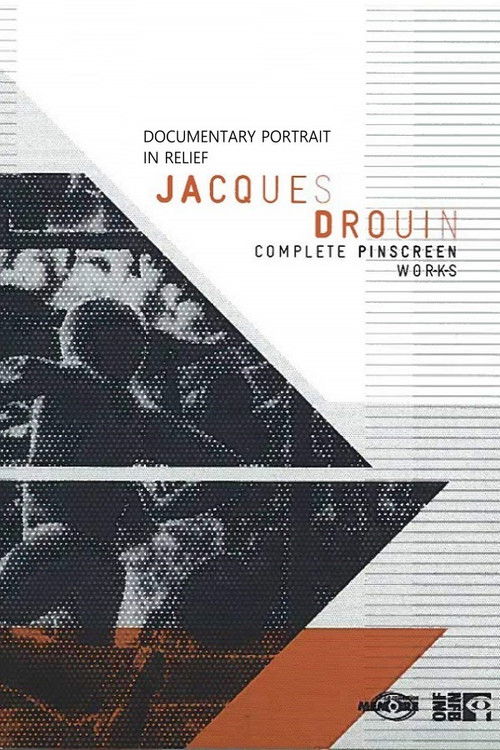
This documentary is a portrait of the animator of Le Paysagiste, from his childhood in Eastern Quebec to his career at the NFB. Trained at the École des beaux-arts de Montréal and the University of California at Los Angeles (UCLA), Drouin became in some ways the heir to Alexandre Alexeïeff when he began working with the Alexeïeff-Parker pinhole screen in 1974. Recounting his relationship with the filmmaker and inventor, coming back with lucidity and precision on the whole of his own filmography, Jacques Drouin delivers here a precious testimony on creation. Enriched with numerous excerpts and unpublished images from the filmmaker's personal archives, Jacques Drouin en relief is both the adventure of a lifetime and a valuable lesson in cinema.
Jacques Drouin: In Relief

A hat advertisement for Sools by animators Claire Parker and Alexandre Alexeieff.
Parade of Hats
Alexandre Alexeieff and wife Claire Parker demonstrate and comment on animation techniques used to create illustrations for books like Zhivago and films such as The Nose and Night on Bald Mountain.
At the Pinboard
Advertising of the peanut oil of Rufisque conditioned in the big oil factory of Bordeaux for the brand Huilor.