John Fernhout
Camera
Biography
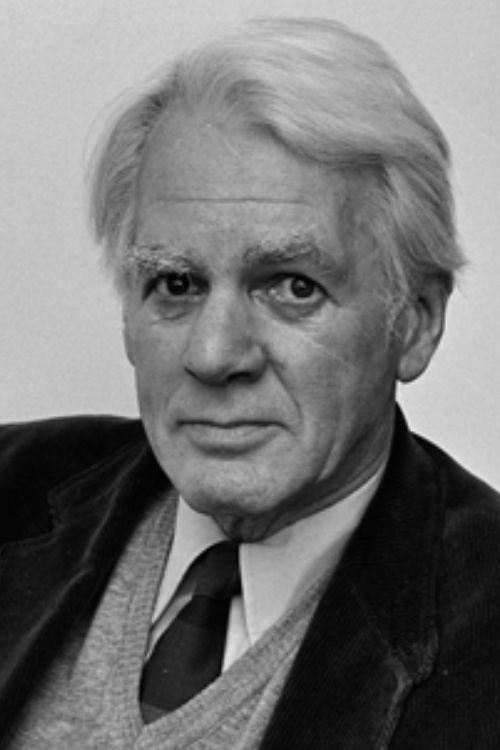
John Fernhout was born on 9 August 1913 in Amsterdam, Noord-Holland, Netherlands. He was a director and cinematographer, known for Sky Over Holland, Fortress of Peace and L'île de Pâques. He died on 1 March 1987 in Jerusalem, Israel.
Known For

Joris Ivens’s wartime documentary of China’s resistance to the Japanese invasion, cross-cutting civilian exodus and bombing with the Nationalist state’s mobilization—schools, industry, dispersed war production, foreign relief—and guerrilla fighting. Framing an ancient nation of “400 million,” it contrasts tradition with modernization and closes on the unresolved question of victory.
The 400 Million

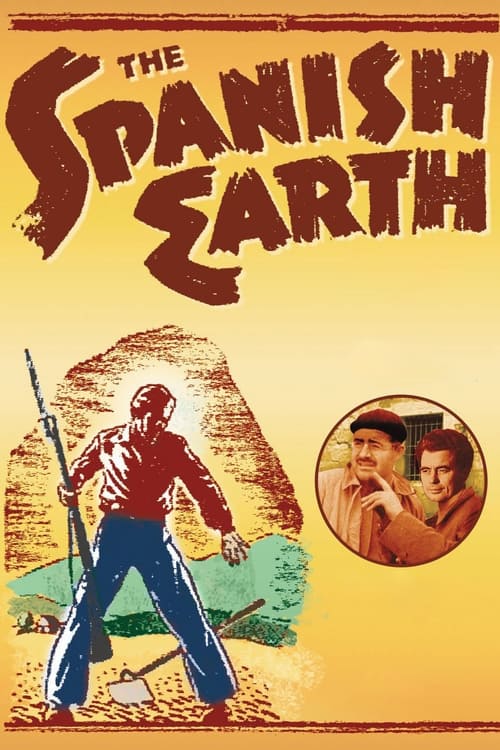
Joris Ivens’s advocacy documentary for the Republican cause intercuts a besieged Madrid with a nearby village digging an irrigation canal, linking the war to bread, land, and survival. Produced by the writers’ collective Contemporary Historians, edited by Helen van Dongen, scored by Marc Blitzstein, and narrated in its U.S. version by Ernest Hemingway (after an initial Orson Welles track), it blends frontline reportage with persuasion against Franco’s forces and their German–Italian backers.
The Spanish Earth
Commissioned film for the Continental Commission for the Propagation of Creosote Oil about extraction and application of creosote oil (carboleum), a preservative distilled from coal tar that protects wood from fungi and insects. Footage was shot in Poland, the Port of Danzig, in Germany, Belgium, France and the Netherlands.
Creosote

Documentary celebrating the 10th anniversary of the General Dutch Construction Workers Union, providing a multifaceted view of the union and depicting the many construction activities of its members. Some parts were also shown separately.
We Are Building
No description available.
Forgotten Island

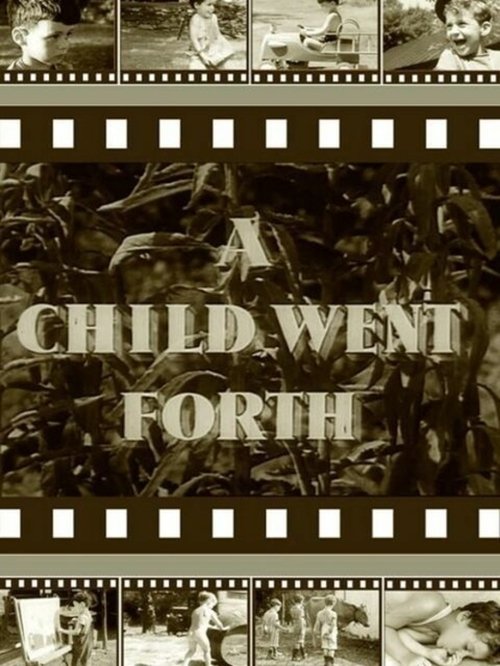
A line from Whitman, "There was a child went forth every day," starts this film: a visit to a farm that's a summer camp and progressive school for exploration and discovery. The children, as young as two or three, have room and time to question, wonder, and learn. We build a wading pool, use tools, climb and swing, bath a dog - and learn to live together. There are spats, and little adult interference. A tree house sparks children's imagination. They visit a neighboring farm, play with the animals and ride on a tractor that's plowing. They eat and nap. There's story time, easels for art, and a lollipop. It's the perfect place for city children to be safe from bombardment, says the narrator.
A Child Went Forth

A stark documentary film about the economic and educational crises the mountain people of rural Appalachia faced at the tail end of the Dust Bowl period.
And So They Live
The first Easter Island documentary, filmed in 1935 when the Belgian naval ship Mercator came to collect Drs. Henri Lavacherry and Alfred Métraux, who had arrived six months before to carry out archaeological and ethnological work. The film, directed with melodramatic gusto and featuring a full orchestral score by Maurice Jaubert (who also did the narration), shows islanders, the monuments, and a public dance. A theme of decay and decadence characterizes the film, the motif portrayed gruesomely by extensive close-ups of the inhabitants of the leper colony there at the time. The film suited a romantic image of a mysterious lost civilization, the survivors eking out a pitiful existence on a barren rock. (Grant McCall)
L'île de Pâques

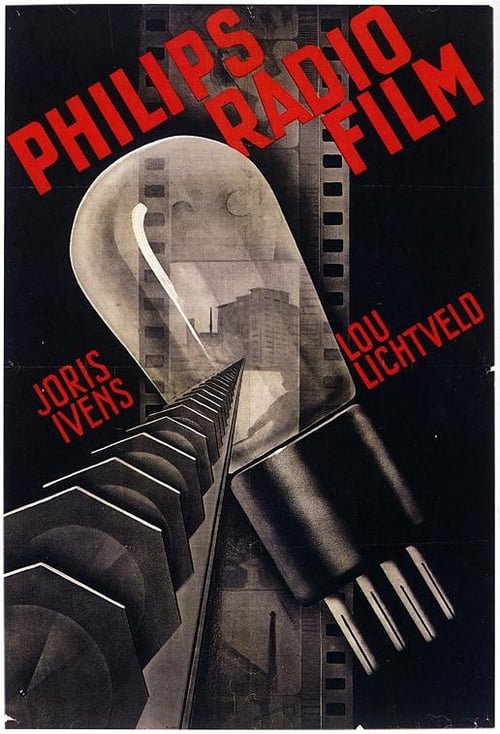
A poetic industrial short that follows a radio from molten glass to finished set: glassblowers shape valves, conveyors and assembly lines build chassis, cabinets, and speakers, engineers test and prototype—ending on a playful stop-motion “dance” of loudspeakers.
Philips-Radio

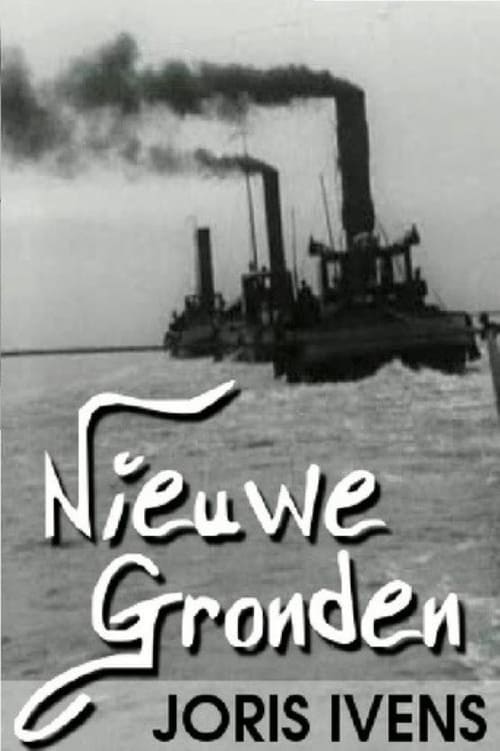
The film is a documentary portraying a struggle as man tries to subdue nature. To prevent flooding and for purposes of land reclamation, the people of the Netherlands struggle and succeed in building a breaker, thereby eliminating the wild inland body of water once known as the Zuider Zee (now called Ijsselmeer).
New Earth

Wehrhafte Schweiz is a Swiss Army propaganda film, made for the Expo 64 national exhibition in the then-prevailing spirit of geistige Landesverteidigung, "cultural national defense". It portrays the Swiss Army fighting against an unnamed, unseen enemy, using heavy weapons such as flamethrowers, artillery, tanks and bomber aircraft. After the enemy is repelled, the film closes with idyllic shots of beautiful Swiss landscapes. The 20-minute film was shot using the latest action film techniques in the Cinerama format on expensive MCS-70 Super Panorama 70mm stock. (Wikipedia)
Fortress of Peace
Short subject commissioned by the National Youth Association to show their efforts at providing job training for unemployed poor youth.
Youth Gets a Break
No description available.
Broken Dykes
Tree of Life is a 1971 film directed by John Fernhout.
Tree of Life

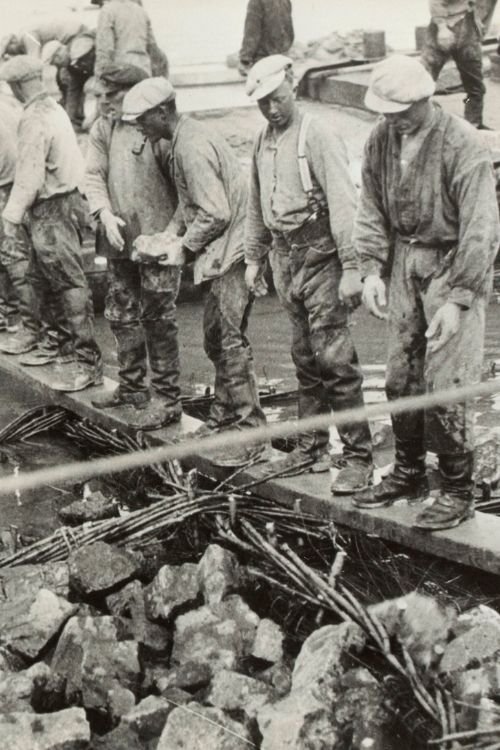
This documentary documents the construction of the Afsluitdijk, the massive hydraulic engineering project that sealed off the Zuiderzee from the North Sea. Filmed over several years, it focuses on the labor required to build the dike and the final closing of the last gap in 1929.
Zuiderzeewerken

Between documentary and fiction, "Branding" (also know as "Breakers") stars an unemployed sailor from Katwijk, a land that sparked Ivens’ interest in the movement of the big waves crashing on the rocks. Determined to film them, he faced them with his camera and the result is staggering.
Branding
A BAFTA award nominated documentary following the lives of miners across Europe both under and above ground.
Miner's Window
A 1934 documentary by Henri Storck.
Productie van gastroduodenal ulcers bij de hond

Take flight with thousands of wild birds who defy distance and international boundaries in this short documentary about their twice-yearly migration.
High Over the Borders

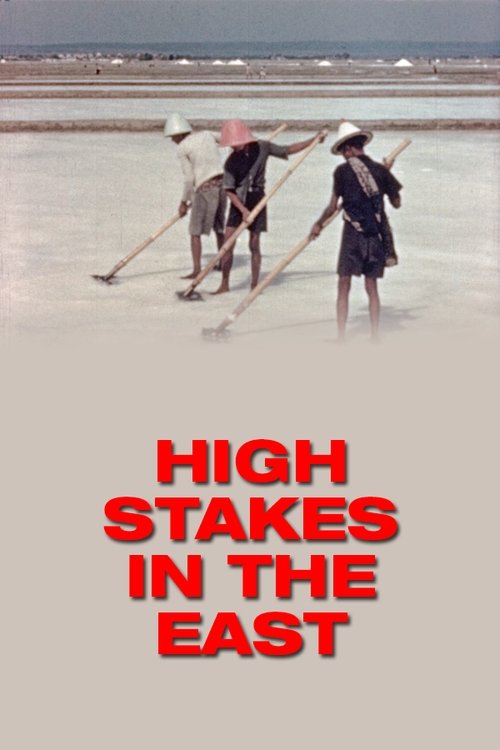
In the aftermath of the Allied defeat in the battle for Java, after which the island fell into Japanese hands, this propaganda film made for American audiences shows what has been lost.