
Toshi Ichiyanagi
Sound
Biography
Toshi Ichiyanagi (一柳 慧 Ichiyanagi Toshi, born 4 February 1933) is a Japanese composer and pianist. Ichiyanagi was born in Kobe. He studied with Tomojirō Ikenouchi, Kishio Hirao [fr; ja], and John Cage. One of his most notable works is the 1960 composition Kaiki, which combined Japanese instruments, shō and koto, and western instruments, harmonica and saxophone. Another work, Distance (1961), required the performers to play from a distance of three meters from their instruments. Anima 7 (1964) stated that chosen action should be performed "as slowly as possible". Ichiyanagi was married to Yoko Ono from 1956 to 1963. Ichiyanagi is the recipient of the 33rd Suntory Music Award (2001) and the Foundation for Contemporary Arts John Cage Award (2018). He has been honored with Japan's Order of Culture. Description above from the Wikipedia article Toshi Ichiyanagi, licensed under CC-BY-SA, full list of contributors on Wikipedia.
Known For
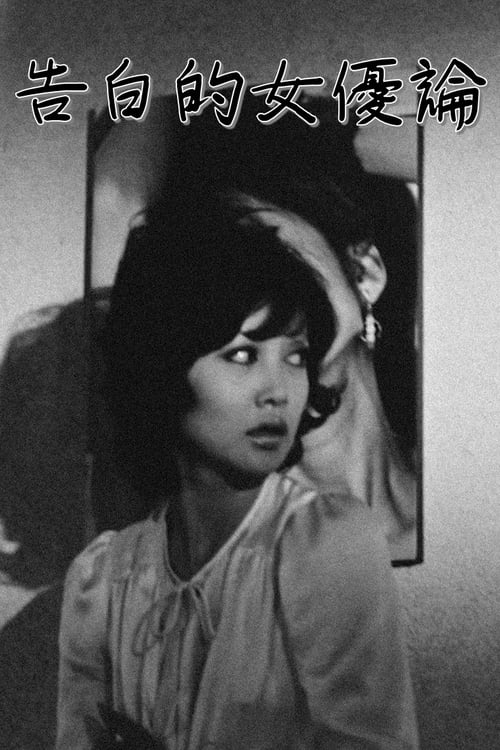
In this intricately layered Japanese film, the nature of actresses and what they gain from acting is explored. The lives of three actresses are laid bare, and scenes from their lives are woven in and out of interviews with each of them. Each of them has experienced a traumatic event which contributes to their particular enjoyment of becoming someone else in dramatic roles.
Confessions Among Actresses
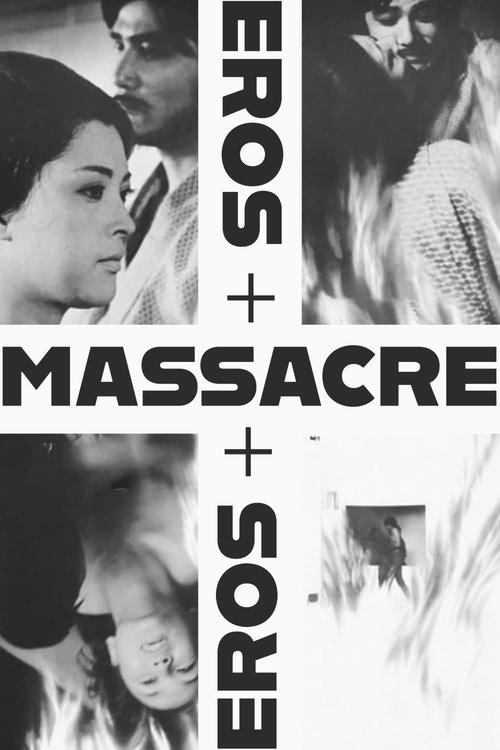
Two interwoven stories. The first is a biography of anarchist Sakae Osugi which follows his relationship with three women in the 1920s. The second centers around two 1960s students researching Osugi's theories.
Eros + Massacre

A man wanders into a seemingly deserted town with his young son in search of work. But after a bit of bad luck, he joins the town's population of lost souls.
Pitfall

Struggling with his true emotions, dreams, memories of the past and the reality Shizuo is about to marry, but is torn between his wife-to-be and the love to his mother.
A Story Written with Water

Rikiya Shoda is an engineer working for the Atomic Agency in Japan. One day, his wife Nanako returns home with a lost teenager called Ayu. A man, pretending to be the father, comes to get her back; Ayu keeps telling him that Rikiya and Nanako are her parents. Through this disruption, Rikiya suddenly starts remembering his youth as a revolutionary.
Heroic Purgatory

A documentary profiling a Japanese taiko drumming group based in the remote Sado Island, Japan. The film blurs the line between real-life documentary footage of the troupe's training and practice regimes, and staged performances of their varied musical acts, with sets designed by artist Tadanori Yokoo and an additional experimental electronic music score by Toshi Ichiyanagi.
The Ondekoza
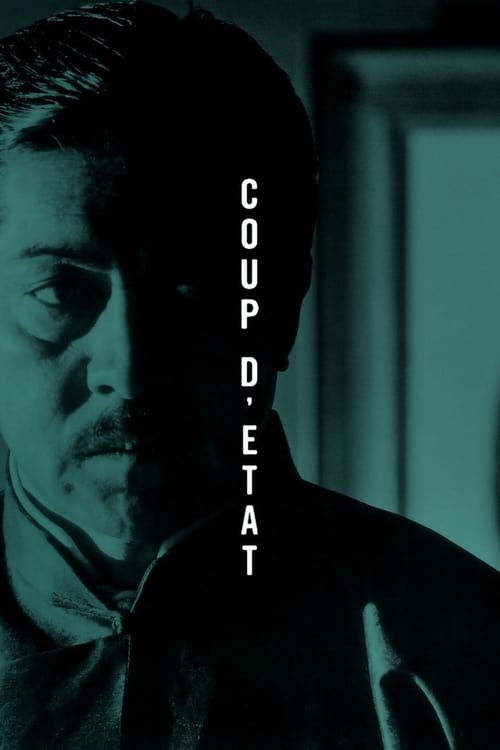
A freestyle biopic of Ikki Kita, the ultranationalist intellectual whose ideas inspired the failed military coup in 1936.
Coup d'Etat

Erotic thriller about a porn photographer who has to deal with a psychopath.
Saya: Perspective in Love
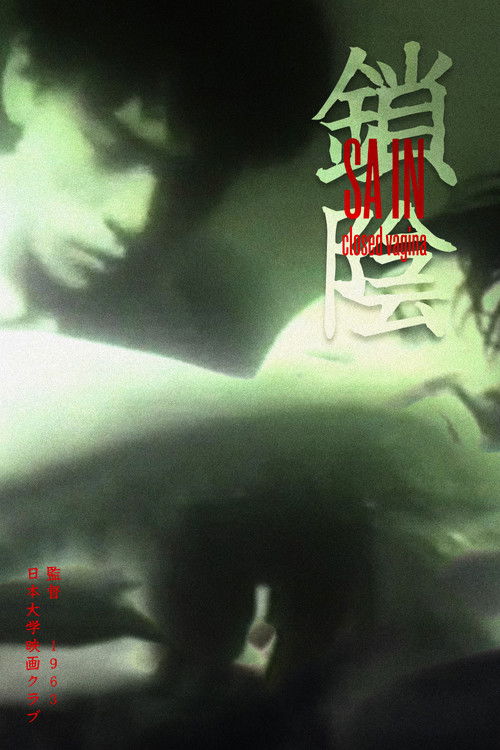
Adachi's follow-up to Bowl using the figure of a woman suffering from an unusual sexual aliment has often been taken as a controversial allegory for the political stalemate of the Leftist student movement after their impressive wave of massive fiery protests failed to defeat the neo-imperialist Japan-US Security Treaty. The ritualistic solemnity of the charged sexual scenes contribute to the oneiric qualities of Closed Vagina which Adachi would later insist was an open work, not meant to deliver any kind of deliberate political message. - Harvard Film Archive
Closed Vagina
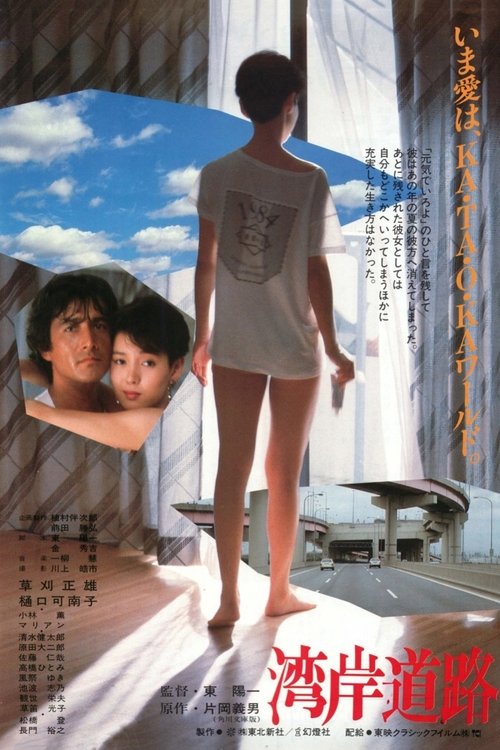
Based on the novel of the same name by Yoshio Kataoka.
The Wangan Highway
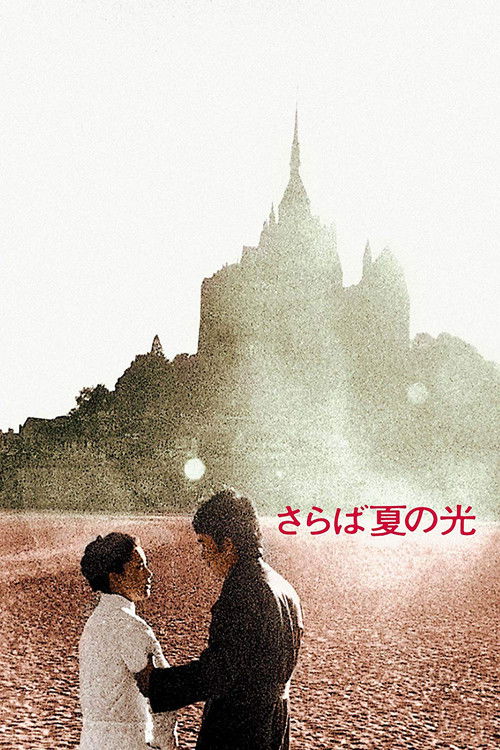
A spontaneous romance blooms between Kawamura, a professor touring Europe, and Naoko, a married woman living in Paris, scarred by the Nagasaki atomic bombings. The two protagonists travel around Europe trying to find themselves.
Farewell to the Summer Light
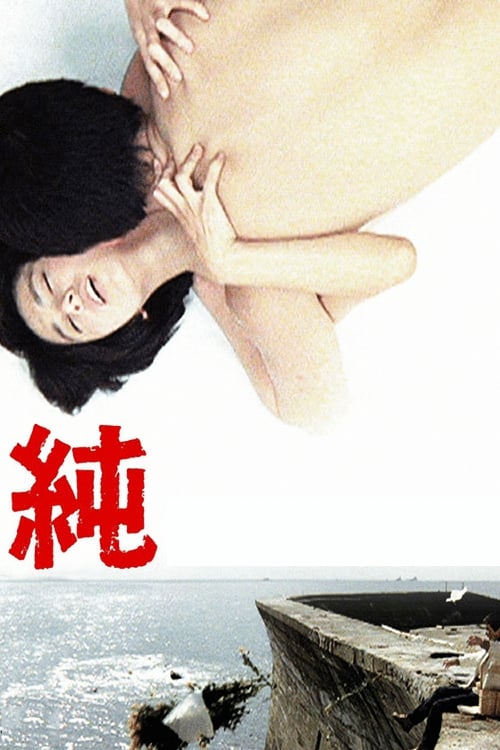
Jun has come to Tokyo from his family home, an island which resembles a ship. He works in a machine shop and is attempting to develop a career as a cartoonist in his spare time. When he travels around the town by subway, he has grown into the habit of groping female passengers in a sexual way. They never denounce him, and many seem to respond very favorably, moaning in apparent ecstasy. However, when his girlfriend sees him doing this, she denounces him to the police.
Jun

Documentary series about art. Yoshida's camera documents the history of painting and artistic expression with delicate intimacy.
Beauty of Beauty
A man sets out to search for his brother among the survivors of Hiroshima after an anonymous letter.
The River - Poem of Wrath
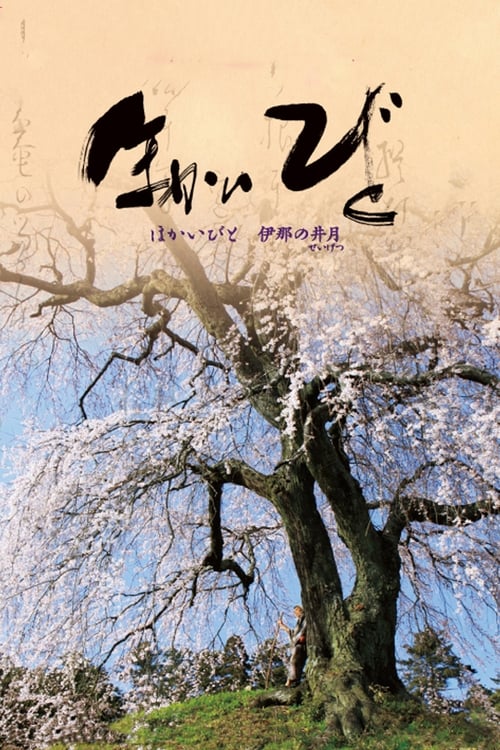
Part documentary, part fiction this film revolves around the life of the haiku poet Seigetsu Inoue who wandered Ina Valley for about 30 years from the end of the Edo period to the Meiji era.
Hokaibito: Ina no Seigetsu

ĀTMAN is a visual tour-de-force based on the idea of the subject at the centre of the circle created by camera positions (480 such positions). Shooting frame-by-frame the filmmaker set up an increasingly rapid circular motion. ĀTMAN is an early Buddhist deity often connected with destruction; the Japanese aspect is stressed by the devil mask of Hangan, from the Noh, and by using both Noh music and the general principle of acceleration often associated with Noh drama.
Atman

A Documentary on the Japanese baseball player Sadaharu Oh
The Story of Big 1: Sadaharu Oh
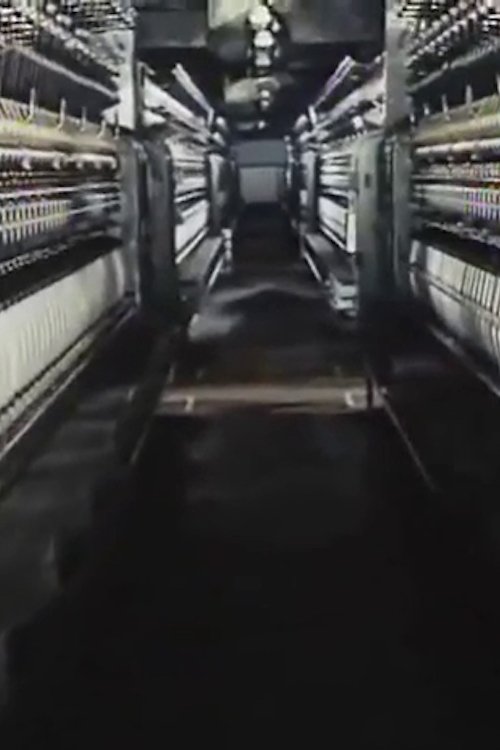
Presentation of polymer chemistry-based synthetic fiber, and the manufacturing facilities and production process used by Toray, Japan’s leading textile maker. Also depicts the textiles being sold throughout Europe and the US.
The Solar Thread
The humble line has a life of its own. As it travels from one point to the next it can take whatever route it fancies. With plenty of ups and downs, it encounters all manner of random items and beings as it endlessly travels towards its destination. But when lines become objects it can all go wrong. - MUBI
Tragedy on the G Line
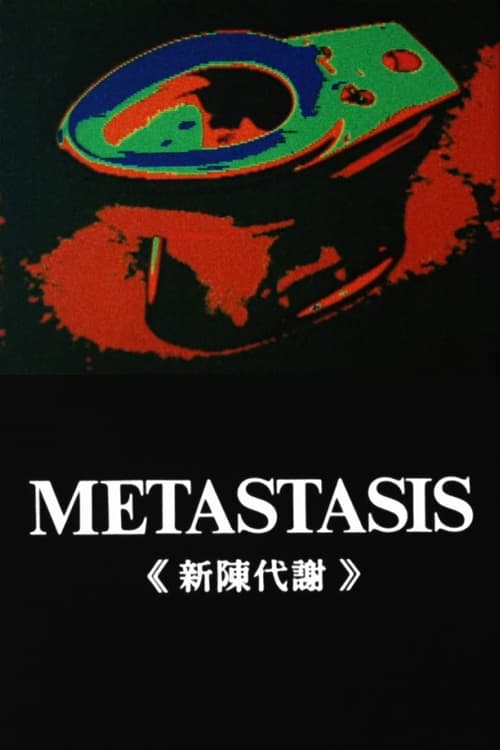
Writes Matsumoto, "I used the Erekutoro Karapurosesu (Electro Color Processor), which is mainly used in the field of medicine and engineering, to create moving image textures Metastasis, I was interested in layering images of a simple object and its electronically processed abstraction. The electronic abstract image is manipulated in a certain rhythm, depicting an organic process."