Luis Ospina
Directing
Biography
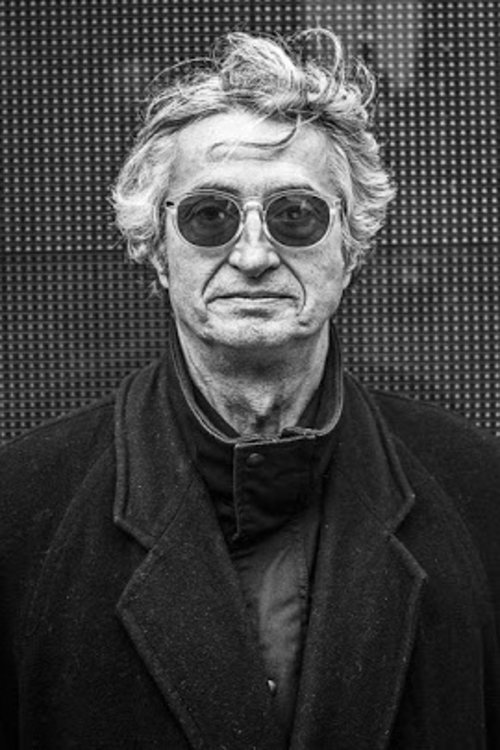
Luis Ospina (14 June 1949 – 27 September 2019) was a Colombian film director. He is one of the founders of Caliwood film movement along with Carlos Mayolo and Andrés Caicedo.
Known For

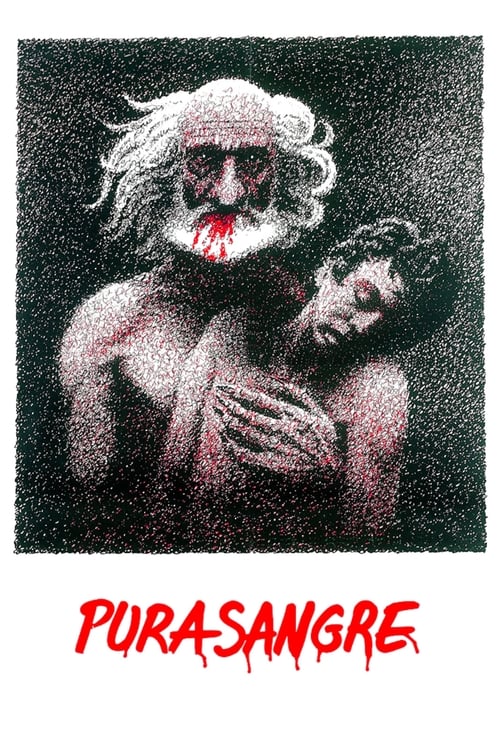
Roberto Hurtado suffers from a rare disease that requires massive transfusions of blood from children or adolescents. His son blackmails three employees to get blood for him and they resort to unscrupulous methods to obtain it.
Pure Blood

Remembers an artist in the form of a somnambulistic fantasy: A filmmaker faces increasing challenges as she tries, decades later, to complete Dominican filmmaker Jean-Louis Jorge’s unfinished work.
Holy Beasts

In an old and mysterious tropical mansion cohabit the supposed owner, a friar, a convalescent pilot, the Haitian servant, the mercenary guardian and the Machiche, a mature and dominant female. A young model arrives there to unleash all kinds of passions.
The Manor of Araucaima

Mudos testigos is a cinematographic collage made from all the surviving material of Colombian silent films, re-editing the images in such a way as to create a single imaginary film: the impossible love story of Efraín and Alicia that traces the convulsive first half of the twentieth century in Colombia. Compiled by the late Luis Ospina and finished posthumously by Jeronimo Atehortúa.
Silent Witnesses

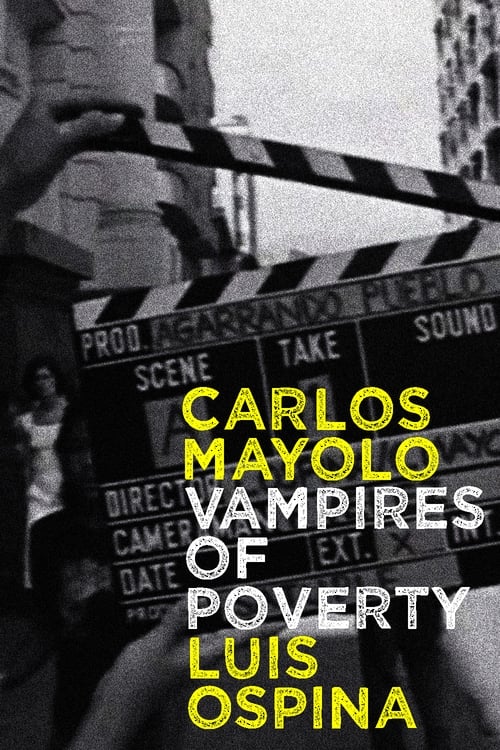
Two filmmakers travel around impoverished sectors of the cities of Bogotá and Cali in search of the images of abjection needed to complete a documentary commissioned by German TV. Meanwhile, another camera captures these “vampire” filmmakers feeding off the misery of their marginal subjects.
The Vampires of Poverty

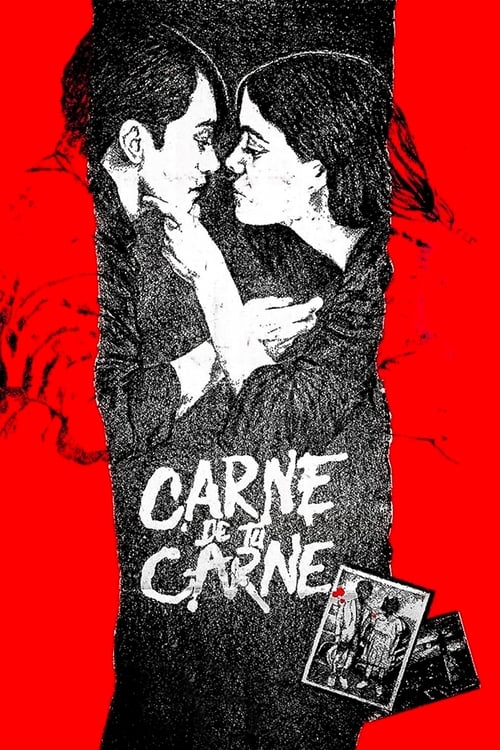
August 6, 1956 during the military dictatorship of Rojas Pinilla. A military convoy loaded with dynamite explodes in the center of Cali, destroying a good part of the traditional buildings of the city and exposing the roots of some houses that for years had kept the secret stories of their inhabitants.
Bloody Flesh

It begins with the tragedy of Armero, during the course investigates the murder of a beautiful woman and on his way some people die in the end a killing and a cemetery. Emerson Roque Fierro, former policeman and private investigator shadowing, investigates the murder of "Golondrina", a beautiful young woman, occurred in a seedy hotel in downtown Bogota. Without knowing who it is, begins to understand their relationships with a motley gallery of men: a corrupt politician, connected to drug trafficking and paramilitary groups, a bullfighter cunning and good for nothing, a boxer fallen on hard times with a force so stupid as rare Lotero intellect and an insightful blind. And in the midst of this, the dark threads entangling power to everyone, and especially the poor Fierro.
Breath of Life

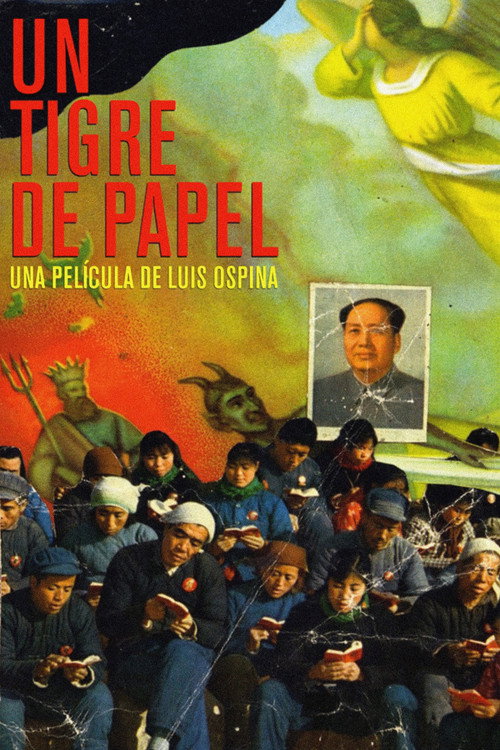
The life of Pedro Manrique Figueroa, a pioneer of collage in Colombia, is both incomplete and contradictory. Taking his life and work as a pretext, this mockumentary takes the viewer on a journey through history from the year 1934 up until 1981, when the artist mysteriously disappeared from view.
A Paper Tiger

Jairo José Pinilla Téllez is the pioneer of suspense and science fiction in Colombian film. Pinilla was the first to use special effects in Colombian film and now, at the age of over 70, he is working to finish his last film. This documentary follows Jairo’s footsteps through Colombian film.
Jairo’s Revenge

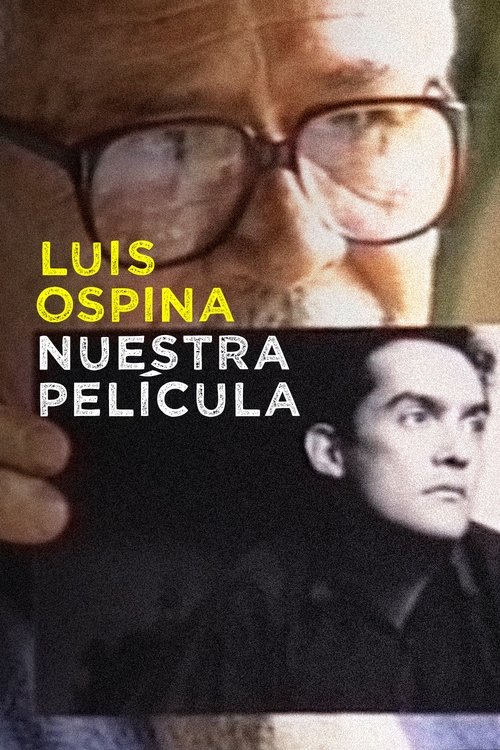
Faced with his imminent death from AIDS, Colombian artist Lorenzo Jaramillo looks back on his life and work through the five senses.
Our Film

The film adapts Jean-Paul Sartre’s short story Erostratus about a man on the verge of despair who decides to buy a gun and go out to kill at random. Shot in Los Angeles, this was Ospina’s first project at the UCLA Film School. Acto de fe (Redux) was restored from the original Kodak 16mm 4X reversal film of the 1970 version of Acto de fe. Some shots had to be replaced with outtakes from the camera original due to decay or total loss.
Act of Faith

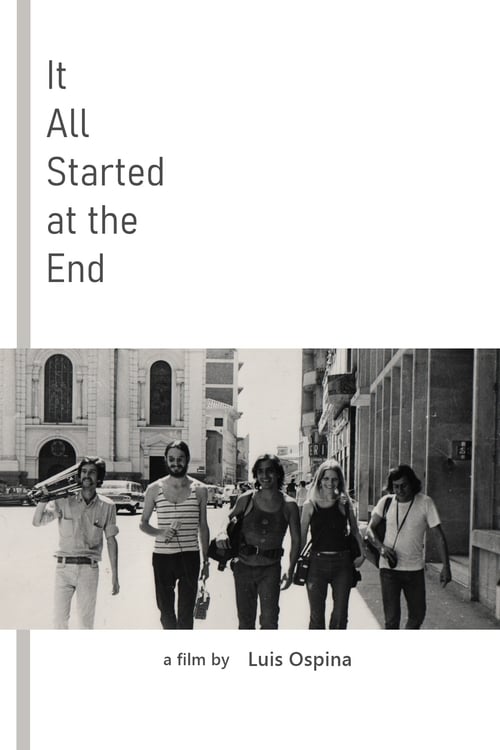
An intimate portrait of the pioneering artistic collective Grupo de Cali, whose work is now considered a fundamental part of Colombia’s film history.
It All Started at the End

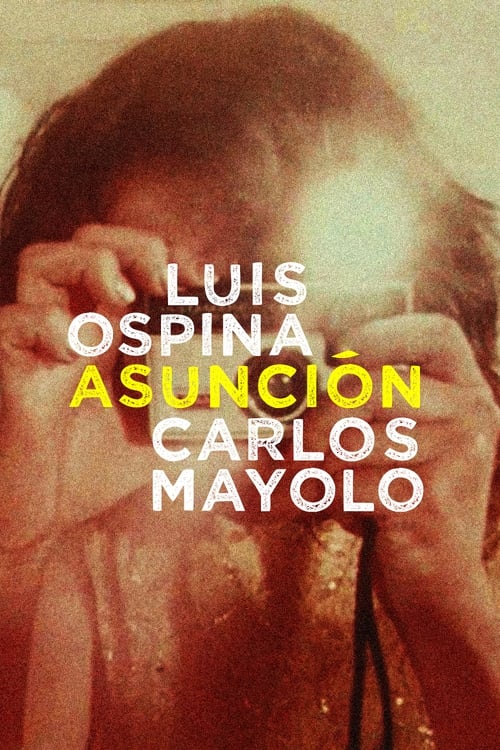
The vengeance of a housemaid against the family that hired her.
Asunción

No description available.
Hay Que Ser Paciente

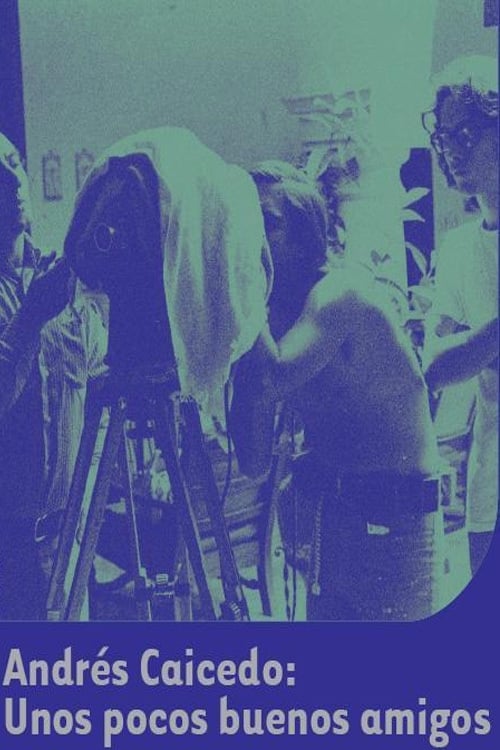
Using the unfinished film, ANGELITA Y MIGUEL ÁNGEL, by Andrés Caicedo and Carlos Mayolo, as a structuring device, friends of prolific film critic and writer Andrés Caicedo, an unforgettable figure of the group of Cali in the 1970s who left an incredible amount of texts, reflect upon his life, his work, and his suicide at the age of 25, testify to his influence in the cultural life of Colombia, and remember his strong and touching personality.
Andrés Caicedo: A Few Good Friends

A 13 minute glimpse of the Feria de Cali celebrated between Christmas and New Year… A carnival of commodity fetishism, red devils and white indians that will be recognizable to anyone who has encountered the surrealist ethnographies of Michael Taussig.
Cali: de Película

The documentary Sin Telón celebrates the national artistic values of Teatro La Candelaria, recognized both nationally and internationally as one of the leading Latin American experimental theater groups. The film highlights the extensive career of Santiago García while also portraying the everyday life and unique working methods of this dedicated ensemble of artists from Teatro La Candelaria.
No curtains

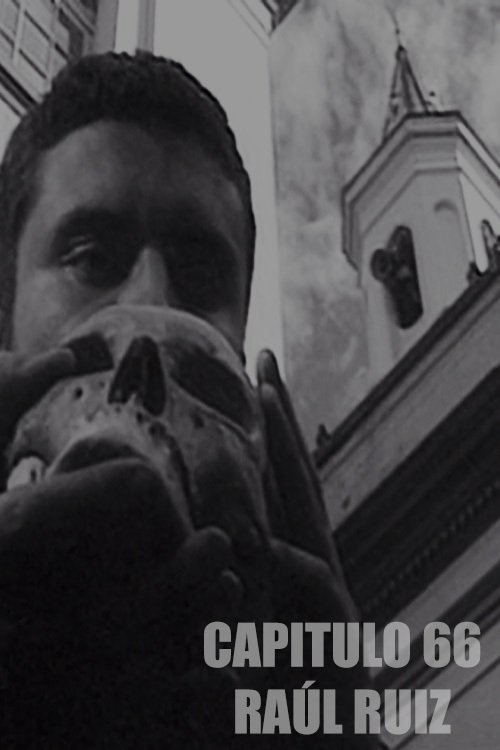
A wild short made as part of a filmmaking workshop that Raúl Ruiz ran in Bogotá in October 1993.
Chapter 66

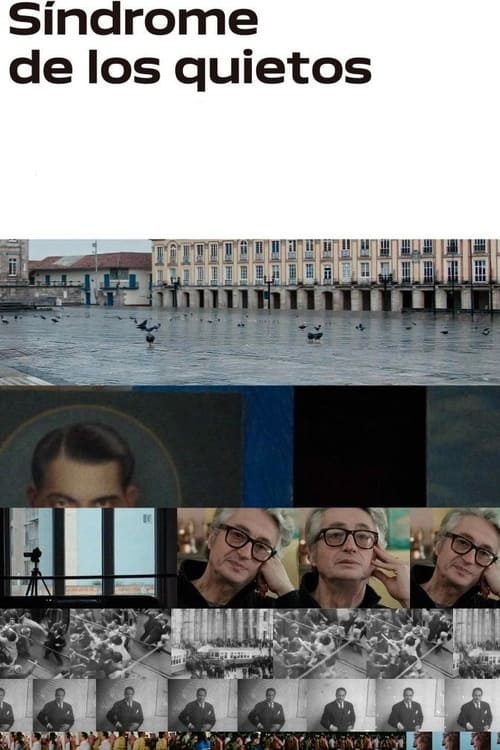
In 2018, a group of filmmakers calling themselves "Los Quietos" set out to make a film essay on a hypothetical syndrome of stillness in the Republic of Colombia. To this end, they invite Colombian documentary master Luis Ospina, presidential candidate Gustavo Petro and writer Juan Gabriel Vásquez to give them clues to delve into the history, geography and idiosyncrasy of Colombia, a country that, paradoxically, has very little of stillness. For unknown reasons, the project remained unfinished.
The Stillness Syndrome

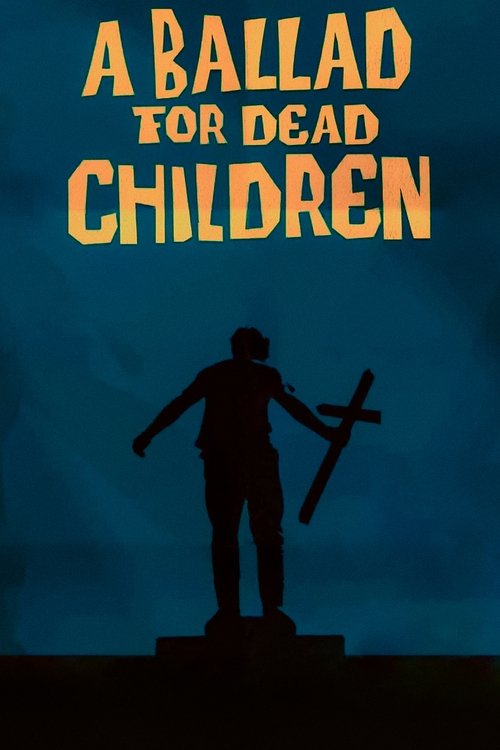
'A Ballad for dead children' is a tribute to Andrés Caicedo and Cali and it's group, as the seed of a cinematographic phenomenon, but it goes one step further. Testimonies and fragment readings compose, together with a very powerful archive material, the story of a story that has a deep sense and cinematographic interest: the story of Andrés and his eternal fascination with horror literature and cinema b, the of the boy who was born to write, that of the young man who decided to mock death by planning his own ending. A film that tries to maintain the difficult balance on the fine line that separates and unites the two: man and work, work and man, in an eternal and indissoluble way.