Humberto Mauro
Directing
Biography
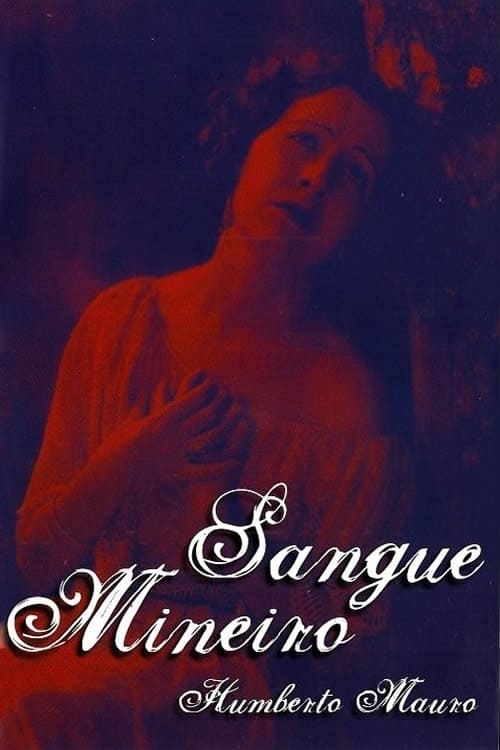
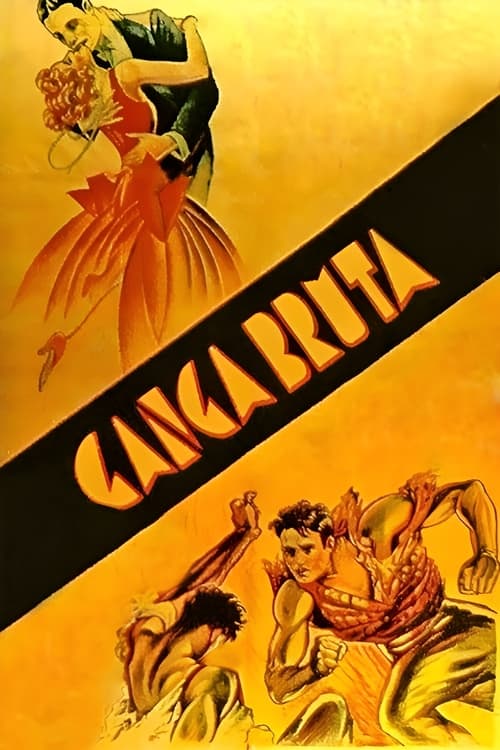
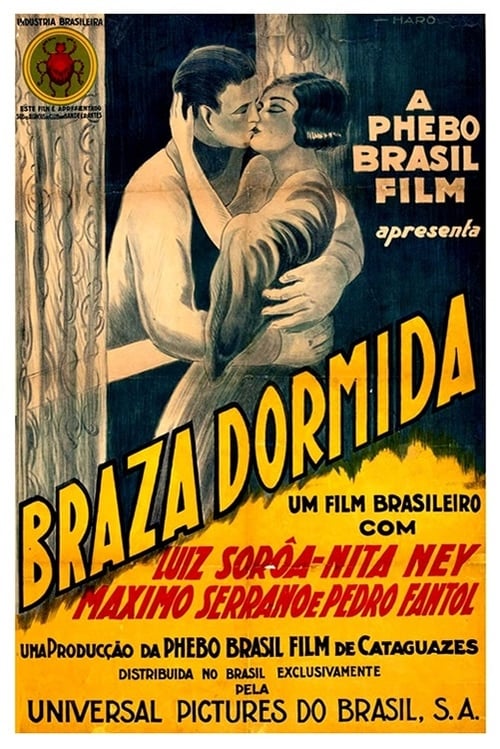
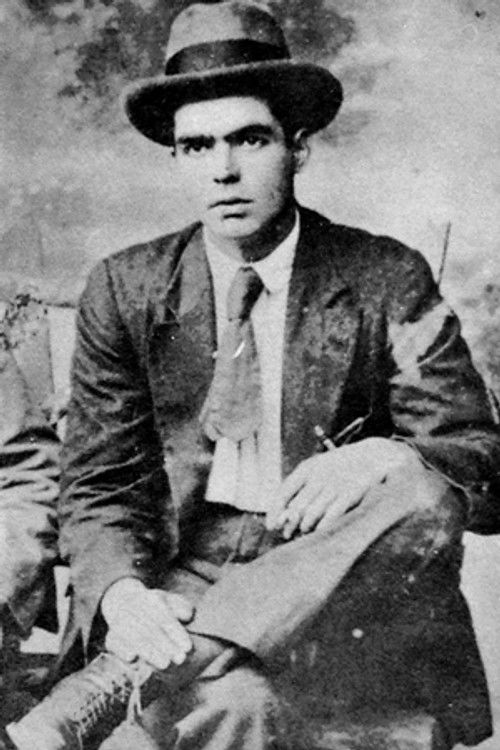
Humberto Duarte Mauro (30 April 1897 – 5 October 1983) was a Brazilian film director. He is often considered the greatest director of early Brazilian cinema. Mauro's second feature film Thesouro Perdido (Lost Treasure) won the Brazilian "Film of the Year" award in 1927. Later that year, Phebo Sul America Film was reorganized into Phebo Brasil Film. The first film released under the new Phebo was Braza Dormida (Sleeping Ember). Braza Dormida was a boxoffice success and furthered Mauro's career as one of Brazil's leading directors. In July 1929, Mauro's final film for Phebo Brasil Film, Sangue Mineiro (Blood of Minas Gerais), was shown in Cataguases. In 1930, the film was given a nationwide release. The film was critically and popularly acclaimed. This was the first film in which Mauro worked with Carmen Santos who would star in many of Mauro's later films. Phebo Brasil Film did not have the resources to continue to produce films. Adhemar Gonzaga offered Mauro a directing job for Cinédia, which was centered in Rio de Janeiro. Gonzaga had started to shoot Lábios sem Beijos (Lips Without Kisses) which starred Carmen Santos. However, Carmen became pregnant was unable to finish production. Gonzaga handed the project over to Mauro, who both directed and photograpghed the film, in March 1930. Mauro decided to make the film silent even though sound was available. He wanted to explore the possibilities of silent film. Upon release in 1930, the film won the Jornal do Brasil film of the year award. Mauro acted as cinematographer for Cinédia's second film Muhler (Woman). Mauro began shooting Ganga Bruta in September 1931. The film was not completed until 1933 due to cast replacements. The film was silent with synchronized sound recorded on Vitaphone discs added later. The film received little acclaim until two decades after its release. Mauro co-directed his first talking film with Adhemar Gonzaga. A Voz do Carnaval (The Voice of Carnival) was a musical. Afterwards, Mauro left Cinédia for Brasil Vita Filme in 1934. He directed two feature films and several documentaries for Brasil Vita Filme. In 1936, Mauro joined the Instituto de Nacional do Cinema Educativo (INCE), which was then the government office for educational and propaganda films. Mauro shot hundreds of documentaries when he was working in INCE, and he also shot his last three movies: Descobrimento do Brasil (The Discovery of Brazil), Argila (Clay), and O Canto da Saudade (The Song of Yearning). His final film was Carro de Bois (Ox Cart), a documentary, in 1974. Description above from the Wikipedia article Humberto Mauro, full list of contributors on Wikipedia.
Known For

In 1594 Brazil, a frenchman becomes a prisoner of the Tupinambás. While waiting to be executed, the foreigner learns the habits of the indigenous people and joins a woman who tries to help him escape.
How Tasty Was My Little Frenchman

O Descobrimento do Brasil (The Discovery of Brazil) is an impressive historical epic recreating Álvares Cabral’s voyage to the New World in 1500, with a score especially written by the renowned composer, Heitor Villa-Lobos. One of the earliest examples of Brazilian cinema, this film depicts the perilous journey of Pedro Álvares Cabral’s armada from Portugal to Brazil. Though somewhat rudimentary compared to other films of the period, The Discovery of Brazil distinguishes itself with its scenes of indigenous people and Portuguese explorers on the beach, and in the imaginative lighting on board the ship. But the real star is the beautiful cantata by Villa-Lobos that permeates the film.
The Discovery of Brazil

When Daniela, a famous actress, decides to return to her hometown to reconnect with a simpler lifestyle, local politicians decide to exploit her influence in order to get ambiguous deeds done.
A Noiva da Cidade

The new Brazilian cinematic movement (Cinema Novo) through films starring actors Antonio Pitanga and Luiza Maranhão.
Colagem

Coronel Januário's goddaughter, Maria Fausta, is having a secret affair with João do Carmo. While her godfather is engaged in his political campaign for mayor of the city, the couple disappears. Galdino, an accordionist who is secretly in love with her, goes looking for them.
O Canto da Saudade

Life and death of the jesuit who fought for the peaceful relationship between colonists and the indigenous peoples of Brazil.
Anchieta, José do Brasil
No description available.
Castelar e Nelson Dantas no País dos Generais

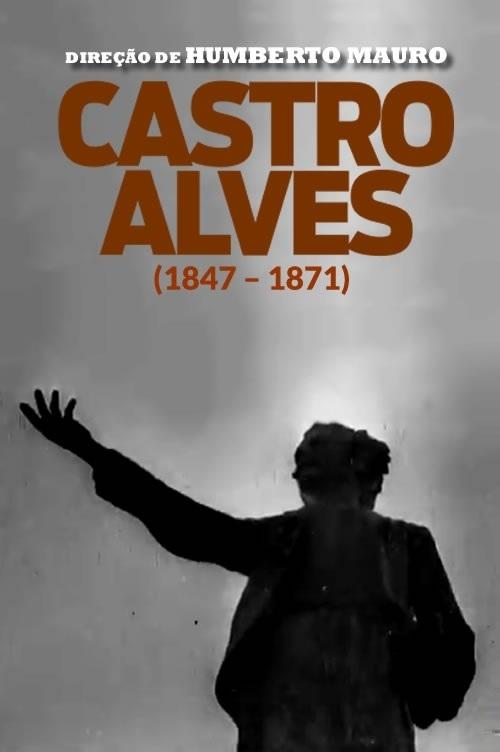
Biographical data about Castro Alves: the different cities where he lived, the love misadventures, the school institutions where he studied and his poetry. Countryside landscapes illustrate the narrated trajectory. Negra caresses a child in a performance by Castro Alves with her nanny Leopoldina. Men work in pestles, weed. Views of the cities of Cachoeira and Salvador. In the capital, highlights include the Church, Feira de Meninos, the Solar da Boa Vista. Views of the city of Recife. The Recife Faculty of Law. A herm of the poet. The Santa Isabel Theatre. Return to Salvador and the São João Theater.
Castro Alves

A brief history of paper and the stages of its production. An animation about the history of writing, the emergence of paper in ancient civilizations and the invention of printing, taking paper manufacturing to an industrial scale. Paper production in Brazil, with emphasis on the use of pine, eucalyptus and bamboo. At Companhia Mineira de Papéis, in Cataguases, the stages of paper making. Paper consumption and its production in tons in Brazil since 1939. Brazilian self-sufficiency and the use of paper in various activities.
O Papel

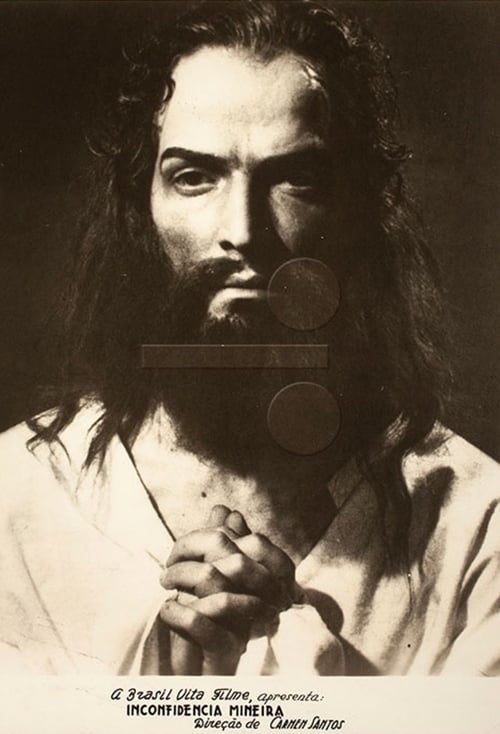
Reconstruction of the historical episode of the Inconfidência Mineira (Minas Conspiracy).
Minas Conspiracy

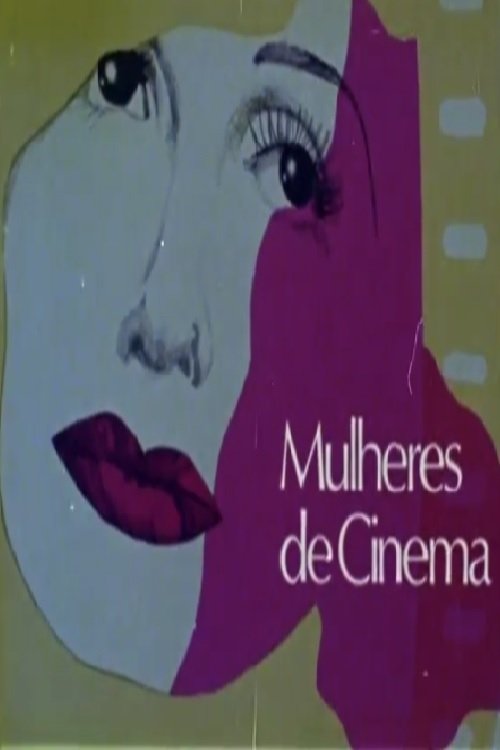
Documentary on famous Brazilian actresses, female directors and the role of women in Brazilian film history.
Mulheres de Cinema

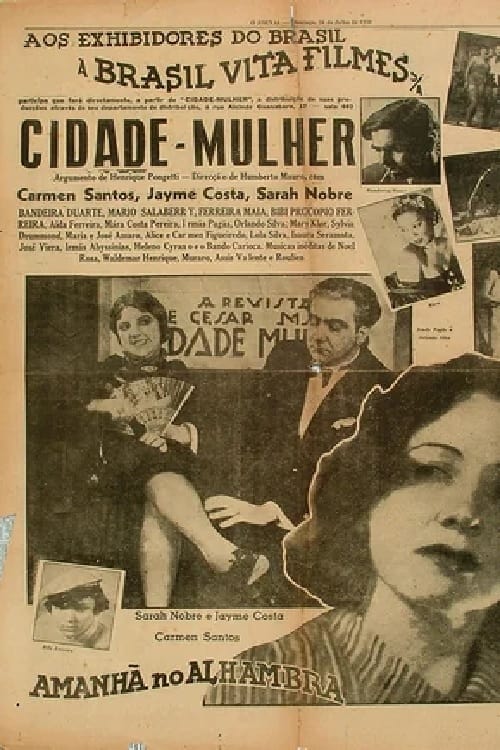
A theater manager about to go bankrupt decides to accept help from his daughter and her boyfriend to save the family's finances, which she does with the sponsorship of a rich man.
Cidade Mulher

No description available.
A Voz do Carnaval

A young man from Rio who, down on his luck in the capital, takes a job as manager of a sugar mill in the country, where he finds love with the mill owner’s daughter. The former manager, who had been demoted for incompetence, becomes jealous and tries to sabotage the mill.
Dormant Embers

No description available.
Flagrantes da Vida Rural: Fazendas Clássicas

Documentary about Humberto Mauro, his work and its importance.
Mauro, Humberto

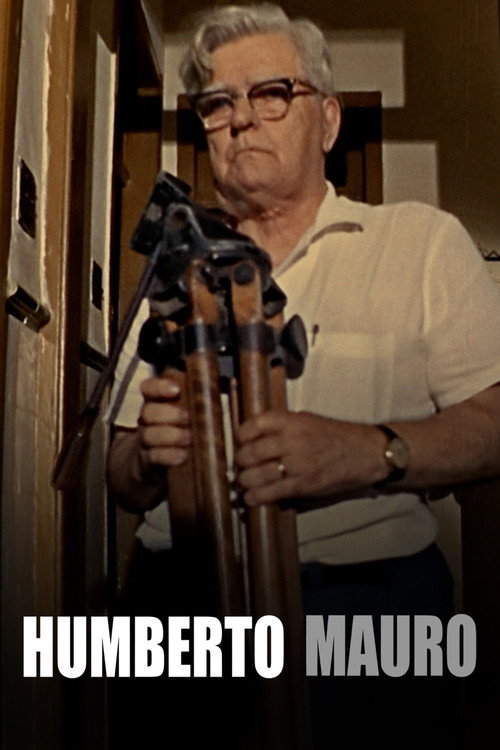
A short documentary on the film works directed by Brazilian pioneer Humberto Mauro. With an extensive career that began in the silent era and then moved to the talkies, Mauro was recognized as one of the most important Brazilian filmmakers of all time.
Humberto Mauro
A cowboy uses songs to tame and gather his animals.
Aboio e Cantigas

The popular song Chuá Chuá, illustrated with scenes of rural life. Girl observes in window. A fountain drains water. A flower. The cattle grazing. River waters. Man seen from window of wattle and daub house. Girl hangs cage with bird. Man walks towards the gate. Ducks in river drink water. The popular song A Casinha Pequenina, illustrated with scenes from rural life. Hut surrounded by banana trees and a coconut tree. Children walk hand in hand, sit on the riverbank. Birds in cages. Again the little house and the vegetation that surrounds it, especially the coconut tree.
Chuá-Chuá e Casinha Pequenina

Aspects of the city of Congonhas do Campo. The preponderance of baroque architecture, the Basilica of Senhor Bom Jesus de Matozinho, the six chapels on the terrace leading to Morro do Maranhão. Each chapel contains statues representing moments of the Passion of Christ. While in the first chapel there is Santa Ceia figuration, in the second there is the Passo Horto scene. The kiss of betrayal and the imprisonment of Christ before the scene of the third chapel. In the fourth, two scenes are gathered: the coronation and the flagellation. On the fifth, the Christ bears the cross and the crucifixion is featured in the sixth chapel. The twelve apostles of Aleijadinho and the Latin inscriptions of each one. The interior of the Basilica and its main altar, with the figure of the Lord Dead.