Rudolf Sremec
Writing
Known For
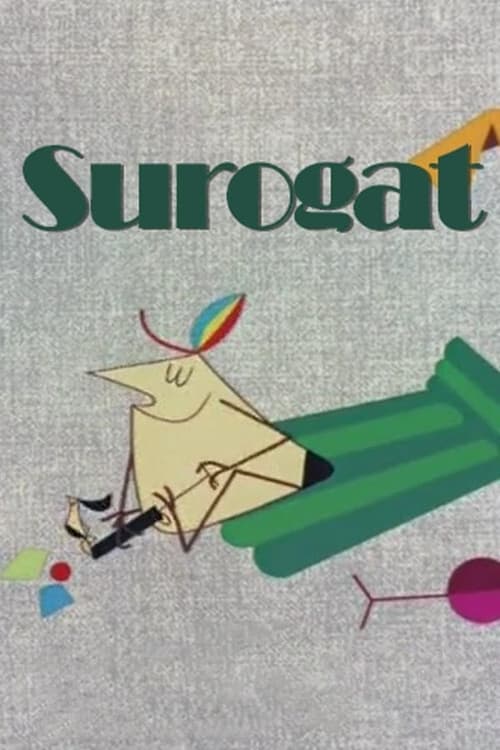
With magic inflatable objects that spring to life to fill his every need, a flippant beachgoer wants for nothing. Well... almost nothing.
The Substitute
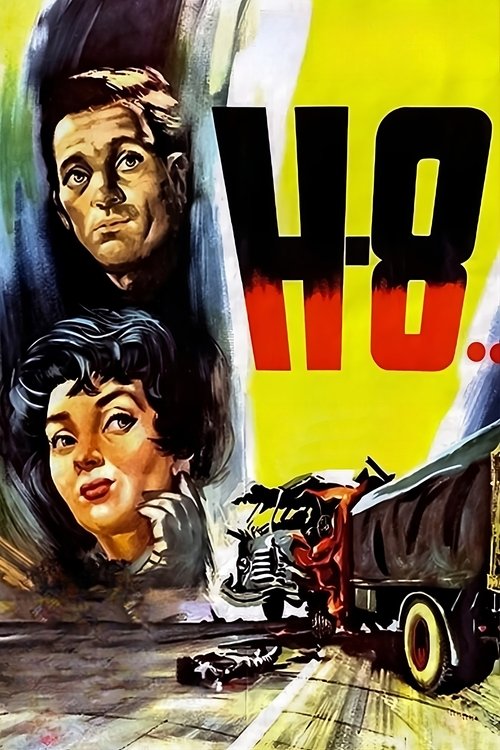
A bus traveling from Belgrade to Zagreb is involved in a tragic accident when a reckless driver causes a catastrophic collision on a rainy night, leading to the tragic deaths of several passengers.
H-8...
Yugoslav Partisan propaganda film about the liberation of Istria at the end of the World War II.
Istria
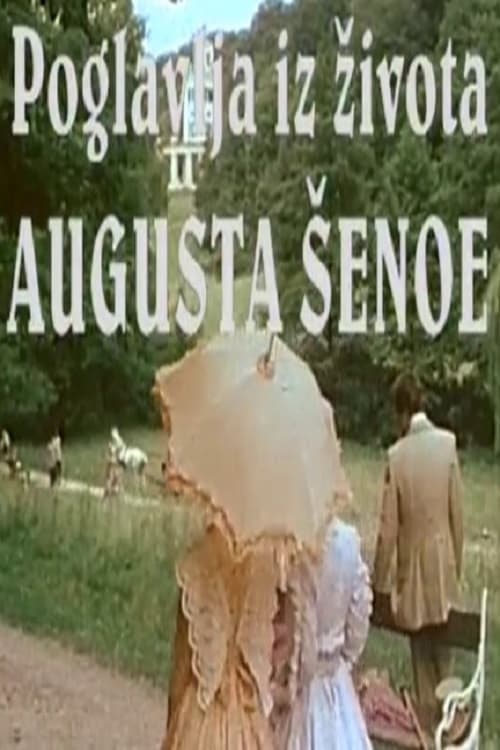
Life and times of August Šenoa, popular Croatian novelist who was one of the most influential writers in 19th Century. The movie was made for the 100th anniversary of his death.
The Life and Times of August Šenoa
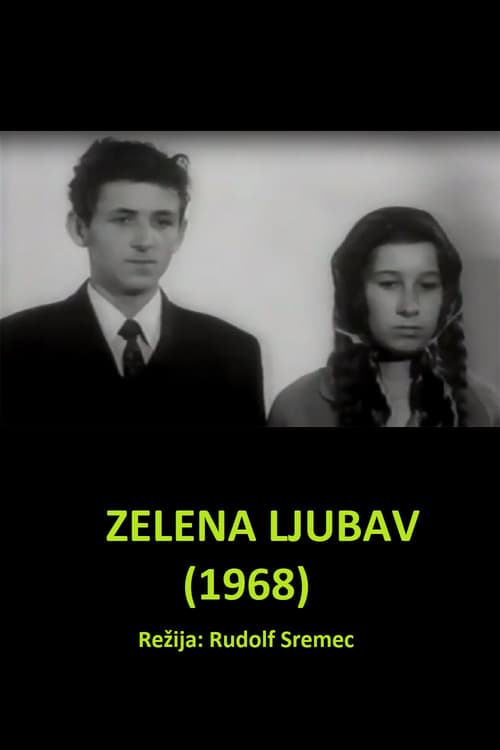
In some of Croatian villages, in the 1960s, there was still a custom of arranged marriages between children aged 12 to 15. This poignant but also witty film depicts the wedding of one of these unhappy couples.
Green Love

The poetical composition of the photography aims to express, by means of the shadow-and-light play, the characteristic surroundings of the life in the marshes near Osijek in Croatia.
Black Waters
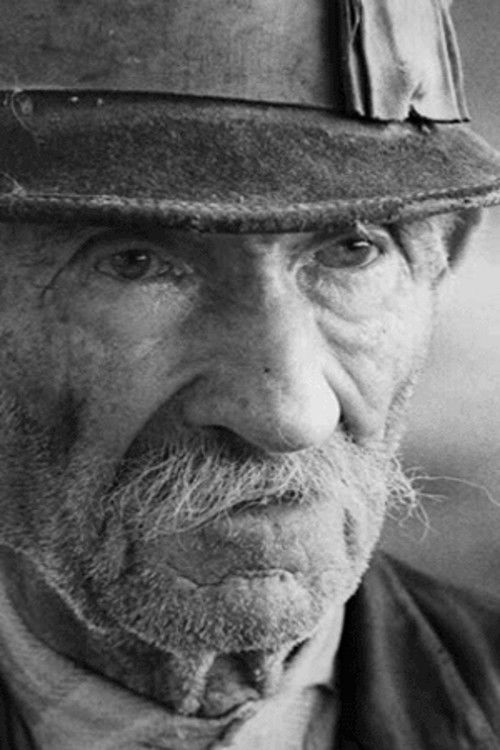
In Slavonia in the 1970ies it was still common practice to send old people to a decrepit house, usually on the edge of a forest, where they'd be left waiting for death. This is a document about one such wait for death, of an 86-year-old farmer Antun Babić from the Slavonian village Babina Greda.
The Time of Silence
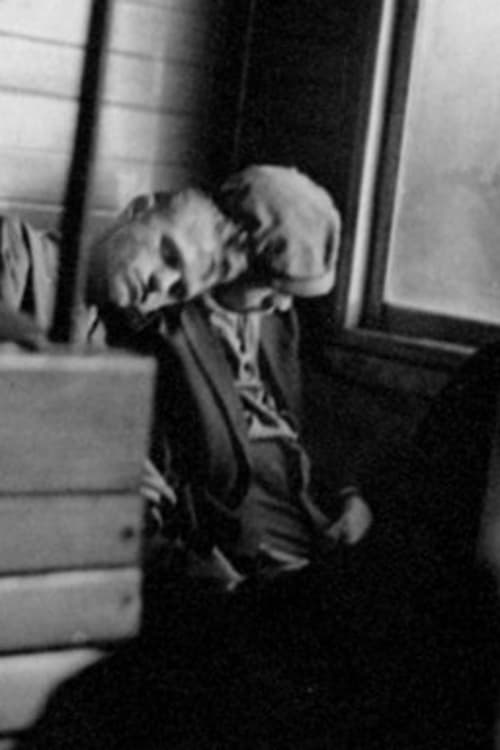
The film depicts one working day in the lives of travelling workers in different parts of Croatia: Baranja, Slavonia, Zagorje, Kvarner and Banovina. Through interviews and by employing the so-called friendly-camera method, the director portrays these exhausted, sleepy people and their dreary daily grind. Their lives are particularly well reflected in the early morning scenes of salesmen asleep in the most peculiar places and in the most curious ways: leaning against a fence or a wall, sitting on the railway tracks.
People on Wheels
Short documentary about the “Encyclopedia of Yugoslavia”, the archived national cultural legacy first published in 1955 under the direction of Miroslav Krleža.