FEEL IT.STREAM
Len Lye

Len Lye

Directing

Biography

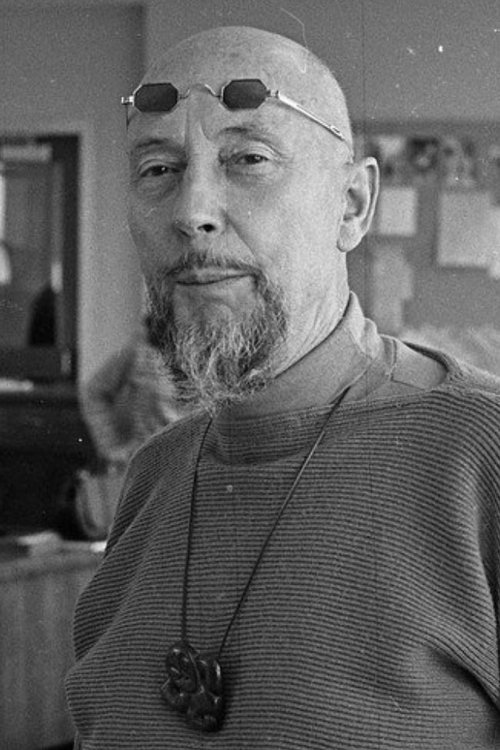
Leonard Charles Huia "Len" Lye (5 July 1901 – 15 May 1980), was a Christchurch, New Zealand-born artist known primarily for his experimental films and kinetic sculpture. His films are held in archives including the New Zealand Film Archive, British Film Institute, Museum of Modern Art in New York City, and the Pacific Film Archive at University of California, Berkeley.
Known For

Crusade in Europe
7.3

No description available.

Crusade in Europe

1949
Secrets of British Animation
6.0

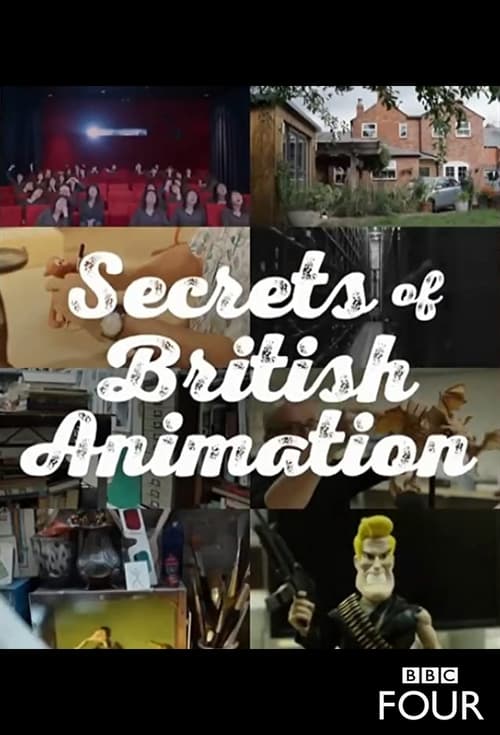
BBC Four’s new documentary takes us on a journey through more than a century of animation. It examines the creative and technical inventiveness of some of the great animation pioneers who have worked in Britain – trailblazing talents such as Len Lye, John Halas and Joy Batchelor, Joanna Quinn, and Bristol’s world-conquering Aardman Animations.

Secrets of British Animation

2018
When the Pie Was Opened
7.3

Surrealism, avant-garde sound montage, and irreverent wit might be the last thing you'd expect from a government-sponsored film about wartime cookery. But director, artist, animator and all-round firework of a man Len Lye specialised in the unexpected. A simple tale of a mother cheering up her daughter with a pie from her rationing-stricken pantry (interestingly the war is never directly referred to) is skilfully crafted into a work of real artistic depth, while retaining an unpretentious charm.

When the Pie Was Opened

1941
Rainbow Dance
6.3

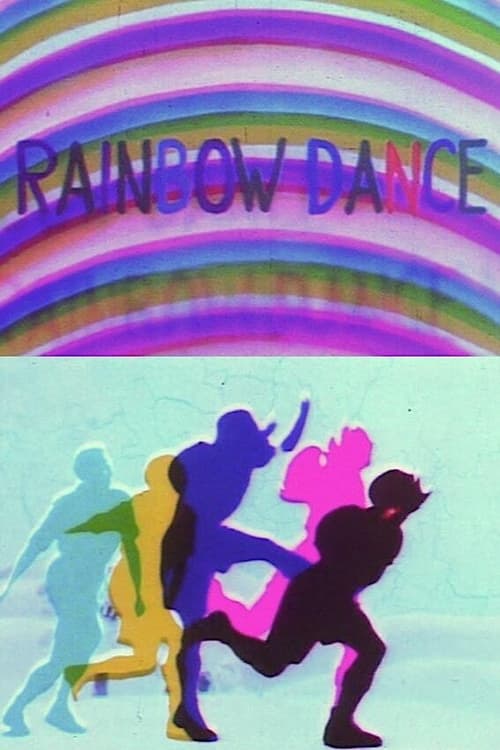
Rainbow Dance is a 1936 British animated film released by the GPO Film Unit. This is Lye's second film. It uses the Gasparcolor process.

Rainbow Dance

1936
N or NW
7.0

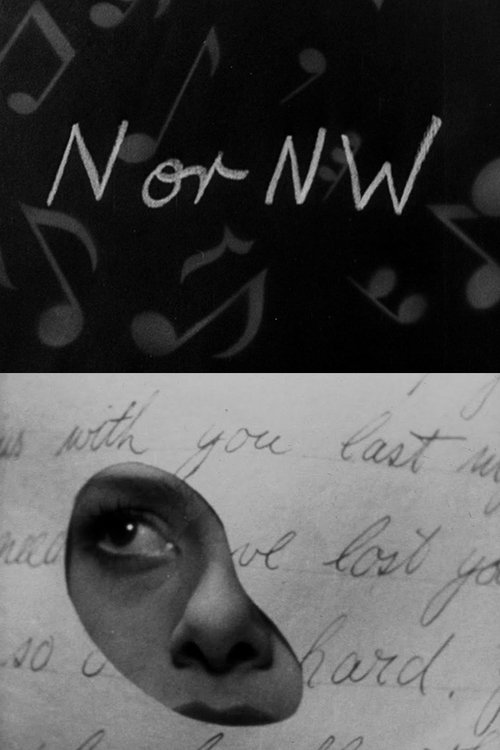
Correspondence between young lovers nearly ends in disaster through a mistake in postal district. Fortunately the GPO spots the error and all ends well, but with the moral that correspondents should get the address right.

N or NW

1938
Cameramen at War
5.8

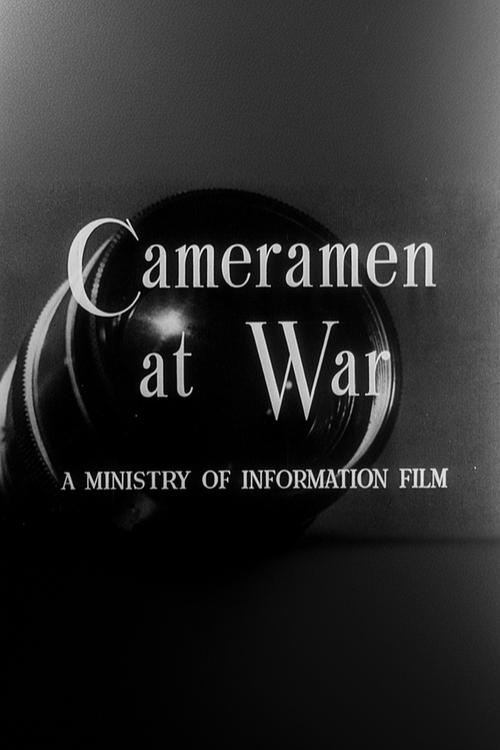
A tribute to the cameramen of the newsreel companies and the service film units, in the form of a compilation of film of the cameramen themselves, their training and some of their most dramatic film.

Cameramen at War

1943
Tal Farlow
6.8

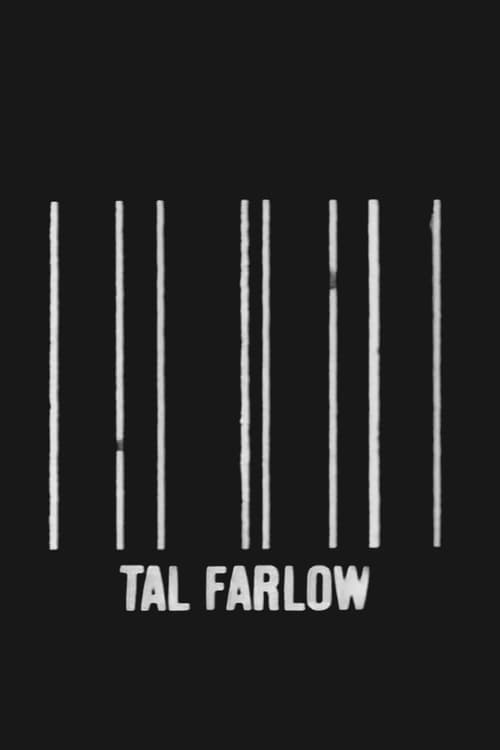
Lye created a series of scratched images in the 1950s – more regular or geometric than his usual style – to accompany Rock ‘n’ Rye, a track by jazz guitarist Tal Farlow, but he did not get far with the editing. He returned to the material in 1980 but died before it was completed. His assistant Steven Jones finished the film under the supervision of Lye’s widow Ann, who had been closely involved with all of Lye’s American films. - Harvard Film Archive

Tal Farlow

1981
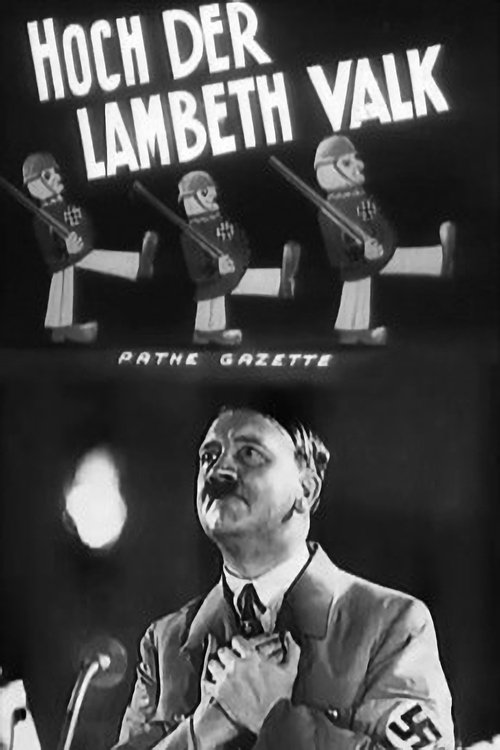
Hoch der Lambeth Valk
7.3

A 1941 Ministry of Information propaganda film set to the tune of The Lambeth Walk, a popular song from the musical Me and My Girl.

Hoch der Lambeth Valk

1941
Kill or Be Killed
6.5

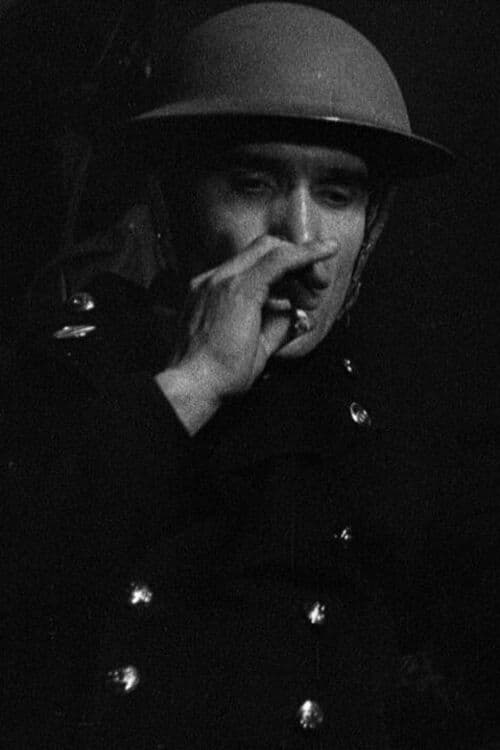
A fictional enactment of the deadly contest between a British soldier and a German sniper hiding in a tree. Kill or Be Killed differs from most army instructional films because of its powerful dramatization.

Kill or Be Killed

1942
Pittsburgh
N/A

Commissioned by the Pittsburgh Bicentennial Association to celebrate the city’s 200th anniversary, PITTSBURGH was created by a team of filmmakers that included Stan Brakhage (working under the pseudonym James Stanley), Weegee, Len Lye, and Stan Vanderbeek, and photographers W. Eugene Smith and Willard Van Dyke. Brakhage called it “weirdly interesting, but a monstrosity.”

Pittsburgh

1959
Doodlin': Impressions Of Len Lye
8.0

This documentary, made seven years after the death of legendary filmmaker and kinetic artist Len Lye, tells Lye's story: from being a young boy staring at the sun, to travels around the Pacific and life in New York. It includes excerpts from many of his films, and interviews with second wife Ann and biographer Roger Horrocks. Len Lye himself is often heard, outlining his ideas of the ‘old brain’ and how Māori and Aboriginal art influenced his work. The grandeur of his ideas are only matched by their scale, with steel sculptures designed to be "at least 20 foot high".

Doodlin': Impressions Of Len Lye

1987
No image
N/A

Documentary about New York night clubs.

March of Time: Night Club Boom

1945
The Birth of the Robot
7.0

This experiment was a “prestige advertisement” for Shell Motor Oil. As conventional animation became dominated by Walt Disney, many European filmmakers turned to puppets as an alternative, and Lye enlisted the help of avant-garde friends such as Humphrey Jennings and John Banting to make the amusing puppets. Exploring the still-complex color process, which involved the combination of three separate images, Lye creates such a vivid storm scene that reviewers hailed it as “proof that the color film has entered a new stage.” The music is Holst’s The Planets. - Harvard Film Archive

The Birth of the Robot

1936
Experimental Animation
6.6

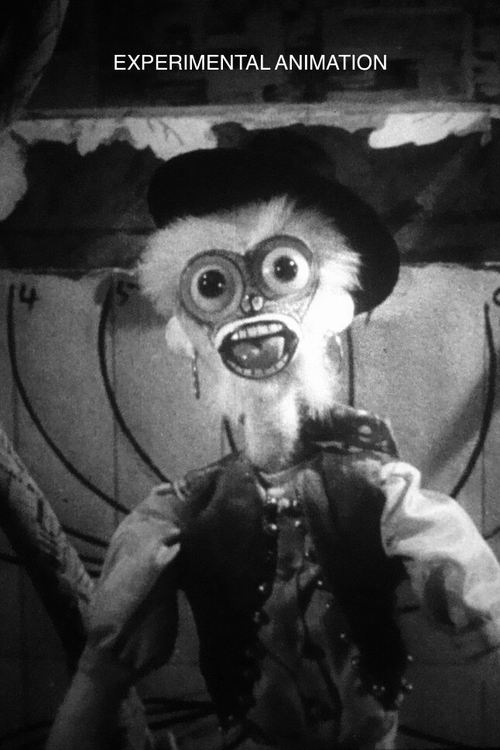
Len Lye scraped together enough funding and borrowed equipment to produce a two-minute short featuring his self-made monkey, singing and dancing to 'Peanut Vendor', a 1931 jazz hit for Red Nichols. The two foot high monkey had bolted, moveable joints and some 50 interchangeable mouths to convey the singing. To get the movements right, Lye filmed his new wife, Jane, a prize-winning rumba dancer.

Experimental Animation

1933
Free Radicals
6.0

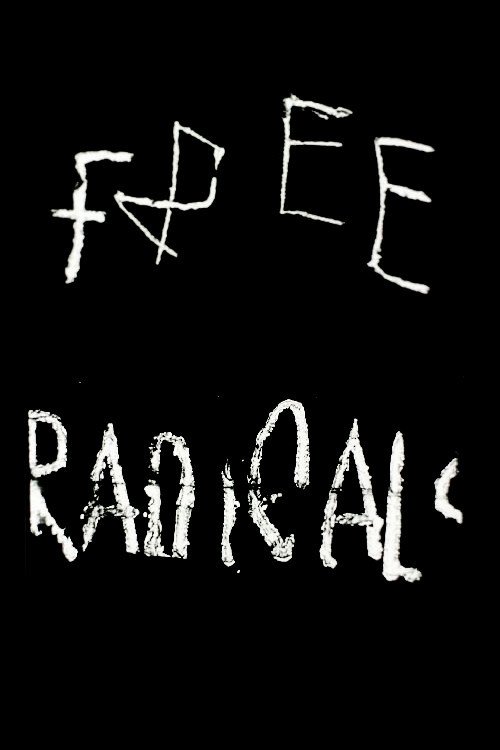
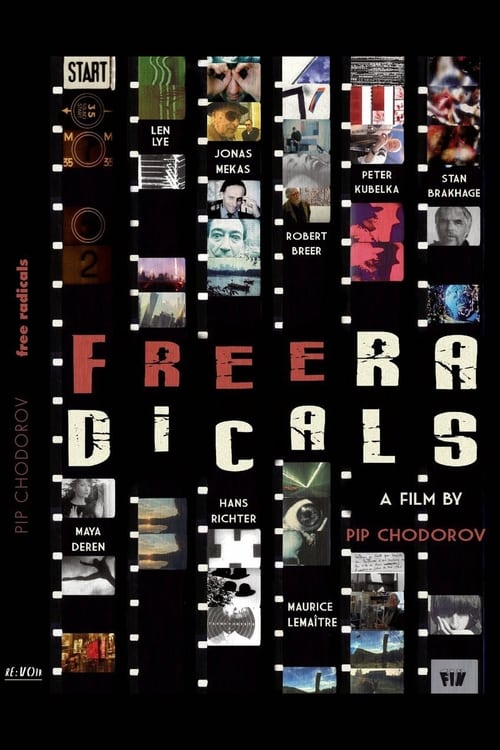
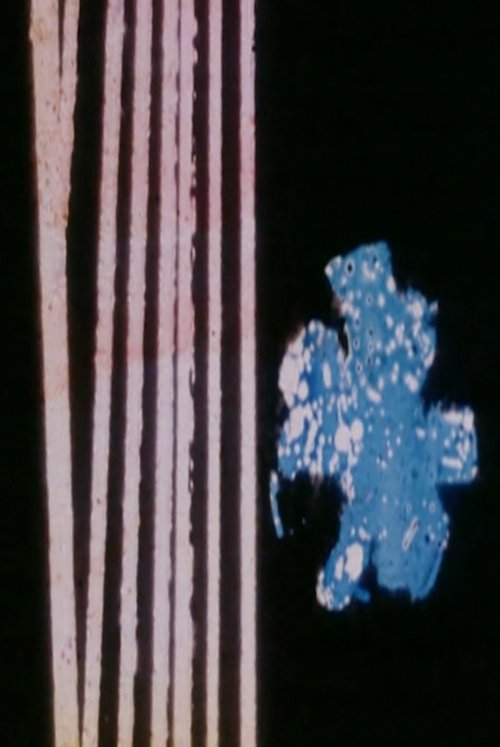
In this powerful abstract film with a soundtrack of African drum music, Lye scratched "white ziggle-zag-splutter scratches" on to black leader, using a variety of tools from saw teeth to arrow heads. The first version of the film won a major award at the International Experimental Film Festival Held in Brussels in 1958 in association with the World's Fair. Stan Brakhage described the film as "an almost unbelievably immense masterpiece".

Free Radicals

1958
Abstract Cinema
9.0

Several well-known and pioneering abstract filmmakers discuss the history of non-objective cinema, the works of those that came before them and their own experiments in the field of visionary filmmaking.

Abstract Cinema

1993
No image
6.2

Intended as a publicity film for Chrysler, Rhythm uses rapid editing to speed up the assembly of a car, synchronizing it to African drum music. The sponsor was horrified by the music and suspicious of the way a worker was shown winking at the camera; although Rhythm won first prize at a New York advertising festival, it was disqualified because Chrysler had never given it a television screening. P. Adams Sitney wrote, “Although his reputation has been sustained by the invention of direct painting on film, Lye deserves equal credit as one of the great masters of montage.” And in Film Culture, Jonas Mekas said to Peter Kubelka, “Have you seen Len Lye’s 50-second automobile commercial? Nothing happens there…except that it’s filled with some kind of secret action of cinema.” - Harvard Film Archive

Rhythm

1957
Life's Musical Minute
5.5

Life’s Musical Minute, recently re-discovered, is a short promotional film of this kind, based on Gene Krupa’s drum solo from “Golden Wedding” by the Woody Herman jazz band. It was Lye’s attempt to gain support from Life Magazine.

Life's Musical Minute

1953
Bells of Atlantis
5.4

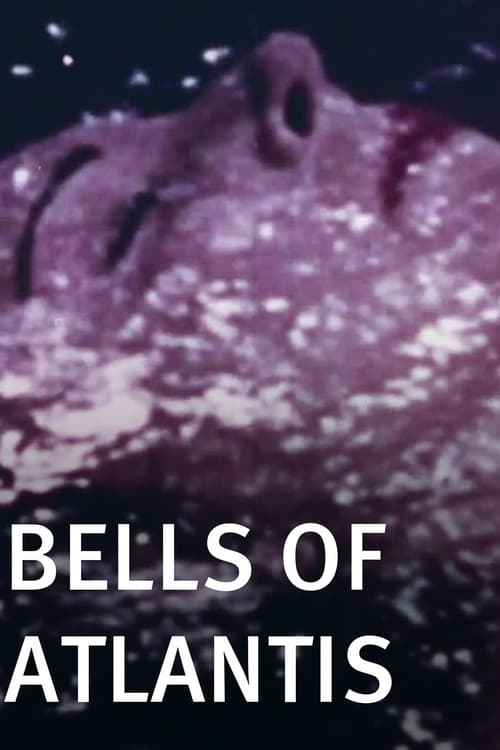
A perfect fusion of poetry and film, with dense layered imagery and music from electro pioneers Louise and Bebe Barron. The writer Anaïs Nin provides dialogue from her novella “House of Incest” and appears adrift in the undersea realm of Atlantis before ascending to dry land.

Bells of Atlantis

1952
No image
6.6

Lye completed his last great film a few months before his death at the age of 78. The film returned to the black-and-white techniques of Free Radicals. Lye created what he called “vibrant little images” or “zig-zags” with a sense of “zizz”. The clusters of small scratches gave the film a unique texture – the images looked rough but were in fact extremely subtle. The title Particles in Space referred to flashes of energy of the kind sometimes seen by astronauts in space. The soundtrack combined “Jumping Dance Drums” from the Bahamas with drum music by the Yoruba of Nigeria and the sounds of Lye’s metal kinetic sculptures. The opening titles demonstrated Lye’s mastery of the scratching of letters and words on film, a method imitated by other film-makers such as Stan Brakhage.

Particles in Space

1980