Dominga Sotomayor
Directing
Biography
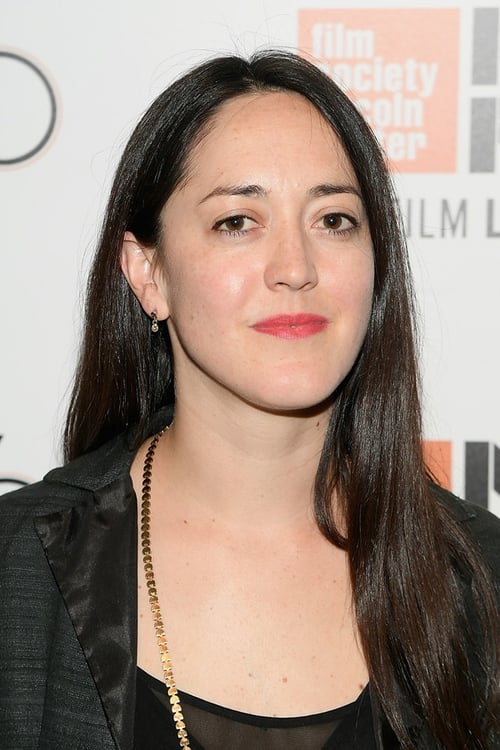
Dominga Sotomayor is a Chilean director and screenwriter. She was born in Santiago de Chile in 1985. Her first feature film, ‘Thursday Till Sunday’ (2012), was developed at the Cinéfondation Résidence, won the Tiger Award at the International Film Festival Rotterdam, and was named best film at IndieLisboa, New Horizons, and the Valdivia International Film Festivals. She co-directed ‘The Island’ (2013), which also claimed a Tiger Award. In 2015, her medium-length film ‘Mar’ had its premiere in the Forum section at the Berlin International Film Festival, and she also released ‘Aqui, Em Lisboa’, a collective film directed with Gabriel Abrantes, Denis Côté, and Marie Losier.
Known For

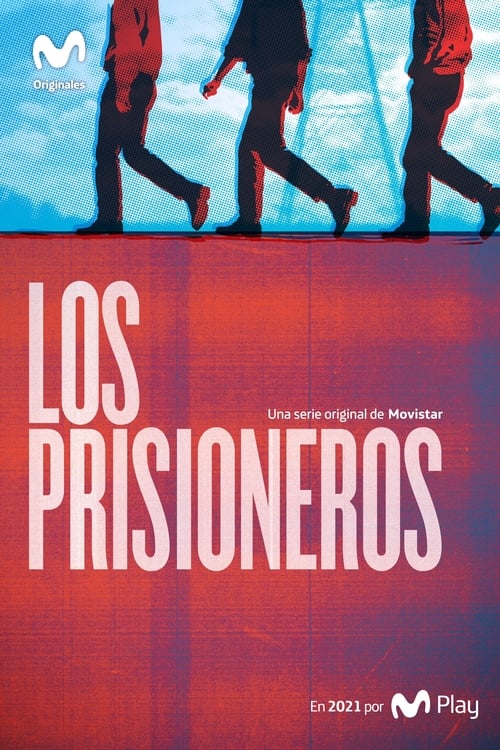
Follows the life of the three members of "Los Prisioneros" during key moments of their careers. As they become an iconic band, and still today resonate.
Los Prisioneros

Estela, a young woman from rural Chile, embarks on a journey to Santiago, leaving her family behind to work as a maid for an affluent household.
Swim to Me

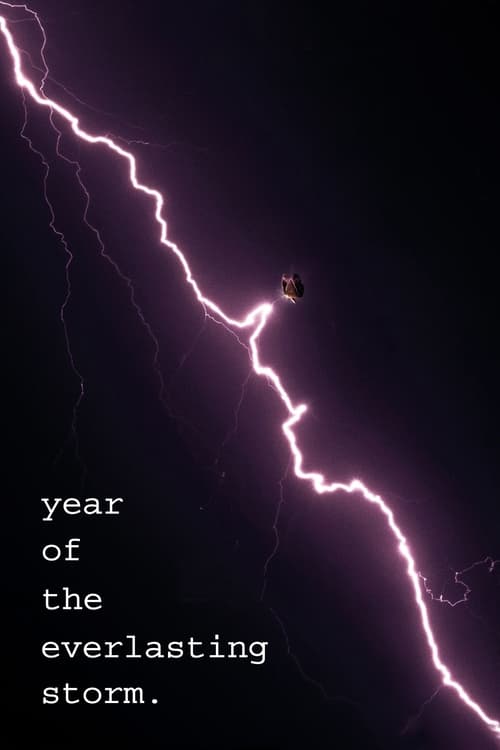
Featuring seven stories from seven auteurs from around the world, the film chronicles this unprecedented moment in time, and is a true love letter to the power of cinema and its storytellers.
The Year of the Everlasting Storm

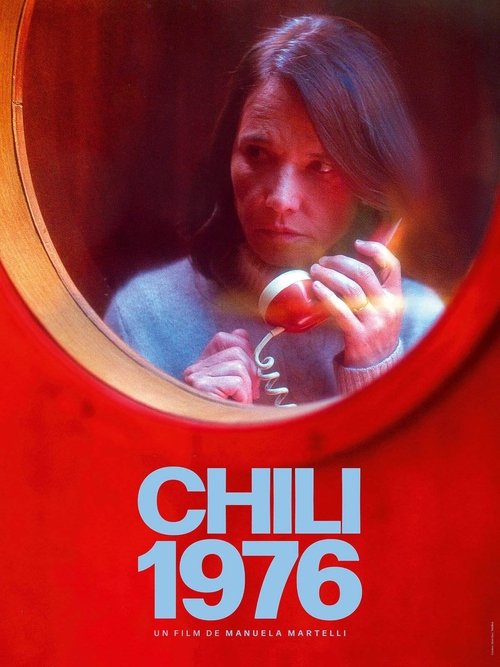
Chile, 1976. Carmen heads off to her beach house. When the family priest asks her to take care of a young man he is sheltering in secret, Carmen steps onto unexplored territories, away from the quiet life she is used to.
Chile '76

When their parents die, Bianca starts to smoke and Tomas is still a virgin. The orphans explore the dangerous streets of adulthood until Bianca finds Maciste, a retired Mr. Universe, and enters his dark mansion in search of a future.
The Future

On a remote island in the South of Chile, a solitary woman rescues an abandoned puppy, forging an unlikely bond that forces her to confront deep resentments, fractured relationships, and a trauma that refuses to stay in the past.
La Perra

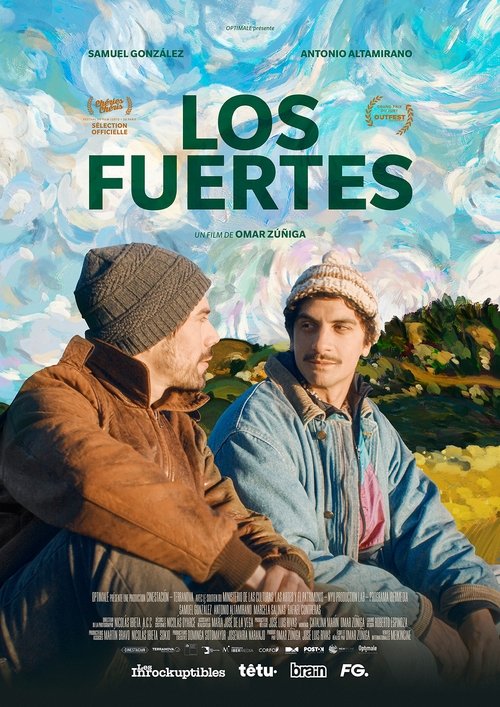
Lucas travels to visit his sister to a remote town in southern Chile. In front of the ocean and the fog, he meets Antonio, a boatswain in a local fishing boat. When an intense romance grows between them, their strength, their independence and their adulthood become immovable in front of the tide.
The Strong Ones

In precise, unhurried compositions of image and sound, Lamar’s feature debut portrays a man and his dying wife, living in a remote hut in the hills of Paraguay. All the stages of mourning are passed through in a single day in this wordless account of an emotional earthquake.
The Last Land

Little Claire kills time with María, her Ecuadorian nanny, while waiting for her mother to arrive.
Apnea

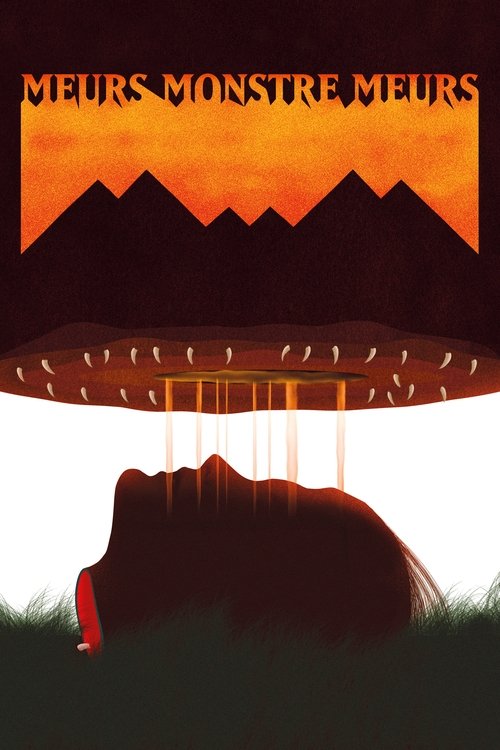
A rural police officer investigates the bizarre case of a headless woman's body. The prime suspect blames the crime on the appearance of a legendary monster.
Murder Me, Monster

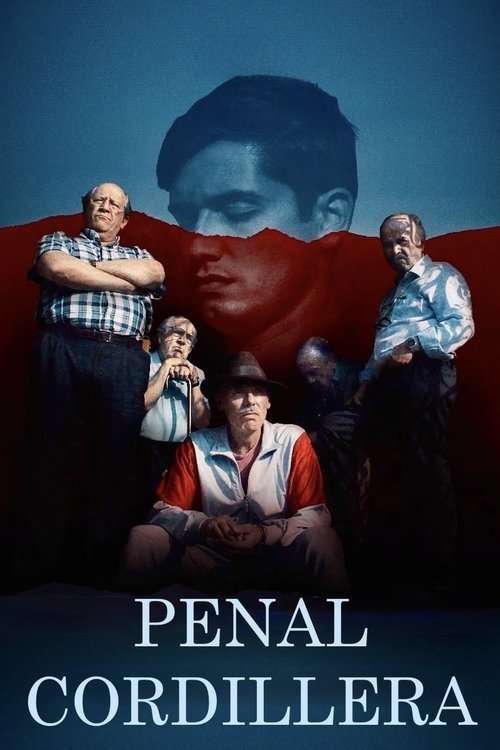
Brutal torturers of Pinochet's dictatorship are serving sentence in a luxury prison at the foot of the Andes. Fearing of transferring to a regular jail, the officers will go to great lengths to stay fury and violence in the mountains.
Prison in the Andes

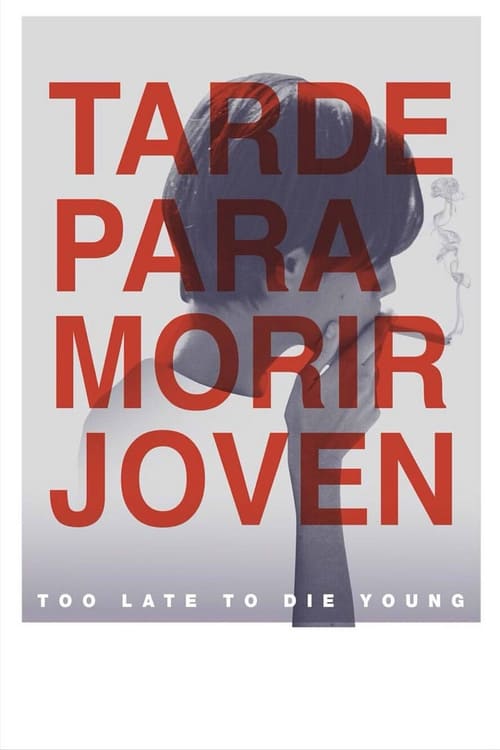
During a very dry summer in an isolated community far from the city. Sofia, Clara and Lucas face their first loves and fears, while preparing the New Year's party, without knowing that nature threatens them.
Too Late to Die Young

While Thomas spends his last weekend in Chile with his family, before traveling abroad for the first time, a flaw in the sewage system produces a flood of smelly water. The problem shows the essence of family relationships.
First Born

At day Jorge, at night Erica. At the dawn of the new changes that cross the country, Jorge / Erica talks about him/her self, his relationship with his/her body, his family and the society that surrounds him in San Antonio de los Banos, a small town near Havana, Cuba
Brillo

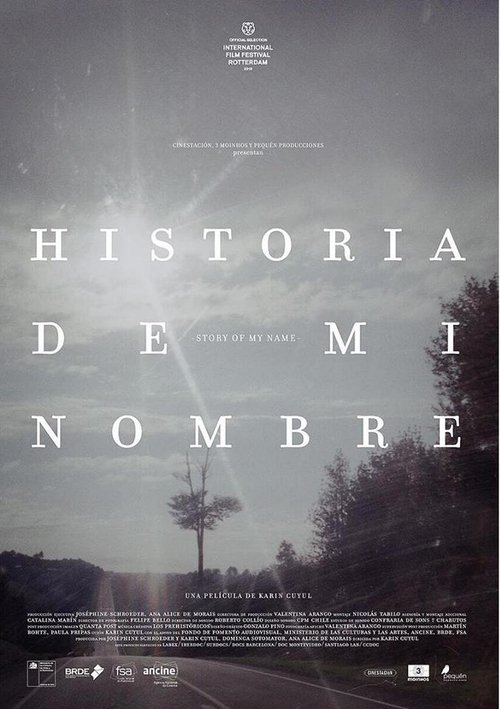
After a fire destructed my house, I return to the places where I grew up looking for childhood recollections. In this journey appears the memory of a photo for Karin Eitel, a young woman, tortured and detained during the dictatorship, to whom I owe my name. A story that my parents never told me, brings me closer to Karin and not just because of my name. In the background, the memory of a childhood in Chile, a country that reconstructed its democracy omitting its own history.
Story of My Name

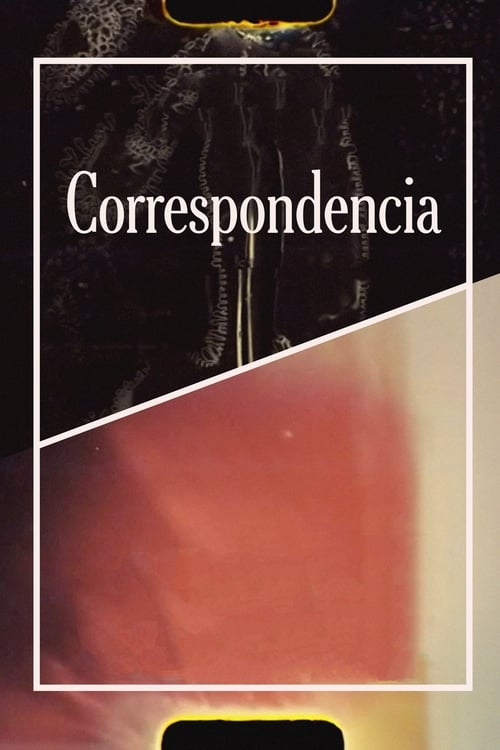
In the form of a filmed epistolary conversation, two young, experienced filmmakers discuss film, present and past family, heritage and maternity. The personal and profound reflections—which are embodied in the graceful images taken day-to-day—are suddenly echoed by the political emergency of a country.
Correspondence

The Patagonian steppe is battered by a grey wind... Mora is 13 years old and intends to become a "gaucho". She questions the school and asserts her individuality towards her parents, two environmentalists from Italian-speaking Switzerland whose dream of autonomy turns into a nightmare. Mora goes deep into the steppe to help the only friend she has, Nazareno, an old Mapuche who has lost his horse, Zahorí.
Zahorí

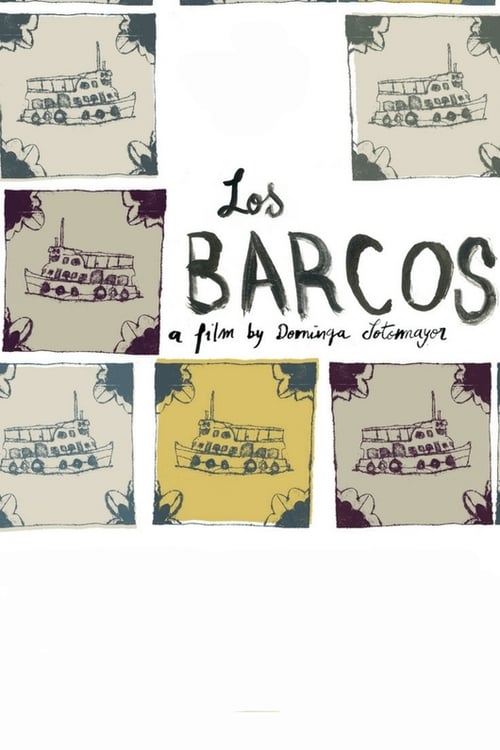
An actress travels to Lisbon representing a film where she has a secondary role, regarding nobody else was available to go. In the Q&A in the Cinematheque she doesn't know how to answer the audience questions.
Los Barcos

Two women are traveling through a coast road, evading the pain left behind. The trip is interrupted when they see an old lady running at one side of the road, in front of the car. This encounter marks the beginning of the rest of their lives.
November

As she and her family embark on a short vacation, a young Chilean girl slowly comes to the realization that her parents might be splitting up.