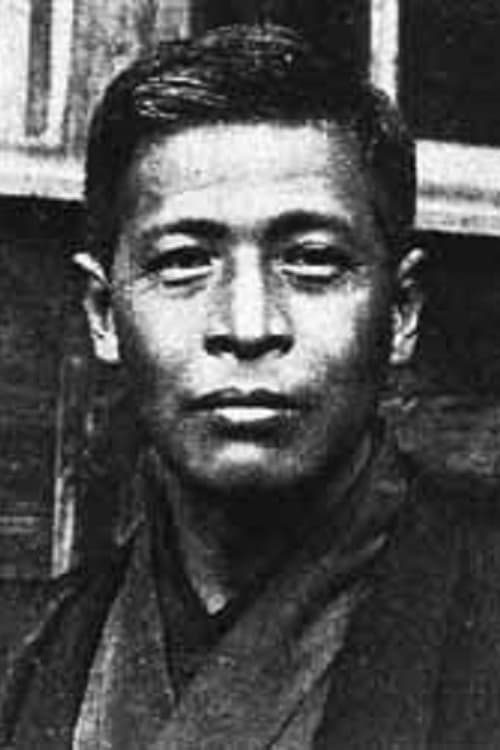
Shōzō Makino
Directing
Biography
Shōzō Makino (マキノ省三, Makino Shōzō, September 22, 1878, Kyoto – July 25, 1929) was a Japanese film director, film producer and businessman who is regarded as a pioneering director of Japanese film. In addition, all four of his sons, including Masahiro Makino and Sadatsugu Matsuda, went into the film business as either directors or producers, and his grandchildren include the actors Masahiko Tsugawa and Hiroyuki Nagato. Actress Yoko Minamida is a granddaughter-in-law. Description above from the Wikipedia article Shōzō Makino, licensed under CC-BY-SA, full list of contributors on Wikipedia
Known For
Part two of Leni Riefenstahl's monumental examination of the 1938 Olympic Games, the cameras leave the main stadium and venture into the many halls and fields deployed for such sports as fencing, polo, cycling, and the modern pentathlon, which was won by American Glenn Morris.
Olympia Part Two: Festival of Beauty

A representative film directed by Masahiro Makino, son of Shozo Makino ("the father of Japanese film"). This film lent status to ensemble casts that did not rely on famous stars. The unique setting of the samurai town, exquisite camera work and fast-paced sword fighting scenes all have an original appeal that audiences can related to even today.
Samurai Town Story Part II
All that remains of the first Samurai Town Story is the concluding battle.
Samurai Town Story Part I
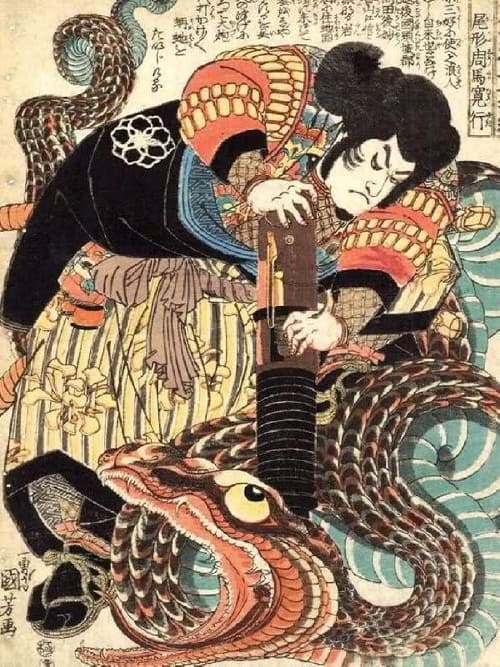
Jiraiya is some sort of super-ninja with superpowers. He can fly, he can avoid detection by turning himself into a toad, and he has some sort of ability to vanish.
Jiraiya the Hero
Raiden is a 1928 black and white Japanese silent film with benshi accompaniment directed by Shozo Makino and Sadatsugu Matsuda. It is a posthumous work by Makino and is the last film starring his son, Masahiro Makino, in his first role in a comedy film.
Raiden
Film about Ghost-cat.
Monster-Cat of Sanno
No description available.
Keai-dori
An adventure film with Benshi performers. Sometimes considered the 'first Japanese feature film', it survives today as a compilation of scenes from various different 1910s adaptations totaling nearly three hours in length. The bulk of the content comes from the 1911 adaptation by legendary Japanese filmmaker Makino Shozo.
The 47 Loyal Ronin
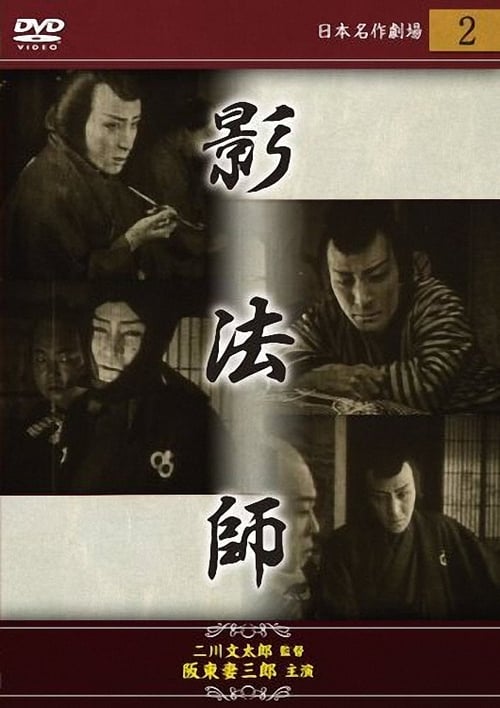
Kageboshi, based on the screenplay by Rokuhei Rokuhei Susukita, depicts the life of the ‘jovial thief’, Kageboshi.
Edo kaizoku-den : Kagebôshi
No description available.
Ahôshige
short film about Banchō Sarayashiki.
Bancho sarayashiki
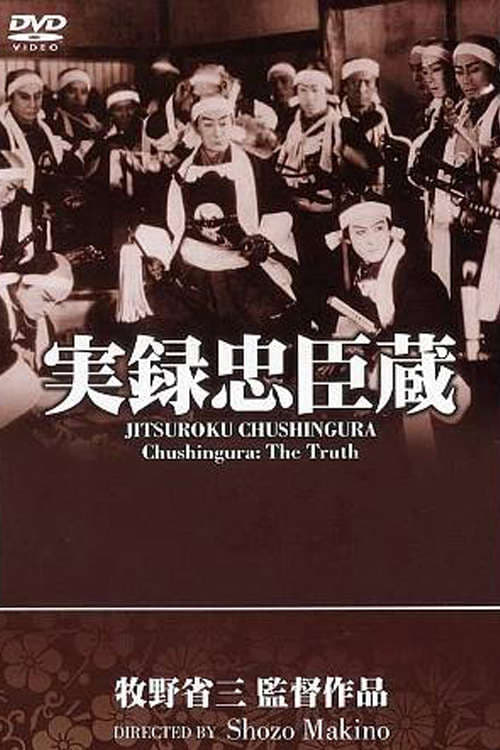
Lord Asano Takumi-no-Kami Naganori was charged with receiving a group of envoys from the Imperial Court in Kyoto. He was young and slightly inexperienced, so Lord Kira Kozuke-no suke Yoshinako was given the task of instructing Lord Asano in the customs of the ceremony. On the day of the reception, something went terrible wrong, and Lord Asano attempted to kill Lord Kira. For this, Lord Asano was order to commit seppuku. However, in violation of existing law, Lord Kira was not punished. The ruling Shogun Tokugawa Tsunayoshi eventually confiscated Lord Asano's land and dismissed the samurai that had served him so faithfully, effectively making them all ronin. Two years later, Oishi Kuranosuke Yoshi led a group of samurai loyal to Lord Asano in an attack on Kira's compound. Their aim was to capture and kill him.
Chushingura: The Truth
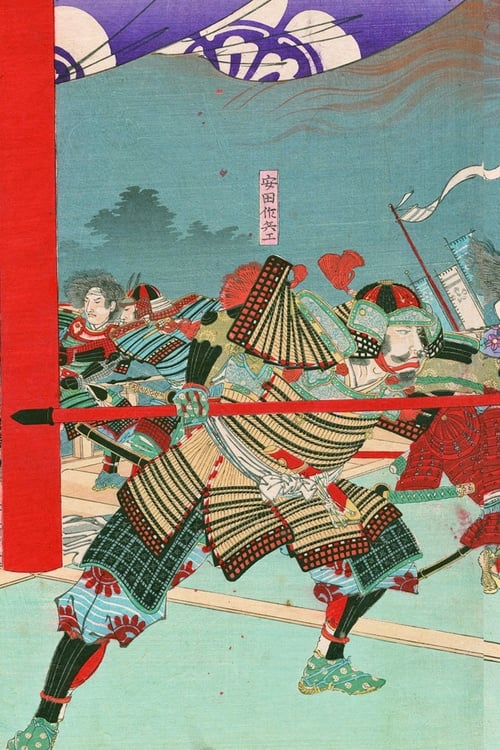
In 1908, Director/Producer Shozo Makino (father of Japanese cinema) directed and produced the first dramatic film in Kyoto. “Honnô-ji Gassen” was shot at Shinnyo-Do Temple. Considered a lost film.
Battle at Honnôji Temple
Okazaki Ghost-Cat movie.
The Okazaki Cat
Japanese horror movie from 1914.
Tenjiku Tokubei
No description available.
The Loyal 47 Ronin
Horror short.
Iwami Jûtarô
Japanese horror movie from 1914.
The Ground Spider
No description available.
Botan Dōrō
Japanese horror movie from 1914.