FEEL IT.STREAM
Mani Kaul

Mani Kaul

Directing

Biography

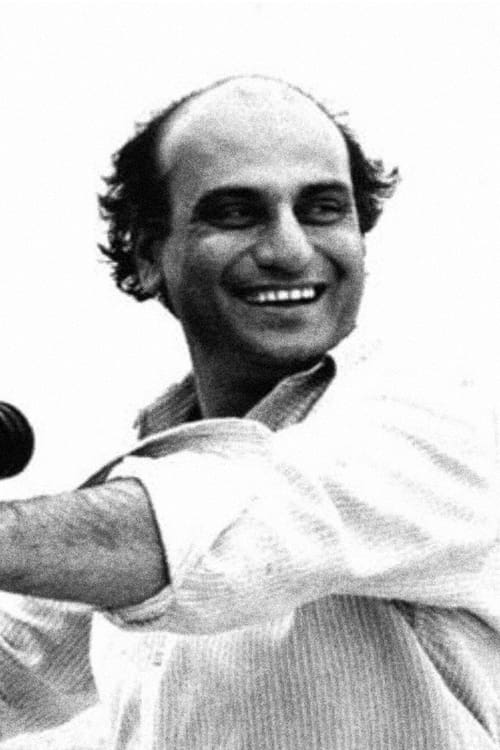
Mani Kaul (25 December 1944 – 6 July 2011) was an Indian director of Hindi films and a figure in Indian parallel cinema. He graduated from the Film and Television Institute of India (FTII) where he was a student of Ritwik Ghatak and later became a teacher. Starting his career with Uski Roti (1969), which won him the Filmfare Critics Award for Best Movie, he went on to win four of them in all. He won the National Film Award for Best Direction in 1974 for Duvidha and later the National Film Award for his documentary film Siddheshwari in 1989. Description above from the Wikipedia article Mani Kaul, licensed under CC-BY-SA, full list of contributors on Wikipedia.

Known For

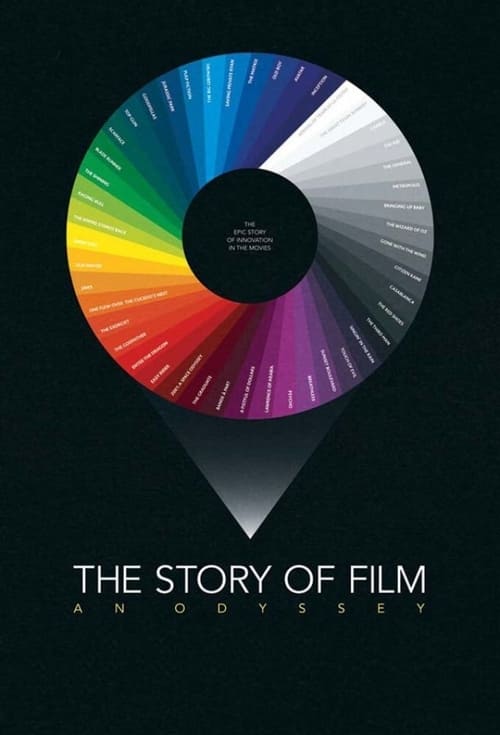
The Story of Film: An Odyssey
7.7

A worldwide guided tour of the greatest movies ever made and the story of international cinema through the history of cinematic innovation.

The Story of Film: An Odyssey

2011
Idiot
7.0

An epileptic man returns from medical treatment abroad and finds himself in love with a woman named Nastasia.

Idiot

1991
The Cloud Door
5.1

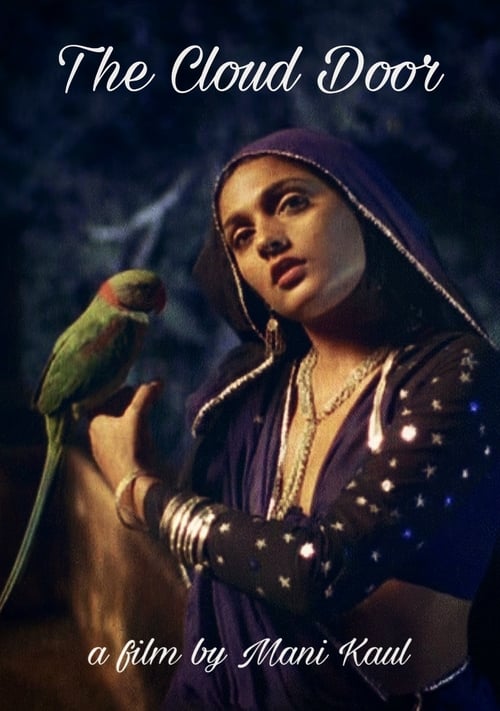
A very clever parrot lives in a Hindu palace, surrounded by many beautiful girls, but the parrot escapes, and is trapped far from the palace. One day, when its new owner is sleeping, the bird convinces a young boy to open the cage door. In return, it shows the boy a secret passage to get into the palace.

The Cloud Door

1994
No image
N/A

No description available.

Erotic tales

1994
No image
6.8

Samar wants to be successful in life but his parents force him to get married. His wife is shy and reserved and Samar does not like this. The other members in the family often ill-treat her.

Sara Akash

1969
Nazar
6.0

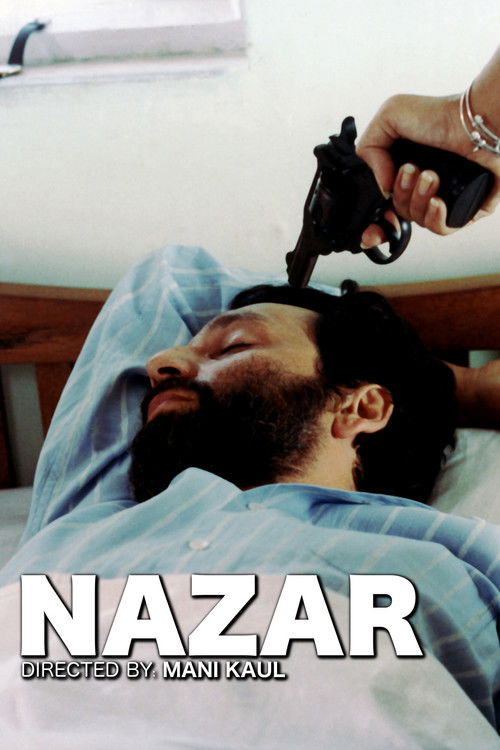
A middle-aged antique dealer and money lender recollects his marriage to a 17-year-old orphan girl.

Nazar

1991
Duvidha
7.1

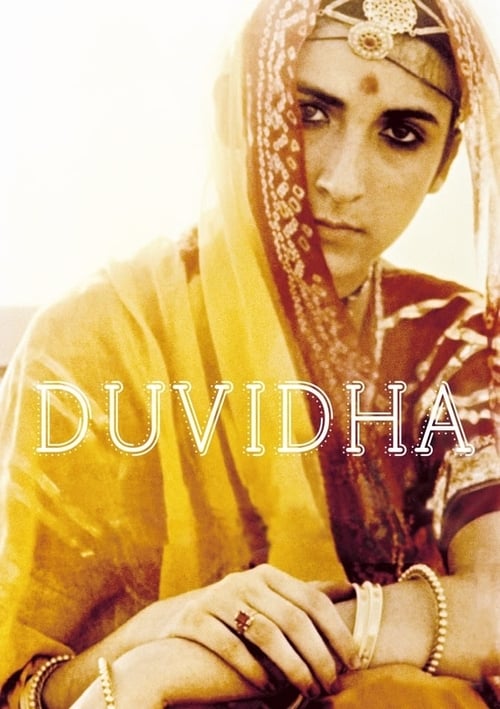
A newly-married merchant’s son is sent away for business. A ghost, who laid eyes on the bride, falls madly in love with her and takes the form of the husband and begins living with her.

Duvidha

1973
Mati Manas
6.0

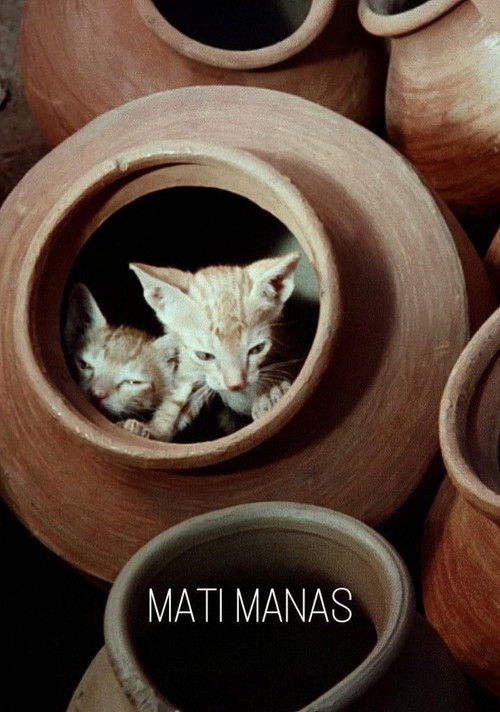
In a poetic hour and a half, director Mani Kaul looks at the ancient art of making pottery from a wide variety of perspectives.

Mati Manas

1985
Ghashiram Kotwal
6.8

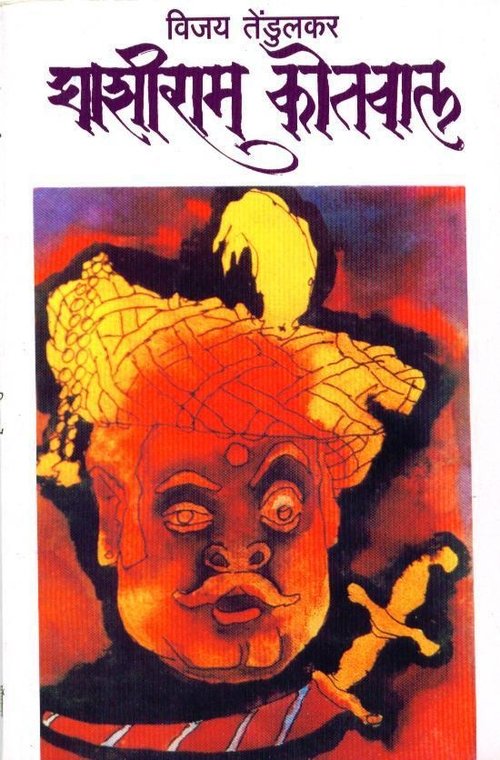
A stylized version of Vijay Tendulkar’s radical Marathi play chronicling the Peshwa regime in western India, a collective effort of direction and cinematography made by an independent group of young filmmakers.

Ghashiram Kotwal

1976
One Day Before the Rainy Season
7.6

A literary film based on a play in three acts, One Day Before the Rainy Season (Ashad Ka Ek Din) portrays the love of Mallika and Kalidasa, the renowned Sanskrit poet and dramatist. Vilom, a friend to both and interested in Mallika, is a passive onlooker for the first two acts. Kalidasa leaves his verdant mountain valley home for the splendour of far off Ujjain, where he wins fame. The action of the film is rooted in the village to which Kalidasa returns years later and finds Mallika married to Vilom and the mother of his child. Mallika sacrificed her love so that the poet could pursue his muse.

One Day Before the Rainy Season

1971
Danish Girls Show Everything
5.8

Despite its suggestive title, this multi-part Danish omnibus film is not a work of exploitation. Instead, it presents 20 different short films (back-to-back) on the general theme of Danish women, directed by filmmakers including Krzysztof Zanussi, Monika Treut, Gustav Hamos, David Blair, Vibeke Vogel, Dusan Makavejev, Morten Skallerud and Lars Norgaard. Some dramatic vignettes mix with other comedic ones, but all are offbeat and experimental. The picture includes one animated sequence (by Norgaard).

Danish Girls Show Everything

1996
Siddheshwari
5.5

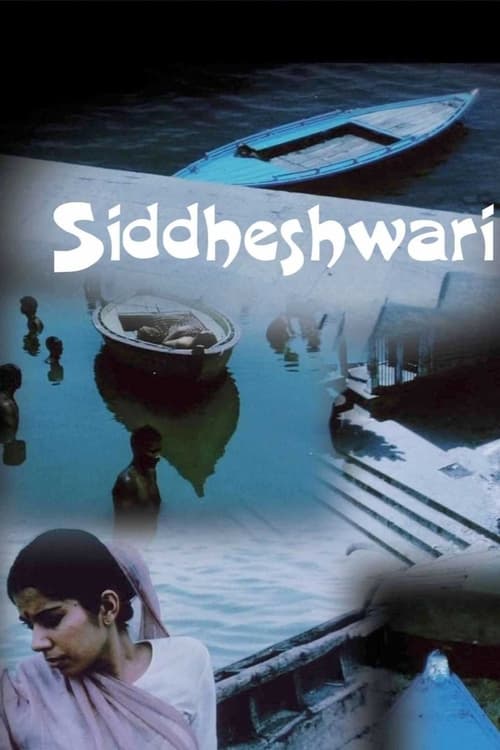
An impressionistic biographical look at Siddheshwari Devi (1908–1977), the classical Indian singer whose voice was appreciated by the maharajas and public alike.

Siddheshwari

1990
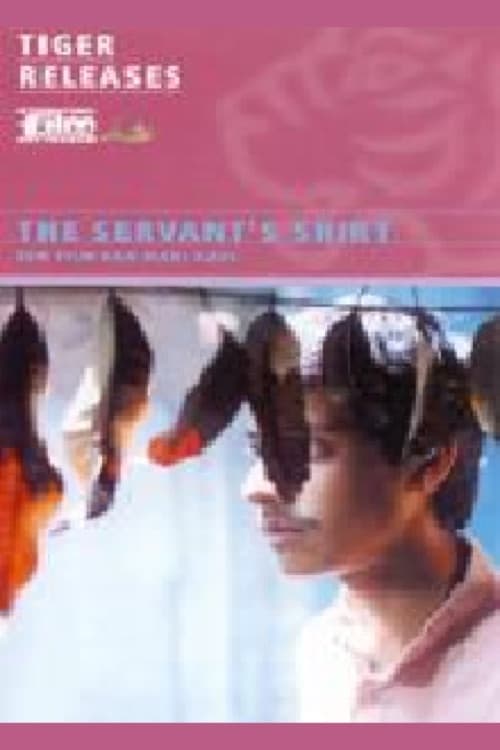
Naukar Ki Kameez
6.0

This film suggests a network of hierarchical relations between people through sometimes subtle and at other times blunt illustrations.

Naukar Ki Kameez

1999
In Search of Guru Dutt
6.0

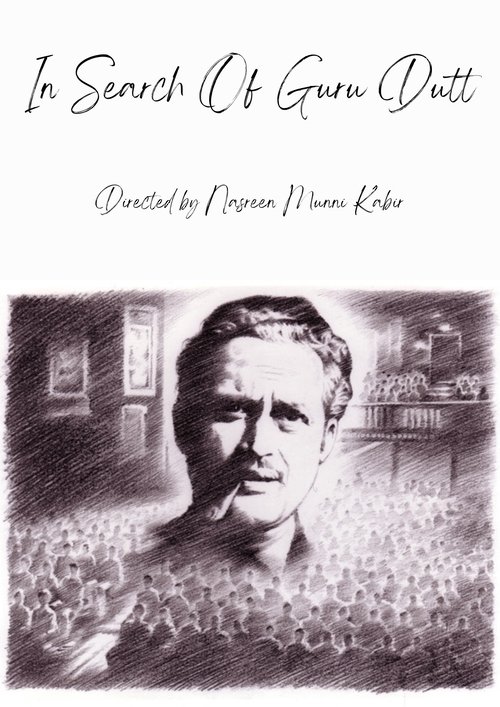
This documentary is a three-part tribute to director Guru Dutt, who died in 1964 at the age of 39. The work traces Guru Dutt's personal story through many interviews with his family members and colleagues and observes his work through the use of extensive film excerpts. The documentary was produced by the British television network Channel 4 producer Nasreen Munni Kabir.

In Search of Guru Dutt

1989
Uski Roti
6.8

The film depicts the life of a truck driver Sucha Singh and his wife Balo. Balo has to get Sucha Singh's food ready every day, walk a long distance through the fields and wait for him on the highway as he drives past the village. He leads an independent life, playing cards with his friends and spending time with his mistress, and comes home only once a week. However, he expects his wife to play the traditional role of a devoted wife. One day Balo gets late, trying to save her sister from the advances of a lecherous villager. Sucha Singh is angry, and drives away without his food. She decides to wait for him until nightfall.

Uski Roti

1970
Dhrupad
6.8

A documentary story told through images, poetry and the Dhrupad, a vocal genre in Hindustani classical music, said to be the oldest still in use in that musical tradition.

Dhrupad

1983
Forms and Designs
5.3

A short film that sets up an opposition between functional forms of industrial age and decorative ones from Indian tradition.

Forms and Designs

1968
No image
N/A

Mani Kaul's last film documents his days in Holland and his engagement in India with that form of cinema which for him was the Big Other i.e. Bollywood. Included are interactions with his family, his son the well known physicist Ribhu Kaul and with Bollywood comedians like Johnny Lever.

I Am No Other

2002
During and After Air Raid
6.3

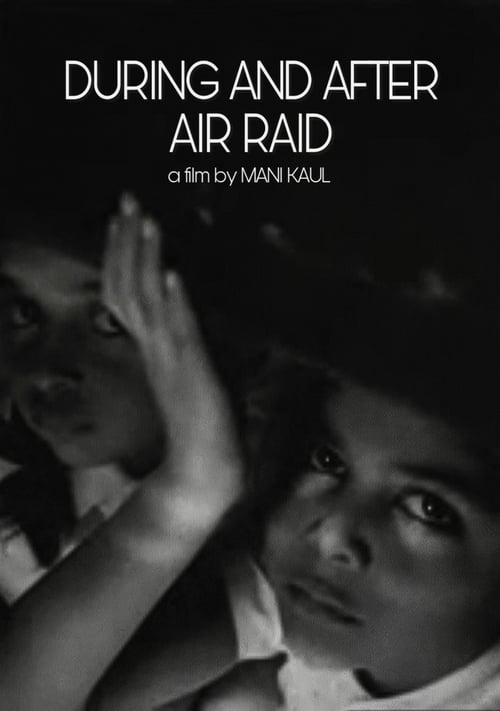
The precautions to be taken during and after an air-raid by the people, are shown in this film.

During and After Air Raid

1970
Aagaman
5.8

To the city come men, women, fruits, flowers, vegetables, goats and sheep – all ready for consumption. It is the process of consumption/exploitation that forms the core of the film.

Aagaman

1980