FEEL IT.STREAM
Ayame Mizushima

Ayame Mizushima

Writing

Biography

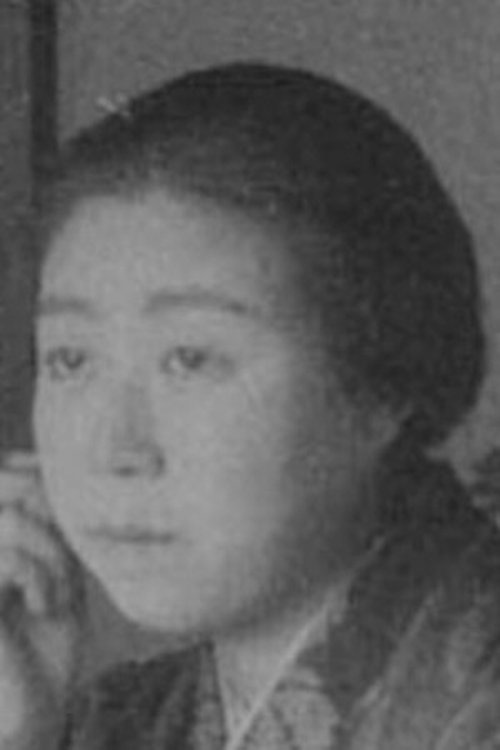
Ayame Mizushima (17 June 1903 – 31 December 1990) was the pen name of Japanese novelist and screenwriter Chitose Takano, commonly referred to as the first woman to have received on-screen credit in Japan. In 1916 (at the age of thirteen), Takano was introduced to Nobuko Yoshiya, a successful novelist who specialized in serialized romance novels and is known as a pioneer of Japanese lesbian literature. Yoshiya's serials inspired her to write, and she began contributing to newspapers and magazines at the age of fourteen. Takano adopted her pen name upon the release of The Song of the Fallen Leaves, for which she wrote the script, in order to avoid expulsion from the Japan Women's University, which prohibited women from viewing films (much less partaking in their production). She worked at the Shochiku Studios and is credited with twenty-nine screenplays. In 1928, she wrote the screenplay for Sora No Kanata (Beyond the Sky), based on the novel by Nobuko Yoshiya. Her last film, Kagayate Shonen Nihon (Shine On! Boy Japan) (1935), was her first and only talkie. She then retired to become a children's writer.
Known For

Young Master
N/A

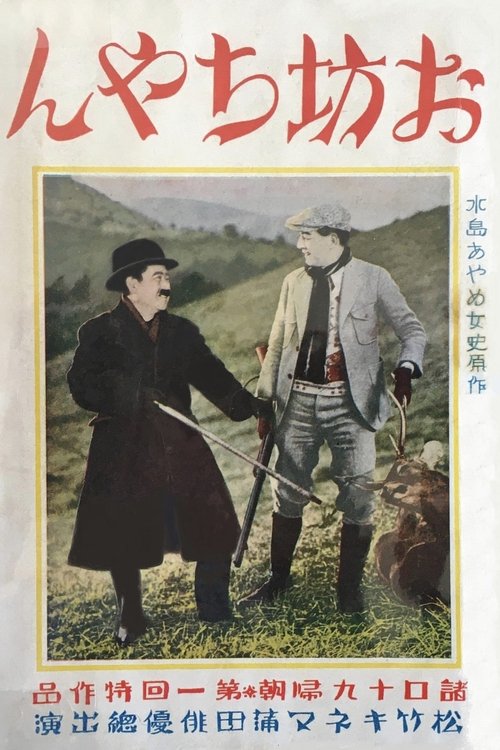
Japanese silent film from 1926. (Obo-chan meaning "Young Master.") Written by Ayame Mizushima, the first female screenwriter in Japan.

Young Master

1926
Pure Love
7.0

Directed by Mikio Naruse. It is presumed to be lost.

Pure Love

1930
No image
8.0

A Japanese short film, the earliest extant film of the great director Hiroshi Shimizu.

Parent

1929
No image
N/A

After being separated from their parents in childhood and left as orphans, Kyōko and Namiko were raised with the love of their aunt and grew into beautiful women who attracted the attention of many. Yet the chaste and gentle elder sister, Kyōko, somehow came to be called the “Iron Maiden.” When Namiko asked her about it, Kyōko would only say, “No matter what the world says, you are the only one I trust.” There was a reason for Kyōko’s transformation. One night, after seeing off Shinji, who had come to visit their ailing aunt, a man named Hayakawa assaulted Kyōko on her way home. Wounded, she chose to bear the title “Iron Maiden” herself. She also resolved in her heart to leave the inheritance of her aunt’s house to her younger sister. But then, Namiko appeared before Kyōko, intending to introduce a suitor. To Kyōko’s shock, it was none other than her rapist. Kyōko resolved to protect her sister at all costs.

Iron Virgin

1928
No image
9.0

After losing their parents, Eiichi and his sister Kikue are taken in by their aunt and uncle. Kikue is sent to Tokyo to work as a servant. Left alone, Eiichi wants a model airplane that a friend at school has, but finds found solace in reading the model-making instructions in a magazine that his sister sent him. One day, Eiichi gets into a fight and falls into a river, contracting pneumonia. Presumed to be a lost film.

Crying to the Blue Sky

1932
Shine, Japanese Women
10.0

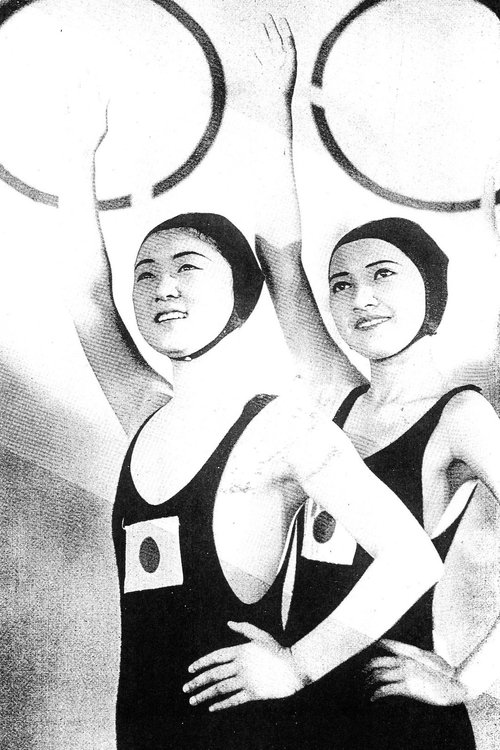
Shigeko and Midori, star swimmers at the renowned Kirishima Girls’ School, are training relentlessly with their sights set on the Los Angeles Olympics. But for the past week, Shigeko has been absent from practice. Her father has fallen ill, and to support her family’s struggling finances, she has secretly taken a job at a trading company. When Masao discovers this, he asks Midori to convince her to return, but soon the school learns of her secret. The students rally to raise funds, though the principal refuses their help, promising instead to handle the situation himself. Shigeko resumes training and travels to Tokyo for the qualifying meet. She touches the wall first in the 100-meter freestyle—only to receive news of her father’s passing. Overcome with grief, she collapses, cared for by Midori, whose own exhaustion leaves her finishing fourth. Despite these hardships, their prior accomplishments earn them a place on Japan’s Olympic team.

Shine, Japanese Women

1932
The Dawning Sky
6.0

A melodrama about an orphan and her mother who are separated and lose contact, but are later reunited.

The Dawning Sky

1929
No image
N/A

Hirano's wife Yasuko had grown weary of her life of poverty. Her feelings of dissatisfaction deepened when she met her elegantly dressed friend Hanako. When Yasuko asked Hanako for advice, Hanako spoke at length about the restrictions and meaninglessness of married life and encouraged Yasuko to divorce her husband. Persuaded by Hanako’s words, Yasuko divorced Hirano and, hoping to emulate Hanako, adorned herself in fine clothes, applied heavy makeup, and sought to revel in her newfound freedom. But instead of admiration, she was met with ridicule and contempt. Even her attempts to gain recognition from magazines like Hanako’s went unanswered. She applied to work as a café waitress but was rejected, and when she became an office clerk at a company advertised publicly, she was treated as a nuisance. After being tossed about by these setbacks, Yasuko finally came to understand the love of her husband, Hirano.

A Wife Quits

1928
No image
N/A

Japanese silent film from 1927.

Lovers' Suicide at Kiso

1927